

Beau Is Afraid, 2023
Beau Is Afraid — The Verdict Came First
Movie Review
Beau Is Afraid runs three hours because the trial started before the defendant could breathe.
The movie opens from inside a birth. You hear muffled thunder, you see red darkness, voices swim somewhere overhead, and then the light hits, and the first words you can actually make out are a mother panicking that something has already gone wrong. An accusation finds its target before the target has taken a breath. That is the whole film in ninety seconds, and I want to be plain about what it means. Beau Wassermann never earns his guilt. He is handed it in the delivery room, the way you are handed a birth certificate, and Ari Aster spends the next three hours building, at enormous expense and in four escalating movements, the world exactly as that guilt sees it. Nothing here is random, no matter how deranged it looks. Every frame is testimony. The court has been in session since the day he was born.
Joaquin Phoenix plays Beau as a man apologizing for taking up space. The shoulders sit in a permanent flinch. The voice comes out pitched to head off offense before anyone has taken any. And the first movement gives him a neighborhood designed by anxiety itself, a block where every disaster a catastrophizing mind could dream up simply happens to be true. There is a corpse in the street nobody collects. There is a tattooed man who stabs strangers, naked, at random. There is a brown recluse loose in the apartment, and a printed notice slid under the door blaming Beau for noise he is not making. Aster shoots all of it deadpan, and the joke lands because the joke is real: this is what the world feels like once the safety margins are deleted. Then the trap springs. Beau’s keys vanish while he stands three feet away, he misses his flight to visit his mother, and the phone call where he tries to explain himself meets the cruelest weapon in the picture, a mother’s quiet, wounded, weaponized okay. Anyone who has ever received that okay felt it in the sternum. Then comes word that she is dead, suddenly and grotesquely, and the odyssey begins: a son crossing an impossible country to bury the woman whose disappointment built it.
Each movement runs the same trial at a bigger scale. The suburban second act locks Beau inside the candy-colored home of a surgeon and his desperate wife, and Nathan Lane and Amy Ryan play hospitality as a hostage situation, all smiles and casseroles over a household that already holds a raging veteran and a grieving daughter whose bedroom turns into a machine for generating charges against him. Kindness, in this house, is a form of custody. Care is just more evidence being gathered. Then the third movement, the loveliest and lightest thing Aster has ever made, follows Beau into a forest troupe performing a generational play, and for twenty minutes the film hands itself to animation: Beau imagining the life he never got to live, sons and floods and reunions drawn in storybook planes and paper skies. It is the one stretch where you can breathe, and it ends the only way this movie could end it, with proof that even Beau’s imagination is rented from his mother. That is not a metaphor. Look at the brands on every product in every frame; they trace back to her company. The therapist reports to her. The hostile city block, the surgeon’s guest room, the whole cursed map sits on her letterhead. Mona Wassermann is not a character in her son’s world. She is the developer.
Patti LuPone plays her, and the late confrontation between mother and son is the molten center of the picture, tenderness and monstrousness arriving in the same breath, a woman itemizing what it cost her to love a child who never once called back with enough joy in his voice. Aster stages the homecoming as one literalization after another: a deflowering scored to a Mariah Carey ballad, an attic where the family myth sits chained, an ancestral terror made flesh as a creature so bluntly Freudian that the audience laughs, because laughing beats leaving. And that is where the film pays its real price. The attic gives a body to a dread that had wisely stayed in the mind, and the mystery shrinks the moment you can see it. The closing trial, Beau in a rowboat under a stadium of spectators while a prosecutor recites his failures, only restates a verdict you have carried in your chest for an hour. The movie wants you exhausted and gets you there by exhausting you, which is honest and still costs something; the surrender it asks for is real, and it does not always pay it all back. The middle stretch could drop twenty minutes and lose nothing but repetition on the same charge sheet.
And still I cannot shake it, because under all the phantasmagoria the film is doing something almost unbearably direct. Phoenix is in every frame, sweating, shrinking, aging backward and forward through his own worst memories, and here is the quiet bravery of the performance: Beau never gets one scene of competence. Not one. Phoenix plays a man whose inner life has no lobby, only a courtroom. Aster has said comedy and horror live next door to each other, and this is his most personal, least filtered work, a son’s guilt blown up to the scale of myth, a mother’s love rendered as total surveillance, an inheritance no probate will ever settle. It is exhausting, hilarious, horrifying, and profoundly sad, often inside the same minute.
The last image seals the case. The verdict lands, the motor sputters, the boat overturns, and the arena does not roar. It empties. Spectators gather their coats and file up the aisles while the water goes still, and the credits roll over a lake that has already forgotten him, a trial that ends not with a gavel but with an audience losing interest. Every anxious person in the theater will recognize the punchline, and it hurts because it is true. The fear was never that the crowd would convict you. The fear is that they were only mildly interested, and the sentence was being served all along.
Lunara Film Debrief
- Score:★★★★
- Year:2023
- Where to Watch:
Theme Echo
What is this film really about — and who else has said it?
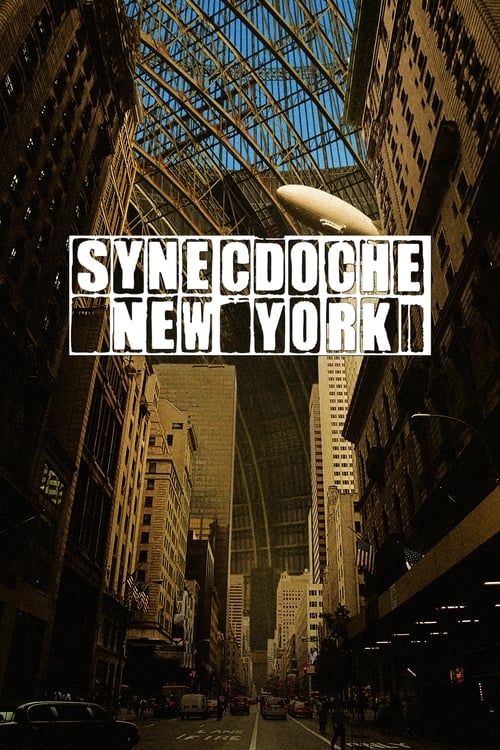
Synecdoche, New York (2008)
A life compressed into theater and regret. The forest play is this film reaching across to Kaufman's warehouse, two artists building scale models of the self and losing the exits on purpose.

Counter Program
What is the strongest argument against it?
The Wizard of Oz (1939)
The same episodic road home, run on inverted physics. Dorothy's world secretly roots for her; Beau's world testifies against him. Watch them back to back and you see exactly what a hostile universe charges a hero for every single step.
Career Context
Where does this sit in the artist's story?
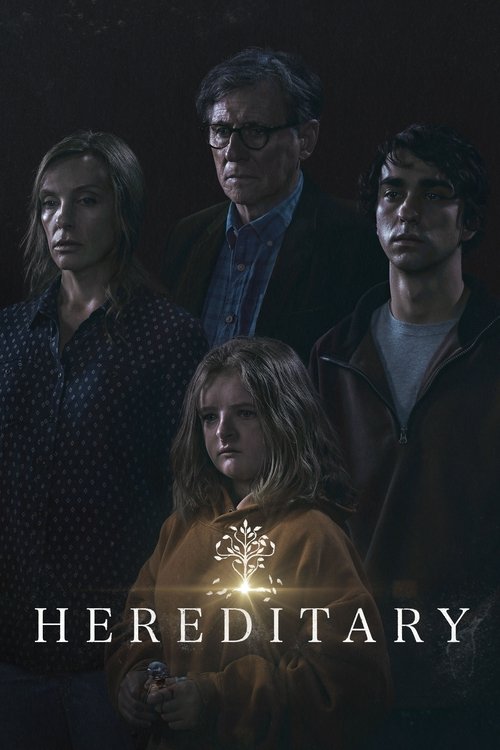
Hereditary (2018)
Aster's first study of family inheritance as fate, played straight. The seance becomes a stage play, the attic keeps its monster, and the mother's will still runs the world; same estate, new register.
More Lunara Film Criticism
Further Reading
 ★★★★★
Lunara Film Review
Midsommar — Grief in Broad Daylight
The scariest thing in the brightest horror film of its decade is a boyfriend saying "that sucks."
Updated September 23, 2026
 ★★★★★
Full Spoiler Review
Eddington — The Full Spoiler
THE FULL SPOILER. Companion piece, not the review. It names the killings, the frame, and the real final shot. Not seen Eddington? The...
Updated September 23, 2026
★★★★★
Lunara Film Review
Eddington — The Year No Two People Could Share a Street
A sheriff and a mayor try to share a street in late May 2020. The street is already gone. Ari Aster's fourth feature is the first American...
Updated September 23, 2026
 ★★★★½
Lunara Film Review
Guardians of the Galaxy Vol. 3 — The Wound Under the Fur
The last MCU film made by somebody who loved the characters more than the franchise, and it is about a raccoon, and it wrecked me.
Updated September 23, 2026
 ★★★★½
Lunara Film Review
Evil Does Not Exist — The Villain Is a Sentence
The scariest line of the year is "we can mitigate," said politely, by people who will be gone by February.
Updated September 23, 2026