

Hope, 2026. Neon
Hope — The First Hour Is the Movie
Movie Review
Na Hong-jin wins the first hour outright, then starts laying foundation for a franchise while the fight is still going.
Na Hong-jin has been gone ten years, and Hope opens like a man making up for all of it at once. A mutilated bull in the road, its hide raked open. Five local hunters who think it’s a tiger. A police chief who doesn’t believe them and can’t say why. For an hour this is the best creature picture in years, and then it stops being a creature picture at all.
Hwang Jung-min plays Bum-seok as a man whose authority is a costume he’s still adjusting. He fusses over whether the hunters registered their rifles because rifle registration is a problem he knows how to have. The performance works on the gap between the voice he uses for orders and the face he makes when nobody’s looking at him, and when the town’s commercial district turns up half-demolished, that gap becomes the whole movie. Hoyeon arrives in a police car full of military hardware, screaming insults while she fires, and she is the funniest and most alive thing in the film. It’s her first feature. She plays it like she’s been doing this for twenty years.
Na shoots the early destruction in daylight, which is the bravest choice here. Hong Kyung-pyo’s camera pans and tracks instead of shaking, so the wreckage stays legible: cars thrown like toys, buildings folded, bodies in the street, all of it clear enough to count. Michael Abels scores it with orchestral swagger rather than dread, and Kim Sun-min’s cutting keeps dialogue and carnage on the same continuous line. A sign near the DMZ reads Protect the Nation From Infiltration, and the joke lands because the camera finds it after the fact. The warning is already late.
The withholding is disciplined for forty-five minutes. A clawed hand out of a dark shop. A man thrown into a wall. Then the thing steps into frame and the film’s first hour pays off completely, and the trouble starts immediately after, because once you’ve seen it there’s nowhere left to escalate except outward. The infiltrators multiply. The story splits between the officers in town and the hunters in the forest. The horseback chase is genuinely thrilling. The set pieces keep arriving on schedule, and somewhere in there the movie stops being about a man who doesn’t know what’s in his town and becomes a delivery system for a universe.
The first time the creature is fully revealed, my honest reaction was that it couldn’t be finished. That what I was looking at had to be a placeholder, that the render would be replaced before anyone paid money to see it. Then the movie keeps going and that is what it looks like, and these things are out in the open, in daylight, in slow motion, in long clean takes through the forest. Na presents them the way you present something you’re proud of. Performance capture can’t fix a texture problem, and it doesn’t matter that Michael Fassbender, Alicia Vikander, Taylor Russell and Cameron Britton are in there. The gap is brutal, because Hong Kyung-pyo’s photography around them is gorgeous. You spend the back half watching a beautiful film get interrupted by cutscenes. Every full-body reveal costs the movie something the shadows had been giving it for free.
The screenplay gestures at where these things came from and what they want, and then declines to answer, because answering would close a door the production needs open. The international cast arrives less as characters than as announcements.
That’s the frustration, and it’s specific: the emotional idea underneath is real. In the film’s best moment, Bum-seok sees tears in a monster’s eyes and understands that the rage was provoked, that some human did this first. It’s the sort of turn Na has always been good at, the one that makes a genre picture suddenly cost something. It arrives in a stretch of the movie too busy building a franchise to sit with it.
So Hope wins its opening rounds and then starts fighting the arena instead of the opponent. What’s here at its best — the daylight wreckage, Hoyeon at the wheel, the chief who can’t find the vocabulary for what he’s seeing — is as good as this kind of filmmaking gets. What’s here at its worst is a third act that behaves like a first chapter.
Three stars is a theatrical grade, and I want to be honest about that. The scale, the sound, the first hour at that size — those are the things holding this up. Watching it at home, I’m not sure I’d have made it to the end. It is still a wild ride. It is just a lot to ask of an audience to accept that CGI, and for all its scale, this one might have hit harder if it had dreamed smaller.
Lunara Film Debrief
- Score:★★★
- Year:2026
- Where to Watch:
Theme Echo
What is this film really about — and who else has said it?
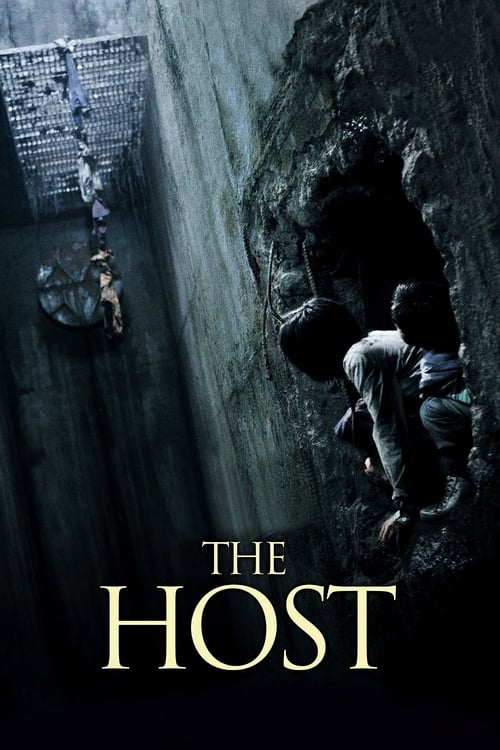
The Host (2006)
Bong Joon-ho's monster arrives in daylight too, and the joke is the same: the authorities are useless, the family is on its own, and the comedy makes the horror worse rather than lighter. Watch them together and you can see exactly which tradition Na is working inside, and where he breaks from it.

Counter Program
What is the strongest argument against it?
Under the Skin (2013)
The opposite argument about how to film something not from here. Glazer gives you almost nothing — a van, a road, a face — and the withholding is permanent. It is proof of what Hope spends when it finally shows you everything.
Career Context
Where does this sit in the artist's story?
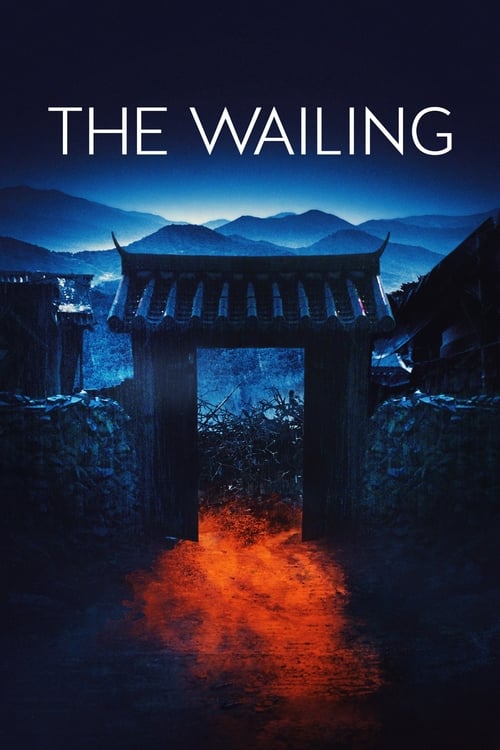
The Wailing (2016)
Na's last film, and the one that shows what he gives up here. Same cinematographer, same editor, same sense that a rural community is one bad day from collapse, but the scale is small enough that the mystery never has to resolve into a product.
More Lunara Film Criticism
Further Reading
 ★★★
Lunara Film Review
The Social Reckoning – A Procedural Without a Pulse
Aaron Sorkin's The Social Reckoning trades Fincher's kinetic tragedy for a dry, well-acted Facebook procedural that informs rather than shatters.
 ★★½
Lunara Film Review
Misty Green – The Price of Second Acts
Chris Rock's Misty Green is an ambitious, tonally fractured Hollywood satire rescued only by Rosalind Eleazar's smoldering musical defiance.
 ★★★★½
Lunara Film Review
Primetime — The Sordid Theater of Our Friday Night Bloodsport
Lance Oppenheim turns To Catch a Predator into a horror movie, with Robert Pattinson's Chris Hansen in the kitchen and all of us watching from home.
 ★★½
Lunara Film Review
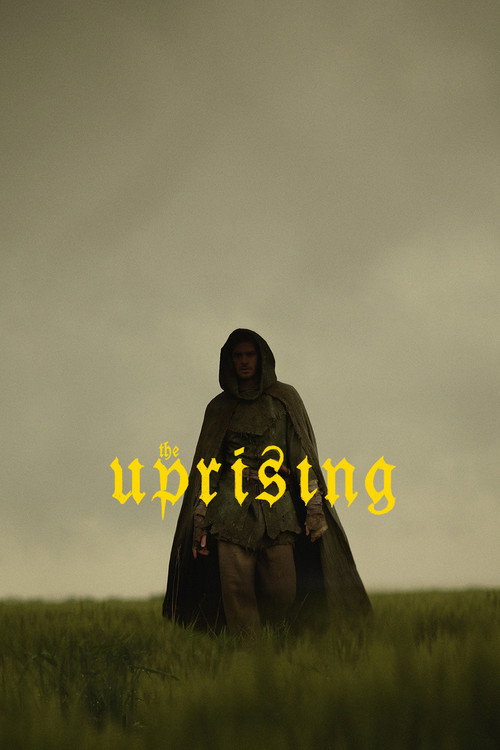
The Uprising What Could Have Been
Paul Greengrass files a searing report from the mud of 1381, then spends his final stretch turning a real tragedy into a Robin Hood origin story.
 ★★★★
Lunara Film Review
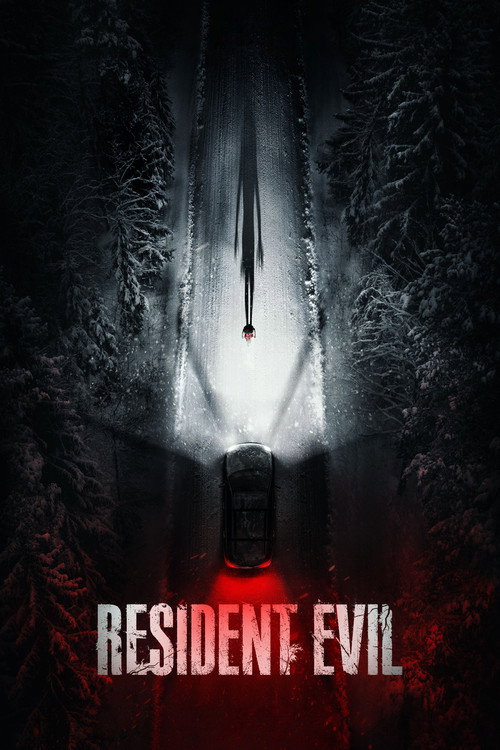
Resident Evil – The Worst Night of His Life
Resident Evil - Zach Cregger trades dread for velocity, and Austin Abrams gives a video game movie the most believable panic in years. Then it goes...
Updated October 18, 2026