
Lunara Review
Iron Man 3 — The Flawed One You Think About
The one Iron Man movie with a director inside it, and the franchise never forgave either of them.

The one Iron Man movie with a director inside it, and the franchise never forgave either of them.
A ten-year-old in a Tennessee garage asks Tony Stark a simple question: how did he get out of the wormhole over New York? And Tony’s body quits on him. The breath shortens, the words accelerate past wit into compulsion, and the most invulnerable man in the franchise staggers out into the snow to hyperventilate next to a dead suit of armor. Robert Downey Jr. plays the panic attacks that run through Iron Man 3 not as drama but as interruption: they arrive mid-sentence, mid-plan, mid-performance of competence, and the character can neither predict nor charm his way out of them. It is the most psychologically honest material in the first three phases of this universe, a superhero picture willing to say out loud that its hero’s body has learned to panic, and that all the escalating armor might be a clinical symptom wearing a paint job.
This is a Shane Black film in an Iron Man costume, and the fit is deliberately uncomfortable. The fingerprints are everywhere: the Christmas setting, the wiseacre voiceover, the buddy rhythms between Stark and the kid, the villain incubated by the hero’s own past carelessness. Where Jon Favreau directed by staying out of Downey’s way, Black imposes his obsessions on the material, and the result is the only entry in the trilogy that feels authored. His boldest structural move is subtraction. He takes the armor away for most of the runtime, strands Tony in rural Tennessee with a hardware store and a child sidekick, and forces the franchise to answer the question it had been dodging for five years: without the suit, what exactly is this man? The Tennessee stretch, Stark solving problems with intelligence and zip ties instead of repulsors, is the most sustained character work in any of the three solo films.
Then there is the twist, still the most litigated creative decision in the franchise, and still the correct one. For an hour the Mandarin is a terror-broadcast nightmare, all beheading-video staging and scrambled iconography, bin Laden by way of a branding agency. Then Tony breaks into his mansion and finds Trevor Slattery, a pickled British actor hired to play a role, delighted to talk about his football preferences while the empire he fronts runs on think-tank money. The fans who wanted a proper comic-book warlord called it a betrayal. It is the film’s whole thesis in one reveal: the War on Terror manufactured its own iconography, the enemy face on the screen is a commissioned performance, and behind the fright mask there is always somebody with a business plan. Ben Kingsley plays both registers, the sepulchral broadcasts and the blinking, harmless Slattery, with such distinct vocal and physical commitment that the reveal upgrades every scene that came before it. The performance is a magic trick about magic tricks.
The problem is what the curtain actually hides. Guy Pearce’s Aldrich Killian is the jilted nerd from a 1999 rooftop, back with a grudge, a tan, and a fire-breathing biotech venture, and the pettiness never scales to the destruction he causes. Pearce does precise physical work, hunched insecurity in the flashback, expansive predator confidence after Extremis, but the script wires a national terror campaign to the motive of one snubbed man at a party. A film this pointed about manufactured threat deserved a real author behind the manufacturing, someone whose reasons would sharpen the critique instead of shrinking it. Rebecca Hall’s Maya Hansen makes the shrinkage visible: introduced as the morally compromised scientist whose invention started everything, she establishes weight, hints at a genuine reckoning, and then exits the movie before her complexity is allowed to cost anyone anything. Hall has been open about how much larger the part once was, and the amputation shows.
And the ending breaks faith with the film’s own case. Black spends two hours arguing that the man matters and the armor is a crutch, then resolves the plot by summoning more armor than the previous films combined, a sky full of remote-controlled suits performing the House Party Protocol. It is genuinely thrilling as spectacle and incoherent as statement: the movie tells Tony to let go of the suits, then lets the suits save everyone, then blows them up as fireworks so the theme can be reasserted over the wreckage. Watching a film critique a dependency it cannot resist is its own kind of honesty, but it is the accidental kind.
So the record is messy, and the mess is the value. Iron Man 3 is the only film in this trilogy that attempts to say something specific about its protagonist’s mind, the only one whose director is legible in every frame, and the only one whose choices made the franchise uncomfortable enough to steer away from everything it tried. Nothing that followed dared to give a hero a disorder, or an audience a fake villain, again. More interesting than it is successful, and more valuable for the conversation it started than the conclusions it reached, it sits at the exact score such films earn: the flawed one you think about, ranked above the polished ones you do not.
LUNARA DEBRIEF
- Score: 3.5 / 5
- Year: 2013
- Where to Watch: Streaming (Disney+) | VOD (major platforms)
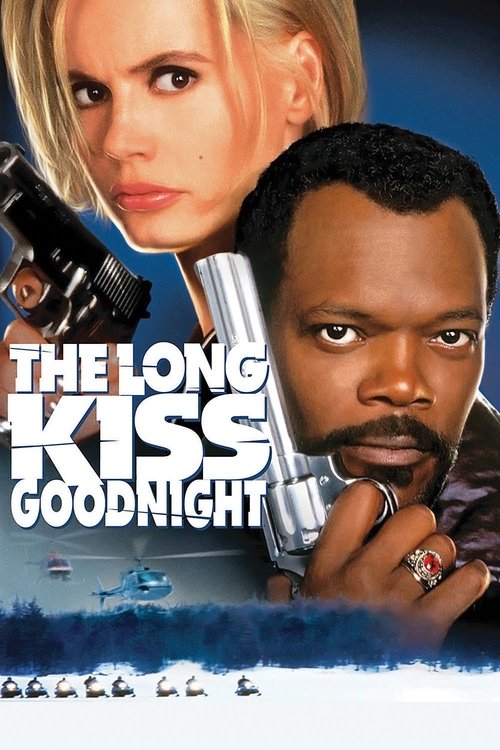
- Theme Echo: The Long Kiss Goodnight (1996) tt0116908. Black’s earlier Christmas-set action picture about a person who is not who they perform being. The amnesiac assassin and the manufactured Mandarin are the same preoccupation fifteen years apart: identity as a role somebody cast.
- Counter-Program: The Dark Knight Rises (2012) tt1345836. The same premise, hero stripped of resources and rebuilt, played with cathedral solemnity. Set against it, Black’s tonal instability stops looking like a flaw and starts looking like a personality.
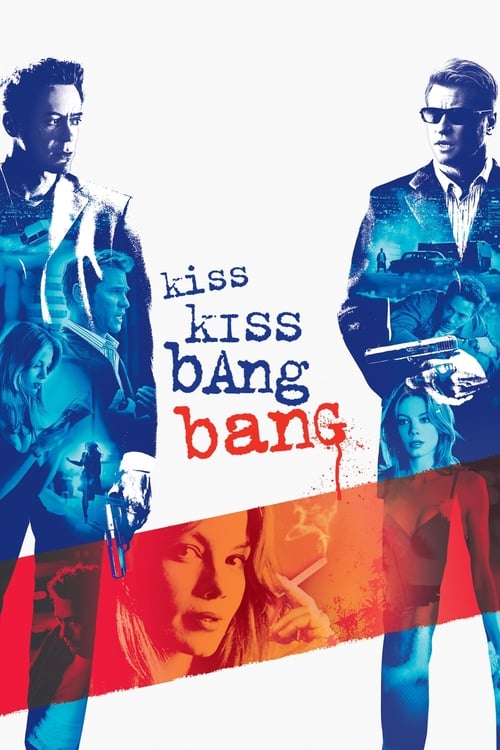
- Career Context: Kiss Kiss Bang Bang (2005) tt0373469. The collaboration that resurrected Downey and auditioned this entire movie: Black’s voiceover, Black’s Christmas, and the exact improvisational chemistry Iron Man 3 scales up to blockbuster size.
LUNARA DEBRIEF
- Score:★★★½
- Oscar Ledger1 nominations • 0 wins
- Year:2013
- Where to Watch:
Pair It With
Three films in conversation with this one.
Theme Echo
The Long Kiss Goodnight (1996)
Black's earlier Christmas-set action picture about a person who is not who they perform being. The amnesiac assassin and the manufactured Mandarin are the same preoccupation fifteen years apart: identity as a role somebody cast.

Counter-Program
The Dark Knight Rises (2012)
The same premise, hero stripped of resources and rebuilt, played with cathedral solemnity. Set against it, Black's tonal instability stops looking like a flaw and starts looking like a personality.
Career Context
Kiss Kiss Bang Bang (2005)
The collaboration that resurrected Downey and auditioned this entire movie: Black's voiceover, Black's Christmas, and the exact improvisational chemistry Iron Man 3 scales up to blockbuster size.
Further Reading
More Lunara Criticism
 ★½
★½
Lunara Review
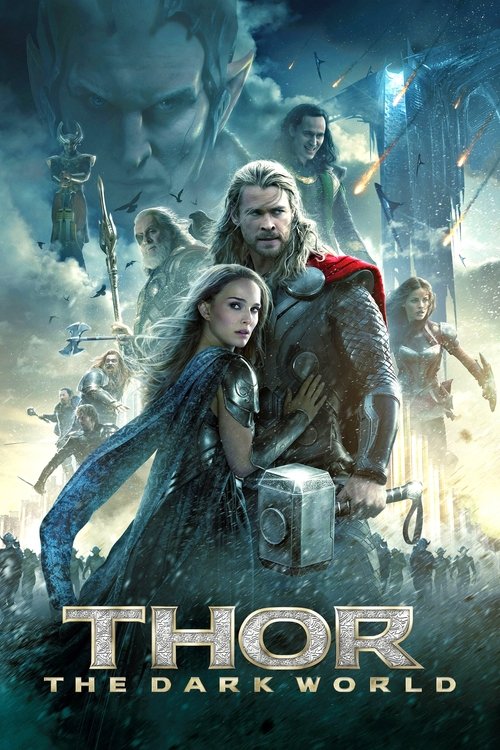
Thor: The Dark World — Content, Not Cinema
There is one beautiful minute in Thor: The Dark World, and it spends the other hundred and eleven proving nobody asked for it.
Updated July 25, 2026
 ★★
★★
Lunara Review
The Dog Stars — Going Nowhere Beautifully
Ridley Scott makes the end of the world look expensive and feel like nothing at all, and outsources the only honest emotion to a very good...
Updated September 10, 2026
 ★★½
★★½
Lunara Review
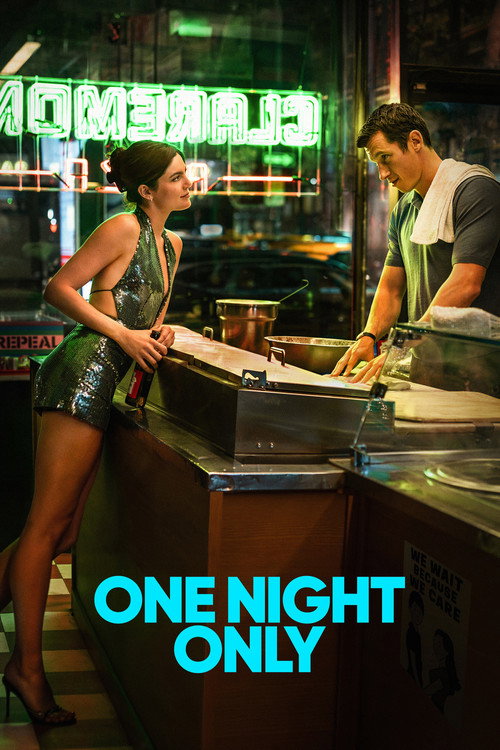
One Night Only — All Invitation, No Appetite
Two movie stars with real chemistry go looking for love inside a dystopian premise the movie never once has the nerve to interrogate at all.
Updated September 10, 2026
 ★★★½
★★★½
Lunara Review
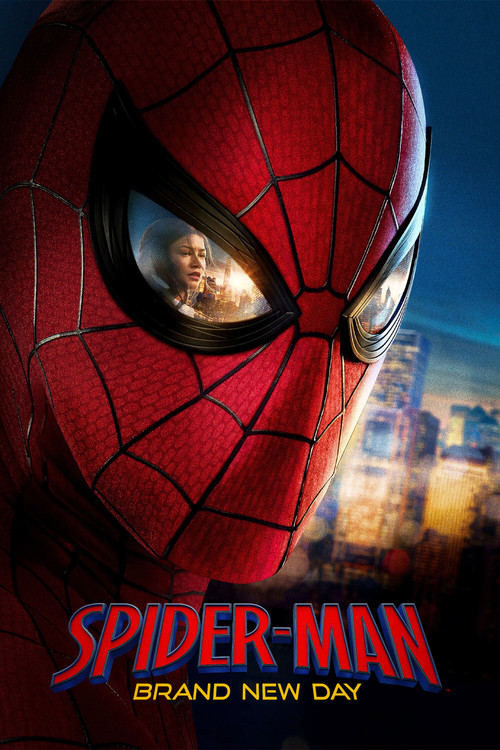
Spider-Man: Brand New Day — Never Allowed to Stay on the Block
Destin Daniel Cretton finds a real movie in Peter Parker's empty apartment, and then the franchise calendar arrives and fills every inch of it.
Updated September 10, 2026
 ★★★★
★★★★
Lunara Review
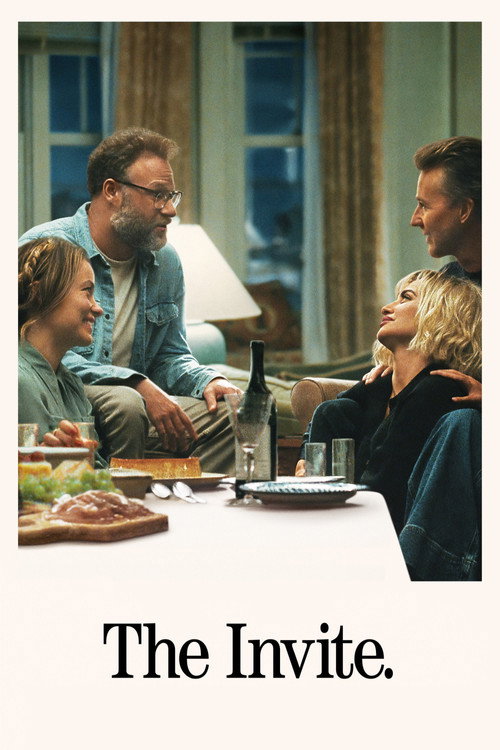
The Invite — The Predators Wear Nice Sweaters
Olivia Wilde puts four very good actors in one apartment for an evening and delivers the funniest, most purely enjoyable comedy of the year.
Updated September 10, 2026