
Lunara Review
Short Cuts — Not a Tapestry. A Seismograph.
Everyone praises it for weaving lives together; the film spends three hours measuring the gaps.

Everyone praises it for weaving lives together; the film spends three hours measuring the gaps.
Short Cuts is not a tapestry. It is a seismograph. Robert Altman’s sprawling, sun-baked anti-epic gets praised, decade after decade, for weaving two dozen Los Angeles lives into one grand connected whole, and the praise is a comforting lie. The genius of the film is not the connections it forges but the voids it maps. Altman takes the grammar of convergence, the chance encounters, the narrative rhymes, the strangers breathing the same smoggy air, and uses it to document a city of people rattling around in sealed containers of private desperation. This is not a story about how we are all in it together. It is a panoramic study of the hairline fractures in the social contract, a portrait of an America where the defining human relationship is the near miss.
It landed in 1993 as a second-act declaration. Coming off the acid comeback of The Player, Altman took the bruised minimalist stories of Raymond Carver, a writer who perfected the art of the unsaid, and detonated them: nine stories and a poem exploded into three hours of strip malls, jazz clubs, pool decks, and tract homes. Where Carver used a scalpel, Altman uses a Steadicam. The emotional core survives the transfer, the quiet humiliations, the marriages curdling in silence, the weight of words left unspoken, but the scale changes the diagnosis from private to civic. And the film is honest about what actually touches everyone in it. Two things, in three hours, reach every household at once: the helicopters that open the picture, spraying medfly poison across the whole basin, and the ground itself at the end. Community, in this Los Angeles, is something delivered by air or by fault line.
The whole design is audible before it is visible. Altman pushes his signature overlapping dialogue to its most pointed extreme: conversations do not interlock here, they collide and cancel. A husband and wife argue while the television drones, a child cries, a helicopter passes over the roof, and nobody wins, because the mix has rigged the game. You are trapped inside each speaker’s head, privy to a monologue you can hear failing to land in real time. It is not realism. It is a sonic rendering of isolation, communication as a frantic broadcast with no guarantee of reception.
Walt Lloyd’s camera confirms it. The frame drifts with a voyeur’s impassive curiosity, panning off a conversation mid-sentence to follow a car that happens to be passing, linking one story to the next not with the certainty of fate but with the languid indifference of chance. The long tracking moves through homes and workplaces do not build intimacy; they build distance, reminding you that you are a witness with no jurisdiction. And the close-up, the basic unit of movie empathy, is almost entirely withheld. The style adds up to a worldview: a universe where the camera, like God, is either absent or not paying close attention. It sees everything and feels nothing.
Inside that indifference, the cast plays like a gathering of soloists, each performing a private melody of quiet desperation built from small observable truths rather than grand gestures. Anne Archer’s Claire, a birthday clown, wears her professional cheer like a mask one size too small, especially once she learns what her husband Stuart, Fred Ward’s weekend fisherman, chose to do at the river; after that, every polite inquiry in their kitchen is an accusation and every silence is a verdict. Julianne Moore goes further. As Marian, half-undressed in the middle of an argument, a ruined skirt in her hand, she narrates her infidelity to her husband with a levelness that sounds almost like someone else’s story, and the confession produces no catharsis whatsoever, only a wider chasm between two people standing three feet apart. It is the film’s mission statement in miniature: total honesty, deployed at the wrong moment, can be one more form of alienation.
The river is where the movie drops its gloves. Three men on their annual fishing trip find a young woman’s body floating in the current. In any other picture the corpse is an inciting incident; it summons police, guilt, consequence, plot. Here it is a scheduling problem. The men tether her ankle to a branch so she will not drift, and they fish for two more days, talking about beer and bait while the pale fact of her floats at the edge of the frame. Altman shoots it wide and patient, three small figures in a vast indifferent landscape, and the horror never announces itself, because the horror is that nothing here rises to the level of an event. This is not the monstrous evil the movies usually import for the occasion. It is the commonplace sin of self-interest, and the film’s coldest suggestion is that it is the more American of the two.
Then the ground moves. The earthquake that ends the picture is the seismograph paying off, the metaphor going literal: the one experience every character finally shares arrives from underground, uninvited, and it arrives just in time to absorb a murder into its statistics. Down in a canyon a man swings a rock at a stranger; up on the patios, the city toasts its own survival. Connection, when it finally comes, is a tremor. Nobody planned it, nobody earned it, and within the hour everyone has resumed the lives they were failing to live before the shaking started.
You do not leave Short Cuts resolved. You leave with a low-grade ambient hum, the residue of watching the social contract dissolve in real time, and the unnerving recognition that this muted desperation is background radiation: the car in the next lane, the house across the street, occasionally the mirror. The fair complaint about the film is its temperature. It studies its people like specimens, offers a diagnosis without pretending to a cure, and that clinical distance can feel like an evasion of the very empathy whose absence it is charting; a movie this observant declining to warm its hands even once is making a choice, and the choice costs it some viewers for good reason. I think the coldness is the confession. A film about disconnection that hugged you on the way out would be lying about its own findings. Altman built a perfect machine of misanthropy and had the nerve not to install an exit light. Short Cuts looks like a mosaic. It plays like a crime scene.
LUNARA DEBRIEF
- Score: 5 / 5
- Year: 1993
- Where to Watch: Streaming (Criterion Channel) | VOD (major platforms)
- Theme Echo: Magnolia (1999) tt0175880. Anderson’s answer film, the same sprawl rebuilt on faith: where Altman’s coincidences prove nothing, Anderson begs his to mean everything, and the raining frogs grant the absolution Altman’s earthquake denies. Each film is the other’s photographic negative.
- Counter-Program: Crash (2004) tt0375679. The Los Angeles mosaic played with total sincerity: collisions engineered to redeem everyone they injure. Watch it after Altman and you can feel exactly what sentimentality costs, and exactly what Short Cuts had the discipline not to hand over.
- Career Context: Nashville (1975) tt0073440. The earlier blueprint, run warmer: another two dozen lives, but pointed at a stage where they finally converge. Eighteen years later Altman rebuilt the ensemble with the faith removed; the assassination became an earthquake, aimed at no one.
LUNARA DEBRIEF
- Score:★★★★★
- Oscar Ledger1 nominations • 0 wins
- Year:1993
- Where to Watch:
Pair It With
Three films in conversation with this one.

Theme Echo
Magnolia (1999)
Anderson's answer film, the same sprawl rebuilt on faith: where Altman's coincidences prove nothing, Anderson begs his to mean everything, and the raining frogs grant the absolution Altman's earthquake denies. Each film is the other's photographic negative.

Counter-Program
Crash (2004)
The Los Angeles mosaic played with total sincerity: collisions engineered to redeem everyone they injure. Watch it after Altman and you can feel exactly what sentimentality costs, and exactly what Short Cuts had the discipline not to hand over.

Career Context
Nashville (1975)
The earlier blueprint, run warmer: another two dozen lives, but pointed at a stage where they finally converge. Eighteen years later Altman rebuilt the ensemble with the faith removed; the assassination became an earthquake, aimed at no one.
Further Reading
More Lunara Criticism
 ★★★★
★★★★
Lunara Review
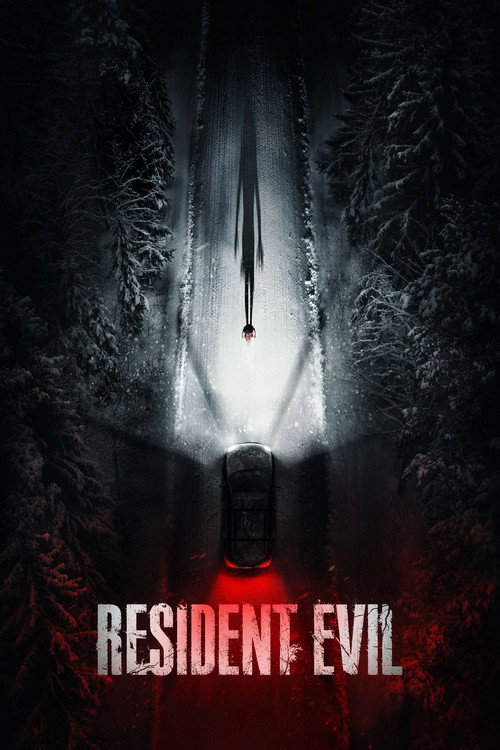
Resident Evil — The Worst Night of His Life
Zach Cregger trades dread for velocity, and Austin Abrams gives a video game movie the most believable panic in years. Then it goes all the way.
 ★★
★★
Lunara Review
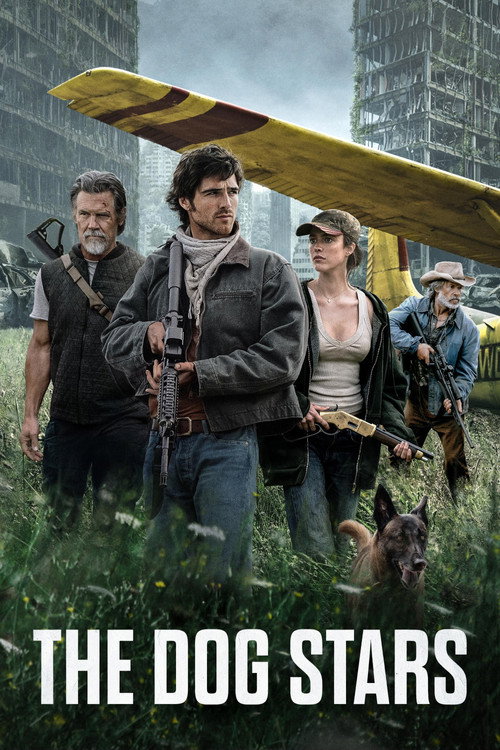
The Dog Stars — Going Nowhere Beautifully
Ridley Scott makes the end of the world look expensive and feel like nothing at all, and outsources the only honest emotion to a very good...
Updated September 10, 2026
 ★★½
★★½
Lunara Review
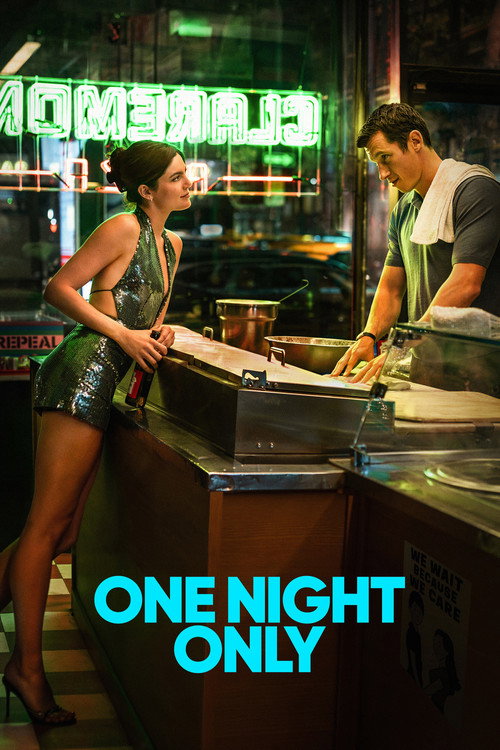
One Night Only — All Invitation, No Appetite
Two movie stars with real chemistry go looking for love inside a dystopian premise the movie never once has the nerve to interrogate at all.
Updated September 10, 2026
 ★★★½
★★★½
Lunara Review
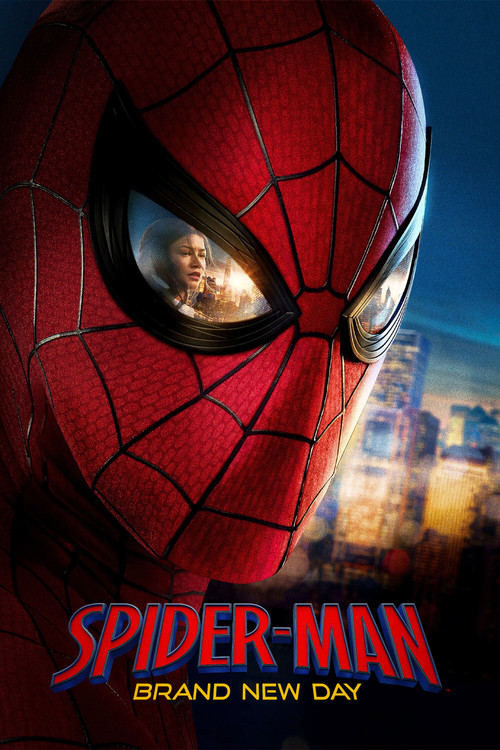
Spider-Man: Brand New Day — Never Allowed to Stay on the Block
Destin Daniel Cretton finds a real movie in Peter Parker's empty apartment, and then the franchise calendar arrives and fills every inch of it.
Updated September 10, 2026
 ★★★★
★★★★
Lunara Review
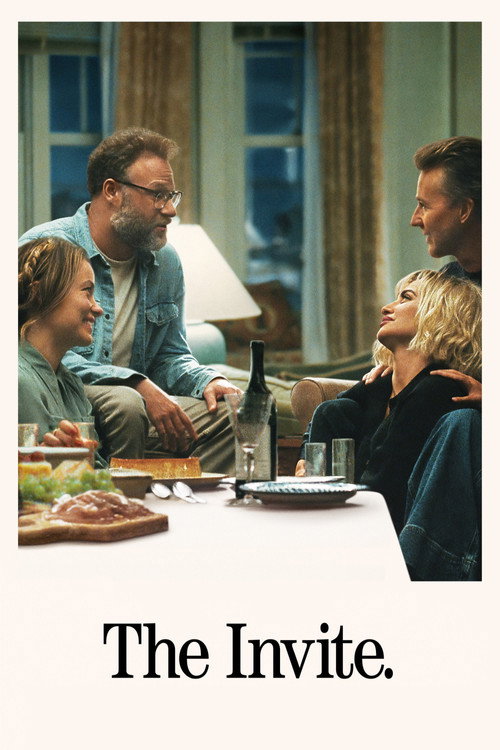
The Invite — The Predators Wear Nice Sweaters
Olivia Wilde puts four very good actors in one apartment for an evening and delivers the funniest, most purely enjoyable comedy of the year.
Updated September 10, 2026