
Lunara Review
Kramer vs. Kramer — Love Is a Skill
The custody hearing is the plot; the French toast is the film.

The custody hearing is the plot; the French toast is the film.
The first morning after Joanna leaves, Ted Kramer makes French toast for his son. He does it the way a man does a job he has only ever watched: cracks the eggs into a coffee mug because he cannot find a bowl, leaves half a shell in with them, folds the bread in thirds to make it fit, and narrates the whole time, selling the fun of it, daddy and Billy at the Tip Top Cafe, while the skillet quietly reaches the temperature of a foundry. The toast burns. He grabs the handle barehanded, screams, throws the pan, and the fun collapses into a five-year-old crying that Mommy does not do it this way. The scene runs about three minutes and it contains the entire movie: a man learning, in real time and in front of the person it matters to most, that the love he assumed was a feeling is actually a skill, and that he has never once practiced it.
Robert Benton’s film landed in December 1979 with the American divorce rate at its historical crest, and the culture treated it as a referendum, sweeping it to Best Picture over Apocalypse Now: a burned breakfast beating a burning jungle. Half a century on it is remembered as the divorce picture of its era, and that undersells it. Divorce is only the demolition charge. The subject is what the explosion exposes: roles that nobody in the marriage ever chose so much as inherited, and the question of what a parent actually is once the inherited script is gone.
Benton builds the picture out of proximity. Arguments happen in medium close-up, the camera near enough that there is nowhere to look away to; when Joanna announces she is leaving, the frame gives you her face and Ted’s and no exit. The editing spends its patience deliberately, letting bedtime stories stretch while the custody hearing gets cut into brutal alternation. The sound of the film is the sound of an apartment: percolator, alarm clock, footsteps on hardwood, the domestic metronome that keeps ticking whether or not anyone is coping. And the apartment itself works as a gauge. It is chaos in the first weeks, finds order as Ted finds competence, and sits stripped and suspiciously neat by the time the lawyers arrive, a set dressed by a man trying to look like a custodial parent.
Hoffman was living through his own divorce while shooting and has said he poured it straight into the role, and you can watch the velocity drain out of him across the film. Early Ted interrupts his son, finishes the boy’s sentences, treats fatherhood as a problem to be solved at the speed he sells ad campaigns; by the midpoint he has learned to wait, to crouch, to let silence do the work. The most famous piece of acting in the picture was only acting on one side of the table: the wine glass Hoffman smashed against the restaurant wall was his idea and Streep’s surprise, and the startle in her eyes is a documentary event she plays straight through without dropping the scene. She got her own back in the courtroom, where Benton let her rewrite Joanna’s testimony because the scripted version was not yet a person. And Justin Henry, eight years old, does not perform childhood at all; the chocolate-chip-ice-cream standoff plays as genuine will against genuine will, and Billy’s slow promotion from pawn to person is the film’s quietest achievement.
The years have put the film itself on trial, and the modern charge deserves an honest hearing: Joanna gets the opening minutes and the courtroom and almost nothing in between. The charge lands in one exact place. The script keeps her opaque, more symbol than character, a woman whose interior the film gestures at but never enters, and the hearing itself tips into speechifying, two closing arguments where human testimony should be. The famous even-handedness is partly a pose; the movie’s heart boards with the parent who learns, not the one who leaves. What complicates the verdict is that the most human thing Joanna says on the stand came from Streep’s own pen, and that the film hands her the ending: standing in the lobby of the building she has just won in court, saying of her son that “he already is home,” and giving back what the judgment awarded her. The person the script would not write, the actress and the final scene smuggle in anyway.
The real verdict was never going to come from a judge, and Benton says so with a bookend. Late in the picture, on what father and son both believe is their last morning together, they make French toast again: no dialogue, no flailing, the bread folded neatly, the mug traded for teamwork, a small kitchen operating like a crew that has done the job a hundred times. Nothing in the custody file has changed, and everything on the counter has. That is the film’s whole case, and mine: the question was never which parent deserves the child, but which one has learned to deserve him, and that kind of learning does not happen in courtrooms. It happens at stoves, over shoelaces, in the thousand small competencies the culture used to sort by gender and this movie, half a century ago, quietly re-sorted by effort. Kramer vs. Kramer is still the best American film about the daily work of love, because it is the rare one that understands the work is the love.
LUNARA DEBRIEF
- Score: 5 / 5
- Year: 1979
- Where to Watch: VOD [all major platforms] | Sony Pictures disc
- Theme Echo: Marriage Story (2019) tt7653254. Forty years of divorce cinema apart and the same discovery: the legal system exists to convert what is left of love into evidence. Baumbach’s couple scream what Benton’s couple swallow, and each film makes the other’s decade legible.
- Counter-Program: The Royal Tenenbaums (2001) tt0265666. Family damage rendered as diorama. Anderson builds a dollhouse around the wound Benton shoots in close-up, and the distance between the two styles measures exactly how much the realism hurts.
- Career Context: The Graduate (1967) tt0061722. Hoffman’s two bookends of the American male, twelve years apart: Benjamin drifts into an inherited life; Ted is what happens when the inherited life walks out and leaves him holding the child it produced.
LUNARA DEBRIEF
- Score:★★★★★
- Oscar Ledger9 nominations • 5 wins
- Year:1979
- Where to Watch:DigitalFind Digital OptionsAvailabilitySony Pictures disc
Pair It With
Three films in conversation with this one.

Theme Echo
Marriage Story (2019)
Forty years of divorce cinema apart and the same discovery: the legal system exists to convert what is left of love into evidence. Baumbach's couple scream what Benton's couple swallow, and each film makes the other's decade legible.
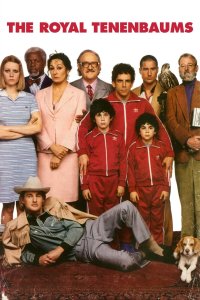
Counter-Program
The Royal Tenenbaums (2001)
Family damage rendered as diorama. Anderson builds a dollhouse around the wound Benton shoots in close-up, and the distance between the two styles measures exactly how much the realism hurts.
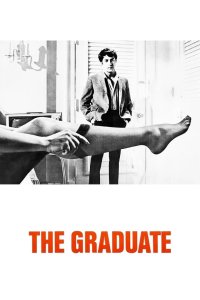
Career Context
The Graduate (1967)
Hoffman's two bookends of the American male, twelve years apart: Benjamin drifts into an inherited life; Ted is what happens when the inherited life walks out and leaves him holding the child it produced.
Further Reading
More Lunara Criticism
 ★★★★★
★★★★★
Lunara Review
Watch trailerA.I. Artificial Intelligence
A.I. Artificial Intelligence is a fairy tale about a machine engineered to love a mother who can return that love only on her species' terms, and…
Updated August 12, 2026
 ★★★★★
★★★★★
Lunara Review
Watch trailerThe Odyssey — I Walked Right Back In
Nolan aimed the biggest camera on earth at the oldest story about going home -- and I walked out of the 70mm IMAX and bought a ticket to...
Updated July 28, 2026
 ★★★★½
★★★★½
Lunara Review
Guardians of the Galaxy Vol. 3 — The Wound Under the Fur
The last MCU film made by somebody who loved the characters more than the franchise, and it is about a raccoon, and it wrecked me.
Updated July 26, 2026
 ★★★★½
★★★★½
Lunara Review
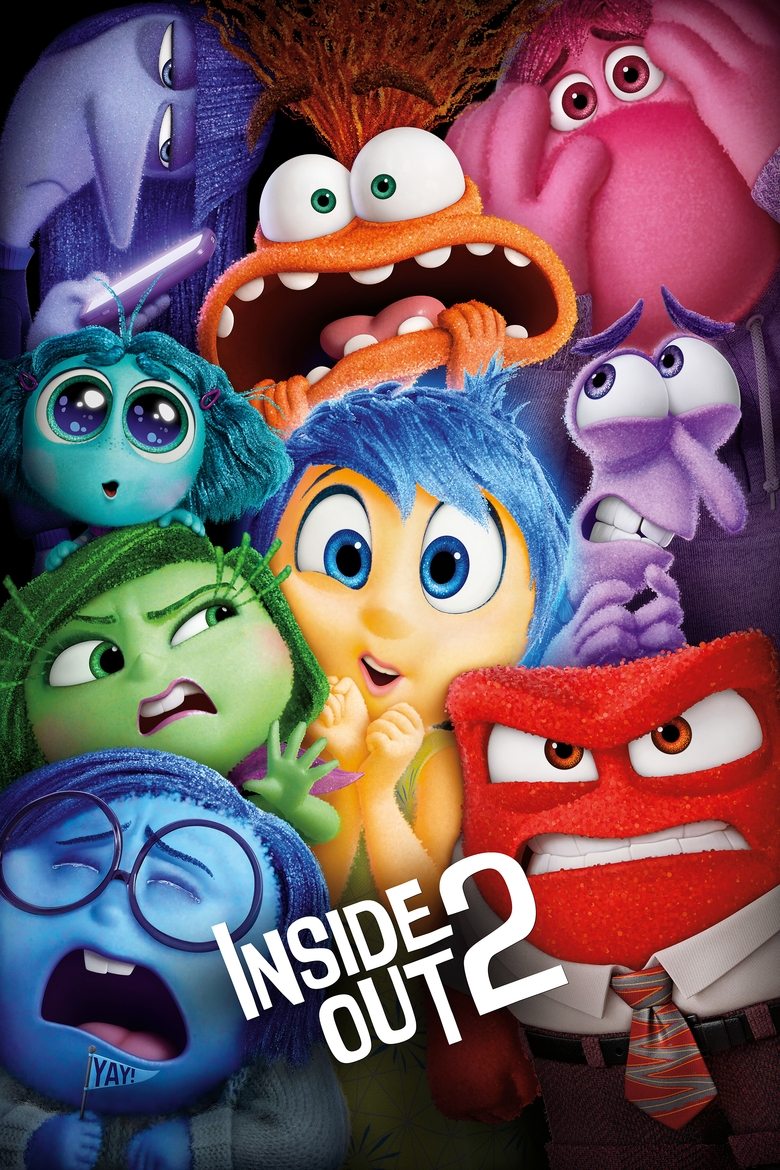
Inside Out 2 — Anxiety Is Middle Management
Pixar's sequel knows the scariest thing in a thirteen-year-old's head is the employee who never sleeps.
Updated July 25, 2026
 ★★★★★
★★★★★
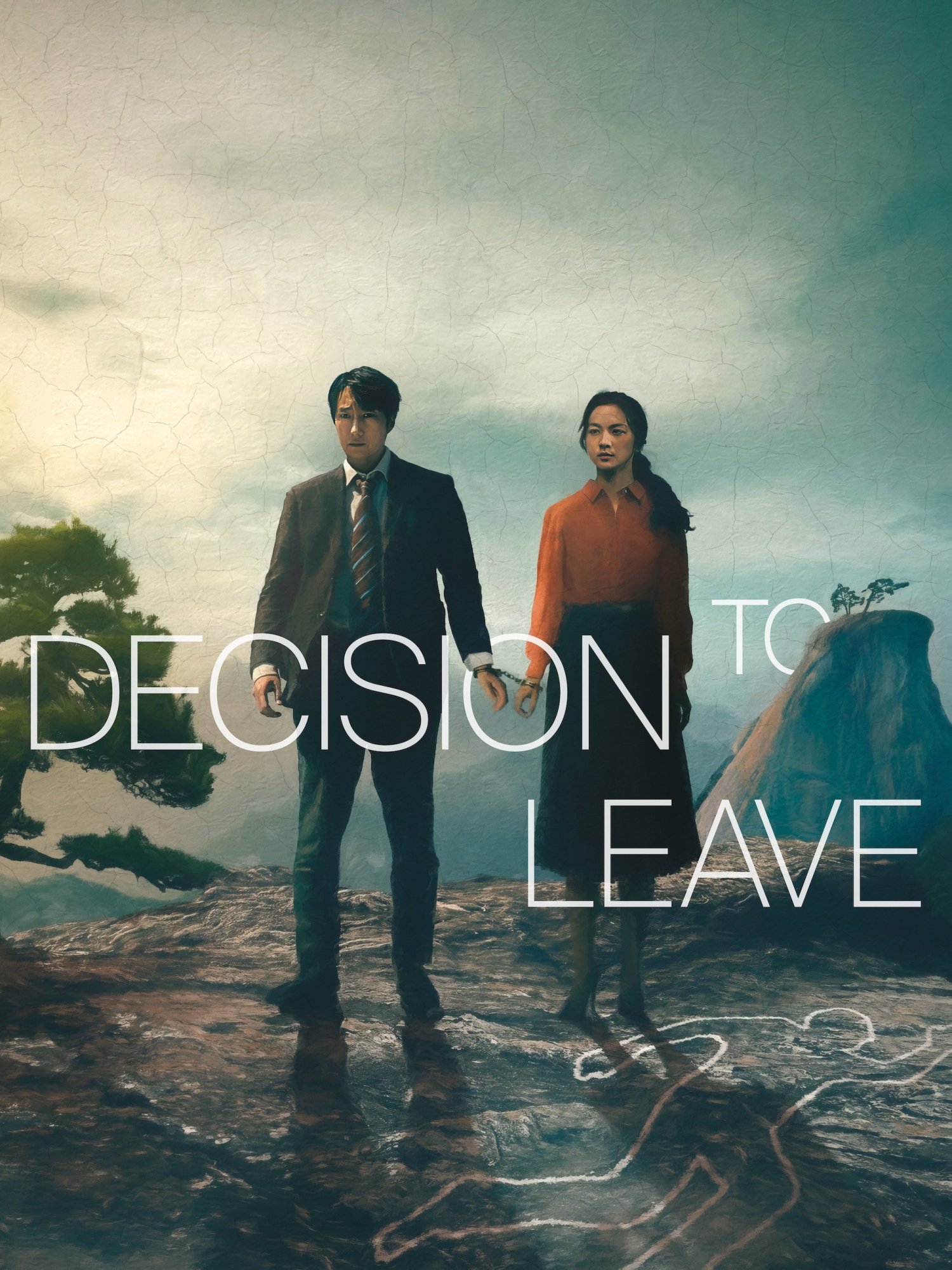
Lunara Review
Decision to Leave — Surveillance Is the Love Language
Park Chan-wook's detective romance understands the terrible secret of both professions: to investigate someone and to love someone are the same activity.
Updated July 25, 2026