

Michael Clayton, 2007
Michael Clayton — The Soul Billed by the Hour
Movie Review
One explosion, no trial, and the most exact reckoning the movies have yet made of what a career actually costs.
Michael Clayton begins with a man falling apart in complete sentences. The screen shows law offices at night, cleaning crews drifting through empty conference rooms, document boxes stacked like sandbags against a flood, and over it all comes the voice of Arthur Edens, pouring a confession down a phone line. He is lucid. He is ecstatic. He is describing the morning he walked out of the building and understood that the work had left something on him that would not wash off, that he had spent years as the senior litigator shielding a pesticide company from the families it poisoned, and that he is finished with all of it, reborn, dangerous. Then he says five words that ought to be silly and are instead the scariest thing I heard in a theater this year: “I am Shiva, the god of death.” And this whole aria has an audience of one, because when the greatest partner at a great law firm strips naked in a Milwaukee deposition and announces himself for the other side, there is only one number worth dialing. You call the janitor.
Janitor is Michael Clayton’s own word for what he is, offered at two in the morning to a hit-and-run client who wanted a miracle worker instead. He is the fixer at a firm of six hundred attorneys, the man who knows which judge, which reporter, which quiet phone call turns a disaster into a memo. He is very good at this job, and the film spends its whole running time adding up what being good at it has cost: seventeen-odd years of favors done for other people and a self endlessly postponed, a failed restaurant, a debt with teeth in it, a talent for cards he can no longer risk using, and a son he mostly sees from the driver’s seat. Tony Gilroy wrote it, and I will say this plainly and defend it in the parking lot: this is the best American screenplay of its decade. It is built as a thriller in which almost nothing thrilling happens on camera. There are two acts of violence, total. Everything else is people in rooms deciding what a life is worth, and it plays like a knife fight anyway, because Gilroy has each profession’s private dialect of euphemism down so cold that you can hear the bodies inside the billing language.
The structure is a loop. We open near the end, then step back four days, and Robert Elswit photographs the two halves as two different substances. Inside the firm, everything is fluorescent ceiling and gray glass, light with no source and no hour. At the edge of that world, one cold dawn field waits. Sydney Pollack presides over the fluorescence as Marty Bach, the firm’s founding voice made flesh, a man of real warmth who decided long ago that making peace with the work is above his pay grade, and every scene he plays opposite Clooney is two men negotiating a thing neither of them will name. That withholding is the film’s whole method. Because this world runs on deniable language, the rare moments of plain speech, a janitor, a madman, a god of death, go off like gunfire.
Across the table sits the movie’s most quietly radical invention. Karen Crowder, general counsel of the poisoning company, enters the film sweating through her blouse in a bathroom stall, and Tilda Swinton builds her out of rehearsal. We watch her practice her talking points into a hotel mirror, halting, revising, smoothing herself flat, and then the film cuts to the delivered version, fluent and dead-eyed, and the horror lives in the gap between those two women. When she finally authorizes a murder she cannot even say the word; the contractor has to walk her through her own consent in fragments while she closes her eyes and lets someone else finish the sentence. Evil here is not a mastermind. It is a middle manager with flop sweat, translating homicide into deliverables, and what frightened me most is that she is bad at it, because her clumsiness is what makes her recognizable. Nobody in this movie wakes up and chooses damnation. They attend meetings, and the meetings drift, and one morning the drift has a body count.
Between those poles stands Arthur, and Tom Wilkinson walks him along a wire the film never lets him drop from. Is the mania an illness interrupting his clarity, or clarity finally interrupting the long illness of his career? The movie’s tenderest thread answers: it barely matters. Arthur off his medication is unbearable, wandering an alley with baguettes under his arm, monologuing at dawn, and he is also the only person on screen who consistently tells the truth. His friendship with Clayton’s young son runs on a shared fantasy novel about a realm where the survivors know each other by signs, and the film plants that book the way lesser thrillers plant guns. Because that is what the horses are. Driving away at dawn from the arson of his own conscience, Clayton sees three horses standing on a hillside, still and silhouetted, uncannily close to an image from the boy’s book, and he stops the car. Climbs the hill. Stands with them, hat in hand, for no reason he could ever bill to a client. It is the first unproductive minute we have watched him spend, and behind him the Mercedes detonates. The film stages its one miracle deniably: call it the book’s cover come to life, or call it a tired man and three animals, and the movie honors either reading. The point survives both. What saves him is attention, the one act his life had priced at zero.
I have to be fair about the last gear, because it grinds. U-North has been drawn for two hours as an organism of lawyered caution, and the finale asks it to wire a second car bomb, on a few days’ notice, against a man whose death would be the least deniable event in the entire case; for exactly one stretch the thriller tightens past the credibility of the company we have met, and the smoking-gun memo, its damning summary conveniently stapled right on top, is a genre shortcut the rest of this script is too smart to need. The mousetrap shows its spring. But watch how the film prices even its own cheat. The second hit is not the company acting in character; it is Karen panicking outside her competence, ordering murder the way she rehearses sound bites, badly and twice, and the movie plays fair with that reading all the way to the sting, where Clayton backs her into the only honest negotiation of her life: “I’m not the guy you kill. I’m the guy you buy.” The plot was never the cargo. The recognition is, and it lands without one false note.
Then comes the bravest cut of the year. Clayton hands a cab driver fifty dollars, says just drive, and the camera simply sits with his face for the length of the credits, unbroken, while everything he has done and been settles behind his eyes: relief, ruin, the long arithmetic. No music tells you which. The mid-budget adult drama is a dying species in this business, and here is the proof of what it can still do when somebody funds it: no trial, no verdict scene, no romance, one explosion, and a subject that was never litigation at all. The subject is the installment plan, the way a person sells a life ten billable minutes at a time and calls the proceeds a career, and I have never seen the final balance read out with this much precision and this much mercy in the same breath. Give the driver the fifty. Let him keep the change.
Lunara Film Debrief
- Score:★★★★★
- Oscar Ledger7 nominations • 1 wins
- Year:2007
- Where to Watch:DigitalFind Digital OptionsAvailabilityBlu-ray [Warner]

Theme Echo
What is this film really about — and who else has said it?
The Verdict (1982)
Lumet's wrecked lawyer shuffling toward one honest act is Clayton's direct ancestor. Both films know that in American law the soul is a billable asset, and both bet everything on the moment a man finally cannot be bought.

Counter Program
What is the strongest argument against it?
Erin Brockovich (2000)
The same poisoned groundwater, run as daylight triumph. Soderbergh believes the system can be beaten with pluck and subpoenas; Gilroy believes it settles at night, in memos. Each film thinks the other is naive, and both are right about different weeks of the same case.

Career Context
Where does this sit in the artist's story?
Syriana (2005)
Clooney's first sustained assault on his own charm, buried in beard and bureaucracy. Syriana diagrams institutional rot across five countries; Michael Clayton distills it into one man's face in a cab, and the concentration is the leap.
More Lunara Film Criticism
Further Reading
 ★★
Lunara Film Review
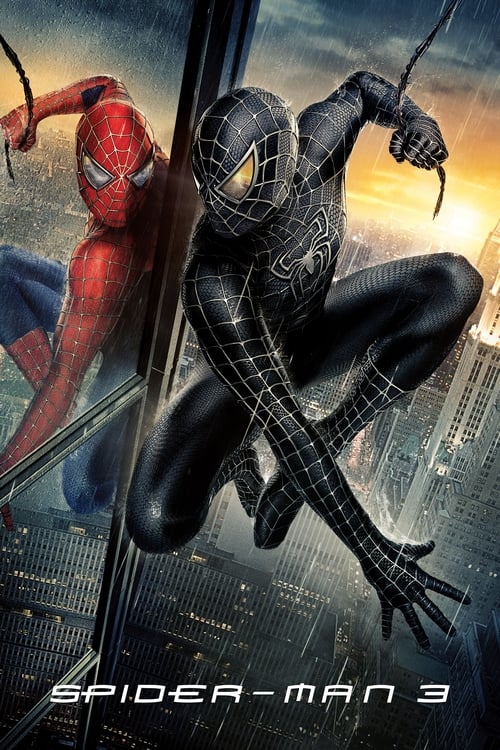
Spider-Man 3 — The Sequel That Ate Itself
Forced to include a villain he never wanted, Raimi delivered the most expensive shrug in studio history.
Updated September 23, 2026
 ★★★★★
Lunara Film Review
No Country for Old Men — The Thriller That Stops Answering
The Coens' McCarthy adaptation keeps subtracting everything a chase picture owes you, and every subtraction is the meaning.
Updated September 23, 2026
 ★★★★★
Lunara Film Review
Knocked Up — Every Joke Is Load-Bearing
The raunchiest studio comedy of its decade is also the last great American movie about deciding to grow up.
Updated September 23, 2026
 ★★★
Lunara Film Review
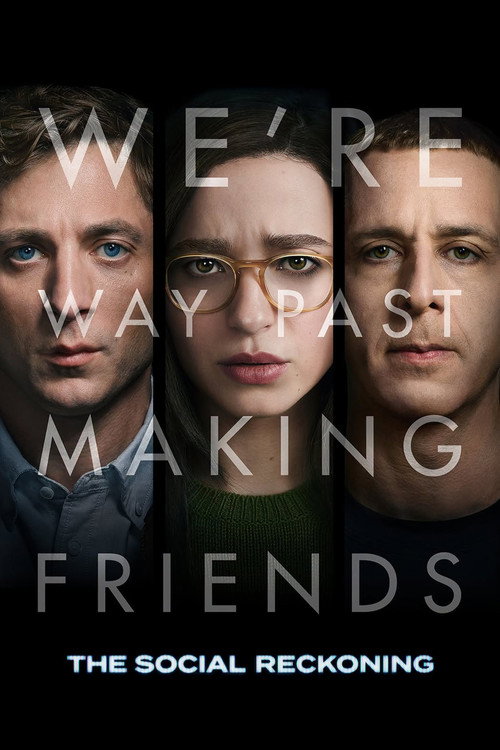
The Social Reckoning – A Procedural Without a Pulse
Aaron Sorkin's The Social Reckoning trades Fincher's kinetic tragedy for a dry, well-acted Facebook procedural that informs rather than shatters.
 ★★½
Lunara Film Review
Misty Green – The Price of Second Acts
Chris Rock's Misty Green is an ambitious, tonally fractured Hollywood satire rescued only by Rosalind Eleazar's smoldering musical defiance.