

Spider-Man 3, 2007
Spider-Man 3 — The Sequel That Ate Itself
Movie Review
Handed a villain he never wanted, Raimi delivered the most expensive shrug in studio history.
There is one sequence in Spider-Man 3 that belongs beside anything in the first two films, and it has no dialogue and no hero anywhere near it. Flint Marko, hours out of a prison break, stumbles into a particle-physics test pit and is atomized, and Raimi holds on what comes after for a full, patient minute: a pile of sand trying to become a man. The mass heaves upward, shapes a torso, collapses. It tries again. It fails again. What finally gives it a spine is not willpower. It is a locket with a photograph of his sick daughter inside, and the sand strains itself around that picture into a shape that can hold it, grief ground down to grains and reassembling into a father. Christopher Young’s score mourns instead of menacing. It is among the most beautiful passages Raimi has directed in any genre, and it sits in the middle of a franchise coming apart like a diamond in a junk drawer. That scene is the movie this could have been. It is also the fairest evidence against the wreck this actually is, because it proves nobody involved forgot how to do it. They were just not allowed to.
The wreck has a paper trail. Raimi wanted a contained third film: Sandman, the Harry Osborn reckoning, forgiveness as the closing theme. The studio, through producer Avi Arad, insisted on Venom, a character Raimi openly did not understand or like. What shipped is malicious compliance at blockbuster scale. Three villains split two films’ worth of runtime. A black-suit arc plays at the tonal register of a variety show. And the story leans its full weight on coincidence at every joint. A meteorite lands within crawling distance of Peter’s moped. Eddie Brock’s downfall runs perfectly parallel to Peter’s life three separate times, girlfriend, job, rival, all by pure schedule, as if fate were reading the call sheet.
Then comes the film’s true self-inflicted wound. Marko, we are told, was the real killer of Uncle Ben. One line of retcon, and the moral spine of the 2002 film snaps. The thief Peter spitefully let pass, the responsibility lesson that built the character from the ground up, all of it becomes a clerical error. A franchise founded on the sentence Peter caused this simply uncauses it, and it does so for nothing grander than one act’s worth of manufactured rage. Every other bad choice in this movie is a compromise. That one is vandalism of its own foundation, and it is the only decision in the trilogy that feels like it.
And then there is the stretch nobody who saw it in 2007 has been allowed to forget. Symbiote Peter, hair combed into a fringe of menace, finger-gunning strangers down the sidewalk, strutting into a jazz club to humiliate MJ with a dance number. The internet has spent two decades converting Bully Maguire into beloved camp, and the affection is real, but it is affection for a malfunction. Read generously, the sequence is Raimi’s actual joke: the alien suit makes Peter Parker’s idea of cool, and Peter Parker’s idea of cool is jazz hands. A nerd’s darkness, rendered honestly as cringe. That joke defensibly lands. What cannot be defended is where the sequence ends. Peter strikes MJ, a genuinely ugly beat the film has not built the gravity to hold, and it arrives between comedy numbers like a car crash at a recital. The movie cannot carry the vaudeville and the violence on the same chassis, and after that slap it never regains the authority to tell you how to feel about either one.
Everything after runs on fumes and obligation. Topher Grace works hard at a Venom the director’s disinterest has already starved; the character gets one church scene of genuine Raimi horror and is otherwise a placeholder with teeth. The construction-site finale is weightless digital clutter, staged, in the film’s most exhausted irony, around a news broadcast praising the spectacle we are failing to feel. Harry’s redemption and death, the last emotional thread the trilogy has left, gets resolved by a butler who has apparently known the truth for two entire films and chooses this moment to mention it, a deus ex machina so brazen it plays like the screenplay surrendering in writing. And yet the very last scene, wordless, is honest again: Peter and MJ swaying in a jazz bar, holding each other with no music left between them, two people dancing in the ruins of everything three films promised. Raimi could not save the movie. He declined to fake the ending, and that small honesty counts.
The final accounting is grim but not worthless. Spider-Man 3 killed its franchise; Raimi’s fourth film died in development within months, and the reboot assembly line that followed learned exactly the wrong lesson, blaming ambition when the culprit was interference. The truth sitting in the wreckage is this: the Sandman half of this film, grief, forgiveness, a father made of dust straining to hold a photograph, was a worthy end to the trilogy, and you can watch it flicker in and out of existence between mandates. That flickering is the real tragedy here, and the only lasting lesson. A franchise can survive a bad villain. It cannot survive a director being handed one at gunpoint.
Lunara Film Debrief
- Score:★★
- Year:2007
- Where to Watch:
Theme Echo
What is this film really about — and who else has said it?
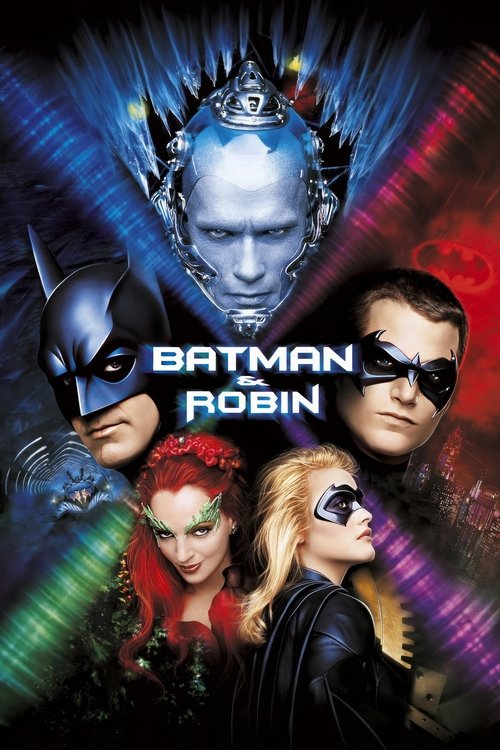
Batman & Robin (1997)
The other franchise-killing third-generation sequel built by committee: villain quotas, toy-line mandates, a director's sensibility curdling under orders. Watched back to back, they make a two-part seminar on how studios kill the thing they are milking.

Counter Program
What is the strongest argument against it?
Spider-Man: Into the Spider-Verse (2018)
Proof that villain abundance and tonal whiplash are craft problems, not fatal ones: six Spider-people, four registers, total coherence. Everything this film drops, that film juggles, and the difference is that nobody forced anything into it.
Career Context
Where does this sit in the artist's story?
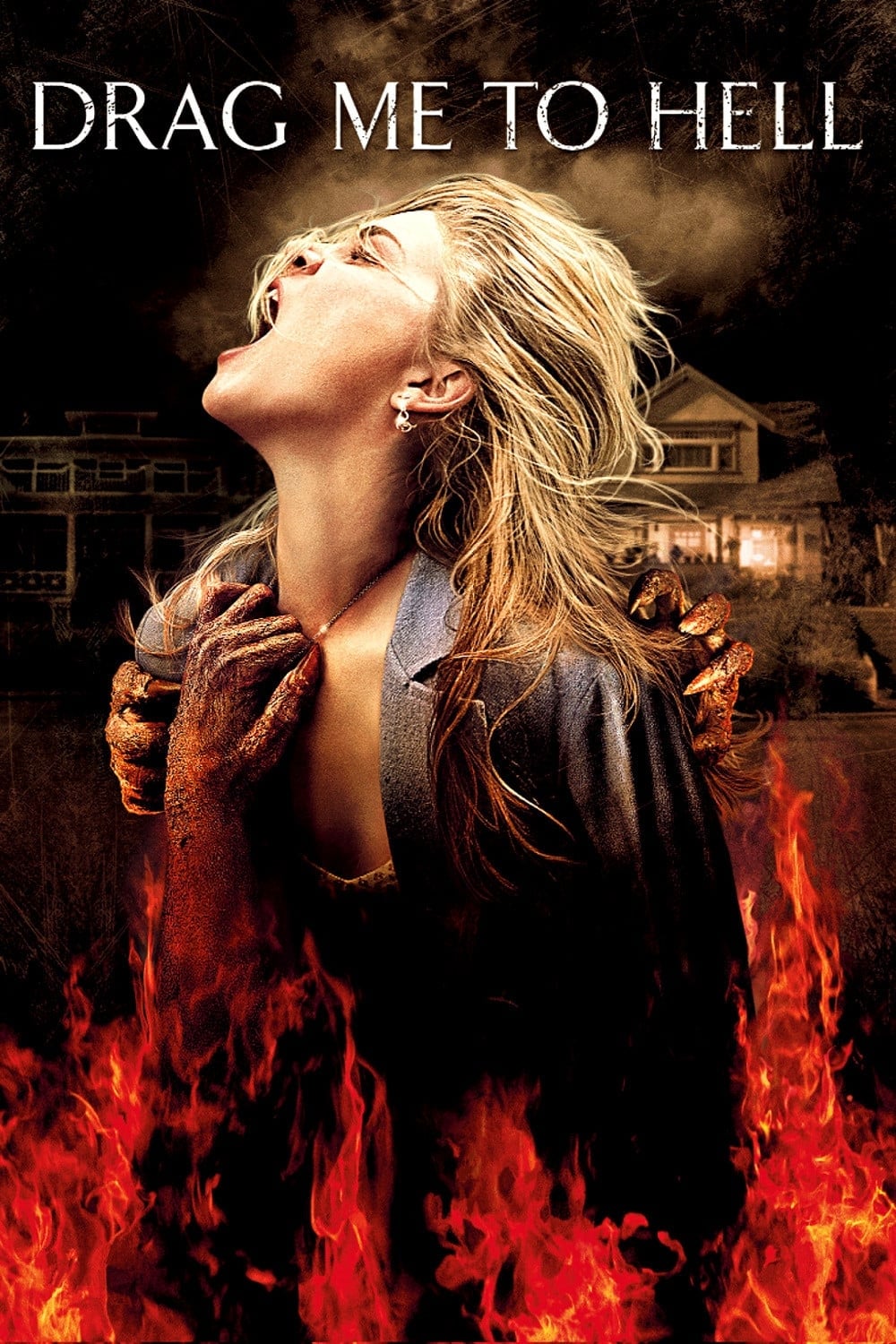
Drag Me to Hell (2009)
What Raimi made immediately after walking away: lean, vicious, gleeful horror with zero committee fingerprints. The palate cleanse as career statement, and the clearest possible evidence of which parts of Spider-Man 3 were never his.
More Lunara Film Criticism
Further Reading
 ★★★
Lunara Film Review
Doctor Strange in the Multiverse of Madness — The Horror Director Won
Marvel hired a horror director for a corporate slot, and for about forty glorious minutes the horror director won.
Updated September 23, 2026
 ★★★★
Lunara Film Review
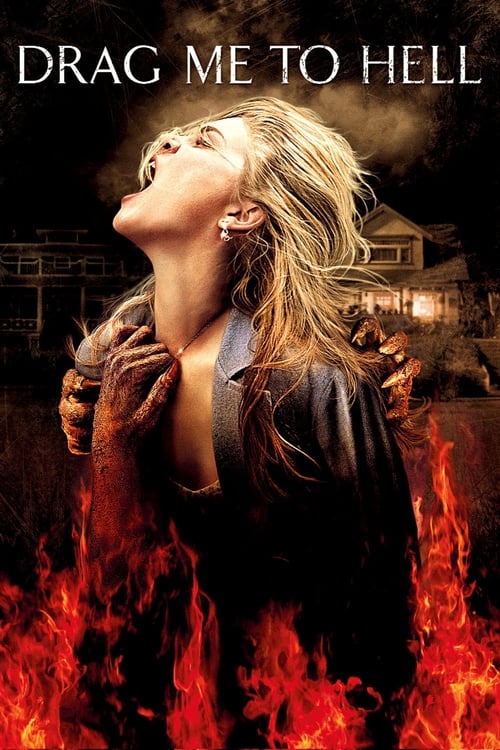
Drag Me to Hell — Damnation for a Desk Decision
Sam Raimi's meanest joke is the exchange rate: one workaday compromise, priced at eternity.
Updated September 23, 2026
 ★★★★
Lunara Film Review
Army of Darkness — Three Words He Couldn’t Learn
Ash finally gets a destiny, a prophecy, and a kingdom to save, and dooms it because he couldn't be bothered to memorize three syllables.
Updated September 23, 2026
 ★★★★★
Lunara Film Review
Spider-Man 2 — The Hero Who Tried to Quit
The best superhero film ever made is about a man whose own body files a resignation letter.
Updated September 23, 2026
 ★★★★
Lunara Film Review
Darkman — A Ghost in Borrowed Faces
Sam Raimi's first studio picture admits what every origin story hides: the mask does not conceal the man, it replaces him.
Updated September 23, 2026