

Spider-Man 2, 2004
Spider-Man 2 — The Hero Who Tried to Quit
Movie Review
The best superhero film ever made is about a body that stops saying yes.
Somewhere in the second act, Spider-Man jumps off a building and drops into an alley like a sack of laundry. The webs would not fire. He limps home in costume, back aching, and here is the thing that makes the movie great: nothing supernatural has happened to him. No villain siphoned his powers. No meteor rock glows in a lead box. His body has simply stopped consenting. That is the most radical premise a franchise blockbuster has ever been handed, a hero trying to resign, and Sam Raimi grounds it not in cosmic stakes but in psychosomatic revolt, the kind any exhausted person recognizes from the inside.
Look at what Peter Parker’s life actually is when the powers start guttering. He is failing college. He gets fired from a pizza delivery job in the funniest sequence in the film. He is watching MJ get engaged to an astronaut. He cannot make rent on a room roughly the size of his own guilt. And his gifts desert him the way sleep deserts the anxious, which is to say at the worst possible moments, for no reason a doctor could chart. Every superhero movie before and since asks whether the hero will win. This one spends its entire middle asking whether the job is survivable, and it answers honestly: not like this.
So he quits, and the stretch where he quits is still the most quietly subversive passage in the whole genre. The costume goes into a garbage can, and Raimi frames the image like a religious apostasy, a man leaving the faith. Then, to Raindrops Keep Fallin’ on My Head, a montage of ordinary happiness: Peter walking past a mugging he does not stop, eating a hot dog, acing class, seeing MJ. Raimi plays it as comedy and means it as temptation, and both readings are true at once. Because the film understands something its own franchise would rather not say out loud. The fantasy at its heart was never swinging between towers. The fantasy is a life where you are allowed to keep what you love. The movie lets Peter taste that life just long enough that you start wanting it for him, and then it sets a fire, because its other great insight is that conscience is not a decision. Conscience is a reflex. It survives resignation.
On the other side of the ledger stands Alfred Molina’s Otto Octavius, the finest villain the genre has produced, because he is its most complete tragedy. A decent, warm, uxorious scientist, all generosity and Eliot quotations in the dinner scene with Peter, whose one flaw is certainty and whose punishment is the film’s cruelest irony: the fusion experiment kills his wife, and the mechanical arms fused to his spine start whispering to the grief. Raimi announces his horror credentials in the hospital sequence, shot pure Evil Dead, surgeons’ point of view, chainsaw grammar, screams in the dark, and then spends the rest of the film holding Otto back from becoming a monster entirely. And it is here, in a film this beloved, that the seams show, so let me be exact about it. The arms are governed by an inhibitor chip. Its destruction explains the villainy, and at the climax its memory is restored by little more than Peter’s speech and Otto’s own buried decency. I will not die a monster, he says, and it lands, Molina makes it land, but the film has just flipped in one line a switch it spent two hours calling broken. The tidiness is visible. Molina’s conviction is the putty over the seam.
Between those poles runs the best action filmmaking of the genre’s first decade, and the train sequence is its summit for reasons that have nothing to do with choreography. Peter, unmasked by necessity, stops a runaway elevated train with his whole body, arms out in cruciform, suit tearing, and passes out. The passengers catch him. They pass him overhead, hand to hand, laid out like a casualty of a war fought on their behalf, and when he wakes up surrounded, a kid hands back his mask, and two men step forward when Ock returns: you want to get to him, you gotta go through me. The whole thing lasts a minute. It answers the cemetery loneliness of the first film completely. The city Peter serves anonymously finally holds him, literally, in its hands, and asks nothing in return. Raimi shoots New Yorkers the way other directors shoot armies, and every subsequent superhero movie about the people down on the street has been trying to restage this scene ever since. None has come close.
Then the ending does what this series always does: it pays hope out and clips a fuse to it. MJ, still in her wedding dress, chooses Peter, inverting the film’s central line as she does it, isn’t it about time somebody saved your life. And the final shot holds on her face at the window as he swings away, joy cooling into the exact expression of a woman calculating what she has just signed. Even at his most romantic, Raimi will not sell the fantasy whole.
Spider-Man 2 is the pinnacle of its genre because it is the only entry that took seriously every cost its premise implies, rent, body, love, identity, and still arrived at yes. That yes weighs more here than anywhere else in superhero cinema. The film priced it first.
Lunara Film Debrief
- Score:★★★★★
- Oscar Ledger3 nominations • 1 wins
- Year:2004
- Where to Watch:
Theme Echo
What is this film really about — and who else has said it?
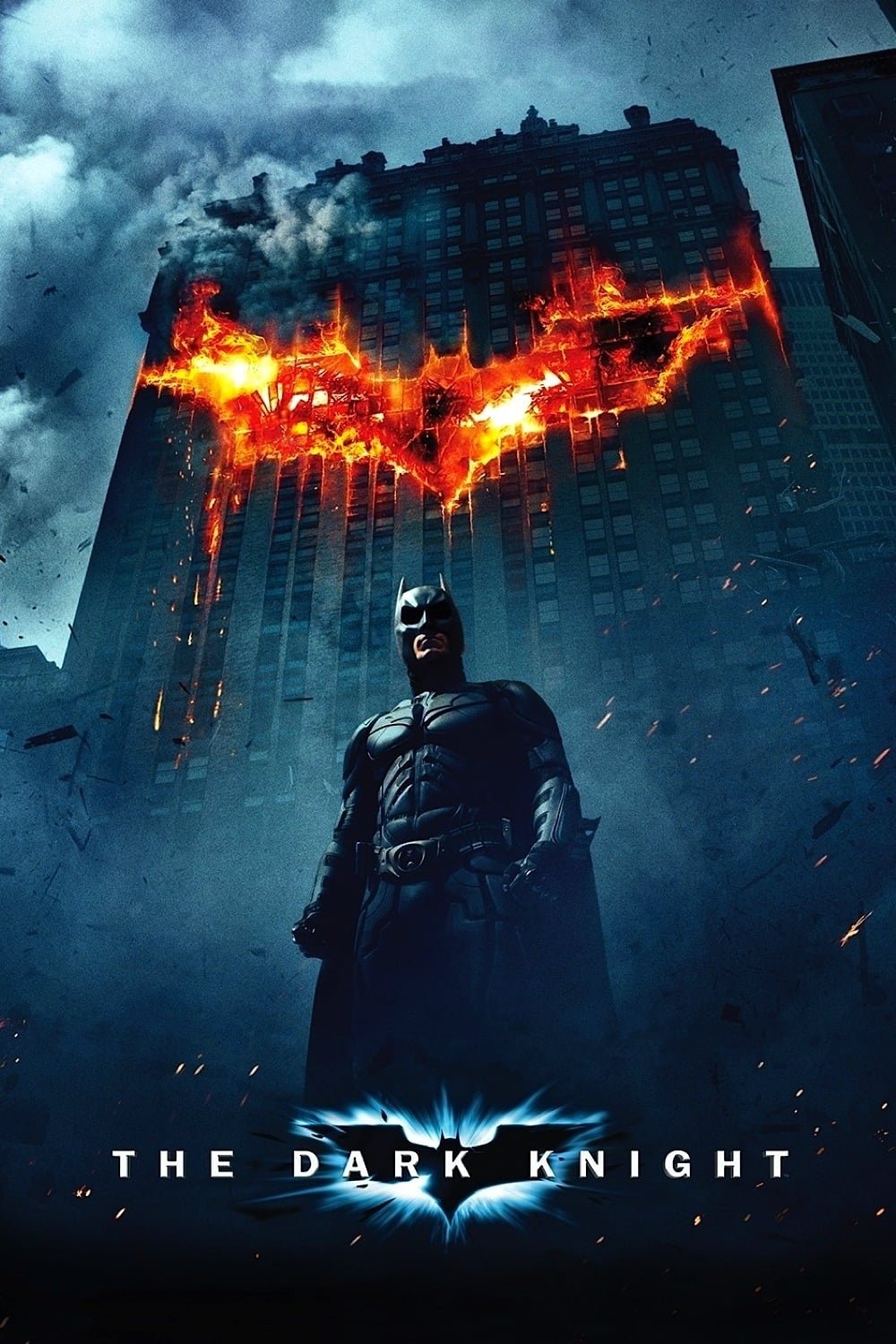
The Dark Knight (2008)
The other summit of the genre, and the perfect contrast: Nolan's masterpiece is about what the mask costs a city, Raimi's about what it costs a body. Institutions versus rent money. Both films end with the hero absorbing a lie so other people can live inside it.
Counter Program
What is the strongest argument against it?
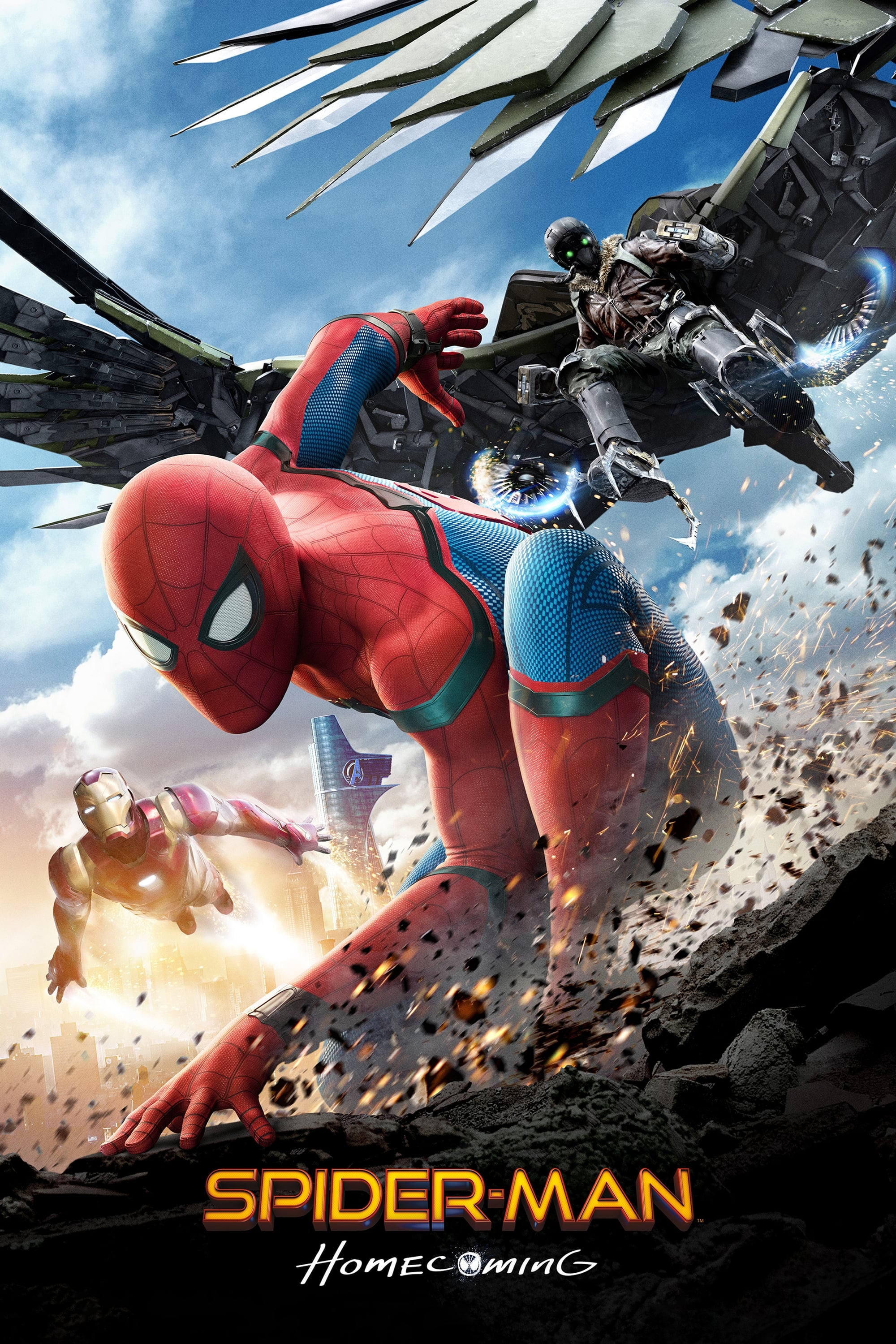
Spider-Man: Homecoming (2017)
The same character rebuilt with the suffering surgically removed: a billionaire mentor, a suit with an AI, problems a hug can fix. Charming on its own terms, and the exact measurement of what the genre traded away after Raimi.

Career Context
Where does this sit in the artist's story?
Evil Dead II (1987)
The skeleton key to Raimi's Peter Parker: Ash Williams, the original Raimi protagonist, battered, humiliated, and dismembered by forces that seem personally offended by him. The hospital scene is the receipt; the whole trilogy's physical comedy of suffering was invented in that cabin.
More Lunara Film Criticism
Further Reading
 ★★★
Lunara Film Review
Doctor Strange in the Multiverse of Madness — The Horror Director Won
Marvel hired a horror director for a corporate slot, and for about forty glorious minutes the horror director won.
Updated September 23, 2026
 ★★★★
Lunara Film Review
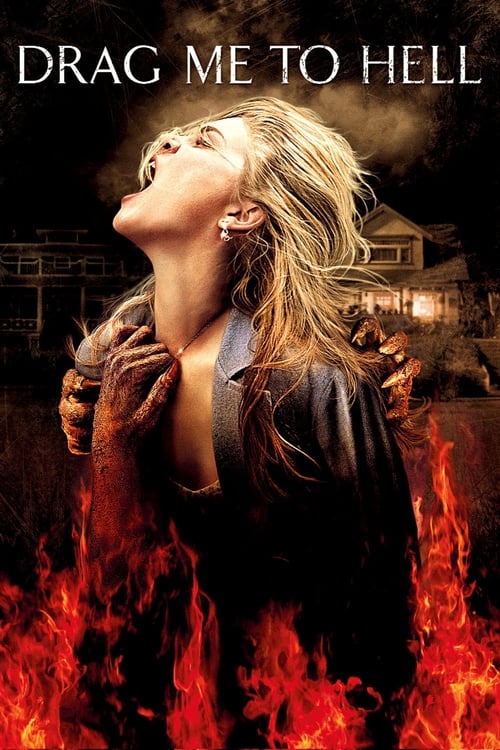
Drag Me to Hell — Damnation for a Desk Decision
Sam Raimi's meanest joke is the exchange rate: one workaday compromise, priced at eternity.
Updated September 23, 2026
 ★★★★
Lunara Film Review
Army of Darkness — Three Words He Couldn’t Learn
Ash finally gets a destiny, a prophecy, and a kingdom to save, and dooms it because he couldn't be bothered to memorize three syllables.
Updated September 23, 2026
 ★★
Lunara Film Review
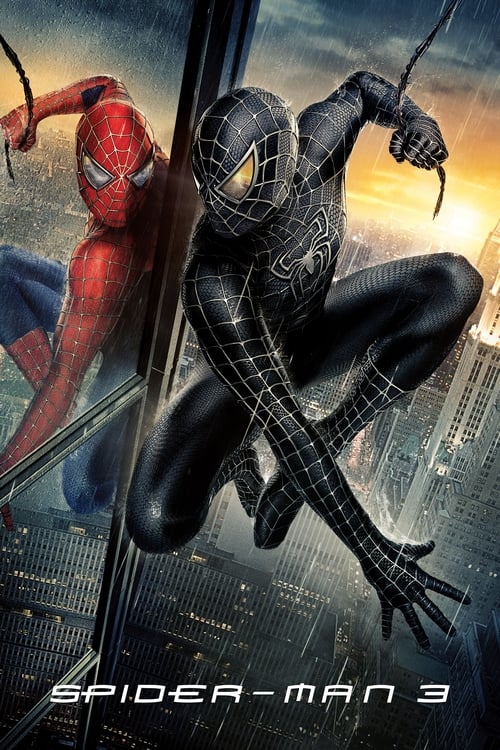
Spider-Man 3 — The Sequel That Ate Itself
Forced to include a villain he never wanted, Raimi delivered the most expensive shrug in studio history.
Updated September 23, 2026
 ★★★★
Lunara Film Review
Darkman — A Ghost in Borrowed Faces
Sam Raimi's first studio picture admits what every origin story hides: the mask does not conceal the man, it replaces him.
Updated September 23, 2026