

Evil Dead II, 1987
Evil Dead II — The Cabin Learns to Laugh
Movie Review
The demons are a side problem; the real menace is a movie that has decided its hero’s pain is the funniest thing it has ever seen.
There is a moment halfway through Evil Dead II when Ash Williams loses an argument with the furniture, and it tells you everything about what kind of film you are inside. He has buried his girlfriend. He has fought his own severed hand. He has painted a wall with what used to be a friend. He stands swaying in the cabin’s main room, barely a person anymore, and the deer head mounted on the wall starts laughing at him. Then the lamp picks it up. Then the bookshelf, the clock, the whole room, howling in a pitch that sits somewhere between a Saturday cartoon and a nervous breakdown. And Ash, with nothing left to lose, throws his head back and laughs with them. It is one of the strangest scenes in American horror, and it is the film’s heart laid bare: the moment a movie turns to its own protagonist and admits, out loud, that it finds his suffering hilarious.
That admission is the whole invention. The first Evil Dead was a physical ordeal, a freezing Tennessee shoot transcribed more or less directly onto film, and it hurt to watch because it visibly hurt to make. The sequel, arriving six years later with Dino De Laurentiis’s money and an actual crew, swaps the assault for mockery, and the mockery carries the weight. Raimi compresses the first film into a few minutes of recap, wipes the slate clean, and runs the same night again as farce, with Bruce Campbell recast from victim to cosmic punching bag. The word the movie coined for its own mode is splatstick, and the balance is finer than the coinage sounds. The comedy does not soften the violence. The comedy is the delivery system. It gets the violence past your defenses before your judgment can show up for work. An eyeball sailing across a room into a screaming mouth should send you out of the theater; timed like a Three Stooges gag, it lands a beat ahead of your disgust, and you are laughing at a thing you would have flinched from if the film had given you half a second more.
The centerpiece is the hand. Bitten by his possessed girlfriend, Ash watches his own right hand go over to the enemy, and Raimi stages the fight as pure silent-era slapstick. The hand breaks plates over his skull. It drags his unconscious body across the floorboards toward a waiting cleaver. Campbell hurls himself into cabinets and flips heel over head with a stuntman’s cheerful contempt for his own spine. When Ash finally traps the thing under a bucket and takes the chainsaw to his own wrist, the film has said its piece by the most literal route it could find: this is a man forced to take himself apart in order to keep living, and the movie plays it for a laugh precisely because it is the cruelest image on screen. The severed hand flips him off as it scurries away. Groovy comes an hour later, spoken by a man with almost nothing left of the person who might once have said it as a joke.
Campbell is the special effect no budget line accounts for. He spends the film thrown, soaked, possessed, and turned upside down, doing mime work of real silent-comedy pedigree at horror-movie tempo, and through all of it his face keeps performing the one task the picture cannot live without: registering, honestly, what each new humiliation costs him. The chin, the swagger, the whole icon Ash would become, you can watch being assembled piece by piece, and the film never lies about the raw material. The wisecracking hero who straps a chainsaw to his stump in the last act is not an empowerment arc. He is scar tissue with a catchphrase. He survived a universe that would not stop hitting him by becoming the joke before the joke could become him.
Say plainly what the reinvention costs, because it costs something real. In resetting the first film, the sequel trades away its dread, all of it, and dread never comes back. Linda, whose slow corruption gave the original its heartbreak, is here a prop with a tutu and a chainsaw scene. And once the movie establishes that anything can happen to Ash and none of it will truly land, the stakes thin out to vapor. Evil Dead II is never once frightening. That is a choice, made with open eyes, and it surrenders the one register the first film owned outright. You do not fear for anyone in this cabin. You lean forward to see what the room will do to him next.
But what the room does has no equal. No film before or since has held this exact frequency, horror and comedy not taking turns but occupying the same frame in the same instant, the camera whip-panning and crash-zooming with a drummer’s timing, a haunted house that behaves like a director who loves his lead the way a cat loves a mouse. Evil Dead II proves that tone is an instrument you can play, not a lane you have to pick, and every horror-comedy since has been covering this song, usually flat. The cabin laughs. Ash laughs back. By the time the vortex takes him, the point has landed twice over: in Raimi’s universe, the only sane answer to cosmic malice is a punchline, and the punchline will not save you either.
Lunara Film Debrief
- Score:★★★★★
- Year:1987
- Where to Watch:DigitalFind Digital OptionsAvailability4K UHD disc
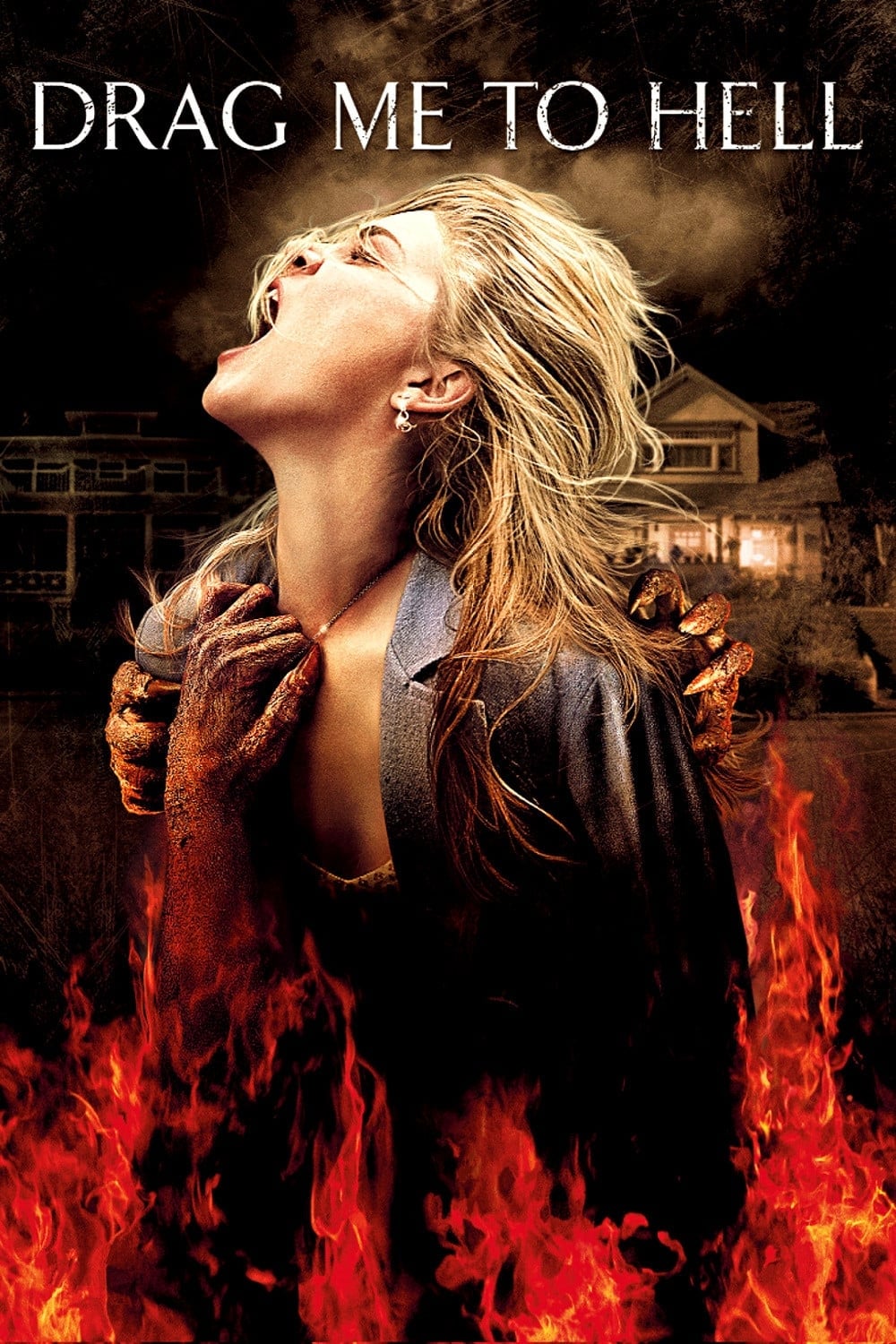
Theme Echo
What is this film really about — and who else has said it?
Drag Me to Hell (2009)
Raimi's late return to the mode, a loan officer standing in for Ash: the same cosmology of wildly disproportionate punishment, the same conviction that a curse gets funnier the harder it hits.
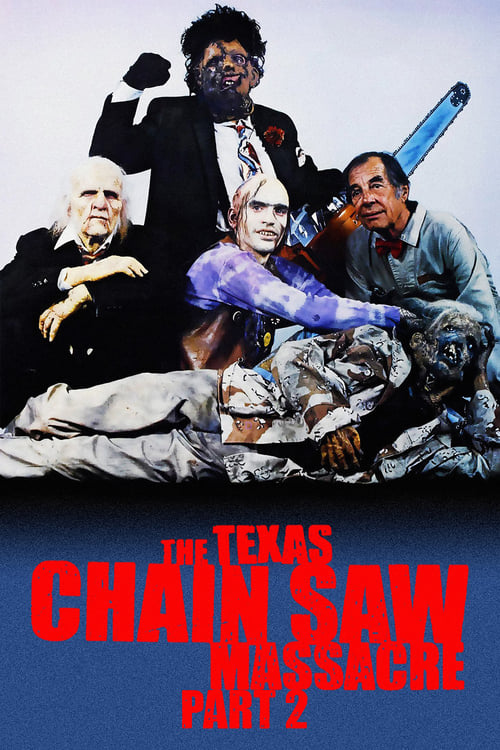
Counter Program
What is the strongest argument against it?
The Texas Chainsaw Massacre 2 (1986)
Hooper made the same pivot one year earlier, sequel as grotesque comedy, and setting them side by side clarifies both: Hooper's laughter is a sneer aimed at his own audience, Raimi's is an arm around his hero's shoulders on the walk to the woodshed.
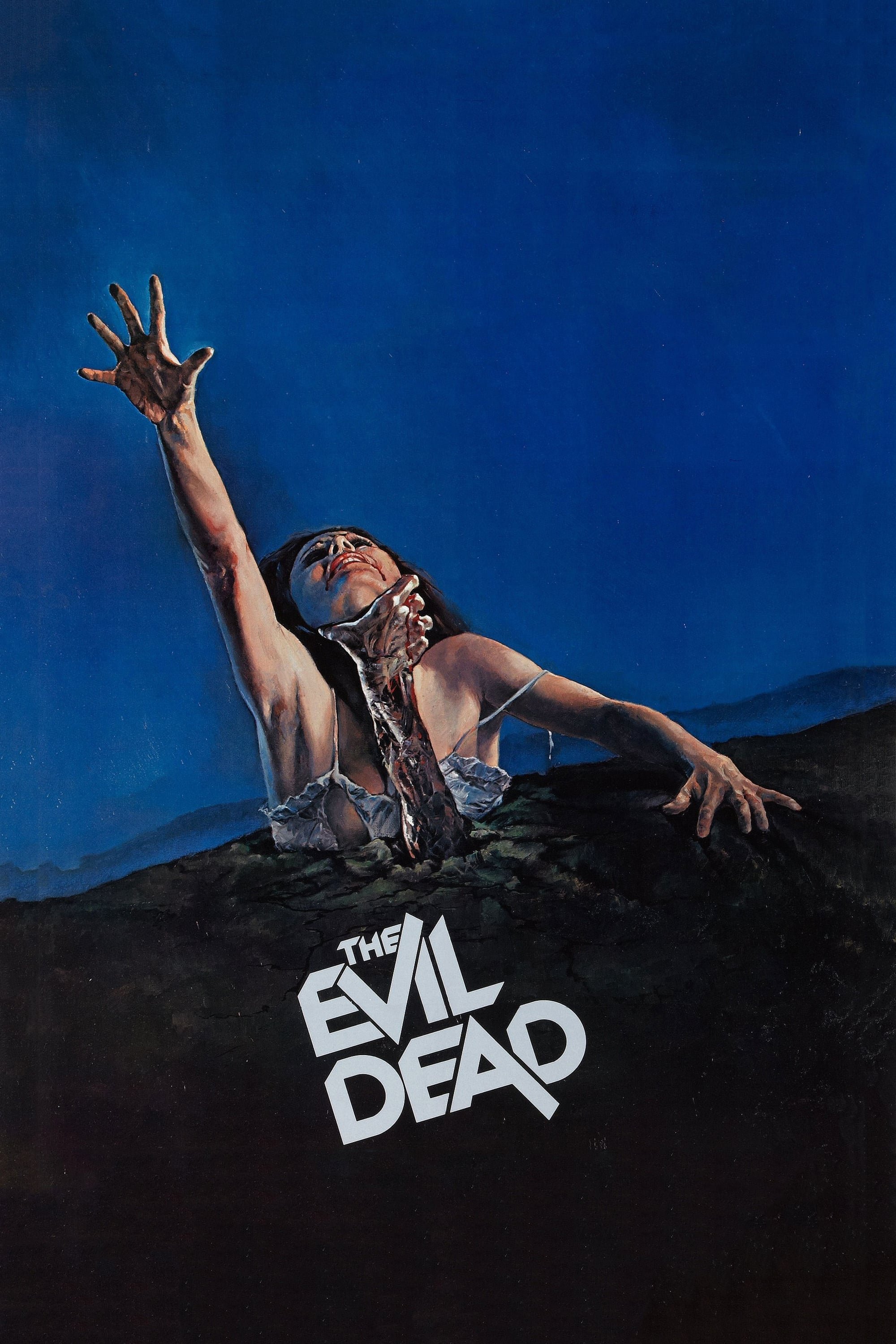
Career Context
Where does this sit in the artist's story?
The Evil Dead (1981)
The original ordeal, played straight. Watch them in order and you can see the exact hinge where Raimi realized the material's cruelty and its comedy were the same muscle, and built a career on the discovery.
More Lunara Film Criticism
Further Reading
 ★★★
Lunara Film Review
Doctor Strange in the Multiverse of Madness — The Horror Director Won
Marvel hired a horror director for a corporate slot, and for about forty glorious minutes the horror director won.
Updated September 23, 2026
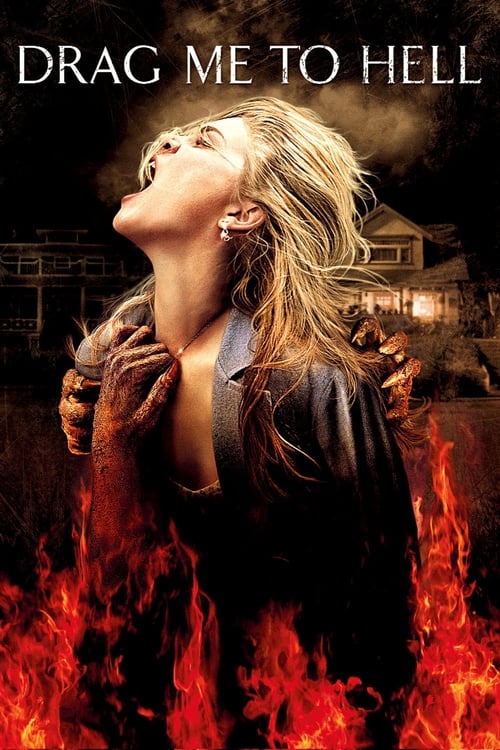 ★★★★
Lunara Film Review
Drag Me to Hell — Damnation for a Desk Decision
Sam Raimi's meanest joke is the exchange rate: one workaday compromise, priced at eternity.
Updated September 23, 2026
 ★★★★
Lunara Film Review
Army of Darkness — Three Words He Couldn’t Learn
Ash finally gets a destiny, a prophecy, and a kingdom to save, and dooms it because he couldn't be bothered to memorize three syllables.
Updated September 23, 2026
 ★★
Lunara Film Review
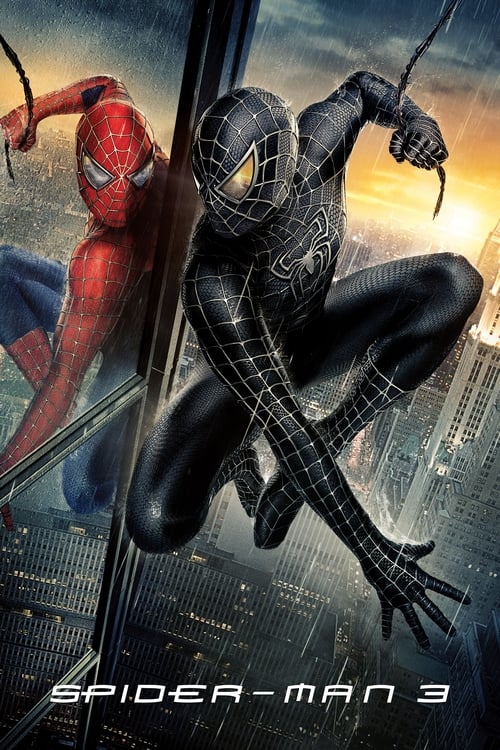
Spider-Man 3 — The Sequel That Ate Itself
Forced to include a villain he never wanted, Raimi delivered the most expensive shrug in studio history.
Updated September 23, 2026
 ★★★★★
Lunara Film Review
Spider-Man 2 — The Hero Who Tried to Quit
The best superhero film ever made is about a man whose own body files a resignation letter.
Updated September 23, 2026