

The Evil Dead, 1981
The Evil Dead — Punishment Without Crime
Movie Review
Curiosity is the capital offense here, and the sentence starts before anybody knows they were on trial.
Nobody in this cabin signs anything in blood. Nobody lights a candle or calls a spirit by name. Five kids from Michigan State poke around a moldering cabin in the Tennessee woods, one of them finds a professor’s tape recorder, and he presses play. That is the whole crime. A dead man’s voice reads a passage from a book bound in human skin, and somewhere out in the dark trees something that has been waiting a very long time opens its eyes. There is no pact in The Evil Dead, no seance, no hubris worth punishing. Most horror movies discipline transgression; they wait for the sin and then collect. Sam Raimi’s first feature punishes attendance. You showed up. That was enough. Watching it, you feel the unfairness of that in your chest, and the unfairness is the horror.
I want to be plain about why this movie still hurts, because the reason is not a trick. The misery on screen is real. Raimi was twenty years old when he hauled his cast and crew to an actual abandoned cabin outside Morristown, Tennessee, in the winter of 1979, a place with no plumbing and no heat, and he kept them there while the schedule fell apart and the temperature kept dropping. Crew members quit in waves. So many of the original actors walked before the finish that Raimi completed the picture by burying friends and relatives under latex and calling them fake Shemps, a term he lifted from the Three Stooges, who once had to shoot around a dead man. Bruce Campbell stayed for all of it, and you can see that the film knows the difference. What the camera catches in that cabin is real cold, real exhaustion, a group of young people scraped down to the raw nerve. Which happens to be, word for word, the story the movie is telling. The suffering and the fiction are the same footage.
Here is the film’s one great discovery, the thing it understood before almost anyone else: you never see the monster because the monster is the camera. Those famous rushing shots were made by bolting the camera to a two-by-four and having two men sprint through the woods holding the ends, and no amount of money has ever improved on the result. The lens charges the cabin. It smashes through windows. It pours downhill at the height of something running on all fours, and you are not watching a predator, you are riding inside one, feeling the branches go by. Every horror filmmaker since has borrowed this grammar, and nearly all of them miss why it works. Raimi’s version is genuinely out of control, a camera moving faster than any human being could compose a frame, and that is what makes it read as appetite instead of technique. You cannot fake hunger with a dolly.
And what the hunger wants is rot. Once the possession begins, the movie settles into its true subject, which is watching people liquefy in front of the person who loves them. The Deadites do not simply attack. They curdle. Milk-eyed, giggling, wearing borrowed faces and borrowed voices, they work on Ash from the inside, and the cruelest thing in the picture is not a wound. It is Linda sitting up in the moonlight, singing we’re going to get you in a nursery singsong, because gore only costs these characters their bodies and that song is after something else. By the end the film hands Ash a shovel and asks him to dismember his own girlfriend, and Campbell, who is not yet a comedian and not yet an icon, plays it as pure reaction: a decent, ordinary face taking in the news that survival will mean doing the worst things he can imagine to the people he drove here with. No final-girl grammar. No cleansing, no lesson. The sun comes up and the movie takes him anyway.
Fairness requires saying where the picture falls short of its own ferocity, and it does, twice. The characters are kindling, written thin because the film needs them lit, and every time the screaming stops you feel how little is there. Worse is the notorious scene in which the woods themselves assault Cheryl. Everywhere else the cruelty has craft under it; there, the cruelty is the entire content. Raimi himself later called the scene unnecessarily gratuitous, and he is right to wince. It is the one stretch where the sadism has nothing to teach and nothing to show, and the movie survives it only because everything surrounding it is made with such conviction.
And it is made with conviction, down to the last dollar. Watch the stop-motion meltdown at the climax, bodies collapsing into decay like time-lapse fruit, and you can feel a young director spending every hour and every cent he has on one belief: that a horror movie should be an ordeal, not an entertainment. The Evil Dead is a primal document of independent filmmaking, the sound of a kid discovering in real time that the camera can be the villain, that malice can be a style, that a cabin full of freezing, exhausted friends can produce something no studio ever could. It ends the only way it can. The one survivor steps out into the morning light, and the force comes howling through the cabin at his turned back, because in this universe the sunrise was never a promise. It was bait.
Lunara Film Debrief
- Score:★★★★★
- Year:1981
- Where to Watch:DigitalFind Digital OptionsAvailability4K UHD disc [essential for the grain]
Theme Echo
What is this film really about — and who else has said it?
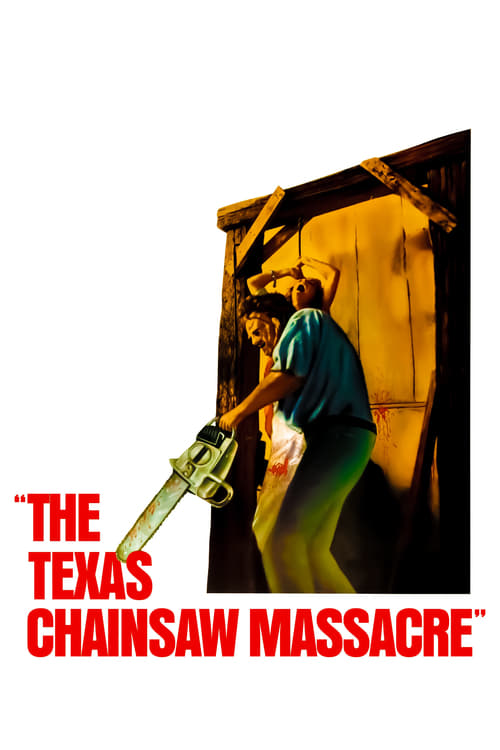
The Texas Chain Saw Massacre (1974)
The other great American horror film built out of heat, dirt, and real suffering on set. Hooper's Texas and Raimi's Tennessee arrive at the same truth from opposite ends of the thermometer: when the production is an ordeal, the frame cannot lie about it.
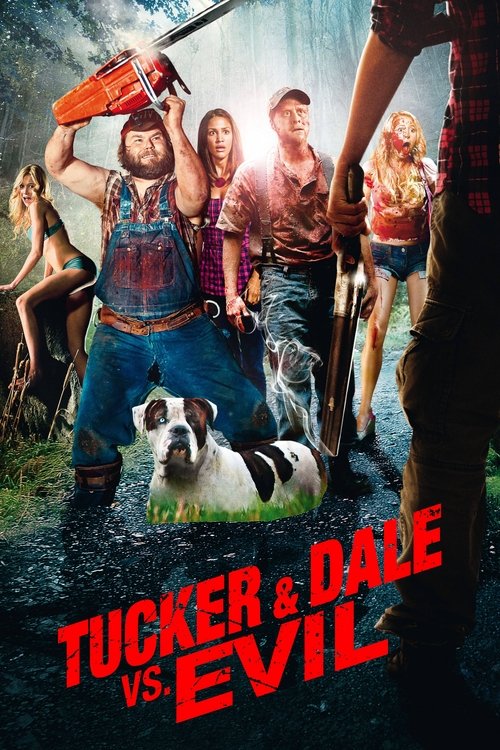
The cabin premise run in reverse, malice swapped out for misunderstanding. Watch it after Raimi and you can measure exactly how much of the cabin genre is choreography and how much is worldview.

Six years later Raimi returns to the same room and turns the scream into a laugh without lowering the cruelty an inch. The two films together are the rare case of a director covering his own song and changing the key, not the notes.
More Lunara Film Criticism
Further Reading
 ★★★
Lunara Film Review
Doctor Strange in the Multiverse of Madness — The Horror Director Won
Marvel hired a horror director for a corporate slot, and for about forty glorious minutes the horror director won.
Updated September 23, 2026
 ★★★★
Lunara Film Review
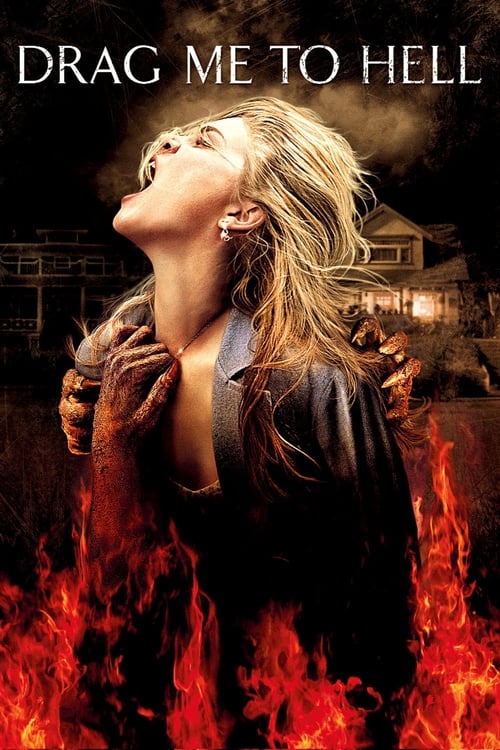
Drag Me to Hell — Damnation for a Desk Decision
Sam Raimi's meanest joke is the exchange rate: one workaday compromise, priced at eternity.
Updated September 23, 2026
 ★★★★
Lunara Film Review
Army of Darkness — Three Words He Couldn’t Learn
Ash finally gets a destiny, a prophecy, and a kingdom to save, and dooms it because he couldn't be bothered to memorize three syllables.
Updated September 23, 2026
 ★★
Lunara Film Review
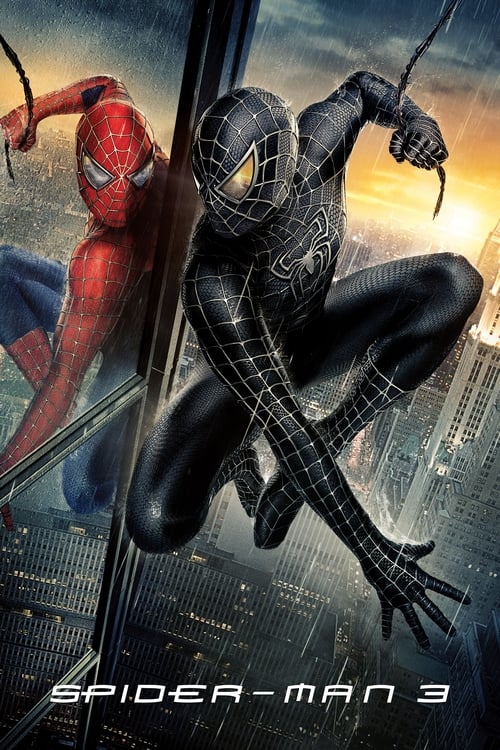
Spider-Man 3 — The Sequel That Ate Itself
Forced to include a villain he never wanted, Raimi delivered the most expensive shrug in studio history.
Updated September 23, 2026
 ★★★★★
Lunara Film Review
Spider-Man 2 — The Hero Who Tried to Quit
The best superhero film ever made is about a man whose own body files a resignation letter.
Updated September 23, 2026