

Spider-Man: Homecoming, 2017
Spider-Man: Homecoming — Smallness Is the Point
Movie Review
The scariest scene Marvel has ever staged is a dad making small talk on the way to a school dance.
Adrian Toomes drives his daughter and her date to homecoming. That is the whole scene. A suburban dad at the wheel, cracking dad jokes, asking the boy in the back seat the polite questions dads ask. And somewhere between the driveway and the gym, Michael Keaton’s face starts doing its quiet, terrible work. A detail lands wrong. Then another. You watch a man connect the nervous kid in his rearview mirror to the masked figure who has been wrecking his operation, and the warmth drains out of his voice in real time, no visible transition, the friendly questions becoming traps while his daughter chatters away in the passenger seat. Then he sends her inside, keeps Peter in the car, and explains, calmly, reasonably, like a contractor walking a client through an estimate, exactly what he will do to everyone Peter loves. And he thanks him. Sincerely. For saving his daughter’s life. It is the best dramatic sequence in the film, one of the best in the whole franchise, and there is not one effects shot in it.
That scene is the movie in miniature. Two big-screen Spider-Men came before this one, and both kept shoving Peter Parker toward operatic significance, as if a kid from Queens needed a cathedral. The problem was never casting. It was never continuity. It was scale. Jon Watts fixes it by building the smallest-stakes entry the franchise has ever made and treating the smallness as the whole point: a coming-of-age comedy that happens to contain a superhero, run on the social physics of an American high school, where the question of who is taking whom to the dance carries more live tension than any alien invasion this series has ever thrown at a skyline.
Tom Holland is why the shrinking works. He brings the one thing neither earlier version had, which is actual youth. He is not a young adult performing adolescence; he moves like a fifteen-year-old, graceless the way a body is graceless when it is still learning its own dimensions, talking too fast, volunteering information nobody asked for, swinging from confidence to mortification inside a single sentence. The sharpest thing in the performance is the eagerness. Peter’s hunger to impress Tony Stark plays as the transparent desperation of a kid chasing a father’s approval from a man constitutionally unable to give it, and Robert Downey Jr. meets him at exactly the right distance: sunglasses on, affection routed through logistics, a mentor handing over the equipment and withholding the wisdom, because presence is the one thing nobody ever modeled for him either. It hurts a little to watch, and it is supposed to.
Keaton’s Toomes is the best villain this franchise has produced outside Thanos and Zemo, and for the same reason those two work: you can trace what he wants from a kitchen table. He is a salvage contractor whose city cleanup job got confiscated by the same institutional order that made the mess in the first place, a working man who watched the system move its protection upward and drew the obvious conclusion. His turn to crime plays as adaptation, not collapse. Keaton gives him a tight jaw, a builder’s physicality, a crew he treats like family, and the film is smart enough to keep his grievance legible all the way to the end, which is exactly why that car ride lands the way it does. The predator was always inside the father. The movie just waits for the light to change.
Around Peter, Watts builds a high school that feels inhabited rather than designed. Midtown’s student body looks like actual Queens without ever announcing it. Jacob Batalon’s Ned plays the best-friend excitement completely straight, thrilled because the situation is genuinely thrilling. Zendaya’s Michelle watches everything from the edges with the dry patience of someone who has decided sincerity is a risk she is not taking yet. And the action stays scaled to the boy. The Staten Island Ferry sequence works not because it is big but because of the failure inside it: a teenager straining, full-bodied, to hold two halves of a ship together with webbing and will, and not being enough. Stark’s rebuke afterward hands the film its whole case in one line, worth quoting exactly: “If you’re nothing without this suit, then you shouldn’t have it.”
Where the film falls short of what it reached for is the finish, in two exact places. First, the climactic plane fight throws away the visual discipline the movie spent two hours earning. After all that daylight clarity, the finale is two dark shapes tumbling past a dark beach at night, and the legibility that made the ferry frightening goes missing at the precise moment the stakes peak. Second, the theme wobbles on its landing. The film’s true climax is Peter under the rubble, buried by Toomes, lifting the concrete off his own back with nothing but himself, the suit lesson learned in the most literal way a movie can stage it. Then the story rewards him for learning he does not need the suit with a better suit. The critique of dependency gets invoiced by the company that sells the hardware, and the film, honest everywhere else, looks the other way and whistles.
Still, look at what this movie actually dares. Its final battle happens on a beach at Coney Island. Its villain is a small-business owner. Its emotional stakes come down to whether a fifteen-year-old will choose a dance or a duty, and those stakes generate more genuine investment than any of the franchise’s planetary extinctions. Homecoming is the clearest proof in the entire series that endless escalation eventually defeats its own purpose, and it proves it by walking the other way: down the scale, into the hallways, where mattering still costs something a kid can understand.
Lunara Film Debrief
- Score:★★★½
- Year:2017
- Where to Watch:
Theme Echo
What is this film really about — and who else has said it?
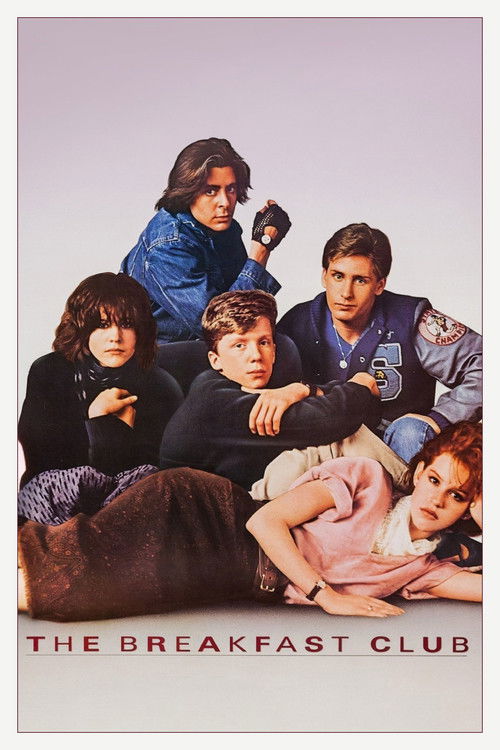
The Breakfast Club (1985)
The Hughes touchstone this film openly reaches for: teenagers taken seriously as interior lives, not plot functions. Watts translates that investment into superhero grammar, and the pairing shows both how little of it survives the trip and how much still does.

Counter Program
What is the strongest argument against it?
Spider-Man 2 (2004)
Raimi's operatic, maximalist take on the same kid, where feeling arrives as grand romantic gesture instead of hallway awkwardness. Each version exposes what the other suppressed: Raimi the ordinary kid, Watts the myth.
Career Context
Where does this sit in the artist's story?
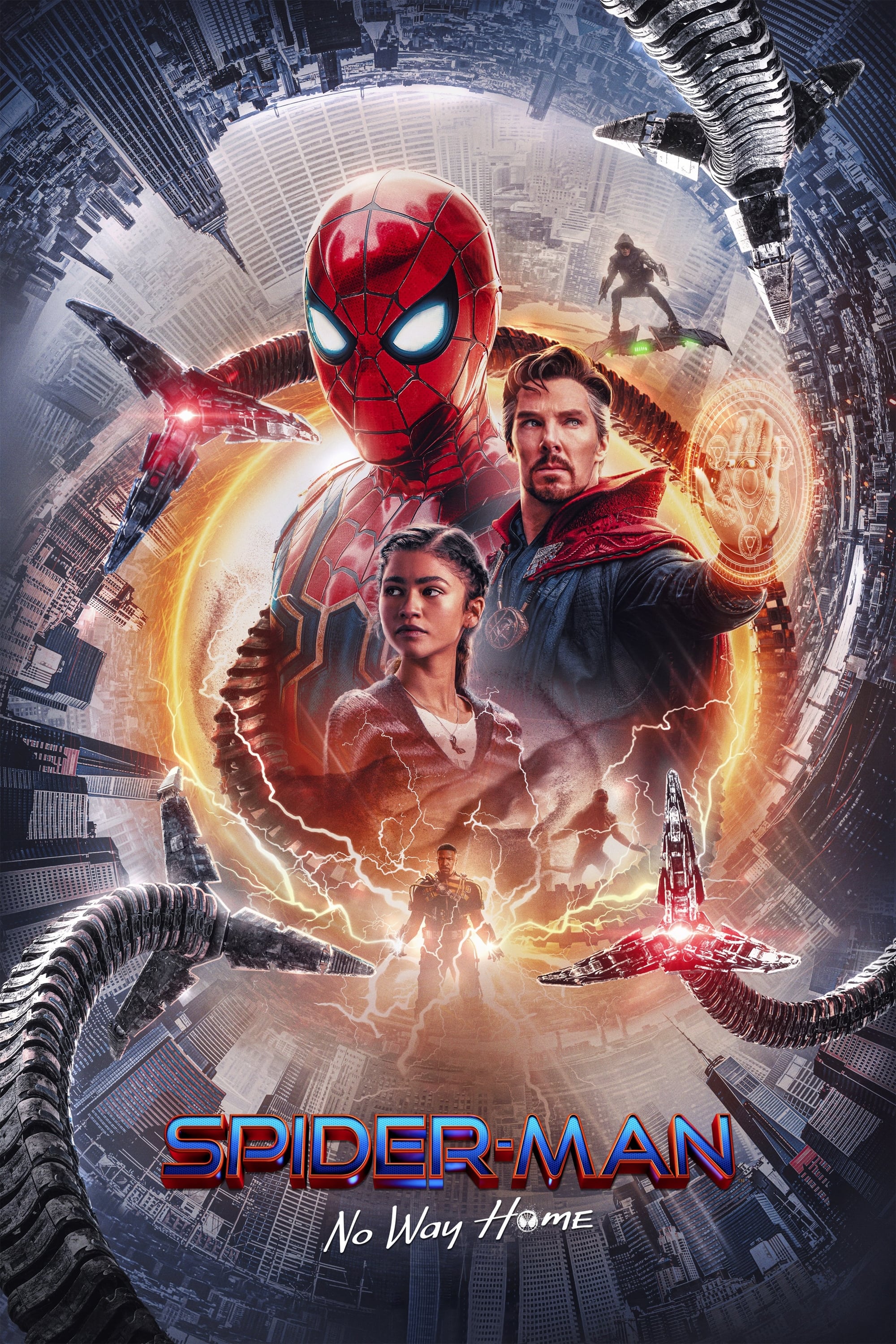
Spider-Man: No Way Home (2021)
The sequel that abandons this film's deliberate smallness for multiverse scale, which makes it the perfect measurement of both the franchise's inability to resist escalation and the foundation Holland quietly poured here.
More Lunara Film Criticism
Further Reading
 ★★★★
Lunara Film Review
Spider-Man: No Way Home — The Machine Has a Heart
The most cynical business plan in franchise history somehow produced a real movie about grief; the tears are genuine even if the till is open.
Updated September 23, 2026
 ★★★½
Lunara Film Review
Spider-Man: Far From Home — The Villain Is a Workflow
Marvel finally built a villain out of its own job description, then beat him with the product.
Updated September 23, 2026
 ★★★
Lunara Film Review
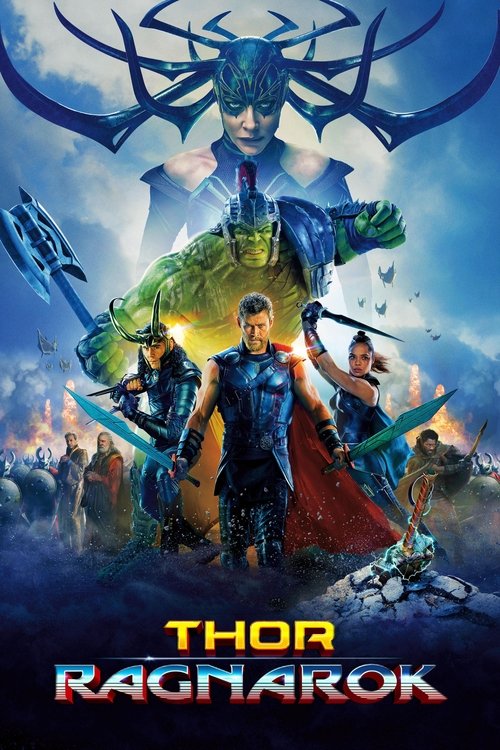
Thor: Ragnarok — Laughing a Beat Too Long
Waititi rescues the franchise's dullest god by burning his world down, then laughs a beat too long at the flames.
Updated September 23, 2026
 ★★★★★
Lunara Film Review
The Florida Project — Summer Is a Feral God
A sunburn of a movie, beautiful and stinging, set in the pastel shadow of the promise machine.
Updated September 23, 2026
 ★★★★★
Lunara Film Review
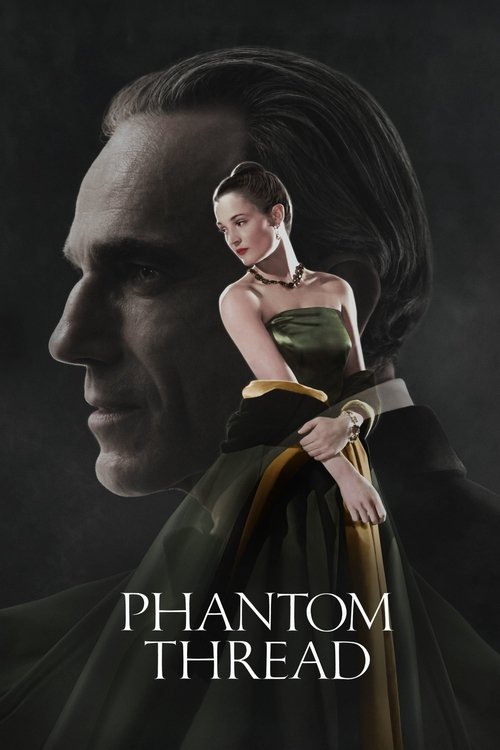
Phantom Thread — The Fine Print of the Vow
Nine years on, Anderson's couture romance stands as the truest film we have about long coupledom: love as a treaty, negotiated in a private language, signed...
Updated September 23, 2026