
Lunara Review
Spider-Man: No Way Home — The Machine Has a Heart
The most cynical business plan in franchise history somehow produced a real movie about grief; the tears are genuine even if the till is open.

The most cynical business plan in franchise history somehow produced a real movie about grief; the tears are genuine even if the till is open.
MJ falls. It happens fast, the scaffolding gives, and the Spider-Man who dives after her is the wrong one, the one from a dead franchise two reboots back, the one who caught nothing the night it mattered most. Andrew Garfield catches her, and the film does the smartest thing it ever does: it stays on his face. He is crying before they land. Not hero relief, something more private, the specific unraveling of a man who has been given, years too late and in the wrong universe, the chance to save the girl he could not save, and who understands the grace of it while it is still happening. For one moment a corporate multiverse crossover stops being an asset-management strategy and becomes an actual second chance, and the theater I saw it in made a sound I have never heard a theater make.
Let me be honest about what this movie is, because the honesty is the interesting part. No Way Home is an act of franchise necromancy, engineered to consolidate two decades of Spider-Man intellectual property from competing studio regimes into a single crowd event. It is manipulative, and the manipulation is calibrated with the precision of a pharmaceutical trial. The strongest case against it writes itself: this is nostalgia as a business model, memberberries at planetary scale, and every tear it produces was projected on a spreadsheet before a frame was shot. All of that is true. And the movie works anyway, works in the chest and not just in the receipts, and the question of how a machine this transparent produces feeling this real is worth taking apart instead of waving away.
The answer starts with a kid who cannot sit still. The inciting catastrophe is the most psychologically credible in the whole franchise: Peter’s identity is public, his friends’ futures are collateral, and rather than absorb the loss like an adult he asks a wizard for a magic eraser and then cannot stop talking while the spell is being cast. Tom Holland plays the panic with physiological specificity, the darting eyes, the shallow breathing, a seventeen-year-old watching his support system burn down in real time with no tools to process the speed of it. The multiverse does not crack open because of cosmic stakes. It cracks open because a teenager fidgeted with something a responsible adult told him not to touch, and that is exactly the right scale for a Spider-Man story.
What comes through the crack is mostly atmosphere, and the film knows it. Sandman and Lizard are weather; Jamie Foxx gets a punch-up and a better exit than his own movie gave him. The structural intelligence is in recognizing which two ghosts deserve the dramatic load. Alfred Molina returns to Doc Ock with all the warmth that made him the gold standard, and plays mentorship instead of menace, an older man recognizing in this new boy the decency he met in another one. And Willem Dafoe turns the picture into a horror film. His Norman splits in two registers, the trembling, genuinely fragile man asking for help, and the thing underneath that finds conscience a cage and freedom from it exhilarating. The apartment fight is the most frightening violence the MCU has staged, Peter thrown through floors by something that is enjoying itself, and Dafoe plays the cruelty not as madness but as liberation. It is assault as character study, and it earns what it sets up: May dying in her nephew’s arms, giving him the responsibility line not as a motto but as a dying woman’s last instruction, and Marisa Tomei playing the smile through the pain because she knows she will not be there for what comes next.
Tobey Maguire walks in like the older brother nobody knew they missed, and his best acting is subtraction: catching Holland’s arm mid-killing-blow, then absorbing the Goblin’s blade himself, holding the younger Peter’s gaze while it happens. Experience as wisdom, no speech required. And then the ending, which is where the film banks everything and wins. The spell that fixes the world costs Peter every person who loves him. Holland’s last scenes, the GED workbook, the bare apartment, the hand-sewn suit, the decision at the coffee counter not to reintroduce himself to MJ because her remembering would cost her more than his loneliness costs him, are the most emotionally mature resolution this franchise has allowed a character. Three movies of a boy borrowing mentors and technology, ended by a young man alone in a walk-up, finally and completely Spider-Man precisely because nobody knows it.
The honest limit stays on the record: the middle hour is a talk-show green room, villains parked on couches waiting for their scenes, and the plot logic of curing multiversal psychosis with chem lab pep talks does not survive a minute’s thought. This is a machine, assembled from parts the studio already owned. But the machine has a heart, and I have stopped being sure the distinction matters. Whether the heart is real or merely convincing is a question the crying renders academic. The nostalgia is deployed with dramatic purpose, the ghosts are given wounds instead of entrances, and the boy pays full price at the end. That is not fan service. That is a story.
LUNARA DEBRIEF
- Score: 4 / 5
- Year: 2021
- Where to Watch: Streaming (Disney+ / Netflix rotation) | VOD (major platforms)
- Theme Echo: Spider-Man 2 (2004) tt0316654. The source of the standard: Molina’s original Ock, the train sacrifice, sincerity without apology. No Way Home honors it and strip-mines it in the same gesture, and you should know exactly what is being mined.
- Counter-Program: Everything Everywhere All at Once (2022) tt6710474. The other multiverse movie of the moment, built from nothing anyone owned. It reaches the same destination, grief, second chances, a family choosing each other, through pure invention, and the comparison shows precisely what borrowed feeling costs.
- Career Context: Spider-Man: Homecoming (2017) tt2250912. Watts’s first entry, deliberately small, a high school movie with a suit in it. Watch where Holland’s Peter began to feel the weight of where the trilogy leaves him: alone, unfunded, and finally grown.
LUNARA DEBRIEF
- Score:★★★★
- Oscar Ledger1 nominations • 0 wins
- Year:2021
- Where to Watch:
Pair It With
Three films in conversation with this one.

Theme Echo
Spider-Man 2 (2004)
The source of the standard: Molina's original Ock, the train sacrifice, sincerity without apology. No Way Home honors it and strip-mines it in the same gesture, and you should know exactly what is being mined.

Counter-Program
Everything Everywhere All at Once (2022)
The other multiverse movie of the moment, built from nothing anyone owned. It reaches the same destination, grief, second chances, a family choosing each other, through pure invention, and the comparison shows precisely what borrowed feeling costs.

Career Context
Spider-Man: Homecoming (2017)
Watts's first entry, deliberately small, a high school movie with a suit in it. Watch where Holland's Peter began to feel the weight of where the trilogy leaves him: alone, unfunded, and finally grown.
Further Reading
More Lunara Criticism
 ★★★½
★★★½
Lunara Review
Spider-Man: Homecoming — Smallness Is the Point
The most dangerous scene Marvel ever staged is a dad driving two kids to a school dance.
Updated July 25, 2026
 ★★★½
★★★½
Lunara Review
Spider-Man: Far From Home — The Villain Is a Workflow
Marvel finally built a villain out of its own job description, then beat him with the product.
Updated July 25, 2026
 ★★★★
★★★★
Lunara Review
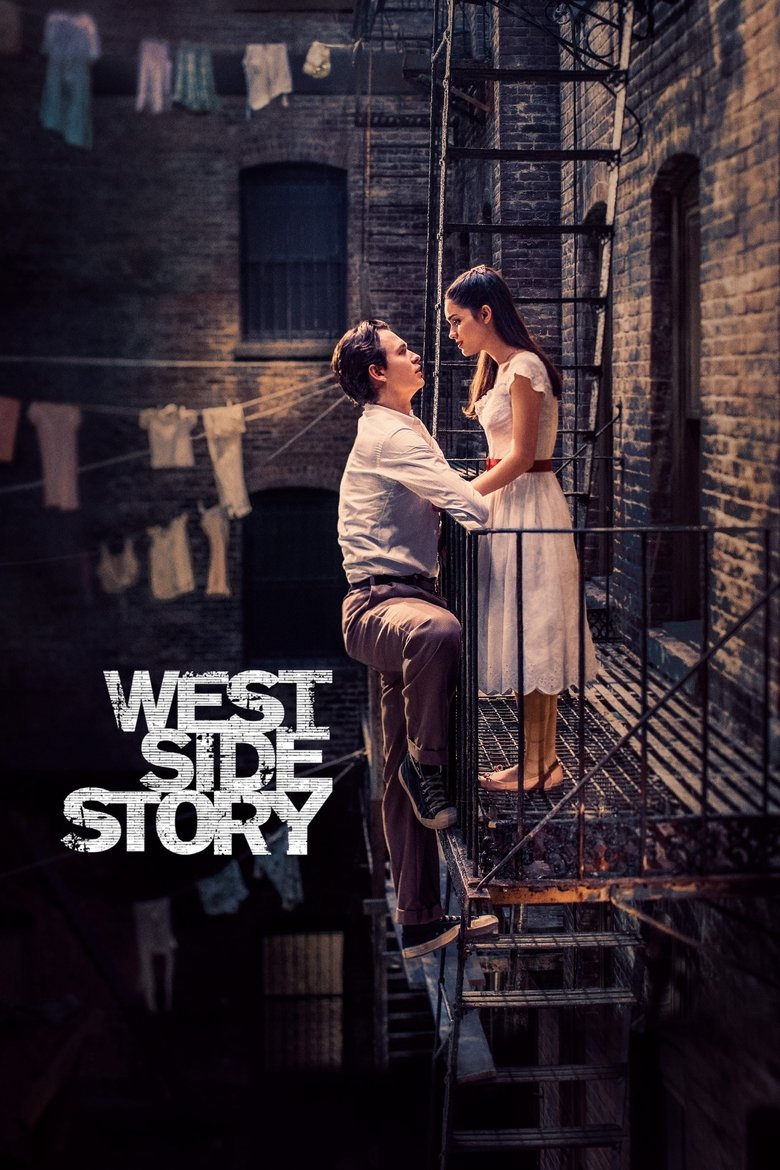
West Side Story — The Camera Finally Dances
Spielberg waited fifty years to move a camera through a song, and the hunger is visible in every frame.
Updated July 25, 2026
 ★★★★★
★★★★★
Lunara Review
Titane — Family Is a Choice Made in the Dark
Julia Ducournau's Palme d'Or winner is sold as the car movie; it is actually the decade's strangest film about adoption.
Updated July 25, 2026
 ★★★★½
★★★★½
Lunara Review
The Worst Person in the World — The Luxury of Not Deciding
Joachim Trier freezes all of Oslo so one woman can run through it, and then makes her pay for the privilege.
Updated July 25, 2026