
Lunara Review
The Dark Knight — I Believed in Harvey Dent
I was a Heath Ledger fan before the casting, played the viral games, wore the belief -- and my dog is named Harvey Dent. This one is personal.
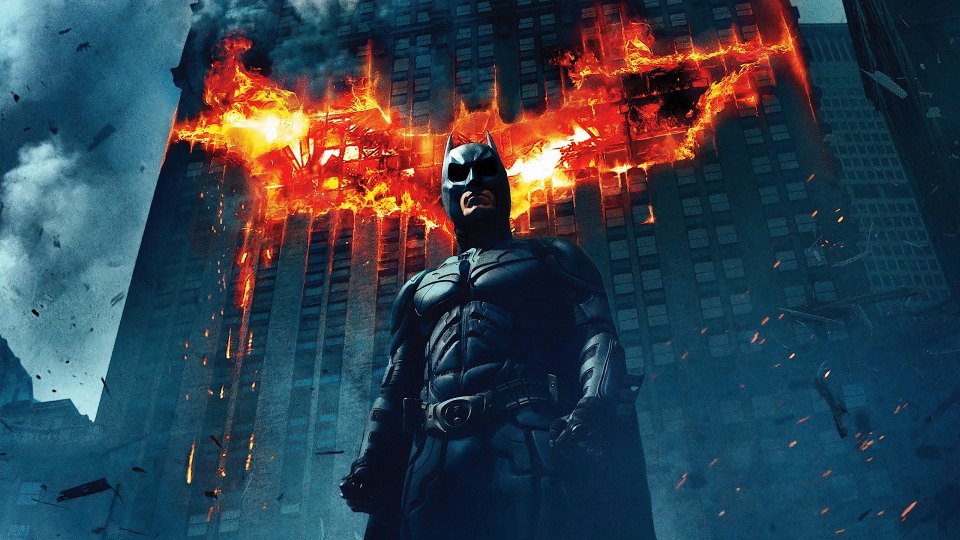
My parents were out of town, the first showing on opening night was packed to the walls, and I walked out having watched a shooting star hand American movies one of the greatest performances ever put on film. My dog is named Harvey Dent. This review was always going to be personal.
Let me establish my bias up front, because the bias is the review. I was a massive Heath Ledger fan before he was ever cast as the Joker — before the announcement, before the message boards caught fire arguing about it. So while the internet spent 2007 asking whether the kid from the romances could possibly play the Joker, I was already in. All the way in. I played the viral marketing like a second job: the scavenger hunts, the augmented reality games, the defaced campaign sites, “I believe in Harvey Dent.” I believed in Harvey Dent. I believed so hard that all these years later there is a dog sitting next to me as I write this whose name is Harvey Dent, and who just looked up at me like he knows exactly what I am about to spend the next thousand words doing.
So: opening night, July 2008. My parents were out of town, the first showing, an auditorium packed past reason, the kind of crowd that applauds the studio logo. I have chased that screening for the rest of my moviegoing life. Because what happened in that room was not a comic-book movie landing well. It was a genre getting promoted in real time — two and a half hours during which everyone who ever poo-pooed the form was handed a film that refused to be condescended to, and a packed house full of us got to feel the argument being won. You could feel it happening. The pencil disappeared and the room made a sound I have never heard a theater make since: a laugh and a gasp fused into one syllable, five hundred people realizing at the same instant that all bets were off.
The film underneath that night has been analyzed to powder, so let me keep my claim specific. The Dark Knight works because Nolan built a crime saga first and let the capes come second — Gotham as daylight Chicago, glass and concrete, a racketeering case moving through banks and courtrooms, a city’s institutions bending under pressure from a man who wants nothing. But the reason it plays as tragedy instead of spectacle is the character the marketing taught us to believe in. Harvey Dent is the movie’s real protagonist arc: the one man doing it right, in daylight, with his face showing — the coin rigged to come up his way because he makes his own luck — and the film spends its first half making you invest in him precisely so the second half can charge you for it. The Joker does not win by blowing up a hospital. He wins by taking the best man in the city and talking him into treating chance as the only honest judge. When the burned coin starts flipping fair, the movie’s whole moral architecture goes down with it, and everything after — the lie Batman eats, the hunt that closes the film — is the city choosing a bedtime story over the truth. I spent a marketing campaign wearing that man’s name. The film knew exactly what it was doing when it made believers of us first.
And Ledger. It stays hard to write about, because I loved the actor before the role, and the role is now inseparable from losing him. What he does here is not a villain performance; it is one of the greatest performances on film, full stop, and I will argue that in any company. Watch the body, because the genius is physical: the tongue flicking at the scar tissue, lizard-quick, before the lines. The walk out of the hospital in the nurse’s dress, hips loose and bored, thumbing the detonator like a remote with dying batteries. The voice that keeps changing registers mid-sentence, as if even the sound of him refuses to hold a shape you could predict. Every choice is constructed, built in the room, take by take — no digital assist, no shortcut — and the interrogation scene remains its summit: Batman holding every physical advantage and losing anyway, because the rules bind the man who keeps them and the prisoner has made force useless. A man who wants nothing cannot be threatened. The film’s dread lives in that sentence, and Ledger delivers it laughing.
Even this one carries a bill. The two-ferries climax stacks its moral deck and keeps both boats’ hands clean — the film wants to believe people are better than the Joker’s bet, so it builds the scene to guarantee it, and lets ordinary humanity off a shade easier than the rest of the movie would allow. The sonar-surveillance dilemma gets raised and self-destructs inside ten minutes, ethics resolved by a prop. And Rachel is written mostly as a fixed point for two men to orbit and lose. None of it dents the monument. All of it only becomes visible once the awe wears in — it never wears off.
Here is what the years have clarified. The Dark Knight was the moment the culture stopped asking whether comic-book movies could be serious and started asking why so few of them are — a question the following two decades answered mostly by photocopying this film’s darkness while skipping its discipline. What could not be photocopied was the belief. A packed room on a July night, a city full of us who had spent months playing believers in Harvey Dent, watching the film reveal that the belief was the target all along. Heath Ledger was a shooting star — we got the full brightness exactly once at this scale, and the film knows how to carry what it was given. I walked out of that auditorium with my mind blown and my heart cracked, and I have been trying to explain the difference between those two things ever since. This movie is the difference. And Harvey — the one at my feet — still gets his name asked about at the park, and I still get to tell people I believed first.
LUNARA DEBRIEF
- Score:★★★★★
- Oscar Ledger8 nominations • 2 wins
- Year:2008
- Where to Watch:
Pair It With
Three films in conversation with this one.
Theme Echo
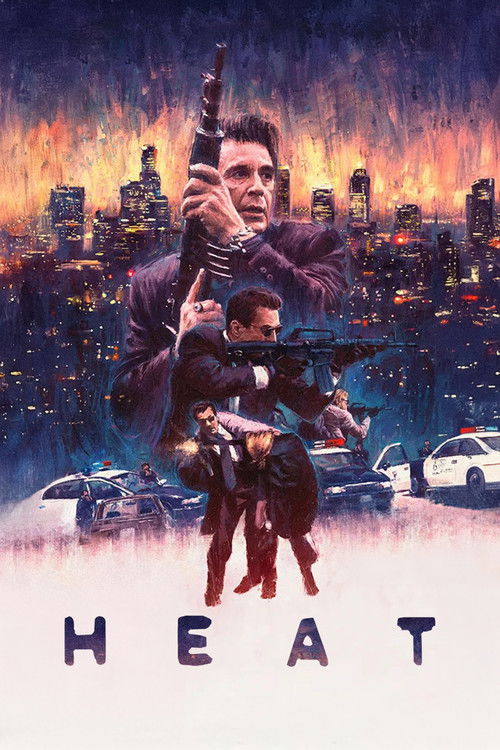
Heat (1995)
The city-scale crime chess match this film studied -- cops, thieves, and a metropolis doing half the acting.

Counter-Program
12 Angry Men (1957)
The opposite wager: one institution, holding, because twelve strangers refuse the coin flip.

Career Context
Brokeback Mountain (2005)
The performance that made some of us believers in Ledger before the cowl conversation ever started.
Further Reading
More Lunara Criticism
 ★★★★★
★★★★★
Lunara Review
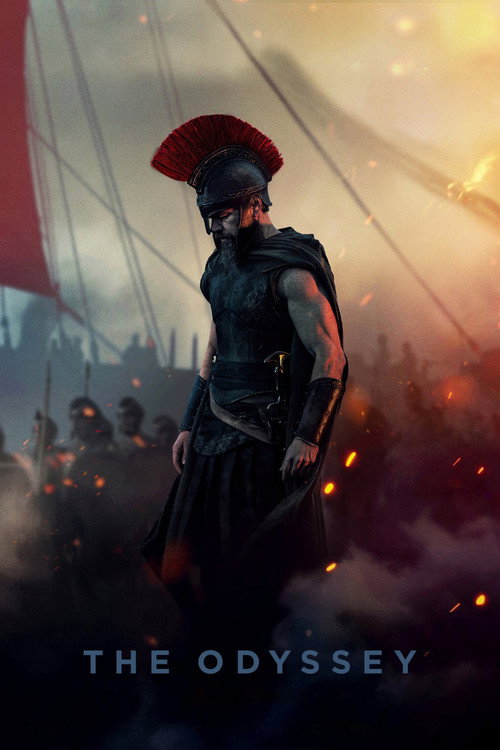
Watch trailerThe Odyssey — I Walked Right Back In
Nolan aimed the biggest camera on earth at the oldest story about going home -- and I walked out of the 70mm IMAX and bought a ticket to...
Updated July 28, 2026
 ★★★★½
★★★★½
Lunara Review
Tenet — Don’t Understand It. Feel It.
The Nolan film I have watched the most is the one everybody claims not to understand -- and the film told us all, out loud, in the trailer,...
Updated July 20, 2026
 ★★★★½
★★★★½
Lunara Review
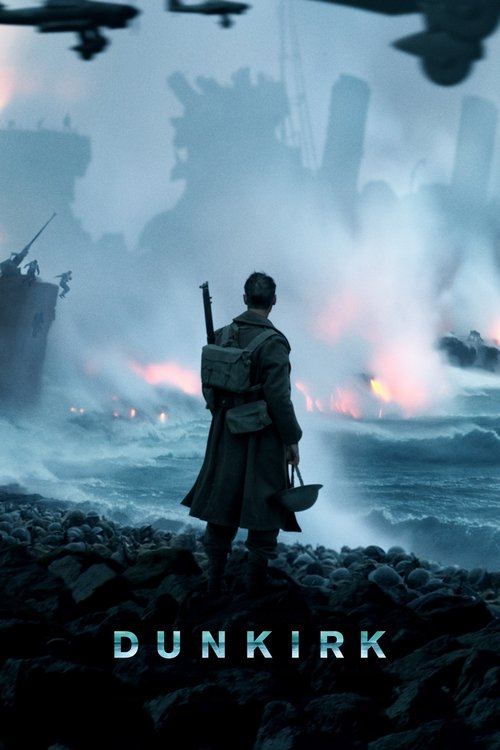
Dunkirk — The Clocks Are the Story
A week on the beach, a day on the sea, an hour in the air -- braided into one escalating sensation. Dunkirk is the closest Nolan has come...
Updated July 20, 2026
 ★★★★★
★★★★★
Lunara Review
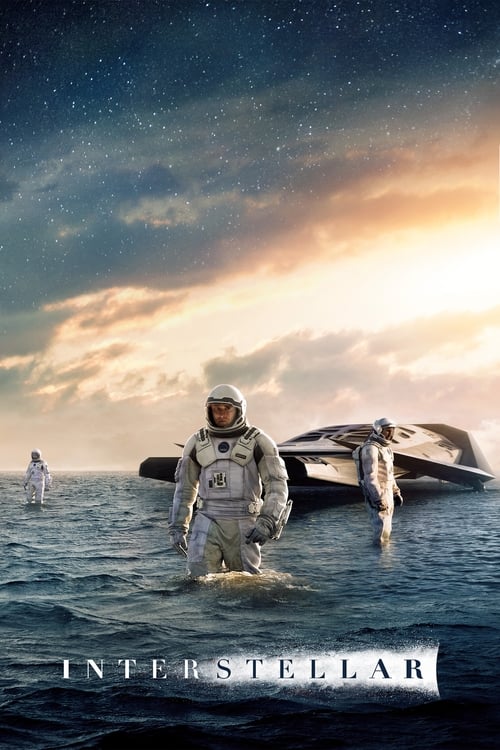
Interstellar — This Generation’s 2001
I will make the claim without a safety net: Interstellar may well be this generation's 2001 -- and the heresy is that it out-feels its...
Updated July 20, 2026
 ★★★½
★★★½
Lunara Review
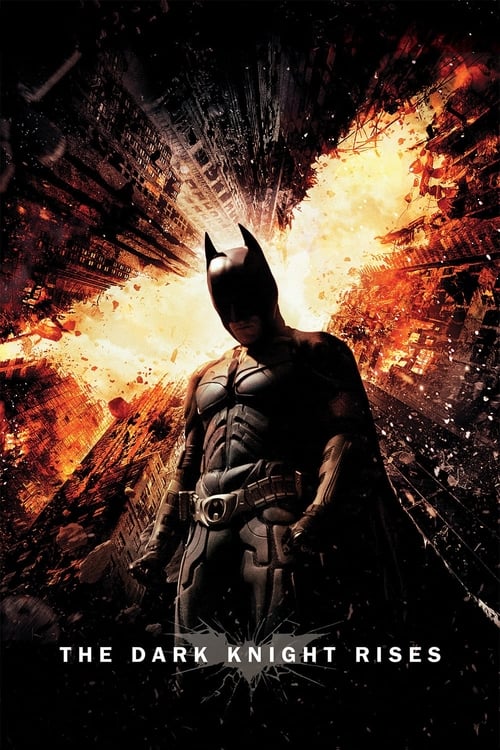
The Dark Knight Rises — Following a Shooting Star
No sequel in modern movies inherited a harder assignment: follow the film that changed everything, without the shooting star who changed...
Updated July 20, 2026