
Lunara Review
Tenet — Don’t Understand It. Feel It.
The Nolan film I have watched the most, and the one I put on during thunderstorms: stop solving Tenet, start riding it, and it is pure kinetics.

The Nolan film I have watched the most is the one everybody claims not to understand — and the film told us all, out loud, in the trailer, that understanding was never the assignment.
When a thunderstorm rolls in over my house, I put on Tenet. That is not a bit; it is a standing ritual with two beneficiaries. Nolan’s movies are loud — gloriously, floor-through-your-feet loud, which I love — and Ludwig Goransson’s score is a weather system of its own, so the film swallows the thunder whole. My dog, Harvey, cannot tell where the storm ends and the soundtrack begins, and he has decided he prefers the soundtrack. So has his owner. Which is how the Nolan film the culture filed under “confusing” quietly became the Nolan film I have watched the most, actively or passively, more than the masterpieces, more than the Batman I grew up on — and somewhere around the dozenth storm I understood why, and it changed my whole read of the picture.
The film tells you the why itself, and it had the honesty to put it in the trailer. A scientist played by Clemence Poesy hands the Protagonist an inverted bullet, watches him try to reason his way through backwards causality, and says: “Don’t try to understand it. Feel it.” That is not exposition. That is Nolan, addressing the audience directly, negotiating the terms of the ride — the most maximalist filmmaker alive telling you the instruments have gotten too big for the sheet music, so just come along. The culture heard that line and, incredibly, chose to do the opposite. Tenet’s entire reception was people trying to understand it — timeline diagrams, explainer videos, frame-by-frame inquests conducted in the parking lot — and then blaming the film for the headache. I rode it instead. Surrender to its rhythms and its vibes and Tenet is an unbelievably kinetic experience: a movie that moves the way music moves, where a hallway fight can run in two directions at once and your body grasps the grammar of it whole minutes before your brain files the paperwork.
Because that is the secret about the backwards stuff: it was never a puzzle. It is choreography. The Protagonist wrestling a man who moves in reverse; the highway chase where a crashed car un-crashes into the lane beside you; the final assault where two teams hit the same ten minutes from opposite ends of time, explosions blooming and un-blooming across a single valley — none of this asks to be solved, any more than a dance asks to be diagrammed. Nolan spent a career folding time inside stories: backwards for grief, nested for a heist, three speeds for a war. Tenet is the one where he folds it inside the frame itself, in front of you, practically, with stunt teams learning fights forward and backward and a 747 really taxiing into a really exploding hangar. It is his most maximalist picture — physics as production design, a whole action genre run through the inverter — and maximalism is not a flaw to apologize for. It is the offer.
The score deserves its own paragraph, and not only because it co-parents my dog. Goransson, inheriting the chair from Zimmer, built something crueler and stranger: breathing on the soundtrack, rhythms that run palindromic, cues that feel inverted — music that performs the film’s concept instead of decorating it, at a volume that reads as conviction. People call Nolan’s mixes assaultive like it is an accident. It is a stance. These films want to be physical events, felt in the chest cavity, and Tenet is the purest version of the wager: a movie you attend the way you attend weather.
Loving a film on its own terms does not mean pretending the terms are free. The dialogue is mixed under the music by design, and sometimes the design loses real information; there is a version of this film where you catch every word and I have never seen it, in any format. The emotional interior runs cold — John David Washington’s Protagonist is a function with charisma, named like a function, and the film’s one human wound belongs to Elizabeth Debicki, who has to carry the entire cost of the plot in a role written at arm’s length. Kenneth Branagh growls arms-dealer menace at the Bond-villain end of plausible. If Memento’s machinery had grief wired through every circuit, Tenet’s machinery mostly has machinery. I pay that bill without argument. But here is what the storm viewings have taught me that the opening-weekend discourse never learned: coldness in the characters is not coldness in the experience. The feeling was relocated — out of the script and into the body, into rhythm and mass and inversion and that score — exactly where Poesy’s scientist said to look for it.
Tenet had the strange fate of releasing into the broken year, asked to carry an entire industry back into theaters when half the world could not or should not have gone — a maximalist communal object arriving at the exact moment communal experience was rationed. I have always suspected the reception belonged to the year as much as the film: a movie built for surrender, released to audiences who had spent months being told to stay alert. The storms gave me what 2020 could not, which is repetition without stakes — and repetition is where this movie lives. Nolan’s films have always paid subsequent viewings like a dividend; Tenet is the endpoint of that principle, the one that barely has a first viewing at all. It has laps. Somewhere in the middle of a loud dark evening, thunder outside losing an argument with the brass, a dog named after a different Nolan tragedy asleep on my feet, this film stopped being homework the culture assigned me and became what it always claimed to be. A ride. You were told not to understand it. Feel it.
LUNARA DEBRIEF
- Score:★★★★½
- Oscar Ledger2 nominations • 1 wins
- Year:2020
- Where to Watch:AvailabilityWarner Bros.DigitalFind Digital Options
Pair It With
Three films in conversation with this one.

Theme Echo
Arrival (2016)
Another story about acting inside a fixed timeline, but it lets the determinism break your heart instead of freezing it.

Counter-Program
Mad Max: Fury Road (2015)
The same swing-for-the-fences sensory action, with every stake bolted to a beating pulse. What Tenet keeps behind glass, this one hands you.
Career Context
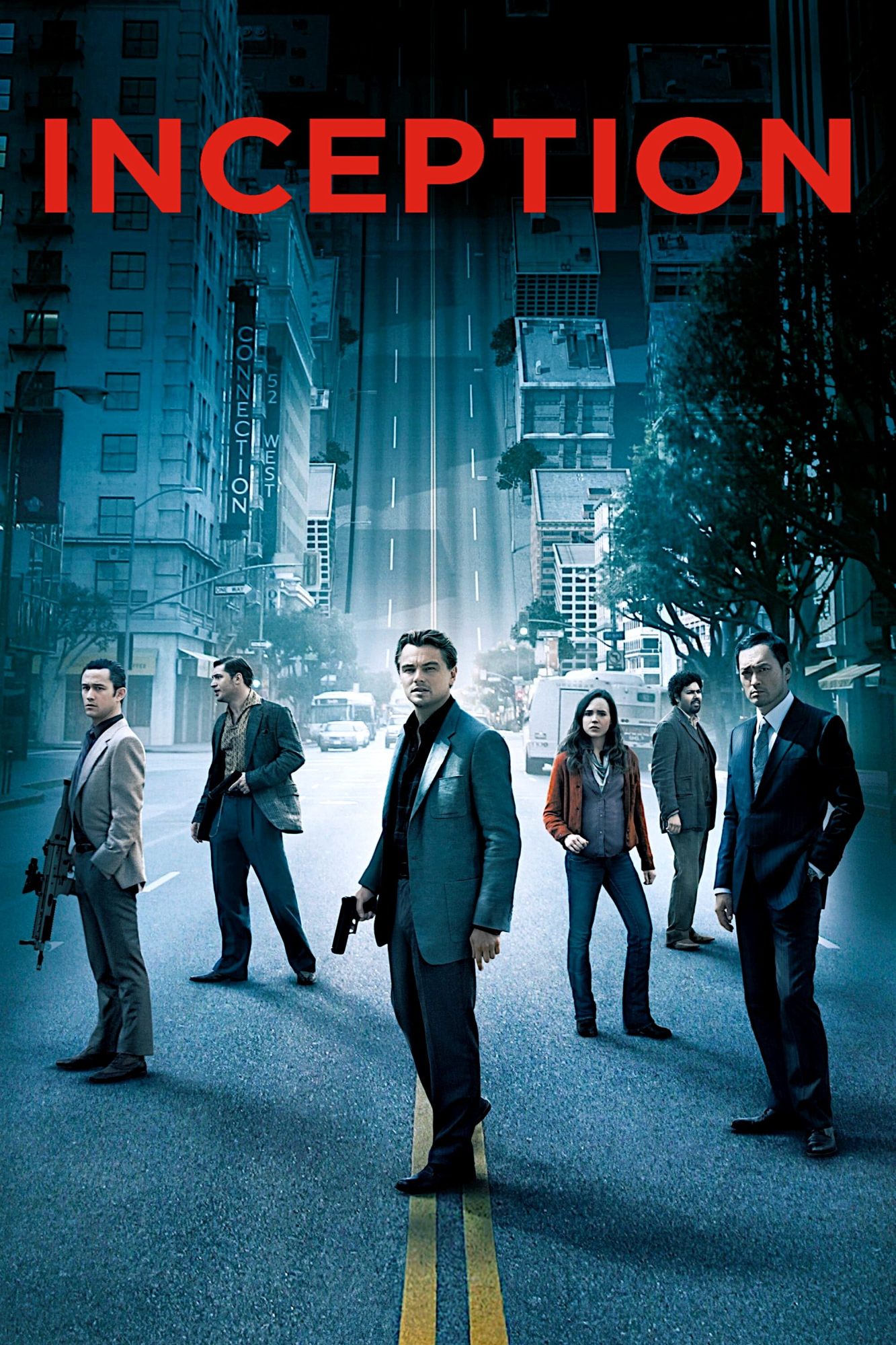
Inception (2010)
Nolan's earlier high-concept action puzzle, the one that balanced the machine against real grief. Tenet is that film with the heart drained out, and it makes the loss legible.
Further Reading
More Lunara Criticism
 ★★★★★
★★★★★
Lunara Review
Watch trailerThe Odyssey — I Walked Right Back In
Nolan aimed the biggest camera on earth at the oldest story about going home -- and I walked out of the 70mm IMAX and bought a ticket to...
Updated July 28, 2026
 ★★★★½
★★★★½
Lunara Review
Dunkirk — The Clocks Are the Story
A week on the beach, a day on the sea, an hour in the air -- braided into one escalating sensation. Dunkirk is the closest Nolan has come...
Updated July 20, 2026
 ★★★★★
★★★★★
Lunara Review
Interstellar — This Generation’s 2001
I will make the claim without a safety net: Interstellar may well be this generation's 2001 -- and the heresy is that it out-feels its...
Updated July 20, 2026
 ★★★½
★★★½
Lunara Review
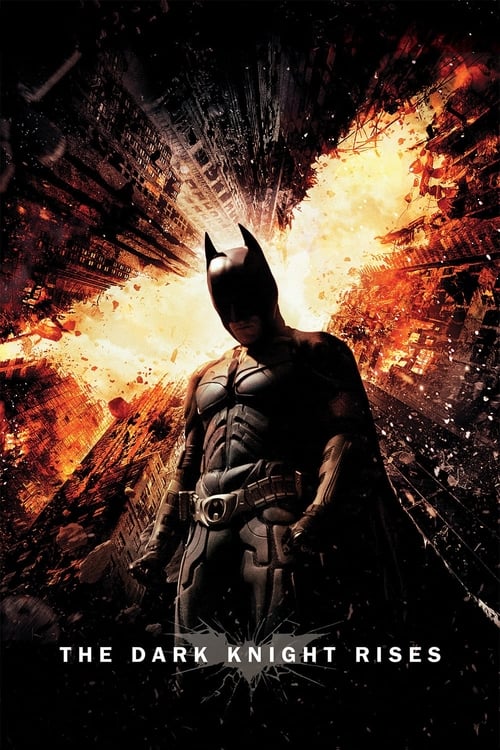
The Dark Knight Rises — Following a Shooting Star
No sequel in modern movies inherited a harder assignment: follow the film that changed everything, without the shooting star who changed...
Updated July 20, 2026
 ★★★★★
★★★★★
Lunara Review
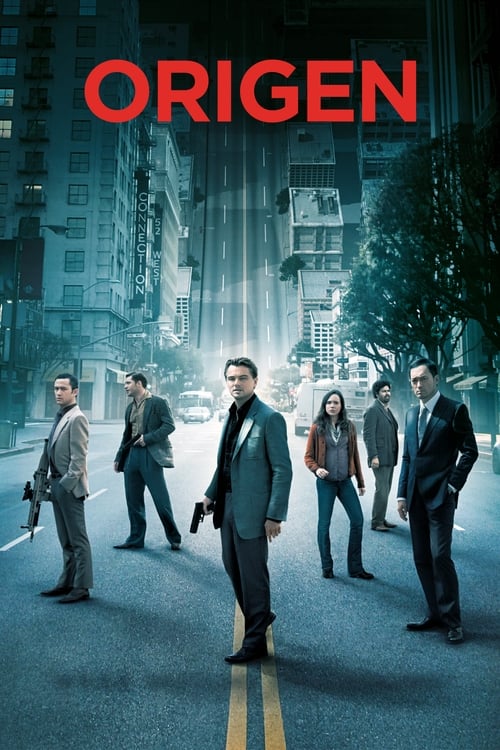
Inception — The Review Already Exists
The definitive review of this film was written in the summer of 2010 by the critic I love most in this business, and anything I add to its...
Updated July 20, 2026