

No Country for Old Men, 2007
No Country for Old Men — The Thriller That Stops Answering
Movie Review
The Coens keep subtracting everything a chase picture owes you, and every subtraction lands like a verdict.
The scariest scene of the century happens over a bag of cashews. A west Texas gas station, midafternoon, flies on the counter. The proprietor makes weather talk, and the customer with the bad haircut asks what business it is of his where he’s from, friendo, and the pressure in the room drops the way it does before hail. Here is what makes it unbearable on the tenth viewing, same as the first: the stakes are never named. The clerk slowly understands that this conversation has a floor and that he is standing over it. The customer will not tell him what is being decided. Only that he needs to call the coin. That he has been putting it up his whole life and did not know it. He calls heads. Heads it is. Then comes the small mercy that is somehow the cruelest line in the film: don’t put the coin in your pocket, where it will get mixed in with the others and become just a coin. Which it is. Anton Chigurh walks out, and the clerk stands there holding the only receipt he will ever get for his own life.
The story wrapped around that scene is the plainest the Coens have ever told. Llewelyn Moss, welder and hunter, comes over a rise in 1980 scrub country and finds what’s left of a drug deal gone wrong: trucks, bodies, a dying man asking for water, and a satchel with two million dollars in it. He takes it. Chigurh comes to take it back, killing along a straight line like a man doing sums. Sheriff Ed Tom Bell trails both of them at the distance of a generation, reading the sign, arriving after. Three men in a relay, and the film’s great discovery is that the genre they’re trapped in belongs to only one of them. Moss thinks he’s in a thriller he can win with competence. Bell thinks he’s in a western that retired without telling him. Chigurh is the only one who knows what movie this is.
Listen to how the Coens enforce it. There is no score for nearly the whole picture, or none you can catch working; a few tones lie buried under the wind, and the rest is footsteps, air conditioners, traffic, the creak of boots on motel carpet, the double beep of a transponder in a dark room. That is not minimalism. It is candor. Music in a chase picture is a promise that somebody is steering, and this film has nobody at the wheel. So suspense gets rebuilt out of procedure watched in silence: Moss taping the satchel into a vent, buying tent poles, thinking three moves ahead in a motel room while the camera just holds on his hands. The Eagle Pass shootout happens in dark storefront glass and buckshot, wounds bought and paid on both sides, and you feel every one because nothing on the soundtrack is telling you how to feel. Roger Deakins shoots the scrubland at first light like the surface of a planet that never asked for people, and the night work by muzzle flash and burning cars. You could hang any frame of it in a museum of American emptiness.
The performances work the same quiet ground. Javier Bardem plays Chigurh with the courtesy of a man executing regulations that predate everybody in the room, and the politeness is the horror. Josh Brolin gives Moss an itemized competence, a welder’s certainty that any problem is a sequence of fixable steps, and the film honors it. It lets him wound the unstoppable thing. It lets him go the distance of the picture. And then his death, when it comes, comes offscreen, between cuts, a doorway in El Paso and a body the camera finds late. That is the boldest subtraction in the movie and the one no first-time theater forgives: the hero dies in the one place a thriller swears he never will, out of frame. The showdown between Bell and Chigurh dissolves the same way, into a dark motel room, a punched-out lock cylinder, and nobody there. And Carla Jean, handed the coin at the end, does the single bravest thing anyone in this film does: she won’t call it. The coin has no say, she tells him. It’s just you. She dies for the privilege, but she pulls the ritual’s mask off first, and Chigurh has to walk out of that house wearing his choice as a choice.
Be honest about what the design costs, because it does cost. The Wells interlude, a rival fixer who swaggers in mainly to be deleted a scene later, is the one stretch where the subtraction game reads as a writer’s move instead of the world’s weather. And after El Paso the film underlines its lesson once more than it needs to. The car crash that comes for Chigurh out of an ordinary intersection says chance owns everyone, which the coin already said better, and for a beat you can feel yourself being taught. The beat passes, thank God, because of the boys on bicycles, one of whom sells the broken killer the shirt off his back and then argues about splitting the money: commerce at the site of judgment, the film’s whole economy in two kids. But the pencil mark stays visible on an otherwise clean page.
Then the last subtraction. No arrest. No reckoning. Just Ed Tom Bell at his kitchen table, retired, telling his wife two dreams about his dead father. In the second one they are riding through a mountain pass in the dark and the cold, and his father goes on ahead carrying fire in a horn, the way people used to, going to make a fire out there in all that dark, and Bell knows that whenever he gets there, his father will be waiting. And then I woke up, he says, and the film cuts to black in the middle of the thought, the way sleep ends. Every promise the genre made has been taken back, and in the space where the payoffs were, the picture leaves you what Bell has: the memory of somebody who used to carry the fire, and the cold certainty of the title. This is the most frightening film the Coens have made because it is the one where nobody is steering. It is the most moving because somebody, up ahead, still has the light.
Lunara Film Debrief
- Score:★★★★★
- Oscar Ledger8 nominations • 4 wins
- Year:2007
- Where to Watch:
Theme Echo
What is this film really about — and who else has said it?
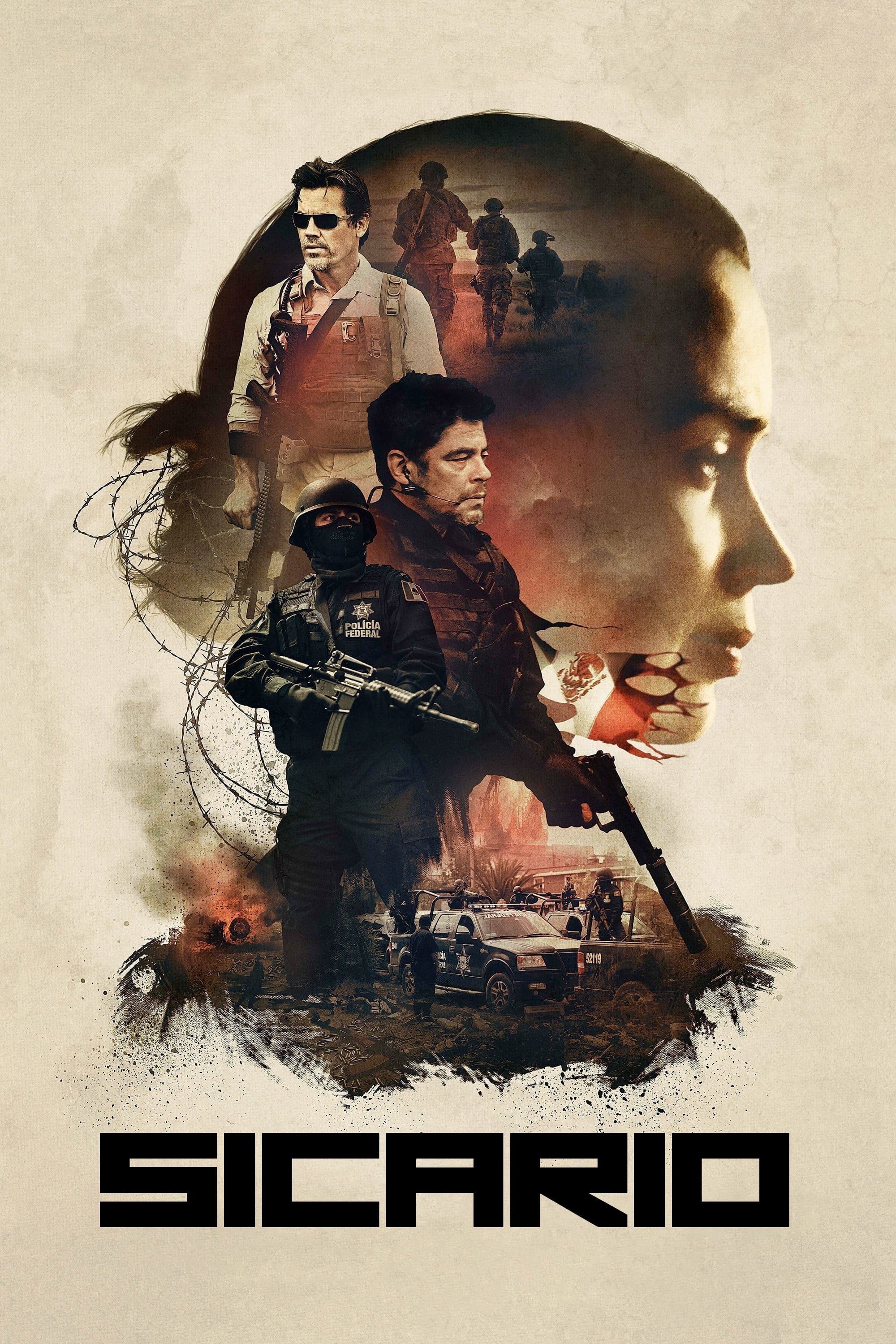
Sicario (2015)
The same border a generation on, the war Bell retired from now run at industrial scale. Deakins lights both deserts, and the night-vision descent into the tunnel is the coin toss blown up to policy: procedure without an author, and everyone downstream calling heads.

Counter Program
What is the strongest argument against it?
High Noon (1952)
The lawman who stands in the street and wins. Kane's watch ticks toward a showdown that arrives on schedule and submits to courage; Bell's clock just runs out. Each film thinks the other one is the fantasy, and the fifty-five years between them measure the distance the country traveled.
Career Context
Where does this sit in the artist's story?
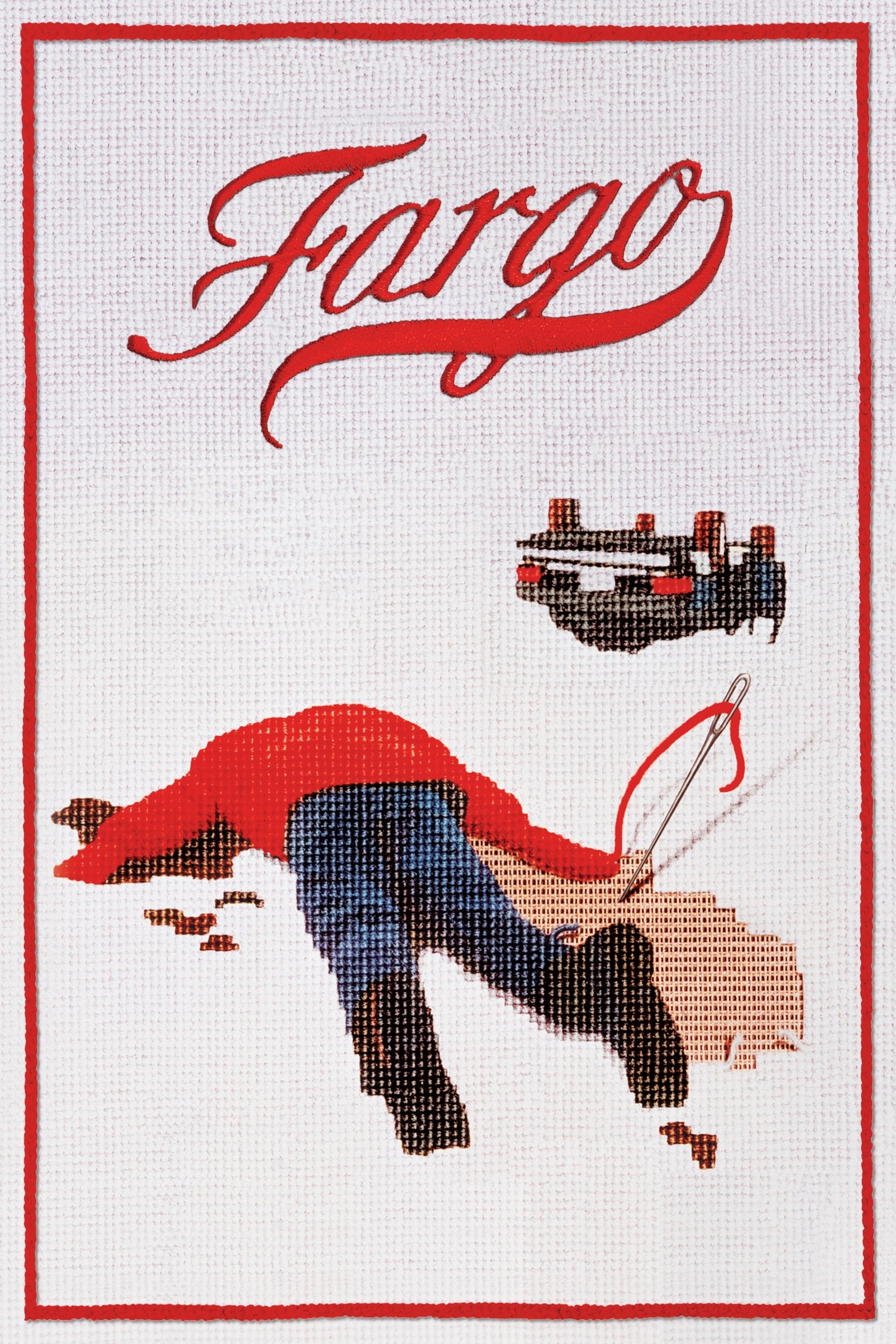
Fargo (1996)
The Coens' other portrait of police work as decency's craft. Marge closes her case and drives home to Norm still believing the world is mostly fine; Bell closes nothing and retires from believing. Same job, same directors, opposite verdicts on whether goodness scales to the crime.
More Lunara Film Criticism
Further Reading
 ★★★★★
Lunara Film Review
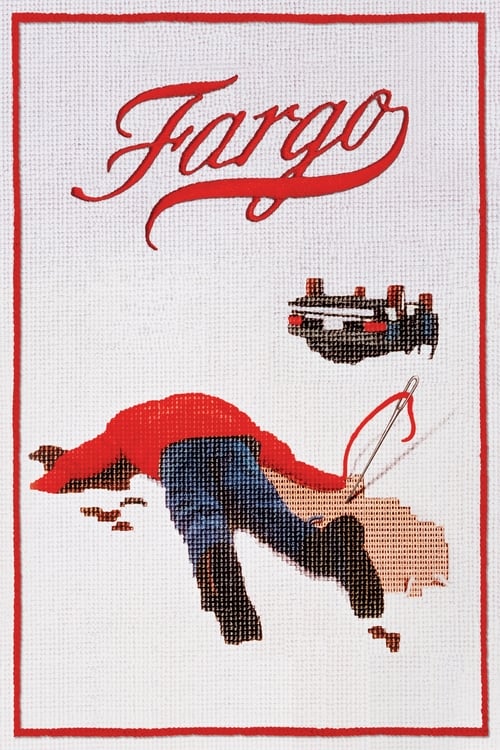
Fargo — Two Uses for Nice
The accent everybody imitates is doing two different jobs: for Jerry it is camouflage, for Marge it is a method.
Updated September 23, 2026
 ★★★★★
Lunara Film Review
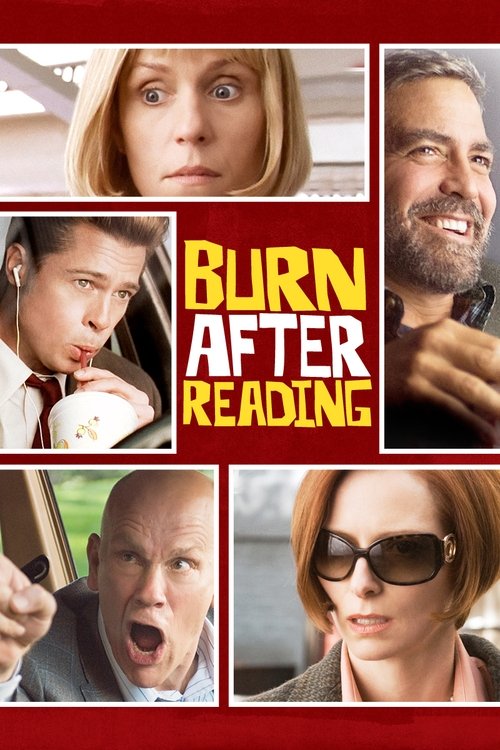
Burn After Reading — Nobody Learns Anything
The Coens' spy comedy has no spy and no secret; eighteen years on, that is the scariest thing in it.
Updated September 23, 2026
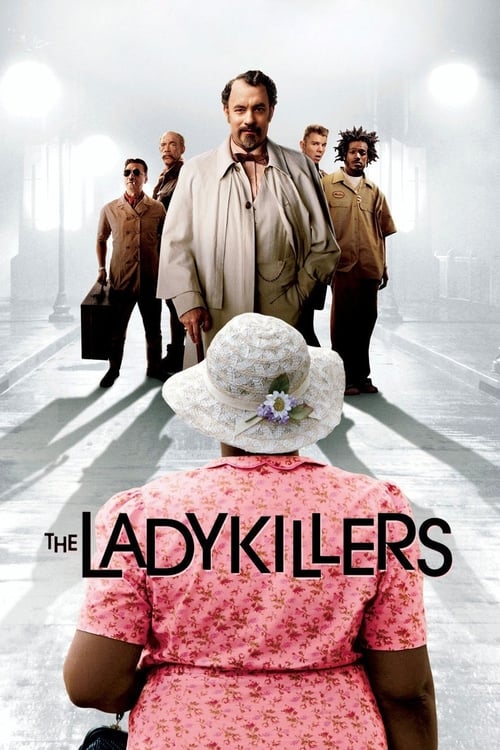 ★★★
Lunara Film Review
The Ladykillers — The Soundtrack Believes, the Movie Grins
The Coens' Southern remake has a churchful of soul on the soundtrack and a cartoon where its menace should be.
Updated September 23, 2026
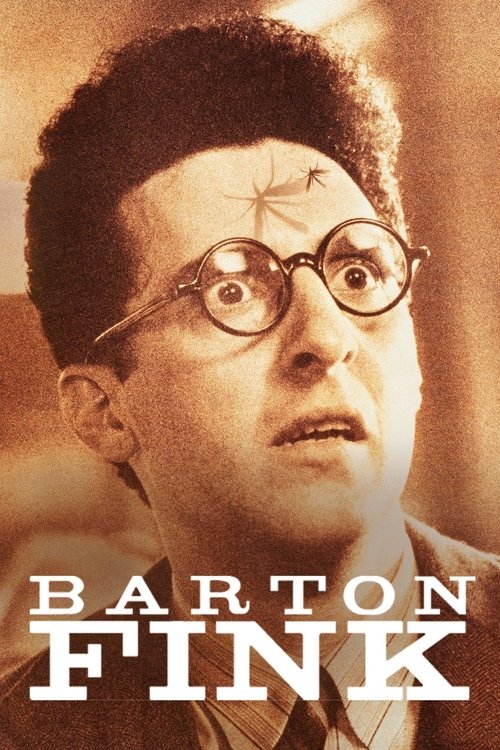 ★★★★★
Lunara Film Review
Barton Fink — The Common Man Knocks
The Coens' Hollywood nightmare is not about writer's block; it is about a writer who never once listens.
Updated September 23, 2026
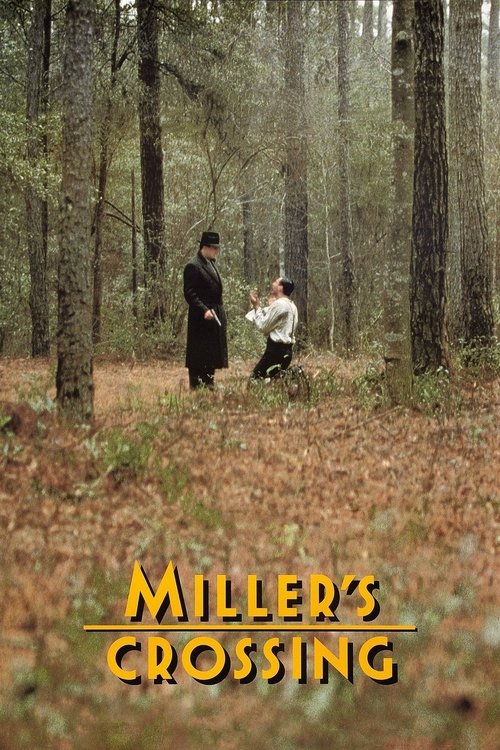 ★★★★★
Lunara Film Review
Miller’s Crossing — Love, Disguised as Treachery
The Coens' gangster picture is about a man who can only protect what he loves by betraying it, and a hat he will not chase.
Updated September 23, 2026