
Lunara Review
Fargo — Two Uses for Nice
The accent everybody imitates is doing two different jobs: for Jerry it is camouflage, for Marge it is a method.

The accent everybody imitates is doing two different jobs: for Jerry it is camouflage, for Marge it is a method.
Before anyone is kidnapped, before the first body drops in the snow, Fargo shows you a car salesman stealing five hundred dollars with a smile. A couple has come to pick up their new sedan from Jerry Lundegaard, and the invoice includes TruCoat, a rustproof sealant they explicitly, repeatedly declined. The husband is furious. He knows he is being robbed. And Jerry weathers him the way a drift weathers wind, apologizing, sympathizing, deferring to a boss he never actually consults, until the man pays for the sealant anyway, hating him. William H. Macy plays the scene as a small masterpiece of the passive voice: the TruCoat has already been applied, you see, the situation simply exists, nobody did anything. Keep that scene. It is the entire movie in a showroom. Jerry’s kidnapping scheme, hiring two strangers to abduct his own wife so her rich father will pay a ransom Jerry plans to skim, is TruCoat scaled up to a family, and it will be defeated by the one person in Minnesota who uses the same politeness Jerry hides behind as a precision instrument.
The Coens open with a fib told completely deadpan: a title card swearing this is a true story, presented at the request of the survivors. It is not, and the card is the film’s first joke about surfaces, priming you to watch a tall tale with documentary patience. Then a whiteout, a car towing a tan Ciera through it, and the scheme already in motion. The abduction itself is staged as slapstick that curdles in your mouth: two men in stocking caps, a bathrobed woman, a shower curtain, and it is funny right up to the instant a state trooper leans into a headlight beam and Gaear puts an end to three lives in forty seconds. Bodies pile up like snowbanks after that, and the film’s genius is that the comedy and the horror never take turns; they ride in the same car.
Everybody remembers the accent. What the film actually built is a study of one register with two uses. In Jerry’s mouth, Minnesota nice is a wall: he cannot say a single plain true sentence, not to his wife, his father-in-law, his son, or the hired men he has already lost control of, and every “okay then” and “real good” is another coat of sealant over the rot. In Marge Gunderson’s mouth, the same register is a tool. She arrives a full half hour into the picture, seven months pregnant, examining a triple homicide at dawn, and Frances McDormand makes you watch the folksy warmth and the exact mind operate at the same time, neither one a costume. The “you betcha” music relaxes every person she questions until they hand her more than they meant to. The film skewers small-town life without ever mocking it, because it understands the difference between the men who use decency as camouflage and the woman for whom it is a genuine operating system with excellent gas mileage.
The scene that proves the design is the one that looks detachable. Mike Yanagita, an old classmate, meets Marge for lunch in Minneapolis, lunges awkwardly, then spins a story about marrying their friend Linda and losing her to leukemia. It is sad, and Marge comforts him, and it is entirely false: no marriage, no death, just a lonely man lying fluently inside the same warm register Marge trusts. When she learns the truth, you can watch the recalibration land. If Mike could lie to her face in that accent, so can Jerry. She drives straight back to the dealership, reopens a closed conversation, and Jerry’s composure comes apart like wet cardboard before he flees the interview. The film’s most criticized detour is its hinge: the moment nice stops being evidence of anything, and Marge starts hearing what is underneath it.
Roger Deakins shoots the flatlands as white paper, horizon erased, so that people read as small dark marks and the money everyone is dying over looks exactly as small as it is. Carter Burwell builds the score from a Norwegian folk hymn, a mournful fiddle carried by full orchestra, granting the tundra a dignity the scheme never earns. In between, the film runs its inventory of desperation: Macy scraping his windshield in a fury that is really a tantrum at his whole life, Steve Buscemi’s Carl talking enough for two men while Peter Stormare’s Gaear says maybe a dozen words and commits most of the violence. The wood chipper, the image the culture kept, is a grotesque punchline, but the film’s coldest joke is quieter: six people die over a debt whose exact size Jerry never even states out loud.
If the movie has a blind spot, it is Jean. The film finds room for everyone’s humanity, even Jerry earns a shred of pity, howling in his undershirt as the troopers drag him off a motel bed, but the woman being traded exists mostly as cargo: her terror is choreographed as farce, her death happens offscreen between scenes and is reported in half a sentence, and she is mourned by category rather than in person. Marge’s closing speech grieves the waste; nobody in the film grieves Jean in particular. It is the one place the warmth this movie is famous for does not reach, and on rewatch you notice the reach stopping.
The speech itself is still the moral summit of the Coens’ work. Marge, driving Gaear away from the chipper, glances in the mirror and asks him, gently, the only question the movie cares about: and for what? For a little bit of money. There’s more to life than a little money, ya know. And here ya are. And it’s a beautiful day. He looks out the window. Then the film does the thing that makes it permanent: it goes home. Norm and Marge in bed, a three-cent mallard stamp accepted into the world, two more months until the baby. No irony anywhere in the frame. Fargo stares at the full stupidity of greed, hands the last word to a happy marriage and a duck painting, and means every syllable. Funny, dark, and oddly humane does not begin to cover it; it is the rare crime picture that knows exactly what the crime was for, and exactly what it could never buy.
LUNARA DEBRIEF
- Score: 5 / 5
- Year: 1996
- Where to Watch: Streaming [Max] | VOD [all major platforms]
- Theme Echo: A Simple Plan (1998) tt0120324. The other snowbound parable of ordinary Midwestern greed, played without a single laugh. Raimi’s film is what Fargo looks like from inside Jerry’s skull: the same money, the same cold, none of the mercy.
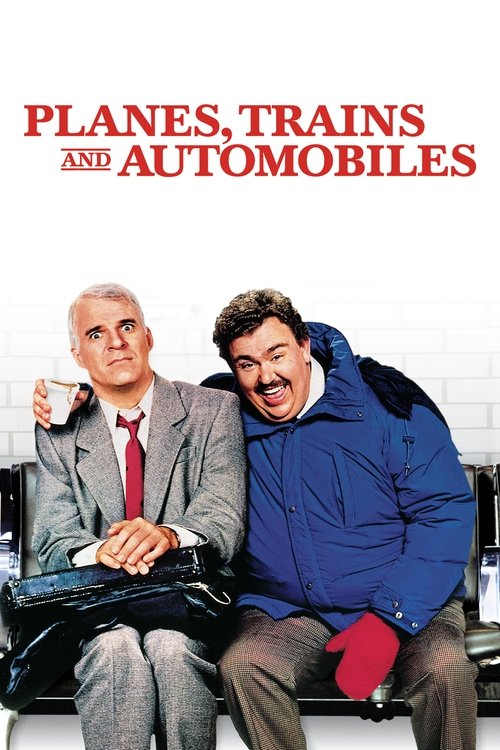
- Counter-Program: Planes, Trains and Automobiles (1987) tt0093748. Midwestern politeness as salvation instead of camouflage. Hughes bets that the annoying stranger is secretly your brother; the Coens bet he is secretly broke and lying. Both films are right, which is the unsettling part.
- Career Context: Blood Simple (1984) tt0086979. The debut runs the same spiral, botched crime, confident error, bodies nobody planned, at absolute zero. Twelve years later the Coens added Marge, and the difference between the two films is the exact measure of what a moral center is worth.
LUNARA DEBRIEF
- Score:★★★★★
- Oscar Ledger7 nominations • 2 wins
- Year:1996
- Where to Watch:
Pair It With
Three films in conversation with this one.

Theme Echo
A Simple Plan (1998)
The other snowbound parable of ordinary Midwestern greed, played without a single laugh. Raimi's film is what Fargo looks like from inside Jerry's skull: the same money, the same cold, none of the mercy.
Counter-Program
Planes, Trains and Automobiles (1987)
Midwestern politeness as salvation instead of camouflage. Hughes bets that the annoying stranger is secretly your brother; the Coens bet he is secretly broke and lying. Both films are right, which is the unsettling part.

Career Context
Blood Simple (1984)
The debut runs the same spiral, botched crime, confident error, bodies nobody planned, at absolute zero. Twelve years later the Coens added Marge, and the difference between the two films is the exact measure of what a moral center is worth.
Further Reading
More Lunara Criticism
 ★★★★★
★★★★★
Lunara Review
Burn After Reading — Nobody Learns Anything
The Coens' spy comedy has no spy and no secret; eighteen years on, that is the scariest thing in it.
Updated July 25, 2026
 ★★★
★★★
Lunara Review
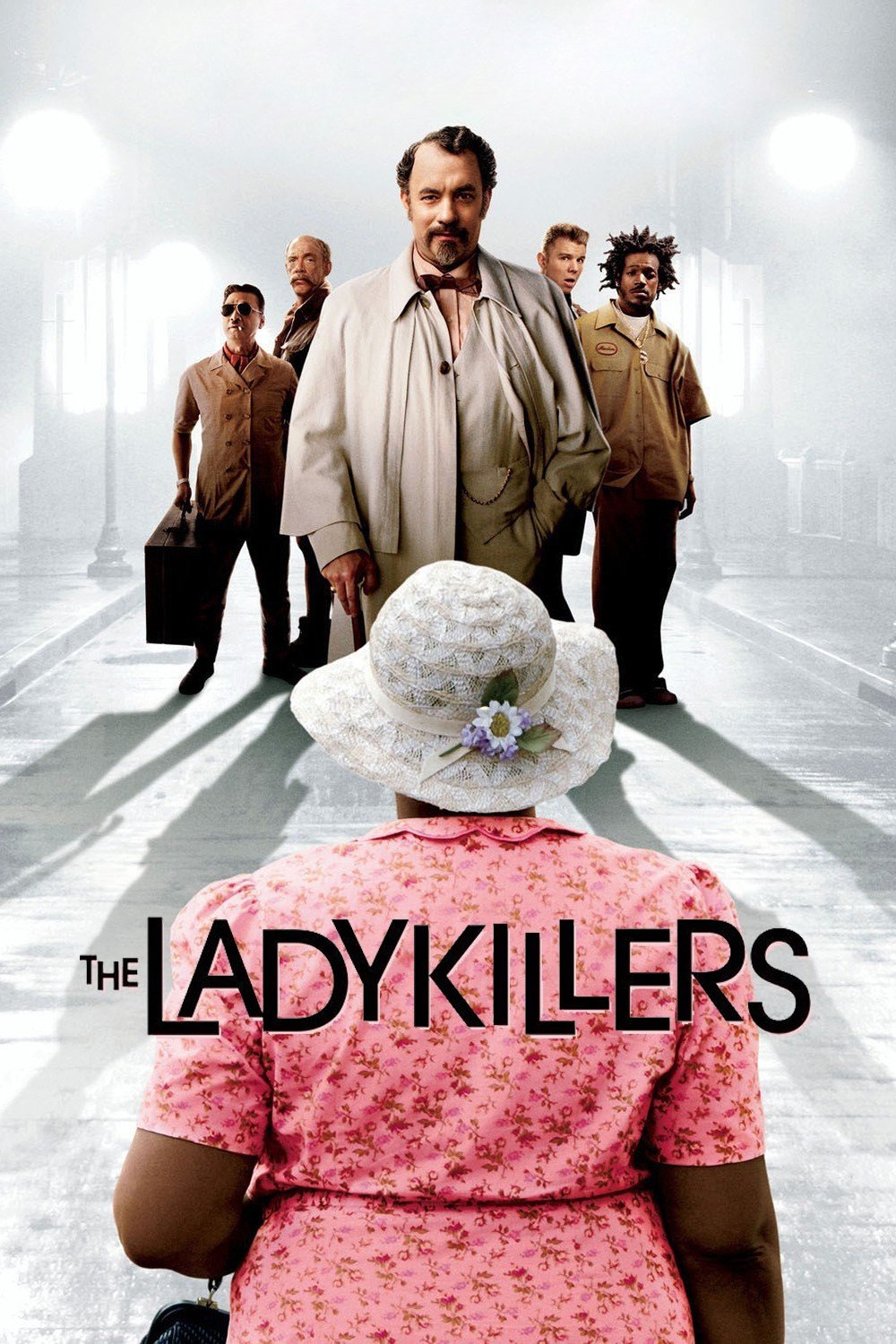
The Ladykillers — The Soundtrack Believes, the Movie Grins
The Coens' Southern remake has a churchful of soul on the soundtrack and a cartoon where its menace should be.
Updated July 25, 2026
 ★★★★★
★★★★★
Lunara Review
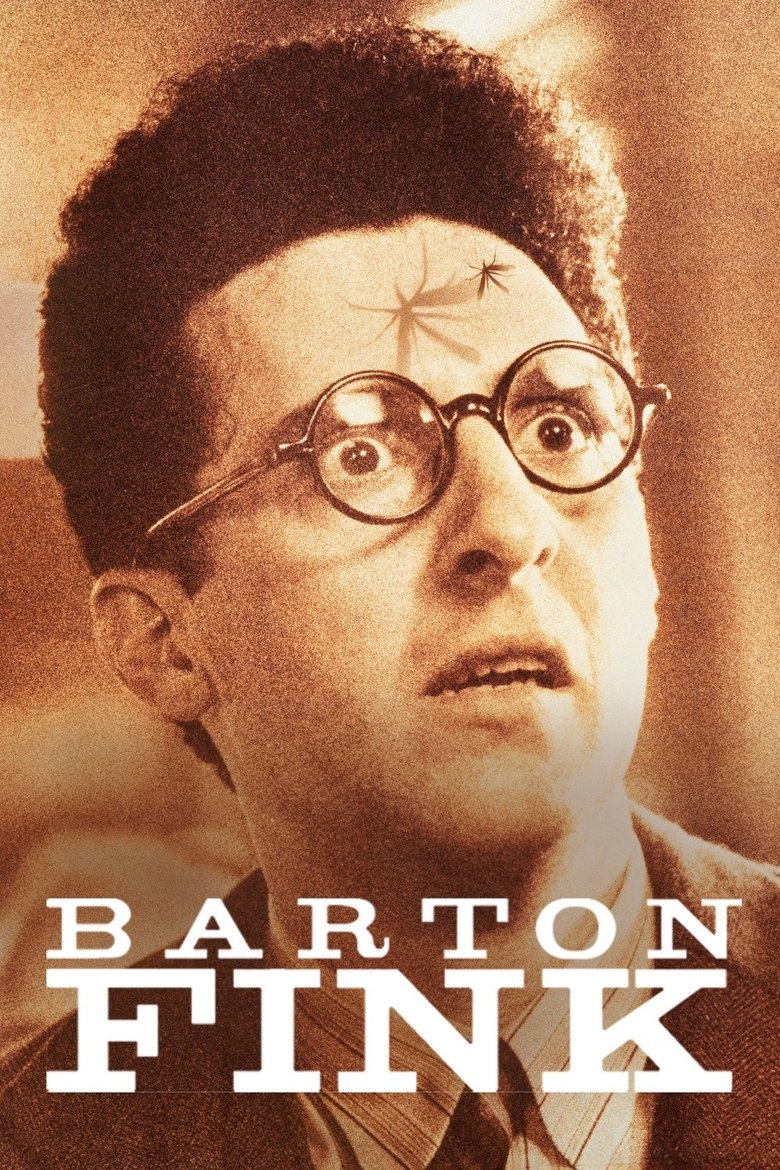
Barton Fink — The Common Man Knocks
The Coens' Hollywood nightmare is not about writer's block; it is about a writer who never once listens.
Updated July 25, 2026
 ★★★★★
★★★★★
Lunara Review
No Country for Old Men — The Thriller That Stops Answering
The Coens' McCarthy adaptation keeps subtracting everything a chase picture owes you, and every subtraction is the meaning.
Updated July 25, 2026
 ★★★★★
★★★★★
Lunara Review
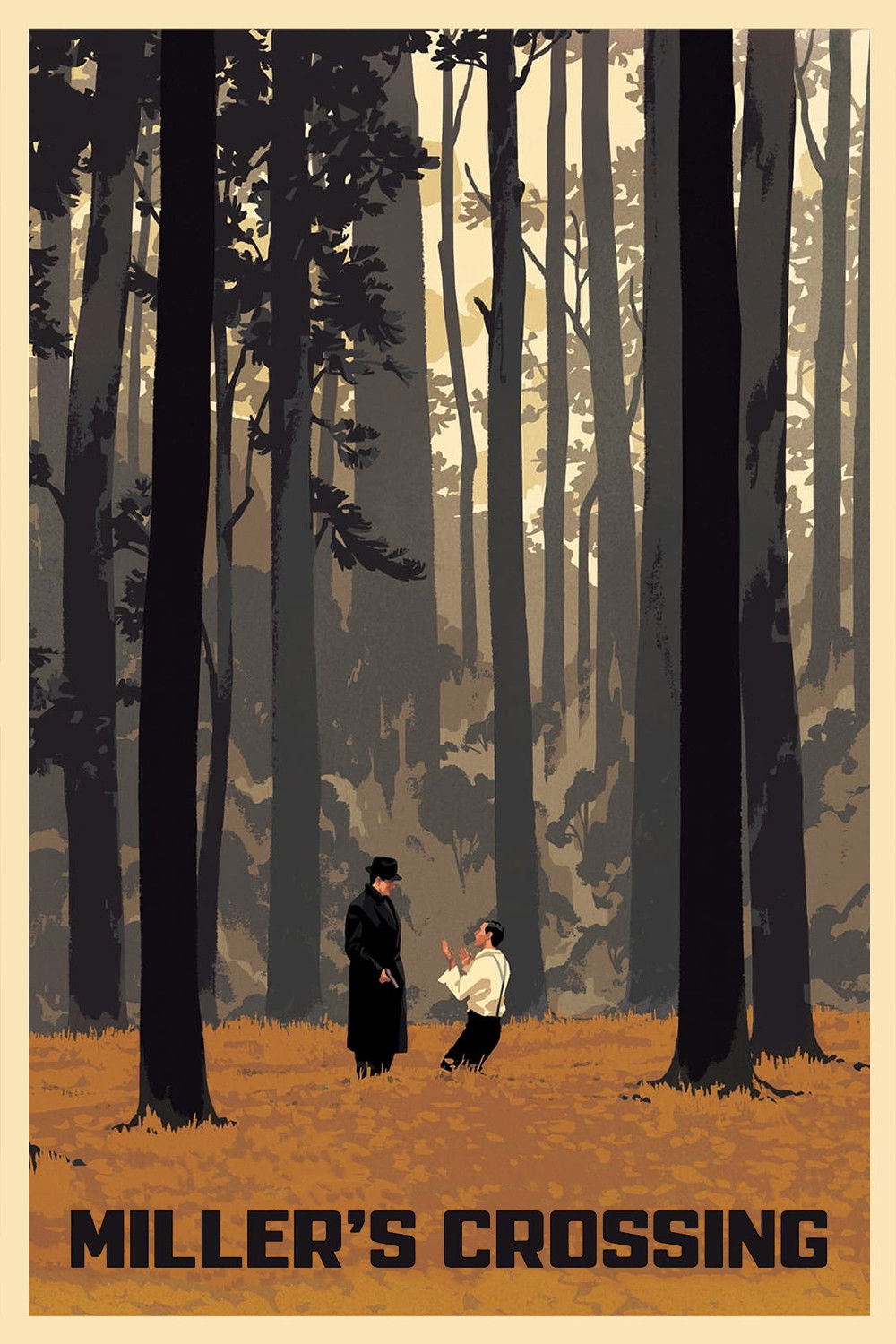
Miller’s Crossing — Love, Disguised as Treachery
The Coens' gangster picture is about a man who can only protect what he loves by betraying it, and a hat he will not chase.
Updated July 25, 2026