
Lunara Review
Blood Simple — Trust Is a Sucker’s Bet
Four people, one crime, and not a single shared fact among them: the Coens' whole cosmology, complete on the first try.

Four people, one crime, and not a single shared fact among them: the Coens’ whole cosmology, complete on the first try.
Halfway through the Coens’ first picture, a bartender named Ray stands in a plowed field outside Austin at four in the morning, leaning on a shovel, waiting for the man in his headlights to finish dying. He has spent the night cleaning up a murder he believes his girlfriend committed. He has driven the body across dark farmland with rain hammering the windshield, and somewhere on that drive the body woke up. Now Julian Marty, gutshot, half-ruined, is dragging himself up the furrows one fistful of dirt at a time, lit like an accusation by his own car, and Ray, who came out here to be loyal, learns what loyalty will agree to at four in the morning. He digs the hole anyway. The sequence runs close to a quarter of an hour with barely a spoken line, and it is still the purest nightmare the Coens ever staged, because nothing in it is evil. It is one decent, terrified man performing each small task correctly, in order, all the way down.
On paper the movie is a pocket noir. Marty, a bar owner built out of sweat and grievance, suspects his wife Abby of sleeping with Ray, one of his bartenders, and he is right. He hires a private detective named Visser to take pictures, then makes the classic Texas mistake of upgrading the order to murder. Visser sees a better angle: he doctors the photographs, shoots the client with the wife’s pistol, and leaves the frame to hang itself. From that night on, the four people in this film are each starring in a different movie. Ray believes Abby killed her husband. Abby believes Marty is alive and circling. Visser believes one loose photograph can undo him. And Marty believed, right up to the last second, that his money had bought him the truth. Not one of them ever holds a fact in common with another, and the plot is simply the sound of those private movies colliding in the dark.
The title comes from Dashiell Hammett, whose hoods used “blood simple” for the state a mind goes to after violence: scrambled, rattled, sure of exactly the wrong things. That is the film’s real subject, announced before the story even starts. Visser opens the picture with a drawl over empty highways and pumpjacks, musing that in Russia everybody pulls for everybody else, but down here you’re on your own. It sounds like cowboy swagger. It is actually a job description. Being on your own, in this movie, means informational solitude: every character makes life-and-death choices from half the evidence and total confidence, and the violence grows out of the gap. Nobody in Blood Simple is wicked enough to plan the tragedy that happens. They are only certain enough.
The style was built by people who could not afford glamour and turned the poverty into a method. Barry Sonnenfeld lights rooms so that the shadows work like bars on a cell: the bar’s back office, the motel room, Ray’s house at night are all cages you watch people pace. The sound is mixed close and mean, drips and creaks and a slow ceiling fan doing the work an orchestra usually does, so that when violence comes it feels intimate, almost domestic, a chore performed at arm’s length. When Ray mops the blood off the bar floor, the camera watches the swirl go down the drain with a patience Hitchcock would have recognized, but the inheritance has been stripped of elegance on purpose. No killing in this movie is clean and none is quick. People here die the way amateurs would actually make them die: slowly, clumsily, with the killer apologizing to no one and sweating through his shirt.
M. Emmet Walsh’s Visser is the film’s black heart and its only realist. He grins like a coyote that has spotted a lame rabbit, sweats through a yellow leisure suit, and philosophizes at gunpoint, and Walsh plays him as the one man in Texas who understands the game being played, undone by the one detail he cannot see. Dan Hedaya gives Marty the gift of making jealousy look like an illness, a man so curdled he is decomposing ahead of schedule. And Frances McDormand, in her debut, plays Abby with a wide-eyed grit that keeps the film honest: she is tougher than anyone gives her credit for and exactly as lost as everyone else, the only character whose wrong guesses come from innocence instead of appetite.
What keeps the debut one rung below the masterpieces it seeded is temperature. These people are premises. The film gives Abby and Ray a motel night, a handful of half-finished sentences, and no interior at all; their love is asserted so the plot can misfire around it, and so the finale resolves the way a proof resolves, elegant and airless. You admire the geometry. You do not grieve anybody. Twelve years later, Fargo would run this same spiral of botched crime and confident error and put a whole human being at the center of it; here the center is a diagram, brilliantly drawn. The movie watches its fools unravel without ever preaching at them, which is its integrity, but also without ever quite mourning them, which is its ceiling.
Then the ending, which is still perfect. Abby, hunted through a dark apartment by a man she has never seen, fires through a closed door and announces she is not afraid of Marty. On the other side, under the sink, Visser bleeds among the pipes, takes in the magnificent wrongness of that sentence, and starts to laugh. If he sees Marty, he says, he’ll give him the message. Daylight comes through the bullet holes in little slanted beams. She has killed a stranger and thinks she is free; he dies knowing the truth and finding it hilarious; the one fact they finally share is a joke neither can explain to the other. Nobody wins, the story ties itself tight, and a pair of first-timers walk away having made gold out of grit. Everything the Coens would spend four decades perfecting is already in that room: the fatal confidence, the procedural panic, the comedy waiting inside the horror. In Texas you’re on your own. The first film proves it by letting four people be wrong together, in the same small building, each of them absolutely alone.
LUNARA DEBRIEF
- Score: 4 / 5
- Year: 1984
- Where to Watch: Streaming [Max] | VOD [all major platforms]
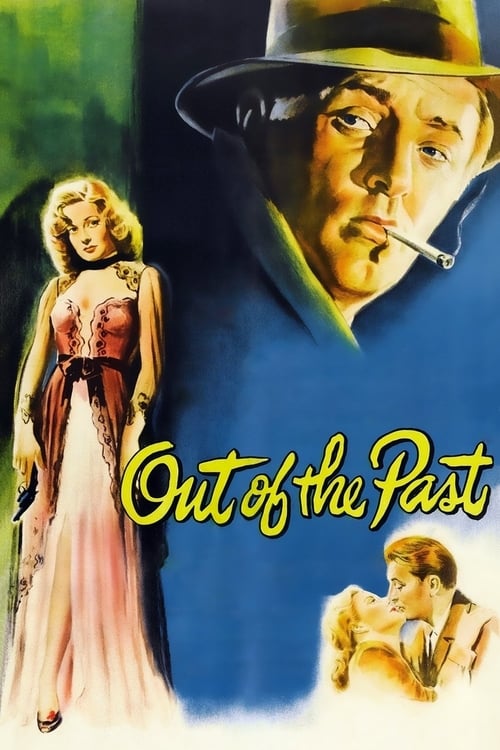
- Theme Echo: Out of the Past (1947) tt0039689. The noir where trust is also a sucker’s bet, run on opposite fuel: Mitchum’s Jeff knows everything and is doomed anyway; the Coens’ four know nothing and doom themselves. Fate versus error, and both films end at the same address.
- Counter-Program: The Thin Man (1934) tt0025878. A murder plot navigated by the one thing no one in Blood Simple possesses: a couple who actually talk to each other. Nick and Nora share every fact over cocktails; the counterexample proves the Coens’ rule.
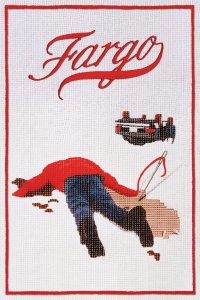
- Career Context: Fargo (1996) tt0116282. The return trip. Same spiral of bungled crime and confident wrongness, but twelve years on the Coens add the thing the debut withholds: a moral center with a heartbeat. Watch them back to back and you can see exactly what warmth costs and buys.
LUNARA DEBRIEF
- Score:★★★★
- Year:1984
- Where to Watch:
Pair It With
Three films in conversation with this one.
Theme Echo
Out of the Past (1947)
The noir where trust is also a sucker's bet, run on opposite fuel: Mitchum's Jeff knows everything and is doomed anyway; the Coens' four know nothing and doom themselves. Fate versus error, and both films end at the same address.
Counter-Program
The Thin Man (1934)
A murder plot navigated by the one thing no one in Blood Simple possesses: a couple who actually talk to each other. Nick and Nora share every fact over cocktails; the counterexample proves the Coens' rule.
Career Context
Fargo (1996)
The return trip. Same spiral of bungled crime and confident wrongness, but twelve years on the Coens add the thing the debut withholds: a moral center with a heartbeat. Watch them back to back and you can see exactly what warmth costs and buys.
Further Reading
More Lunara Criticism
 ★★★★★
★★★★★
Lunara Review
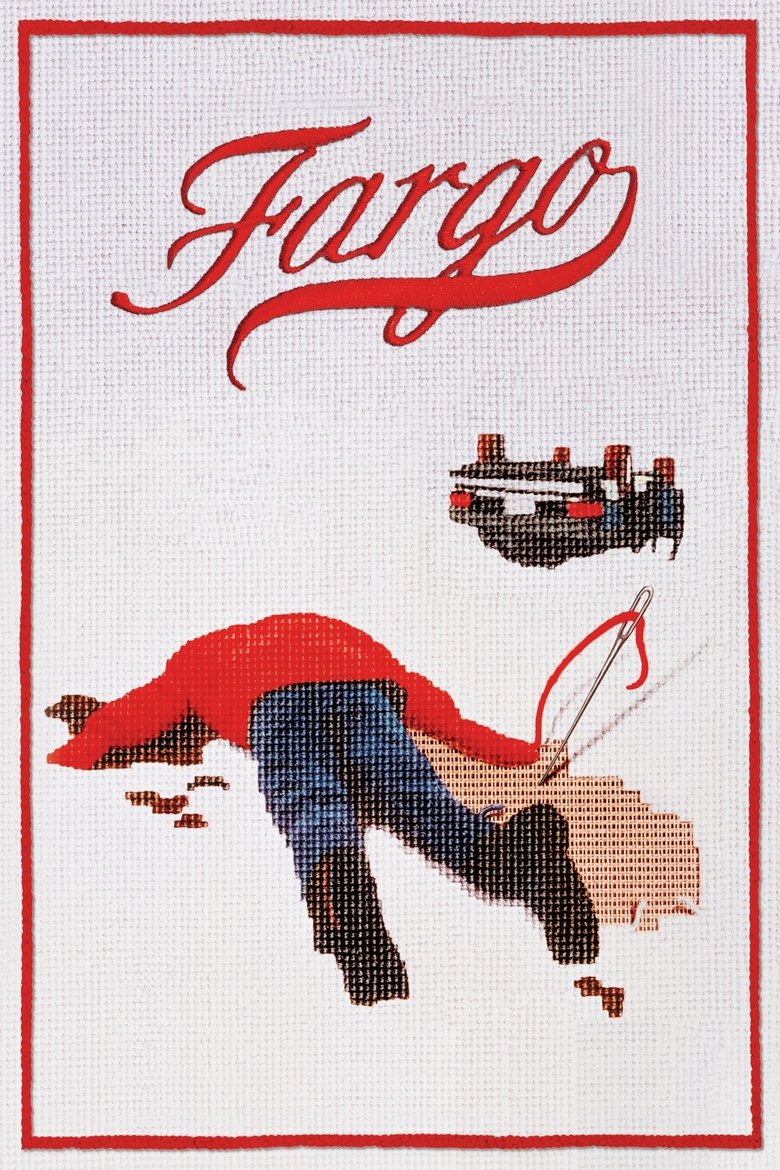
Fargo — Two Uses for Nice
The accent everybody imitates is doing two different jobs: for Jerry it is camouflage, for Marge it is a method.
Updated July 25, 2026
 ★★★★★
★★★★★
Lunara Review
Burn After Reading — Nobody Learns Anything
The Coens' spy comedy has no spy and no secret; eighteen years on, that is the scariest thing in it.
Updated July 25, 2026
 ★★★
★★★
Lunara Review
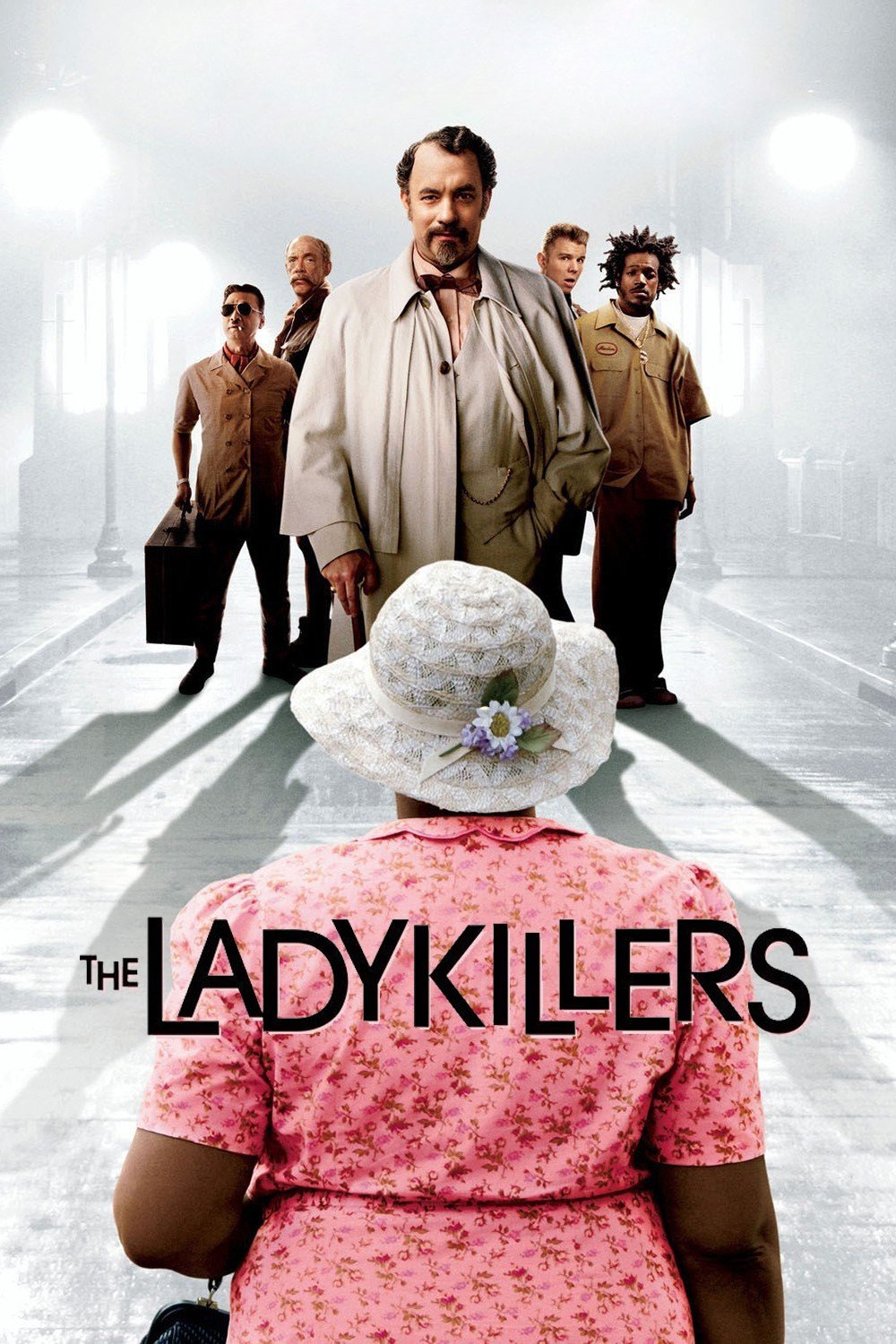
The Ladykillers — The Soundtrack Believes, the Movie Grins
The Coens' Southern remake has a churchful of soul on the soundtrack and a cartoon where its menace should be.
Updated July 25, 2026
 ★★★★★
★★★★★
Lunara Review
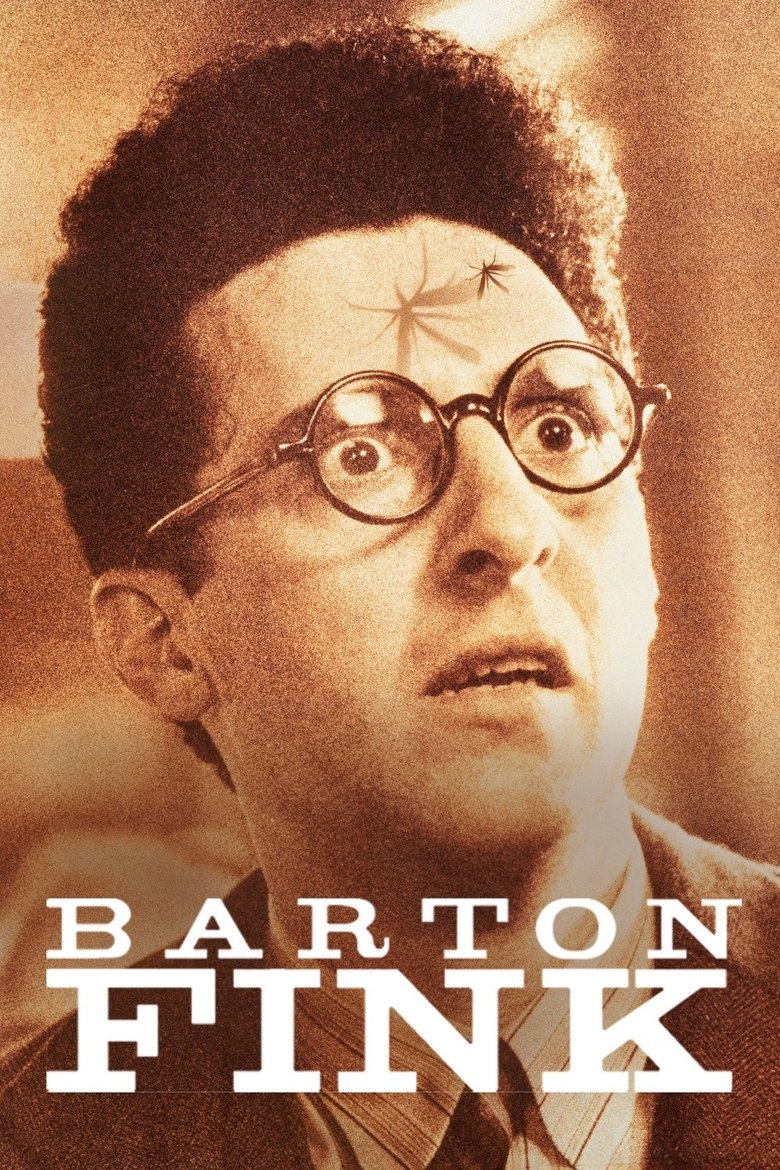
Barton Fink — The Common Man Knocks
The Coens' Hollywood nightmare is not about writer's block; it is about a writer who never once listens.
Updated July 25, 2026
 ★★★★★
★★★★★
Lunara Review
No Country for Old Men — The Thriller That Stops Answering
The Coens' McCarthy adaptation keeps subtracting everything a chase picture owes you, and every subtraction is the meaning.
Updated July 25, 2026