

Miller’s Crossing, 1990
Miller’s Crossing — Love, Disguised as Treachery
Movie Review
The Coens hide the biggest heart in their gangster picture under a fedora, and the man wearing it would rather die than admit the hat is his.
The first face you see belongs to a killer who wants to talk about ethics. Johnny Caspar sits sweating in a leather chair, ice clicking in the tumblers, asking permission to murder a bookie who keeps selling out his fixed fights, and he pitches the hit as a seminar: friendship, character, ethics. Jon Polito gives the speech everything he has, no wink anywhere in it, a thug honestly hurt that the world will not live by the rules it claims. Behind him sits Leo O’Bannon, the man who actually runs this city, listening with the patience of somebody who owns the referee and knows it. It is the funniest way imaginable to open a gangster film, and it is also the whole picture in miniature. Everybody in this town talks a code out loud. The movie is going to spend two hours squeezing them until it finds the one man who really has one, and it is going to find that code hidden so deep its owner cannot say its name. Then the credits roll: a fedora tumbling end over end through autumn woods, wind in the high branches, nobody chasing it.
The town goes unnamed and the year unstated; the bottles and the tommy guns say Prohibition. Leo runs things. Tom Reagan, Gabriel Byrne behind hooded eyes and a permanent hangover, thinks for him. The war starts over Bernie Bernbaum, the bookie Caspar wants dead, because Leo has gone soft on Bernie’s sister Verna, and Tom, helpfully for nobody, is sleeping with her too. The plot from there twists like a corkscrew, but the spine underneath is simple and terrible. Tom can see that shielding Bernie will cost Leo the city and probably his life, and Leo, in love, will not hear a word of it. So Tom does the one thing that can save him. He blows up the friendship on purpose. He confesses the affair, stands there and takes his beating, walks across the street to Caspar, and spends the rest of the film tunneling through the rival outfit like a mole nobody is running, lying to every face in town so that the one man he never stops serving can keep breathing. The tragedy is not the betrayal. The tragedy is that betrayal is the only dialect Tom speaks for love, and Leo, a man who says his feelings at full volume, cannot translate it.
The hat carries everything Tom will not say. He dreams about it and makes the mistake of telling Verna: wind in the woods, the hat blowing off. She reaches for the romantic reading, that he ran after it and it turned into something wonderful, and Byrne hands her the coldest line he delivers in the whole film. It stayed a hat. And he did not chase it. Nothing more foolish than a man chasing his hat. Watch what the movie does with that. Every beating Tom takes, and he takes them the way other men smoke, knocks the fedora into the dirt; every one of those scenes ends with him picking it up, squaring the brim, putting the armor back on. He is the only man in the picture who will chase nothing, claim nothing, name nothing, in a story where every other man announces his heart like a train departure. The Coens built an entire moral vocabulary out of headwear and never once underline it. The hat is simply there, like the feeling, going where the wind takes it, its owner following at a fixed and careful distance.
When the film finally opens its chest, it does it through Leo, and the sequence is one of the great arias in American crime cinema. Assassins come for him at night while Danny Boy turns on the gramophone. Albert Finney, dressing gown and slippers, rolls under the bed, fires the first shooter down through the floorboards, takes the Thompson off the corpse, and then walks his own front lawn in the firelight, hosing tracers into the getaway car while the tenor climbs. The record never skips. The old man conducts the massacre like the song is his sheet music, and the point arrives without a word of dialogue: Leo can declare himself, in love or in gunfire, with total fluency. Tom watches from somewhere across the plot, fluent only in angles. Barry Sonnenfeld shoots it all in tobacco browns and long oak corridors, rooms the color of old whiskey, and Carter Burwell hangs the score on an Irish air so tender it feels smuggled in from the movie Tom will not allow himself to live in. Even the slang, all that rumpus and twist and high hat, period idiom the Coens invented and polished till it gleams, works the same job the fedora does. Language in this city exists to keep everyone at arm’s length, and it earns its pay.
The center of the film is one favor. Marched into the woods at Miller’s Crossing to prove his defection by shooting Bernie, Tom stands and listens while John Turturro performs the most debased begging ever put in a gangster picture, look into your heart, look into your heart, a man taking his own dignity apart piece by piece to stay alive. And Tom looks. And finds the thing he keeps swearing he does not have, and fires into the leaves. It is the single merciful act in the movie, and the movie charges him for it like a loan shark. Bernie comes back that night grinning, ready to blackmail the man who spared him, because in this economy mercy is not grace. It is exposure, a debt somebody else collects on forever. If the picture has a flaw, it lives in the stretch that follows, where the double-crosses stack up, the Dane circling, Mink babbling, a toupee floating down a river of plot, and for a reel the gears briefly outrun the feeling; you follow it with your forebrain and wait for your blood to catch up. You can defend the fog as Tom’s own guardedness turned into form, and that defense holds. For one stretch, though, dense is the honest word.
The blood catches up in the last five minutes and the whole picture empties into them. Bernie, cornered for good this time, reaches for the plea that worked before, look into your heart, and Tom answers, what heart, and this time the gun does not lift toward the trees. The code completes itself right there: the man who showed mercy once, and learned exactly what it costs, closes the account, and something in him closes along with it. Then the funeral. Leo, saved, restored, never knowing the true shape of what saved him, offers Tom everything back. Tom says no. No reason given, because none is possible; the reason is the entire film you just watched. Leo walks away down the path, and Tom leans against a tree at Miller’s Crossing, where the hat once blew, and adjusts the brim, and watches him go. He gave up the man to save the man, and the arithmetic came out perfect, and what it left him holding was the hat. That is the picture. The most beautiful thing the Coens have ever made about the price of never once saying it out loud.
Lunara Film Debrief
- Score:★★★★★
- Year:1990
- Where to Watch:

Theme Echo
What is this film really about — and who else has said it?
The Third Man (1949)
The other masterwork about executing a friend on principle. Holly shoots Harry in the sewer dark; Tom finally fires among the leaves; and both films close on the same image, a loyal man standing in a corridor of trees while the person he did it all for walks past without stopping.

Counter Program
What is the strongest argument against it?
The Godfather (1972)
The gangster epic where feeling gets spoken, family is liturgy, and betrayal arrives with a kiss on the mouth. Coppola plays the code as opera; the Coens play it as porcelain, glazed and sealed. Run them back to back and you can measure exactly how much heat each style traps and how much each one lets out.

Career Context
Where does this sit in the artist's story?
Blood Simple (1984)
The debut's betrayal geometry, six years on: there a lovers' triangle misread itself into a bloodbath; here the triangle is father, son, and city, and the misreadings are deliberate, authored by Tom as strategy. The amateurs of the first film became one professional, and the body count barely noticed.
More Lunara Film Criticism
Further Reading
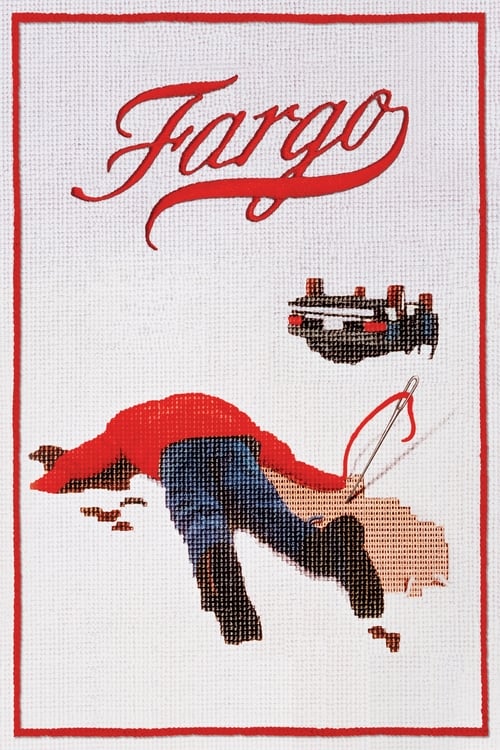 ★★★★★
Lunara Film Review
Fargo — Two Uses for Nice
The accent everybody imitates is doing two different jobs: for Jerry it is camouflage, for Marge it is a method.
Updated September 23, 2026
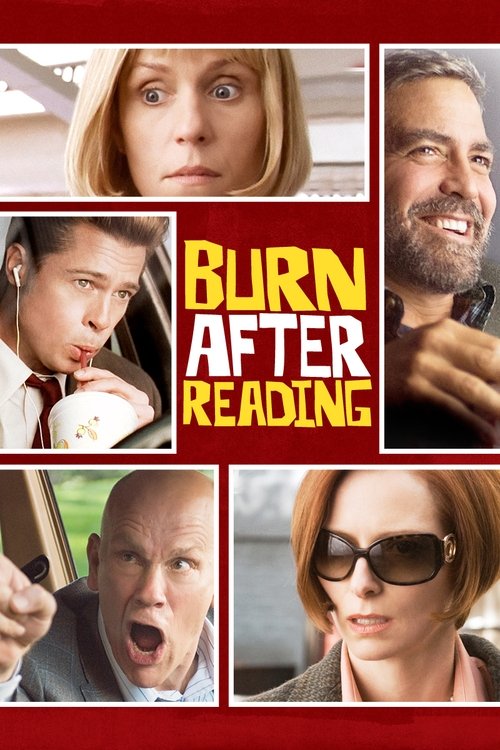 ★★★★★
Lunara Film Review
Burn After Reading — Nobody Learns Anything
The Coens' spy comedy has no spy and no secret; eighteen years on, that is the scariest thing in it.
Updated September 23, 2026
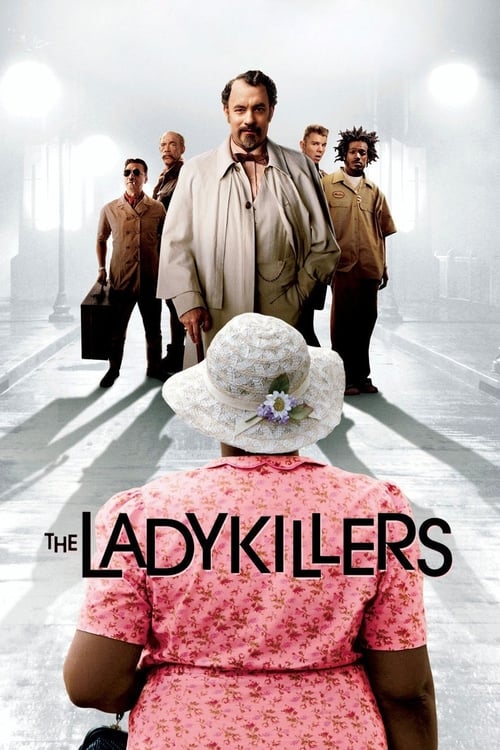 ★★★
Lunara Film Review
The Ladykillers — The Soundtrack Believes, the Movie Grins
The Coens' Southern remake has a churchful of soul on the soundtrack and a cartoon where its menace should be.
Updated September 23, 2026
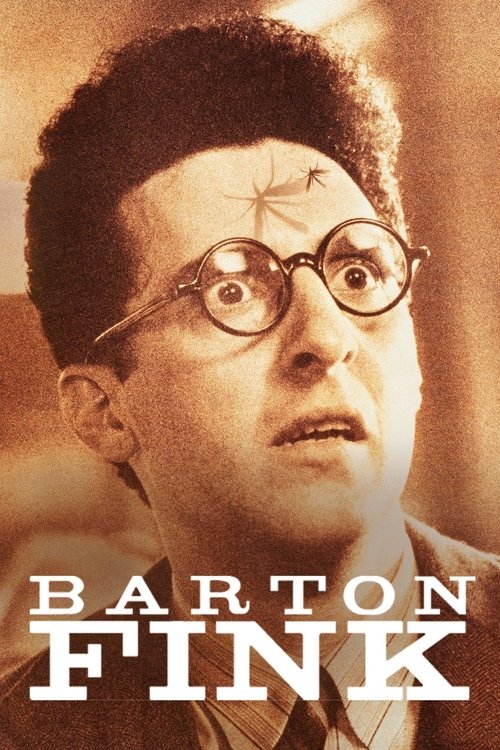 ★★★★★
Lunara Film Review
Barton Fink — The Common Man Knocks
The Coens' Hollywood nightmare is not about writer's block; it is about a writer who never once listens.
Updated September 23, 2026
 ★★★★★
Lunara Film Review
No Country for Old Men — The Thriller That Stops Answering
The Coens' McCarthy adaptation keeps subtracting everything a chase picture owes you, and every subtraction is the meaning.
Updated September 23, 2026