
Spider-Man: Brand New Day — Never Allowed to Stay on the Block
Movie Review

Spider-Man: Brand New Day, 2026. Columbia Pictures / Marvel Studios
The best idea in the biggest movie of the year is an empty apartment, and the movie cannot stop filling it.
FULL SPOILERS. This review discusses the whole film, including the reveal the marketing only winked at and where the ending leaves everyone.
Nobody knows Peter Parker. That is where Brand New Day begins, and for a while it has the nerve to mean it. The spell that closed the last film wiped him out of every mind that ever loved him, and Destin Daniel Cretton opens on the aftermath as a lived condition rather than a plot problem: a kid working shifts, patching a suit at a kitchen table, coming home to a silence that used to have people in it. The new suit has eyes that move, and the choice is not a toy note. It is the film admitting that this Peter has no one left to emote to, so the mask has to do it for him. Tom Holland, who spent three movies playing eagerness, finally gets to play stillness, and it turns out stillness is where he lives. He has never been better, and I do not say that lightly about an actor whose whole franchise was built on the charm of never sitting down.
For its first hour, this is the rare colossus that seems to understand its own premise. Cretton came up through small rooms, movies about damaged people learning to be in the same space without breaking, and he shoots Peter’s loneliness the same way: patiently, at eye level, letting the sadness sit until it stops being decoration and starts being weather. When Jon Bernthal’s Frank Castle enters the picture, the friction is the good kind. Castle is what a man looks like when grief finishes its work, and the film lets Peter see that and flinch. The action, when it comes, is the cleanest this franchise has staged in years, weighty and legible, built around bodies rather than clouds of pixels. There is a real movie here, and everyone involved knows exactly what it is: a story about what you do with your gifts when the audience for them is gone.
Then the back half arrives, and the movie stops trusting the thing it built.
The empty apartment fills with franchise furniture. Familiar faces from other stories arrive carrying their own luggage, and to be fair, this is the rare crossover traffic that mostly serves the theme. Each visitor is a mirror for isolation, another kind of survivor, and the quiet scene where Bruce Banner talks about his other self the way a man talks about a disease he has learned to live alongside gets closer to actual tenderness than this series has managed since it moved to streaming-scale storytelling. But the villain gets the origin flashbacks that Peter’s grief deserved, the plot acquires homework that will not be graded until some future installment, and the film’s rhythm, so patient early, starts checking its watch. At 145 minutes, Brand New Day is a two-hour movie carrying forty-five minutes of scaffolding for buildings we have not seen yet.
The biggest piece of that scaffolding has a face, and the face belongs to Sadie Sink. The marketing played coy about her. The movie does not, and neither will I: for long and load-bearing stretches, this is a Jean Grey picture wearing a Spider-Man title. Sink is not a cameo or a corridor tease. She is a full second protagonist, a hunted girl carrying a fire she never asked for, and every scene she enters, the film tilts toward her like a compass finding north. And here is what makes it genuinely maddening rather than merely cynical: she is good. Sink plays the terror of your own interior as something physical, a girl gripping her own arms like a lid on a pot, and her scenes with Holland have a runaways-in-the-rain charge the movie visibly falls in love with. I fell for it too. But somewhere in the second hour you realize the film’s actual job description. Peter’s loneliness was the pitch; her arrival is the product. The movie about a boy nobody remembers exists to introduce the woman everybody in the next decade of this franchise will be required to remember. He is the opening act at his own headlining show. And the ending confirms the priority: the device clamped on her by the third act exists to be unclamped in someone else’s movie, the last shots are promissory notes, and the film closes not on Peter’s condition but on the franchise’s calendar.
I have been here before, and so has he. Every era of this character, all the way back, has been bent by some obligation larger than him. One version got a studio-mandated third villain stuffed into its finale. Another spent two movies seeding a rogues gallery for films that never came. This era raised him as a rich man’s intern, then loaned him out as the multiverse’s doorman. Somewhere in there I made peace with a strange truth: there has never been a Spider-Man movie that was allowed to just be a Spider-Man movie. Not once. The most neighborhood-scaled hero in the canon, the one whose entire ethos is the block he lives on, has never in a quarter century of movies been permitted to stay on his block. That is not this film’s invention. But it stings worse here, because this was the one with the premise that could have finally justified smallness, a hero erased down to nothing, a story with every excuse to stay in the apartment, and even this one arrives carrying someone else’s future.
Credit where the craft is due, because the craft is the argument for the price of a ticket. This is the first entry in years where the action has geography, where you could draw a map of a fight afterward and mark where everyone stood. A mid-film chase is staged almost entirely at street level, cabs and fire escapes and civilians who behave like people rather than debris, and the physicality lands because Cretton keeps choosing the practical option a beat longer than the house style usually allows. Even the color has opinions. New York gets to look like autumn instead of a color grade. None of this is incidental to the loneliness story; a hero this isolated needs a city that feels touchable, and for long stretches he finally has one.
Here is the strange thing. The people I saw it with did not seem to mind, and I understand why. As spectacle, this is a triumph of restored competence, a franchise remembering that a punch should land somewhere and a joke should come from a character. The sharper objection runs the other way: that all this mourning is a costume, that the film ladles sadness over the identical product and calls it growth. I do not fully buy that. The melancholy is real, and it is the most honest emotional register this Peter has ever been allowed. But the complaint has a true core, because a film this committed to grief owed us the thing grief actually costs, and Brand New Day keeps flinching at the bill. The people wiped from Peter’s life stay wiped, offscreen, theoretical. The movie about losing everyone is strangely uninterested in the everyone.
So I liked it. I did not love it, and the gap between those two words is exactly the shape of the acceptance this movie asks of me. Cretton has given this series its first real director’s film since the Raimi years, an entry with a temperature, a palette, a wound. He was also handed a delivery schedule, and the schedule wins the third act, the way it always wins, the way I now understand it will always win. What lingers afterward is not the finale and it is not even Sink’s fire. It is that apartment, the moving eyes on the mask, a kid explaining himself to nobody. Somewhere inside the biggest opening weekend in history is a small, sad, patient film about being unknown, and I have finally stopped waiting for the machine to let one of these exist on its own. That is not cynicism. It is just the price of admission, printed clearly on the ticket for twenty-five years, and I keep paying it, because for one full hour this time, the movie underneath was worth it. I wanted it to stay small long enough to break my heart. It settles for bruising it.
Lunara Film Debrief
- Score:★★★½
- Year:2026
- Where to Watch:
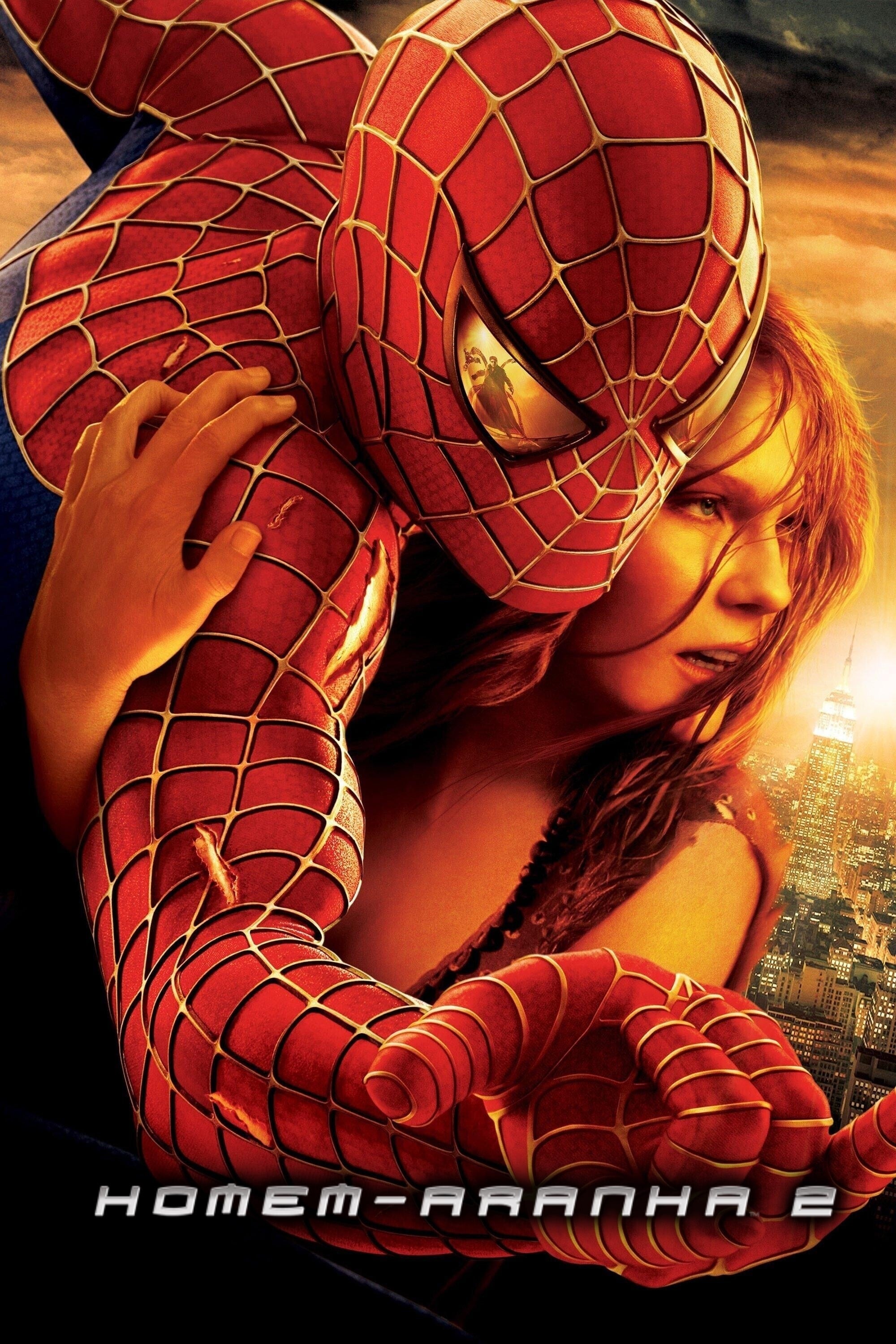
Still the measuring stick, because it made the same argument without a memory spell: the suit costs a life. Watch them together and Brand New Day's melancholy reads as an inheritance it honors but never quite earns outright.

The productive opposite: maximal style, total sincerity, and crossover logic that multiplies joy instead of homework. Proof the multiverse can serve a heart rather than a slate.

Cretton's first small rooms, where damaged people learn to share space. It is the skeleton key to everything that works here, and the measure of what the schedule sanded off.
More Lunara Film Criticism
Further Reading
 ★★★½
Lunara Film Review
Shang-Chi and the Legend of the Ten Rings — The Villain Problem Was Casting
Marvel finally solved its villain problem by hiring the greatest living romantic actor and letting him grieve.
Updated September 23, 2026
 ★★★
Lunara Film Review
The Social Reckoning – A Procedural Without a Pulse
Aaron Sorkin's The Social Reckoning trades Fincher's kinetic tragedy for a dry, well-acted Facebook procedural that informs rather than shatters.
 ★★½
Lunara Film Review
Misty Green – The Price of Second Acts
Chris Rock's Misty Green is an ambitious, tonally fractured Hollywood satire rescued only by Rosalind Eleazar's smoldering musical defiance.
 ★★★★½
Lunara Film Review
Primetime — The Sordid Theater of Our Friday Night Bloodsport
Lance Oppenheim turns To Catch a Predator into a horror movie, with Robert Pattinson's Chris Hansen in the kitchen and all of us watching from home.
 ★★½
Lunara Film Review
The Uprising What Could Have Been
Paul Greengrass files a searing report from the mud of 1381, then spends his final stretch turning a real tragedy into a Robin Hood origin story.