
Lunara Review
Star Wars: The Mandalorian and Grogu — The Craft Is the Alibi
The Mandalorian and Grogu plays like a season of TV with the filler cut out -- and the cut reveals there was never a spine underneath.

The Disney+ hit makes its theatrical jump this week, and the move from small screen to IMAX doesn’t enlarge the show so much as expose it — two hours of immaculate craft in search of a reason to exist.
Star Wars: The Mandalorian and Grogu is the first theatrical Star Wars picture in seven years, and it arrives this week with the strangest possible problem for a blockbuster: it feels shorter than its source. Three seasons of television have been distilled into a hundred and thirty-two minutes — the side quests pruned, the planet-of-the-week detours swept out, the whole baggy, pleasurable sprawl of the show compressed into one clean throughline. It plays like a fan edit, a season recut to pull the filler and leave only the plot. And the discovery the movie makes, without meaning to, is that the filler was the show. Pull it out and there is no spine underneath — a bounty hunter, a small green child, a composer doing heroic work, and ninety-odd minutes of forward motion that arrive precisely nowhere.
Jon Favreau has been disarmingly candid about how this happened. The form, he has said, informed the story — not the other way around. The decision to make a movie came first; the question of what the movie was for came second, and you can feel that sequence from the jump. It opens on a snow planet, all Hoth-white vistas and frostbitten action, a sequence built to announce scale that pays off nothing, a prologue in search of a plot. Worse, it leans on a legacy character carried over from prior seasons and the animated series, the kind of deep-bench cameo that asks you to have done years of homework before the title card has faded. That is the film’s first cruelty: it demands you know everything, and then hands the initiated nothing new to know. What passes for a story arrives back at base, where Sigourney Weaver’s Colonel Ward tells Mando he ran the last job wrong — they needed the target alive and talking — and slides a gleaming new ship across the table as a down payment on the next one. The next one is a rescue: the heir of a Hutt crime lord, a muscular scowling figure played by Jeremy Allen White, supposedly held captive in a neon-drenched fighting city. Except he is not captive. He likes the pits. The rescue is not a rescue, the prisoner does not want saving, and the stakes evaporate the instant you understand the setup. The one flicker of a character beat — Mando insisting he does not work for gangsters anymore — gets raised and then dropped, an arc the movie waves at on its way past.
What carries the film is the same thing that always carried the show, only now it is carrying more than it should have to. Ludwig Goransson’s score does not accompany this movie; it underwrites it. There are long stretches where Grogu is alone in the frame — no dialogue, no co-star, just a puppet and a landscape — and the music is asked to manufacture scale and suspense and feeling out of scenes the screenplay never built. It delivers every time, which is the problem, because when the score is doing the lifting the movie is quietly admitting it has no engine of its own. You leave humming a theme attached to nothing, moved by a swell the story did not earn. The craft around it is real and worth naming — David Klein shoots with a clean, legible eye, and the practical work gives the picture a tactility the franchise’s worst digital stretches lack — and Pedro Pascal plays Mando the way he always has, from inside a helmet, the shoulders and the stillness doing the acting the face cannot, a genuinely disciplined economy of motion. The trouble is the dialogue around it and the people delivering it: Weaver’s colonel has a rank and a grievance and not much else, and White’s Hutt heir is a slab of design where a character should be. And the single most alive thing in the picture is a cameo. Martin Scorsese, buried under prosthetics as a four-armed alien who runs a food stall and refuses to be shaken down, spends two minutes fast-talking in that clipped cadence only he has, and it is a genuine delight — the one stretch where the movie crackles. Then he is gone, barely twenty minutes in, and never returns. When the best thing in a theatrical Star Wars movie is a legendary director playing a fast-talking alien short-order cook, and the film’s instinct is to strand him early and move on, you know exactly where the pulse is and how little of the runtime it is allowed to hold.
To be fair, Favreau said he wanted a welcome mat — a self-contained adventure a newcomer could walk into cold and a veteran could settle into like a worn jacket. The movie betrays that intent inside its first ten minutes: you cannot walk into this cold, because it is built on a foundation of prior-season and animated-series lore it never pauses to explain, while offering the faithful nothing they have not already been served. And on the structural level it keeps resetting its tension instead of escalating it — a rescue that is not a rescue, an antagonist kept in reserve, a plot that solves the same beat twice — so that by the third act the machine is idling in neutral, waiting for the score to tell you something matters. Here is the part the cold critical read tends to miss: audiences are walking out of this happy, and they are not wrong about what they came for. The Mandalorian was never really about plot. It was about company — the ritual of spending another hour with a quiet man and a strange child, the low hum of vibe and texture and we-can-fix-him tenderness — and the movie delivers the hang. The warmth is genuine, the puppet still disarms, the two of them are still a pleasure to sit beside. That is a real thing, and it is the thing the show was selling all along. It is just not the same thing as a movie.
The melancholy of The Mandalorian and Grogu is that nobody involved seems to have asked what the movie was for, only that it should exist — and then made it beautifully anyway. The craft is not the problem. The craft is the alibi: Pascal’s disciplined stillness, Goransson’s heroic score, the puppet’s quiet devastation, all of it laid over a picture that was greenlit before anyone decided what it was. And the warmth cannot cover for that, because warmth was never the question — the show had warmth in abundance and a structure underneath to hold it, and a feeling with no frame around it is not an argument for a theatrical release; it is a very expensive way of missing television. The small screen is where this story breathes, in the detours and the dead air and the side characters who get a week of their own. Compress all of that out and you are left with the proof of a strange thesis: somebody cut the filler and went looking for the movie hiding inside the season. This week, on the biggest screen the franchise can buy, it turns out there wasn’t one.
LUNARA DEBRIEF
- Score:★★
- Year:2026
- Where to Watch:TheatricalFind ShowtimesAvailabilityWalt Disney Studios Motion Pictures, US wide release May 22, 2026)StreamingDisney+
Pair It With
Three films in conversation with this one.
Theme Echo
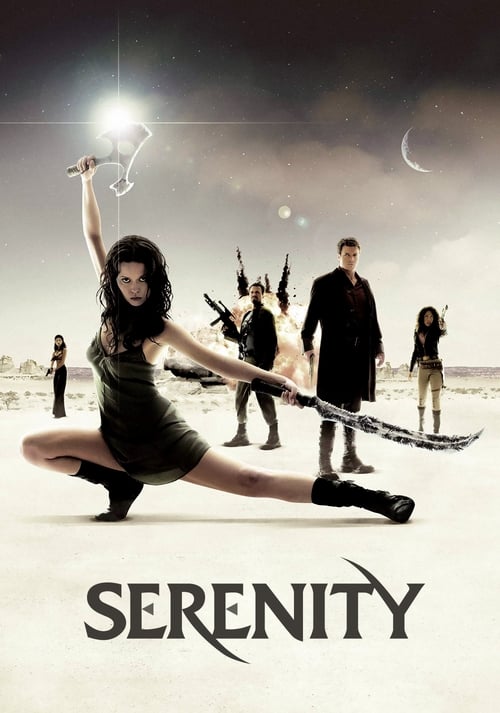
Serenity (2005)
Joss Whedon's theatrical rescue of the cancelled Firefly is the other side of the same coin -- a clinic on the TV-to-film fork. Serenity crammed a whole unfinished series into one movie and buckled under too much plot; this one has the opposite failure, sanding the plot to a single line and discovering there was never enough there to fill a feature.

Counter-Program
Mad Max: Fury Road (2015)
The gold standard of a "simple" premise made into pure cinema, where form and story are the same object and every frame is load-bearing. It argues the opposite of what Favreau's picture demonstrates: scale is earned by inseparability, not enlargement. One movie is form-first with no spine; the other is form-as-spine.

Career Context
The Lion King (2019)
Favreau's photoreal remake was the precedent: a technically immaculate object, spiritually inert, that audiences turned out for in enormous numbers anyway. The Mandalorian and Grogu runs the same play in a new sandbox and proves the move is now a method rather than a misfire.
Further Reading
More Lunara Criticism
 ★★★★
★★★★
Lunara Review
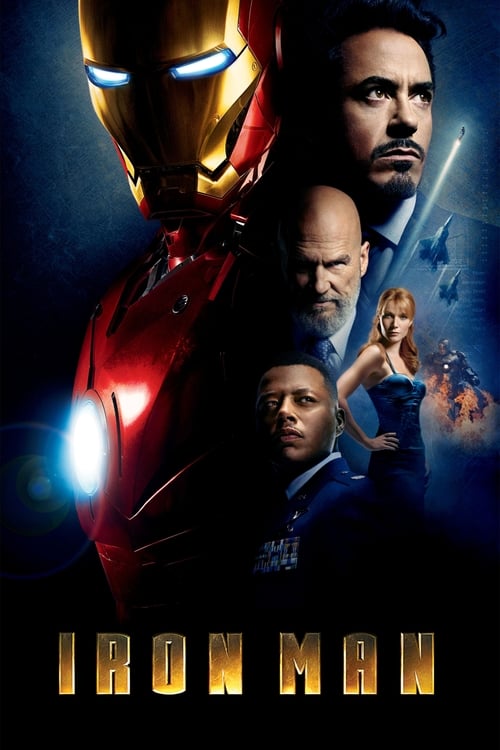
Iron Man — The One That Was Actually Dangerous
The most consequential line in the franchise was made up on the spot, and that is the whole movie in miniature.
Updated July 25, 2026
 ★★½
★★½
Lunara Review
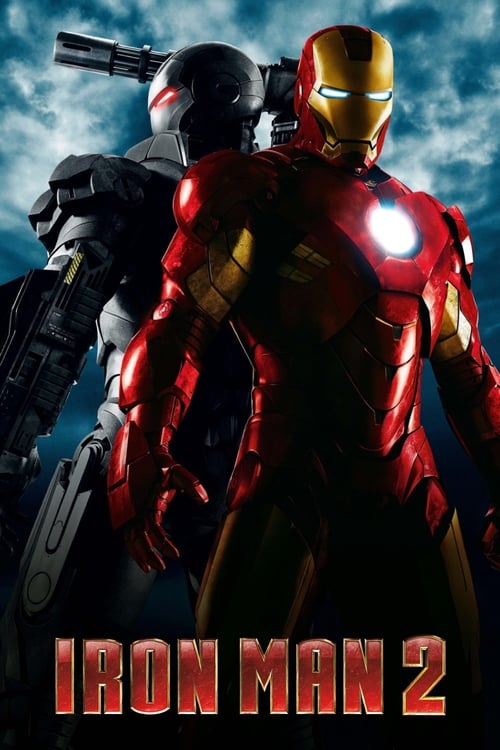
Iron Man 2 — The Sequel That Became a Commercial
For four minutes in Monaco it is a real movie; the rest is a trailer for films that do not exist yet.
Updated July 25, 2026
 ★★★★
★★★★
Lunara Review
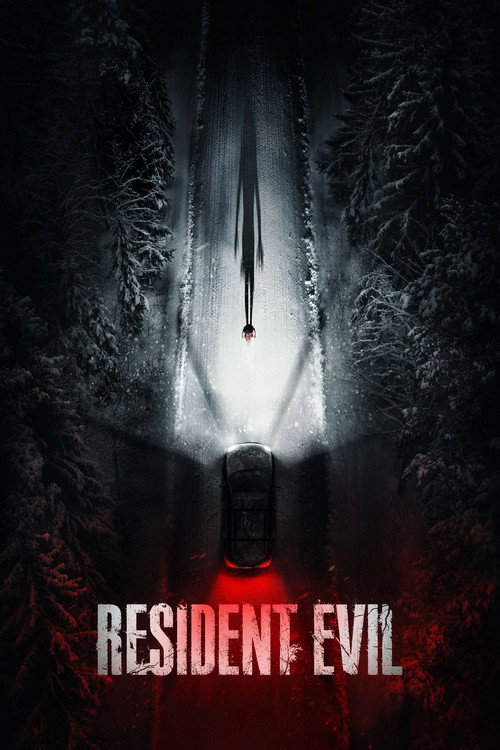
Resident Evil — The Worst Night of His Life
Resident Evil - Zach Cregger trades dread for velocity, and Austin Abrams gives a video game movie the most believable panic in years. Then it goes...
Updated September 22, 2026
 ★★
★★
Lunara Review
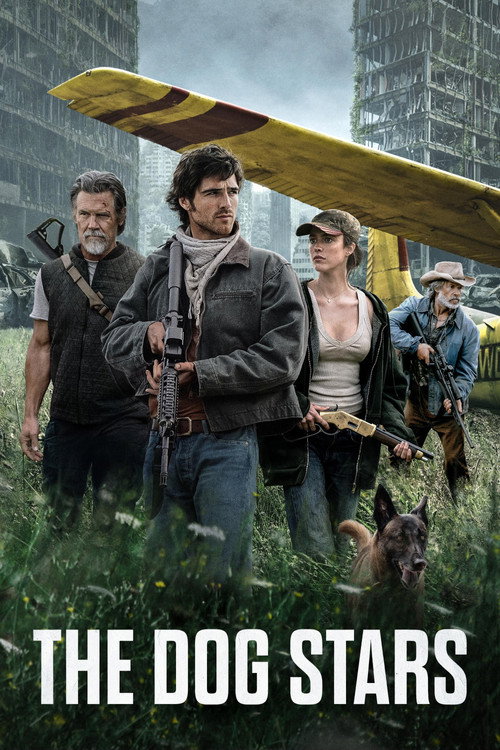
The Dog Stars — Going Nowhere Beautifully
Ridley Scott makes the end of the world look expensive and feel like nothing at all, and outsources the only honest emotion to a very good...
Updated September 10, 2026
 ★★½
★★½
Lunara Review
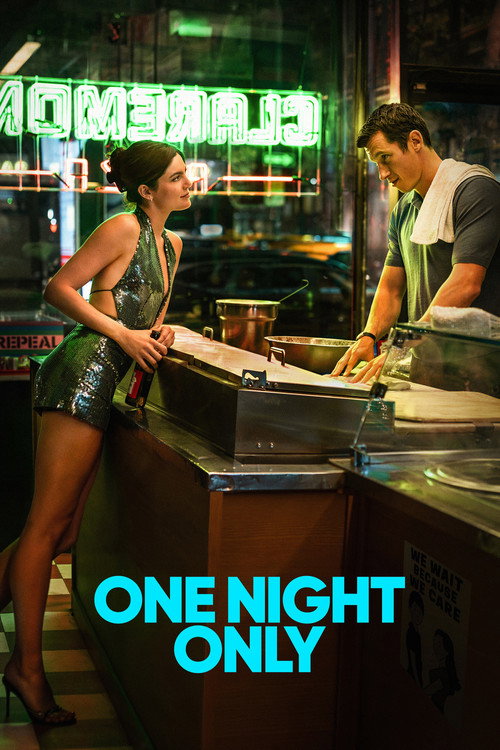
One Night Only — All Invitation, No Appetite
Two movie stars with real chemistry go looking for love inside a dystopian premise the movie never once has the nerve to interrogate at all.
Updated September 10, 2026