
Lunara Review
Tony — The Picture Stays With the Kid
Matt Johnson skips the whole life and films one single summer in a Provincetown kitchen, and Dominic Sessa builds a person out of spare parts.

One summer, one kitchen, one future television saint learning to hold a knife: the rare biographical film with the good sense to stay small.
He is nineteen and the kitchen calls him Tony, which is less a nickname than a placeholder. Anthony is a name you earn later. Tony is what the line yells at the kid in the dish pit when something needs carrying. Matt Johnson’s film spends one Provincetown summer in the mid seventies watching that placeholder slowly fill in, and it never once says the name it is filling in toward. No voice-over from the future. No wink at a camera he will eventually learn to talk into. Nobody tells him he ought to write this down someday. The fame is simply not in the movie, and that absence is the best decision anyone involved made. Everything good here follows from it.
The choice was locked before a single frame: pick a summer instead of a life. Every biographical picture faces the map or the territory, and almost all of them take the map, marching through decades with wig changes standing in for character. Tony takes one patch of territory and walks every inch of it. What that buys is a hangout film with an ache underneath, because the movie knows what we know and will not say it, and the silence is not evasion. It is manners. It lets the kid stay a kid, sunburned and hungry and still entirely possibility, and the sadness we carry in with us does the work a lesser film would have hired a narrator for.
My bias belongs on the record: I have been in the tank for Johnson since he was making features with camcorders and nerve. What thrills me is that a real budget, a beloved subject, and an A24 logo have changed nothing about how the man works. The handheld still behaves like a curious person rather than a style. The unwillingness to explain people who would rather be misunderstood than summarized is intact. So is the conviction that process is drama, that watching somebody get good at something is one of the most emotional arcs available to movies. Some filmmakers arrive and immediately start negotiating with themselves. Johnson keeps making Johnson pictures at progressively larger scales, and watching him do exactly what he always did, only with better light, is one of the purest pleasures on offer right now.
Dominic Sessa is phenomenal, and the kind of phenomenal matters, because the movie-star coronation everybody can feel coming is earned in small choices rather than big ones. He plays Tony as a watcher. The cool is entirely aspirational, and you can see the calculation running behind the stare, a kid deciding in real time which version of himself might survive this kitchen. He is funny without asking for it and wounded without underlining it. When the swagger finally starts to fit, you realize the film has shown you a personality being assembled out of spare parts, which is the truest thing any movie has said about this particular man. It is his second real role. That should not be possible.
And everybody in this thing is cooking. Antonio Banderas, as the exacting chef who becomes the film’s flinty conscience, gives the mentor performance that usually gets sanded down into warmth and keeps the sandpaper instead; his standards are the love language, and one demonstration involving a condiment is the best scene of the year in any genre. Emilia Jones takes the girlfriend part a lazier film would have used as scenery and gives Nancy her own weather, a person rather than a witness to somebody else’s becoming. Leo Woodall is all charisma and rot as the bad influence you would also have followed anywhere at nineteen. Even the one-scene wonders, the line cooks and the locals and Stavros Halkias holding court, feel cast by somebody who loves faces the way this kitchen loves butter. Ensemble is the wrong word. This is a functioning organism, and the fly-on-the-wall style only works because every wall has somebody this alive in front of it.
The film has two real problems and I would rather answer them than wave at them. It does not end so much as evaporate, and some of its drama is invention rather than record. On the first I will only say that evaporation is of a piece with a movie about a season, which is how seasons actually end, though I understand wanting a door instead of a fade. On the second: the picture is honest about being a story, one summer remembered the way summers are remembered, which is to say improved, and its inventions serve something the record supports, that a man we later knew as an appetite with a passport was built in a specific room, by specific people, over specific pans. After the ways this life has been handled on screen before, there is something restorative about a film the people who knew him could stand behind, one that treats him as neither a saint nor a cautionary tale but as a kid worth watching become himself.
Grinning and a little hollowed is how I left, which I suspect is the exact double plating Johnson intended. It is a small movie in every dimension except the ones that matter, and it left me wanting what all his films leave me wanting, which is the next one, immediately. The kid stays in the picture. The picture had the wisdom to stay with the kid.
LUNARA DEBRIEF
- Score:★★★★½
- Year:2026
- Where to Watch:
Pair It With
Three films in conversation with this one.
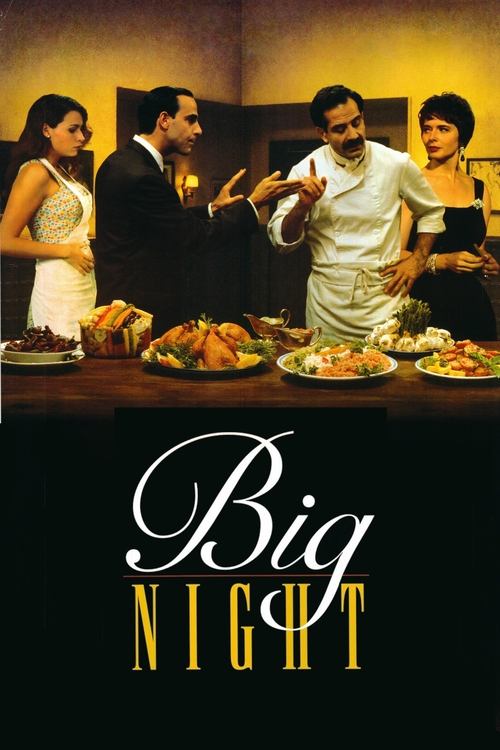
Theme Echo
Big Night (1996)
The other great American movie about a kitchen as a belief system, where the food is the argument and the cooking is the love. Watch them together and Tony reads as the origin story of the faith Big Night practices.

Counter-Program
Steve Jobs (2015)
The maximalist opposite: a life compressed into three backstage crescendos, thesis first, person second. Everything Tony turns down, executed brilliantly, and the contrast shows exactly what turning it down buys.

Career Context
The Holdovers (2023)
Sessa's out-of-nowhere debut, the sulky prep-school kid with the wounded mouth. Two roles into a career and the through line is already visible: boys performing an armor they have not finished building.
Further Reading
More Lunara Criticism
 ★★
★★
Lunara Review
The Dog Stars — Going Nowhere Beautifully
Ridley Scott makes the end of the world look expensive and feel like nothing at all, and outsources the only honest emotion to a very good...
Updated September 10, 2026
 ★★½
★★½
Lunara Review
One Night Only — All Invitation, No Appetite
Two movie stars with real chemistry go looking for love inside a dystopian premise the movie never once has the nerve to interrogate at all.
Updated September 10, 2026
 ★★★½
★★★½
Lunara Review
Spider-Man: Brand New Day — Never Allowed to Stay on the Block
Destin Daniel Cretton finds a real movie in Peter Parker's empty apartment, and then the franchise calendar arrives and fills every inch of it.
Updated September 10, 2026
 ★★★★
★★★★
Lunara Review
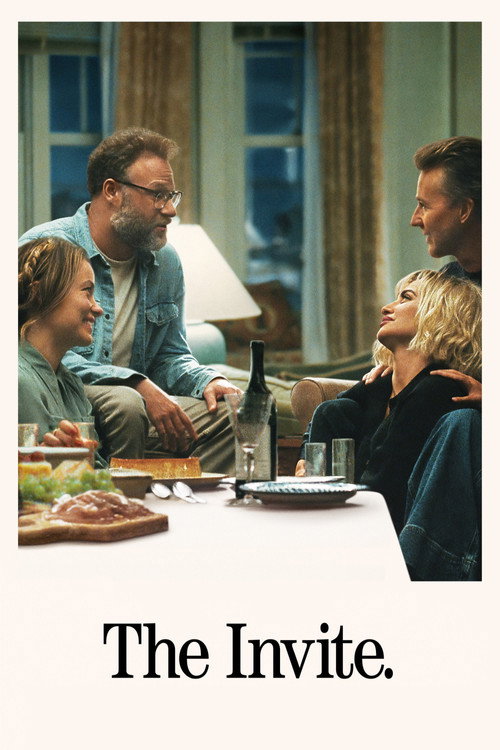
The Invite — The Predators Wear Nice Sweaters
Olivia Wilde puts four very good actors in one apartment for an evening and delivers the funniest, most purely enjoyable comedy of the year.
Updated September 10, 2026
 ★★★★½
★★★★½
Lunara Review
Teenage Sex and Death at Camp Miasma — The Head Loses
Jane Schoenbrun's meta-slasher preaches getting out of your head and into your body, and then actually does it, with blood and real tenderness.
Updated September 10, 2026