

A Quiet Place, 2018
A Quiet Place — Parenthood at Full Volume
Movie Review
The monsters hunt by sound. The movie is about everything a parent cannot say.
Day 89. A family pads barefoot through a looted pharmacy, doing their shopping in sign language, and the youngest, Beau, four years old, finds a toy space shuttle. His father takes it from his hands and signs why: too loud. His big sister feels the cruelty of the no, so on the way out she slips the toy back to him, and nobody catches the boy pocketing the batteries. A few minutes later, crossing a high bridge single file along a path of poured sand, Beau switches the thing on. A whir. A beep. A little red light. His father is already running when the creature comes out of the treeline and gets there first. A Quiet Place opens by killing a child to teach you its rules, and what shook me was not the kill. It was what the kill does to the people left standing. Regan believes she armed her little brother. Lee cannot tell her she is wrong, because this is a world with no out loud, and the whole movie lives in the hole where that conversation should be.
Here is the premise, and it is so clean you feel like you have always known it: blind creatures with impossibly sharp hearing have emptied most of the planet, and to stay alive you make no noise. Ever. John Krasinski, directing his third feature from a script he reworked with Bryan Woods and Scott Beck, knows the concept is only a delivery system. What it delivers is parenting. The Abbotts are alive on their upstate farm because they were fluent in silence before the invasion; Regan, played by the deaf Millicent Simmonds, gave her family sign language years before the world made it the price of admission to tomorrow. The nursery walls are lined with mattresses. The Monopoly pieces are crocheted. The floorboards are painted where they do not creak. Every one of those details is a chore somebody did off screen, and that unseen labor is the film’s true subject: vigilance as a full-time job, love as the thing you build because you cannot say it.
What carries the movie past its own gimmick is how literal it is willing to get about ordinary fear. A nail on the basement stair is a loaded gun, planted in plain sight and left there to wait. A board game is a grenade with the pin already pulled. A pregnancy is a countdown, because childbirth, the most violent thing a body ever volunteers for, must now happen without one scream. Krasinski plays the father as an engineer of protection, soldering homemade hearing aids at a basement bench crowded with the ones that failed, and Emily Blunt plays the mother as the person who insists some parts of childhood are worth the risk of noise: the dancing, the school lessons, the washing machine. They never state their division of labor. They stage it, in whispered arguments carried entirely by hand shapes, with everything they have left riding under every gesture.
The craft holds up its end. Charlotte Bruus Christensen shoots in long, patient takes that train you to scan the frame the way the characters scan the woods, so by the half-hour mark you are not watching the family’s hypervigilance, you are doing it. The sound mix turns up what movies usually throw away: leaf rustle, wood creak, breath. When Marco Beltrami’s score finally swells, it feels like permission after an hour of holding still. And the film’s best idea is to make hearing itself a point of view. When the cut drops us inside Regan’s head, the track falls to true silence broken only by her implant’s dying hiss, and the fear doubles, because she alone cannot hear what is coming for her. The creatures, all angles and armor, like blackened praying mantises crossed with cracked porcelain, get no origin story and no motive. The movie never explains them, and that restraint keeps them mythic. They are weather, not villains.
The moment the whole thing stands on is not a set piece. It is a sentence. Regan, certain her father blames her for Beau, watches him pick her brother for the fishing trip one more time, and the misunderstanding calcifies into the film’s real monster. When Lee finally faces her from the truck bed, cornered, out of tricks, he signs what he has failed to say for a year: I have always loved you. Then he opens his mouth and shouts, one wordless roar, and spends his life on it to buy his children a head start. Noise in this movie is suicide. He makes himself loud anyway. The title is a set of rules. That shout is what it costs a parent to break them.
The conveniences are real, and I will not pretend otherwise. The waterfall that masks noise arrives like a gift from the plot gods, the creatures’ weakness surfaces a shade too neatly in the final reel, and the question of why this family never just moved to the riverbank gets a shrug where an answer belongs. The fair reading is that the film is a parable running on dream logic, buying its lean ninety minutes with shortcuts a stricter script would have paid for honestly. Mostly the purchase holds, because even when the survival logic cheats, the emotional ledger never does.
The ending is catharsis without a victory lap. Regan flips her rebuilt implant to feedback and turns her supposed liability into the family’s one weapon; Evelyn racks the shotgun with hands that shake and steady in the same motion. The monsters are not beaten. The farm is not safe. Survival is still counted out in heartbeats and held breath, and the film trusts you to understand the thing it never announces: this is what parenthood already feels like from the inside, the certainty that one dropped spoon, one unlatched gate, one inattentive minute could end everything. The lights come up and you notice your own breathing, which the movie has been borrowing for ninety minutes.
Lunara Film Debrief
- Score:★★★★½
- Oscar Ledger1 nominations • 0 wins
- Year:2018
- Where to Watch:

Theme Echo
What is this film really about — and who else has said it?
Signs (2002)
The other alien invasion shrunk down to a farmhouse, where the creatures matter less than the family's unfinished conversations. Both films hide their real subject, a parent's guilt, behind the thing in the cornfield.
Counter Program
What is the strongest argument against it?
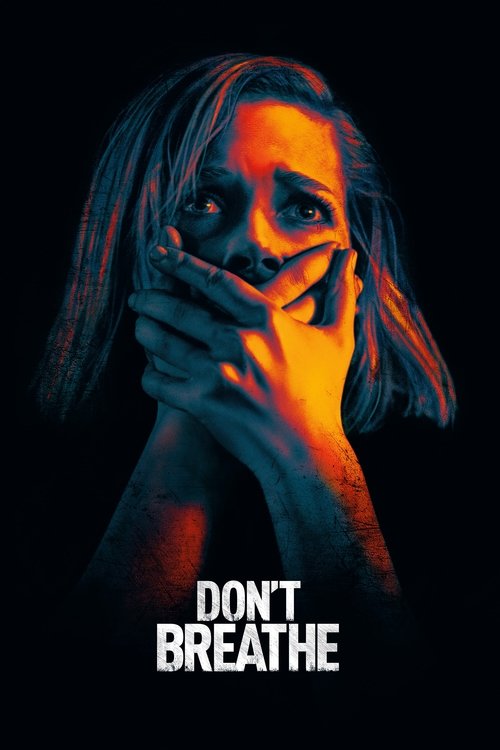
Don't Breathe (2016)
Silence flipped from devotion to transgression: intruders hushing their way through a blind predator's house. Watch it after the Abbotts and you see how much moral weight Krasinski loads into the exact same held breath.

Career Context
Where does this sit in the artist's story?
Wonderstruck (2017)
Simmonds' first film, built silent-movie style around her deafness a year before Regan. Watch it to see how much of the authority she carries here arrived with her.
More Lunara Film Criticism
Further Reading
 ★★★★
Lunara Film Review
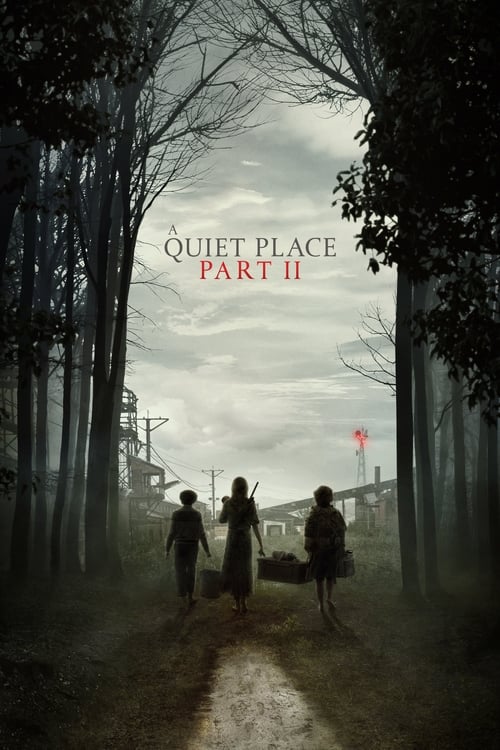
A Quiet Place Part II — The Children Take the Watch
The sequel opens with the end of the world and spends the rest of its running time handing it to the kids.
Updated September 23, 2026
 ★★★★½
Lunara Film Review
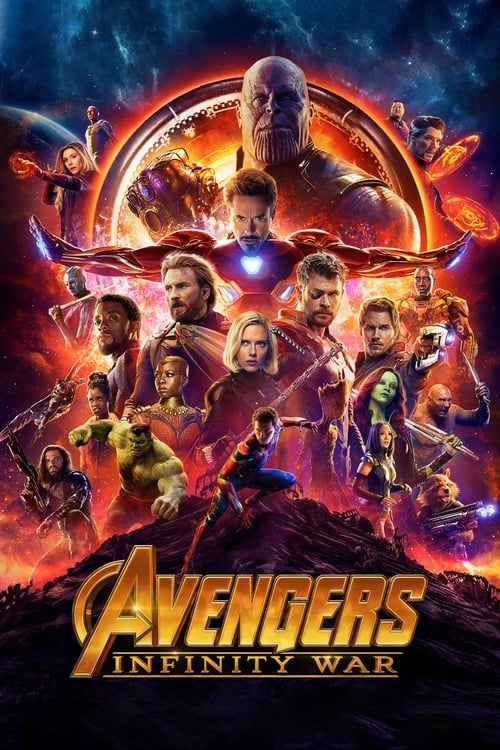
Avengers: Infinity War — The Night the Theater Went Silent
The boldest thing a franchise ever did was assemble everyone and then let the villain finish.
Updated September 23, 2026
 ★★½
Lunara Film Review
Ant-Man and the Wasp — The Sorbet Course
Two hours of pleasant weightlessness, and thirty seconds after the credits that outweigh all of it.
Updated September 23, 2026
 ★★★★★
Lunara Film Review
Annihilation — What Walks Back Out
The scariest thing in Alex Garland's expedition film is not what waits inside the zone; it is what walks back out wearing your name.
Updated September 23, 2026
 ★★★★
Lunara Film Review
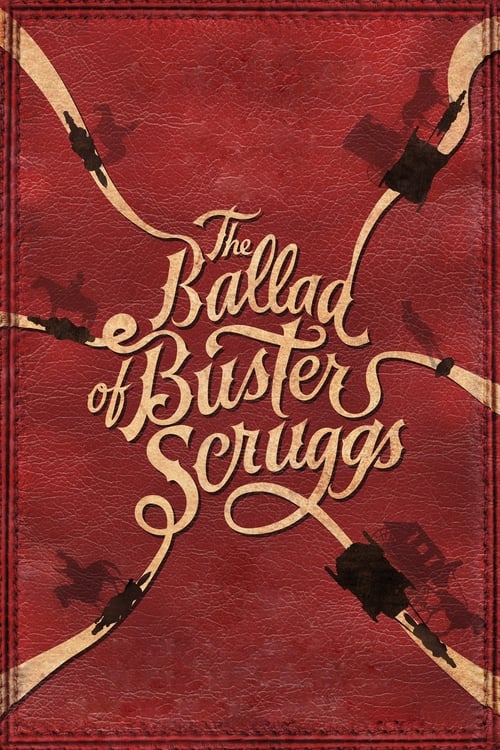
The Ballad of Buster Scruggs — The Page Always Turns
Six frontier tales, each a wager against death, read from a book that prints your last line before you finish speaking it.
Updated September 23, 2026