

The Ballad of Buster Scruggs, 2018
The Ballad of Buster Scruggs — The Page Always Turns
Movie Review
The Coens bound the whole West into a storybook, and the book already knows how your sentence ends.
A hand opens a worn clothbound volume, the kind with tissue paper guarding the color plates, and the camera rests on an illustration and a scrap of printed text before the image dissolves into Monument Valley and a man in white singing to his horse. That is how The Ballad of Buster Scruggs begins. Not with a landscape. With an object. And the object is the whole idea. This is an anthology film because its true subject is what an anthology is: a container where every life gets an entry, every entry gets an ending, and the book carries on without you. Death out here is not the tragedy that interrupts the story. Death is the editor. Each of these six tales ends the moment its person stops being useful to the West, and the page turns with a courtesy that is somehow more frightening than cruelty would be.
The opener is the Coens at their most cartooned, and they know it. Tim Blake Nelson’s Buster Scruggs, the San Saba Songbird, white hat down to white boots, narrates his own legend straight into the lens, strolls into a cantina full of scum, clears the room with cheerful precision that no physics on earth would permit, then sings an entire saloon through the death of Surly Joe. He is the tall tale made flesh, a G-rated voice bolted onto R-rated marksmanship, a Roy Rogers picture that wandered into a slaughterhouse and kept smiling. Then a young man in black walks into town, calls him out, and is simply faster. Buster rises from the street wearing wings, duets with the man who killed him, and floats up out of the frame. Fifteen minutes in, the film has laid down its law: there is always a faster gun, the legend is a relay baton, and the singing keeps going no matter whose chest has the hole in it.
The second tale boils that law down to one gag. James Franco’s bank robber survives his hanging when a raiding war party wipes out his executioners, then finds himself, dazed and blinking, on a second gallows. His entire entry in the West’s ledger is one line, offered to the weeping man beside him with a noose around both their necks: first time? It is the funniest thing in the picture and the bleakest, and it is the same joke either way.
Then the book starts to darken, one chapter at a time, and you can feel the design working on you. Tom Waits, alone in a valley so untouched it looks like nobody has ever stood in it, digs hole after methodical hole across a meadow, courting a seam of gold he talks to as Mr. Pocket. The tale, worked up from a Jack London story, is nearly wordless, one old man doing patient business with the earth, and when a claim jumper shoots him in the back at the exact moment of triumph, the accounting is precise. He lives because the bullet passed clean through. He kills the man who bet on his death. He packs out his gold, and the valley closes over the whole intrusion like water. Nature holds no grudges. It only balances the books.
And then comes Meal Ticket, the coldest twenty minutes the Coens have ever put on a screen. Liam Neeson plays an impresario carting an armless, legless orator from mining camp to mining camp, and night after night the recitations of Shelley and Shakespeare and Lincoln play to crowds that get smaller and colder, until the wagon rolls into a town where a counting chicken is outdrawing literature. The film shows you the chicken. Then the river. Then the wagon rolling on with one passenger. Profit beats pity, and the segment never raises its voice about it. It just lets the frontier’s market set the price of a soul, and pays it, and moves on.
The fifth tale is where the film finally risks caring about somebody, and it proves what all that chill had been holding back. Zoe Kazan’s Alice Longabaugh, stranded on the Oregon Trail when her brother dies, inherits his debts, his hired man’s wages, and a yapping terrier named President Pierce. The wagon train’s quiet Billy Knapp works out, in the most formally beautiful proposal scene in recent movies, that marrying her would settle several accountings at once, including one neither of them will say out loud is love. For half an hour the film slows to the pace of two shy people talking themselves into a future, which is exactly why it can hurt you. When the attack comes, the veteran Mr. Arthur leaves Alice a pistol and an instruction about capture, wins his fight, and turns around to find that she trusted his pessimism more than his skill. The tale is about certainty, the deadliest thing anyone carries on that trail, and it lands because Alice is the one person in the whole book the film let us plan a life with.
The closer, The Mortal Remains, then admits what the evening has been all along: five strangers in a stagecoach that will not stop, two of them bounty hunters who call themselves harvesters of souls, rolling through blue dusk toward a hotel whose staircase nobody comes back down. The coach was a hearse from the first plate. The book knew.
It matters that this was the Coens’ first feature shot digitally, because Bruno Delbonnel uses the format to push each chapter into its own plate-illustration palette, saloon buttercream for Buster, riverbank gold for the prospector, blue dusk for the coach, until the film feels printed rather than photographed. Carter Burwell binds it all with ballads, and the songs carry the theology: cowboys trade their spurs for wings, the unfortunate rake gets his procession, and singing turns out to be the thing humans do at the exact border this film keeps walking up to.
The case against it is real, and it is why this sits a notch below the Coens’ summits. An anthology is only the sum of its unequal parts, and two of these parts are anecdotes. The Franco chapter is a single joke told twice. Buster’s chapter, for all its dazzle, is a sketch that announces the theme instead of a story that suffers it. The storybook frame holds people at arm’s length on purpose, which keeps most of the grief theoretical, and when the Alice tale shows how deeply this film can mourn once it chooses to, it quietly shames the chapters that chose the shrug. You can defend the unevenness as the point, the West pricing lives at random, and that defense is not wrong. But a film this good at attachment spending only one chapter on it is a film deciding to be brilliant more often than it decides to be devastating.
Still, the device that closes each tale is the one that stays with me. The camera goes back to the book, and the plates print each story’s final line where you can read it before the voice finishes saying it. The ending is always already typeset. That is this film’s whole understanding of the frontier, and its tenderness too: the West wrote everybody’s last sentence in advance, in a fine sober font, and the Coens’ people, the songbird, the robber, the prospector, the orator, the bride, the harvested, keep talking anyway. Keep singing. Keep proposing marriage on the open plain. Beautiful, brutal, bizarre: their West, bound in cloth. The page always turns. The talking, while it lasts, is the whole show.
Lunara Film Debrief
- Score:★★★★
- Oscar Ledger3 nominations • 0 wins
- Year:2018
- Where to Watch:

Theme Echo
What is this film really about — and who else has said it?
The Revenant (2015)
The frontier as an indifferent killing floor, played for awe instead of irony. Inarritu treats survival as sacrament where the Coens treat death as punctuation, and together the two films bracket every mood the West has ever put in front of a camera.

Counter Program
What is the strongest argument against it?
Blazing Saddles (1974)
The other great dismantling of the Western, done with a sledgehammer instead of a bookbinder's awl. Brooks torches the genre's myths and dances in the firelight; the Coens shelve them in a library and note the due dates. Both films love what they are burying.
Career Context
Where does this sit in the artist's story?
No Country for Old Men (2007)
The Coens' other ledger of death on the open range, run without the storybook anesthesia. Chigurh's coin and the anthology's turning page are the same instrument at two scales, and watching them paired shows Buster Scruggs as that film's campfire retelling.
More Lunara Film Criticism
Further Reading
 ★★★★★
Lunara Film Review
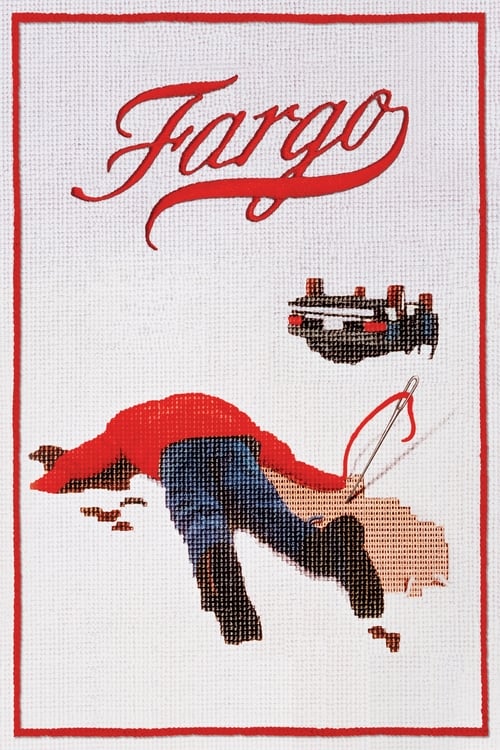
Fargo — Two Uses for Nice
The accent everybody imitates is doing two different jobs: for Jerry it is camouflage, for Marge it is a method.
Updated September 23, 2026
 ★★★★★
Lunara Film Review
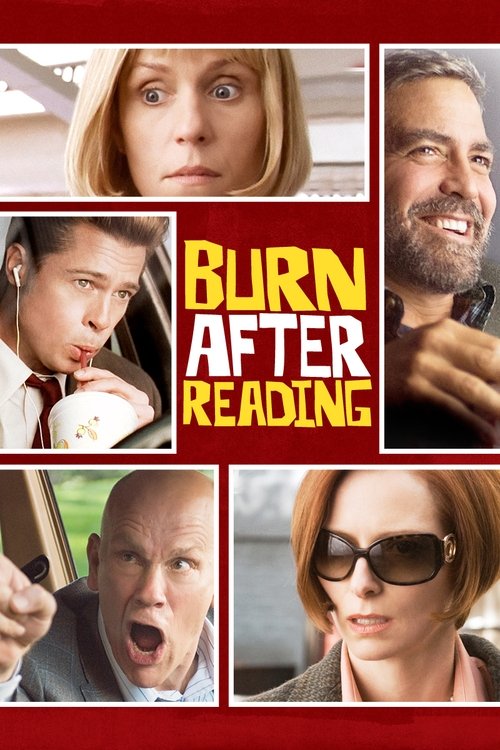
Burn After Reading — Nobody Learns Anything
The Coens' spy comedy has no spy and no secret; eighteen years on, that is the scariest thing in it.
Updated September 23, 2026
 ★★★
Lunara Film Review
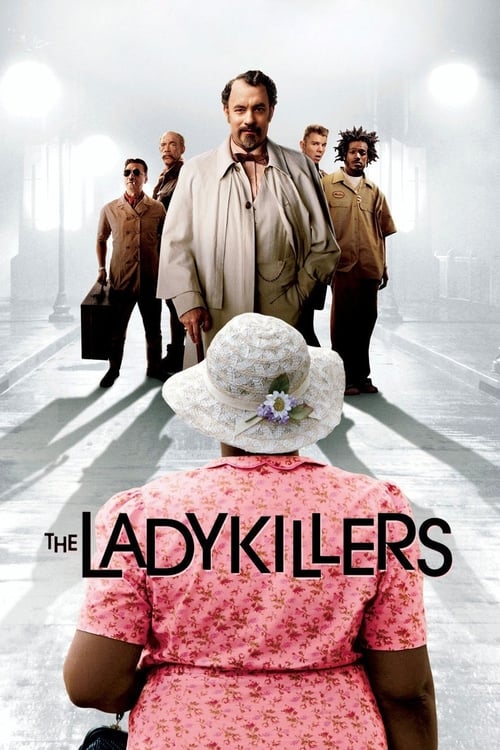
The Ladykillers — The Soundtrack Believes, the Movie Grins
The Coens' Southern remake has a churchful of soul on the soundtrack and a cartoon where its menace should be.
Updated September 23, 2026
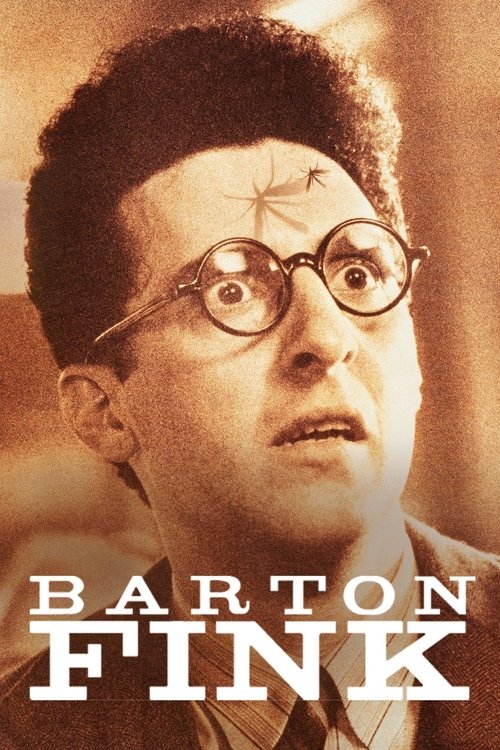 ★★★★★
Lunara Film Review
Barton Fink — The Common Man Knocks
The Coens' Hollywood nightmare is not about writer's block; it is about a writer who never once listens.
Updated September 23, 2026
 ★★★★★
Lunara Film Review
No Country for Old Men — The Thriller That Stops Answering
The Coens' McCarthy adaptation keeps subtracting everything a chase picture owes you, and every subtraction is the meaning.
Updated September 23, 2026