

Avengers: Infinity War, 2018
Avengers: Infinity War — The Night the Theater Went Silent
Movie Review
The bravest thing a franchise ever did was gather everyone it had and then let the villain finish the job.
It starts with a distress call over a black screen, and by the time the picture fades in, the fight is already over. The Asgardian refugee ship hangs dead in space. Half the survivors are corpses before any hero gets a line. Thor is pinned to the deck and made to watch. The Hulk, the one piece the series taught us was unstoppable, is beaten unconscious in under a minute, and it does not play like a fight; it plays like a correction. Heimdall dies for one act of defiance. Then Loki, the escape artist, the character whose entire decade-long job was slipping the noose, gets his neck snapped in the middle of a trick, and his killer supplies the eulogy: “No resurrections this time.” Five minutes. That is how long the movie takes to post its rules at the door. Whatever you were promised, this is not that. It is something better, and it is going to hurt.
Here is the gamble underneath Infinity War, and it took me most of the running time to believe they meant it: this is not the Avengers’ movie. It is Thanos’s. He gets the arc. He gets the quest, the setbacks, the losses that cost him something, the ending. Two dozen heroes spread across four planets serve, when you step back, as his obstacle course, and the movie holds that inversion all the way to the final frame without blinking. Josh Brolin plays him through motion capture that keeps every flicker of the real face, and the choice he makes is the right one: not a monster, but a man who reached one total conclusion a long time ago and has been tired ever since. Listen to the voice. It has the worn patience of somebody who has made the same case for centuries and stopped being surprised that nobody hears it. He takes no pleasure in violence. He endures it, the way a surgeon endures the incision. And on Vormir the film gives him the scene that makes him permanent. He weeps while he throws his daughter off a cliff. He loves Gamora, and he kills her anyway, and both of those things are true in the same instant. No idea this series ever put on screen frightened me more than that coexistence.
By any sane accounting, the logistics should have sunk this thing. The Russos manage the impossible cast by building an anthology and hiding it inside a countdown. Thor and Rocket get a road picture with mythological stakes. Tony and Strange get a space opera. Wakanda gets a war movie. The Guardians’ run-ins with Thanos play as hostage negotiation. Five storylines, five genres, and what keeps them from shredding each other is that every one of them is bolted to a single relationship under pressure: Thor’s grief, Tony’s fear, Wanda’s love. The threads keep landing on the same emotional note from different directions. It moves like a symphony that happens to contain a purple giant.
And the actors carry their share. Robert Downey Jr. plays Titan as the place everything since 2008 was always headed. The vision of his dead friends that Ultron planted in his head has hardened into a mission, and dragging the fight away from Earth is the logic of a man who would rather die trying than live with not having tried. When Strange says “I’m sorry, Tony,” watch Downey’s face take it in as a prognosis, not an apology. Chris Hemsworth, sitting in the quiet of a space pod, gives the best dramatic minutes he has ever had in the role: Thor listing his dead, father, brother, best friend, half his people, wearing a smile that stops at the teeth, because the jokes are the last wall in him still bearing weight. And Tom Holland gets the death. Peter Parker feels his own dissolution coming before it arrives, and what Holland plays is not a hero’s exit. It is a child’s panic. The grabbing hands, the hyperventilated apologies, “I don’t want to go” delivered as a plea to an adult who cannot fix it. You came in expecting a superhero death and you got a scared kid instead, and the devastation lives exactly in that gap.
The cruelest passage is also the truest to the film’s design. Wanda destroys the Mind Stone, and Vision with it, holding his eyes while she does it, love expressed as demolition. Then Thanos rewinds time and makes her watch him die again. The movie has been murmuring its thesis all along and here it says it plainly: in this story, sacrifice buys nothing. Every noble trade the heroes attempt gets reversed, wasted, or collected by the enemy. That is not nihilism for sport. It is what a ten-year winning streak required before a loss could mean anything at all.
Be honest about the cost, though, because the ledger does not balance. To give Thanos a protagonist’s spine, the film puts half its cast on traffic duty. Steve Rogers, the moral center of the whole series, gets a beard, an entrance, and barely a dozen lines. Natasha and Rhodey are set dressing with pulses. And the Wakanda battle, the single biggest spend of screen time in the picture, is its weakest stretch: waves of computer-generated teeth breaking on a shield wall, bulk without stakes, a thousand deaths that weigh less than one kid turning to ash on Titan. The movie knows precisely where its heart is and starves everything else to feed it. The strategy works. It is still rationing.
Then the ending, which is the whole reputation, and earns it. The fist closes. The sound drops to almost nothing. People stop existing mid-sentence while their friends’ faces do the screaming the soundtrack withholds. And after: a farm, a sunrise, a scarecrow made of armor, and the villain sitting down, satisfied, to watch the light come up on a universe he believes should thank him. Not a cliffhanger. An ending, the complete story of a man who wanted something terrible and got it. Everyone in that theater knew the resurrections were coming; the sequel already had a date. It did not matter. The grief in the room was real anyway, and the silence after Holland’s last line was several hundred strangers feeling the same thing at the same second, which movies almost never manage at this scale and franchises had never managed at all. A corporation manufactured a communal mourning with actuarial precision, and the mourning was still genuine when it landed. Both halves of that sentence are true, like the tears on Vormir, and that they can share a sentence is the most interesting thing this franchise ever built.
Lunara Film Debrief
- Score:★★★★½
- Oscar Ledger1 nominations • 0 wins
- Year:2018
- Where to Watch:

Theme Echo
What is this film really about — and who else has said it?
The Empire Strikes Back (1980)
The first franchise film with the nerve to close on the villain's terms: a hand gone, a friend frozen, a rescue postponed. Infinity War scales that wager to industrial size, and both films prove the same law, that a saga only earns its victories by letting one chapter end in the dark.

Counter Program
What is the strongest argument against it?
Annihilation (2018)
The same year, the other annihilation. Garland renders cosmic erasure as quiet, prismatic dread: no crowds, no countdown, a shimmer instead of a snap. Set the two side by side and you can see exactly what the blockbuster buys with scale and what it trades away in silence.
Career Context
Where does this sit in the artist's story?
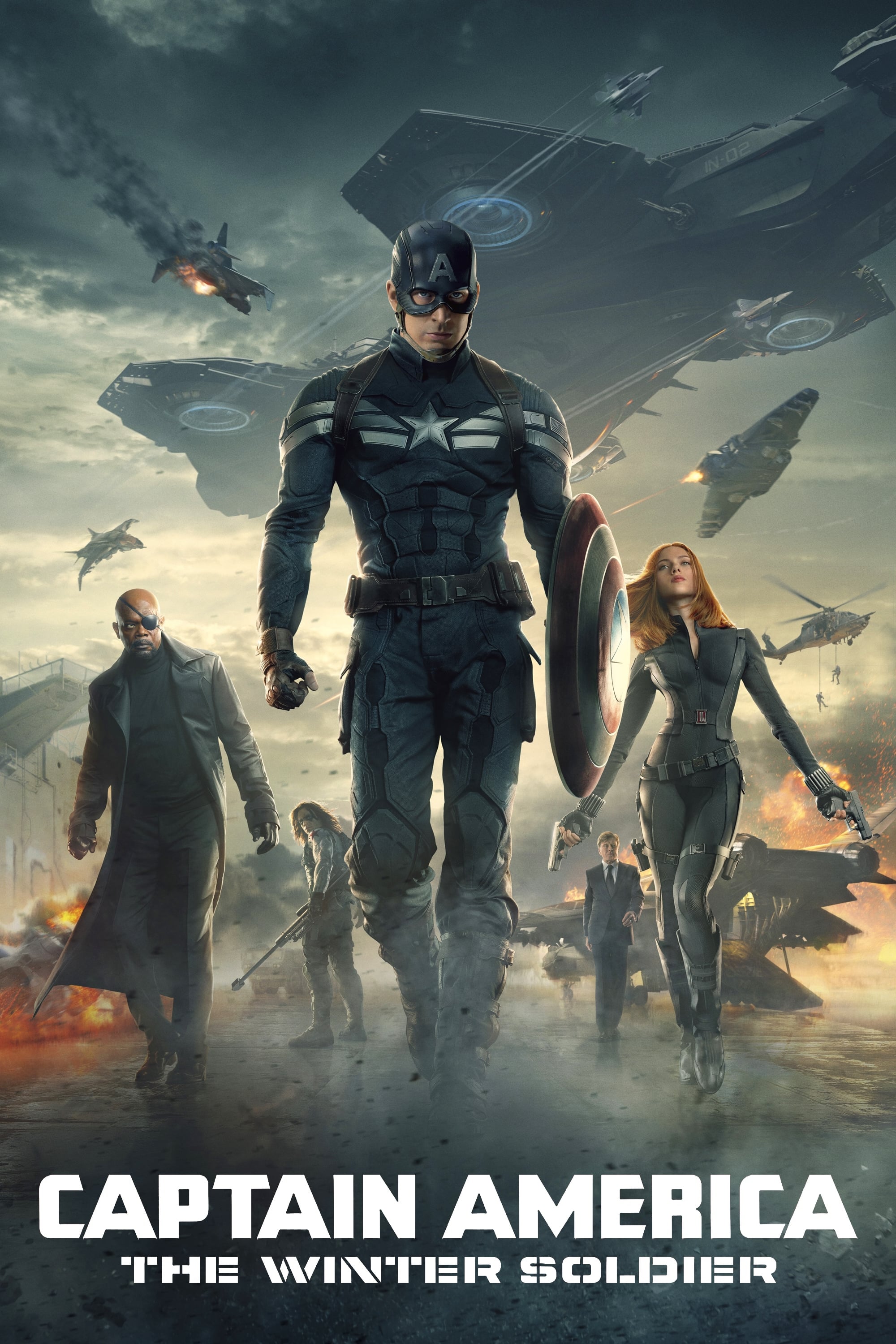
Captain America: The Winter Soldier (2014)
The Russos' first Marvel picture is where they learned the two skills this one runs on: staging sprawling action with legible geography, and treating a franchise entry as a genre exercise. The paranoid thriller of 2014 is the flight school for the five-genre juggling act of 2018.
More Lunara Film Criticism
Further Reading
 ★★★★½
Lunara Film Review
Avengers: Endgame — The Last Time the Movies Felt Like Church
Not the best film in its franchise; the most important one, and the last time a blockbuster felt like a public ritual.
Updated September 23, 2026
 ★★★★
Lunara Film Review
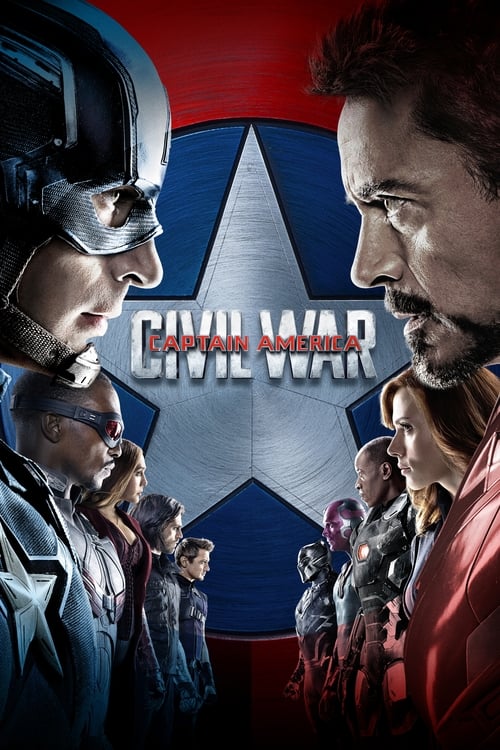
Captain America: Civil War — The Bill Comes Due
The fight everyone paid for happens at an airport; the fight the film is about happens in a bunker, between three men and a television.
Updated September 23, 2026
 ★★½
Lunara Film Review
Ant-Man and the Wasp — The Sorbet Course
Two hours of pleasant weightlessness, and thirty seconds after the credits that outweigh all of it.
Updated September 23, 2026
 ★★★★★
Lunara Film Review
Annihilation — What Walks Back Out
The scariest thing in Alex Garland's expedition film is not what waits inside the zone; it is what walks back out wearing your name.
Updated September 23, 2026
 ★★★★½
Lunara Film Review
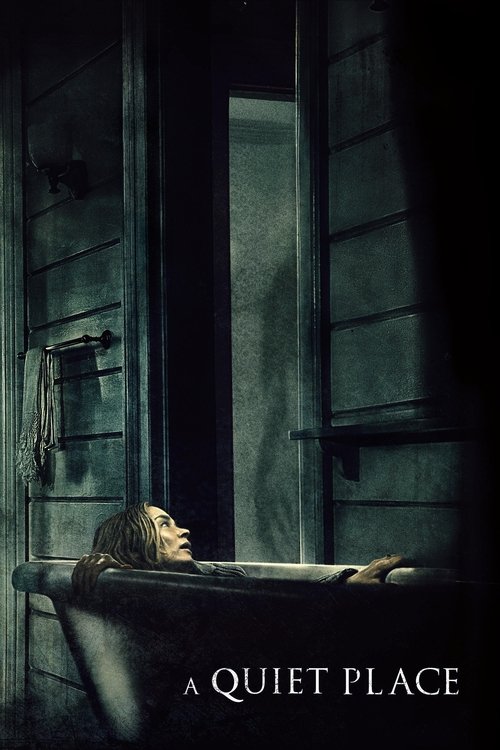
A Quiet Place — Parenthood at Full Volume
The monsters hunt by sound; this family was already fluent in silence.
Updated September 23, 2026