

Avengers: Endgame, 2019
Avengers: Endgame — The Last Time the Movies Felt Like Church
Movie Review
Not the best film its franchise ever made; the most important one, and the last time a blockbuster felt like a public ritual.
A backyard. A father is teaching his daughter archery, fixing her elbow, ribbing her about her aim. He turns toward the picnic table for a moment. When he turns back, the arrow is in the tree and the girl is gone. His wife is gone. His sons are gone. The camera stays with Clint Barton while he calls names into an empty farm and the wind moves through the grass, and that is how the biggest movie ever made decides to start. Not with a battle. With a man standing in a yard where his family used to be. Endgame opens quiet and holds the quiet longer than any franchise picture before or since has had the nerve to, and that quiet is the bravest thing in it.
Here is the unfashionable part, said plainly: Endgame is not the best film in the Marvel Cinematic Universe. The Winter Soldier is tighter, better built, more of a movie. But Endgame is the most important one, because it takes eleven years of serialized storytelling and turns them into a communal experience nothing else in entertainment has produced and nothing has matched since. One hour of grief, one hour of nostalgia, one hour of catharsis timed so exactly that people who had never cried at a movie cried at this one. Is that art, or is it the most sophisticated audience manipulation ever engineered? That is the best question this franchise ever asked about itself, and the answer is both. It is honestly, unavoidably both.
What nobody expected was how seriously the first act would take the loss. Thor takes Thanos’s head off inside the first fifteen minutes and it fixes nothing. The stones are gone. The dead stay dead. The film jumps five years forward into a world learning to live inside its own failure: support groups in folding chairs, whales in the Hudson because the harbor traffic died with everyone else, Steve Rogers counseling strangers about moving on, which is the one skill he has never once managed for himself. For half an hour the biggest franchise on earth becomes a movie about grief, shot with an intimacy that feels borrowed from a much smaller kind of picture, and it is the best sustained stretch in the whole eleven-year run.
Robert Downey Jr. finishes the arc that started all of this, and you can hear the finishing in everything he takes away. The patter is gone. The deflection is gone. The Stark of the cabin scenes, holding his daughter, cooking dinner, wearing the beard of a man who has clocked out of heroism for good, plays contentment as the first real peace this character has ever been allowed to feel. Then the mission knocks, and the greatness of the performance lives in why he answers. He does not go back to save the universe. He goes back because he cannot stand living next to the knowledge that he could have and said no, and Downey carries the difference between those two motives in his body, walking back toward a fire he had earned the right to skip. His death scene has no speech. The light just goes out of his eyes while the camera holds, and Pepper’s “you can rest now” does the work a monologue would have cheapened. The funeral after it is one unbroken shot moving across faces, and it lands because you know every face, every history, every debt. That is an emotional density no standalone film could afford. It was bought on layaway over eleven years.
The middle hour, the time heist, is the film’s most calculated stretch, and you have to mean both halves of that word. Sending these characters back through their own franchise is nostalgia put to work as story: Tony gets an unknowing benediction from his father in 1970, Thor gets his mother’s blessing in 2013, Steve watches Peggy through an office window. None of it is great filmmaking in any traditional sense. It is great franchise management, which is a different skill, and the film’s real wager is that the difference matters less than purists want it to. The scenes land because the investment they draw on is real, even if a corporation was holding the account.
Chris Hemsworth, meanwhile, does the genuinely risky thing in the picture. His Thor is a god gone to pieces, heavy, drunk, gaming in a recliner, hiding from the guilt of having gone for the head five years too late. The movie sometimes plays his body for laughs, and of everything here that choice has aged the worst. But under the jokes Hemsworth gives the series its most honest portrait of what failure does to a person whose whole identity was being the strong one. The scene with Frigga, where a mother looks at her wrecked son and tells him the measure of a person is who they are rather than who they were supposed to be, is the quietest peak in the film, and the tears he cries in it are the character’s first honest ones.
Then the third hour pays out everything. Steve Rogers alone on the field against an army, tightening the strap on a broken shield, because stopping was never something he knew how to do. The hammer lifting. The crackle on the radio. The portals: golden circles opening across the smoke, every dead friend walking back out of them while the score climbs, and “Avengers, assemble” finally spoken out loud, almost whispered, two hours and forty minutes after the movie began withholding it. In the theater that moment did not play like a scene. It played like a liturgy, call and response with several hundred strangers, and I am not sure cinema is even the right word for what the portals are. No single film could earn that response, because the response was built from a decade of shared attendance. That is the franchise model justifying its existence in a single image, and it has never pulled the trick off again.
The place the film falls short of itself has a name, and the name is Natasha Romanoff. Her death on Vormir mirrors Gamora’s and it hits hard in the moment, Johansson fighting Renner for the right to die with a ferocity the script barely deserves. Then the movie gets back to work. No funeral. A few minutes of grief at a dock, a line about family that sits too close to a joke, and the mission resumes. The first woman on this team supplies the sacrifice the whole story runs on and receives a fraction of the mourning the film pours out for its billionaire, and that imbalance is not a reading. It is right there in the running time. Stack on the larger dependency, three hours that lean on your attendance record for their deepest effects, and the case against Endgame writes itself: overlong, sentimental, propped up by memories it did not earn inside its own frame. All of that is true. And the theaters cried anyway.
That is the thing I keep circling back to. Endgame is the last time the movies felt like church: a mass gathering, a shared text, grief and resurrection performed on schedule for everyone at once. The franchise has kept releasing films since 2019, and nothing in them has come within shouting distance of that feeling, which tells you the feeling was never repeatable, only spendable. They spent it here. Whatever else is true of the machine that built it, the congregation was real.
Lunara Film Debrief
- Score:★★★★½
- Oscar Ledger1 nominations • 0 wins
- Year:2019
- Where to Watch:

Theme Echo
What is this film really about — and who else has said it?
The Lord of the Rings: The Return of the King (2003)
The only other franchise finale that converted years of accumulated investment into sustained mass catharsis, and the only other one brave enough to keep on ending after the battle is won. Both films understand that a long goodbye is the price of a long story.
Counter Program
What is the strongest argument against it?
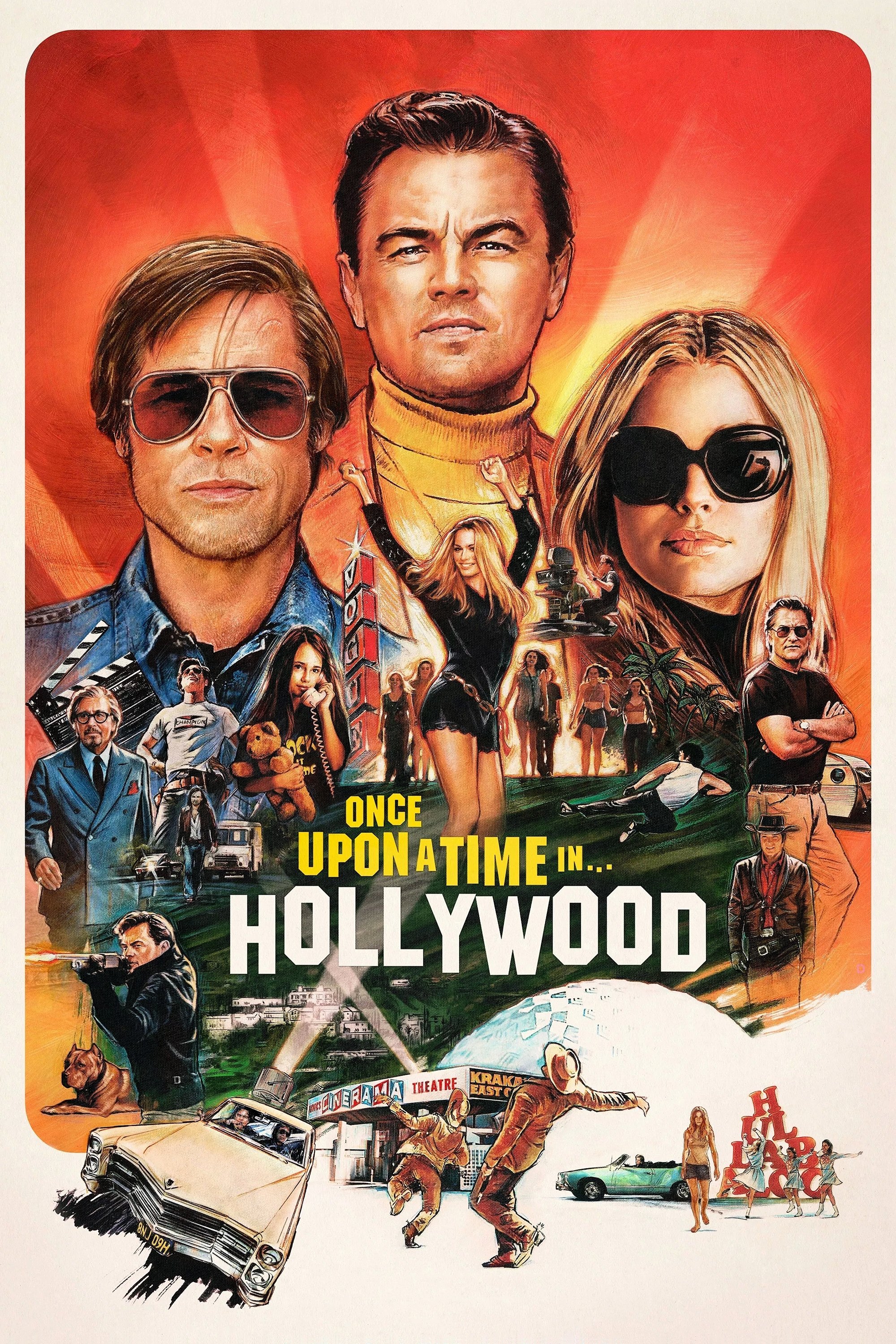
Once Upon a Time in Hollywood (2019)
The same summer, the other elegy for a vanishing kind of moviegoing: Tarantino mourns by hand, one film at a time, where Endgame mourns by industry. Watch them back to back and you can feel two definitions of cinema pass each other going opposite directions.
Career Context
Where does this sit in the artist's story?
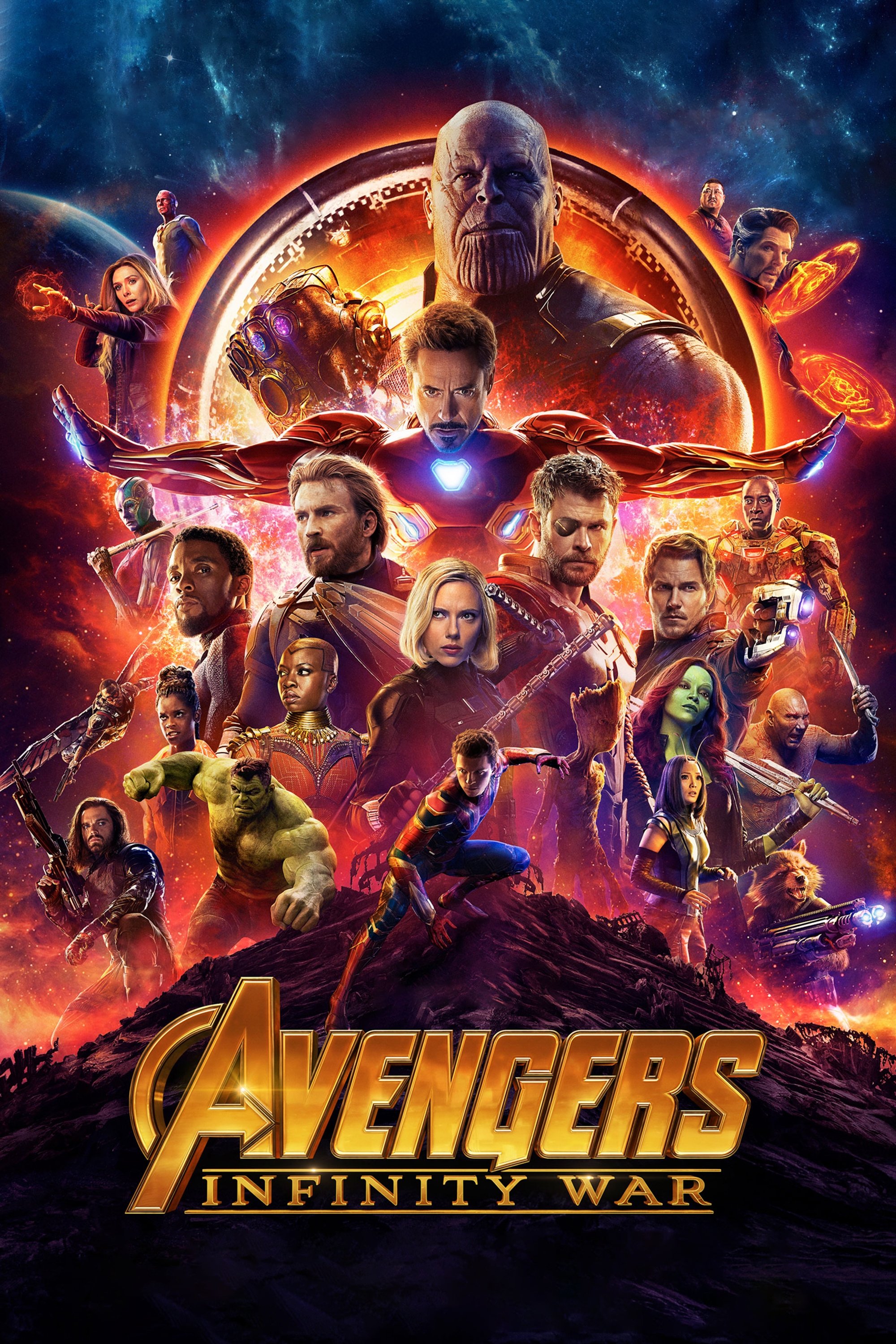
Avengers: Infinity War (2018)
Not optional homework; the other half of a single film. Every payoff here is a debt incurred there, and the two pictures together form the franchise's real shape: a devastation and its repair, with five years of grief in the hinge.
More Lunara Film Criticism
Further Reading
 ★★★★½
Lunara Film Review
Avengers: Infinity War — The Night the Theater Went Silent
The boldest thing a franchise ever did was assemble everyone and then let the villain finish.
Updated September 23, 2026
 ★★★★
Lunara Film Review
Captain America: Civil War — The Bill Comes Due
The fight everyone paid for happens at an airport; the fight the film is about happens in a bunker, between three men and a television.
Updated September 23, 2026
 ★★★★½
Lunara Film Review
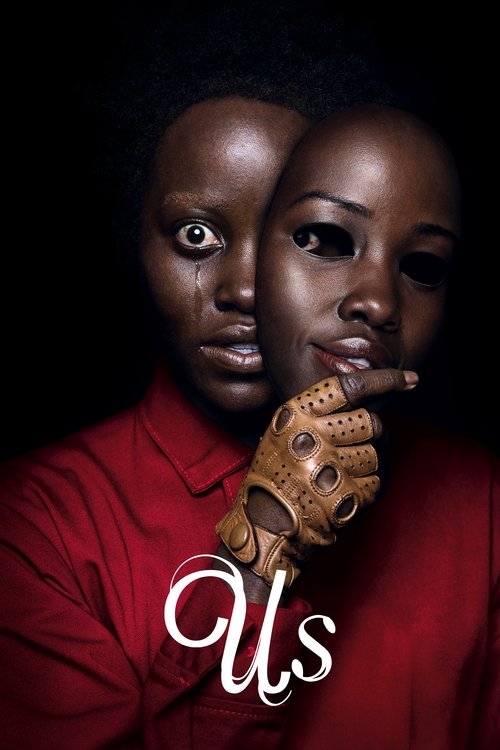
Us — The Violence of Forgetting
The home invasion is a repossession; the family in the driveway has come to collect.
Updated September 23, 2026
 ★★★★★
Lunara Film Review
Uncut Gems — The Win That Was Always the Bullet
Adam Sandler plays a man allergic to his own good luck, and the movie gives you his pulse instead of a plot.
Updated September 23, 2026
 ★★★½
Lunara Film Review
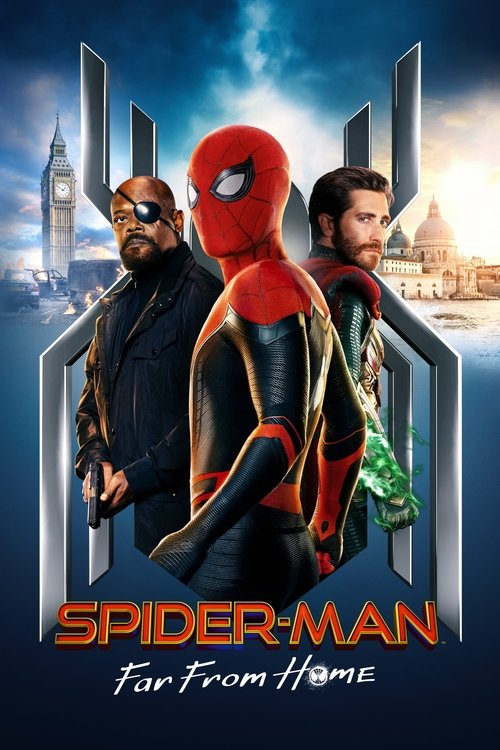
Spider-Man: Far From Home — The Villain Is a Workflow
Marvel finally built a villain out of its own job description, then beat him with the product.
Updated September 23, 2026