

Us, 2019
Us — The Violence of Forgetting
Movie Review
The scariest thing in the funhouse mirror is that it remembers you.
Santa Cruz, 1986. A little girl in a Thriller T-shirt wanders off from her father’s whack-a-mole game, candied apple in hand, and walks the boardwalk alone. She passes a man holding a Jeremiah 11:11 sign. She walks into a funhouse whose marquee promises she will find herself inside. The lights die. She whistles Itsy Bitsy Spider into the dark, small and brave, and somewhere in the hall of mirrors the whistle comes back wrong. Then one of the reflections turns around on its own. Jordan Peele holds that moment right at the edge of showing you, and everything Us is going to be lives inside it already: an American amusement promising self-discovery and handing back a double, a child who walks out of that building never fully certain which version of her walked in.
Thirty-three years later Adelaide Wilson returns to that beach as a wife and a mother, and that night four figures stand in her driveway holding hands. Red jumpsuits. Brass scissors. They are the Wilsons, copied, and when the one called Red finally speaks, it comes out in a strangled rasp, a voice that sounds like it has been kept in a cellar for thirty years. Us is built as a home-invasion thriller and it runs beautifully at that voltage, all locked doors and flashlight beams, but the film tells you its real subject the moment Red explains what the doubles are. This is a movie about the violence of forgetting. Every comfortable life sits on top of somebody else’s suffering. Every sunny boardwalk runs on a basement of people going through the same motions with none of the pleasure. Here that underclass is made literal, an entire population in tunnels, told for decades that nobody upstairs can hear them. So when the Tethered come up the stairs, calling it an invasion gets it backwards. It is a repossession. The collateral has come to collect.
Lupita Nyong’o gives a performance that belongs on the shortest of short lists in horror, and the reason is simple: she is playing two complete human beings, and neither one is a trick. Adelaide is coiled vigilance wearing maternal warmth. Watch where she keeps the tension, up in the shoulders; watch her eyes clear the exits in rooms where nothing is wrong. This is a mother who has never once felt safe and has organized an entire personality around hiding that fact. Red is the same instrument restrung. The voice costs her something on every syllable. She moves like a dancer remembering a body she used to have, and when she finally lays out the world below, Nyong’o delivers it as manifesto and mourning in a single breath. She is not playing a villain. She is playing someone with every right to her rage and nothing but monstrous means to spend it, and the film’s whole moral charge runs through the fact that both women are true. Around her, Winston Duke’s Gabe supplies dad-joke ballast that never punctures the dread, the Wilson kids carry more weight than child actors are usually trusted with, and the doubles of the wine-soaked Tyler family turn a satire of privilege into the movie’s most disturbing efficiency.
The craft says the theme everywhere you look. Mike Gioulakis shoots Santa Cruz in postcard sunlight that curdles as the shadows get long, and he builds frame after frame on reflections, windows, table glass, funhouse mirrors, so the doubling soaks into the image long before it enters the plot. When the film finally goes underground, the tunnels glow in sickly institutional fluorescence, a facility with the faces removed, horror by way of infrastructure. Michael Abels scores the Tethered with chant and strings that play like worship music from a religion you do not want to understand, and his inversion of I Got 5 On It, slowed until a summer jam becomes a funeral procession, is the movie’s entire method compressed into one needle drop: take the familiar, comfortable thing and let you hear what was underneath it the whole time. And always, the scissors. The perfect prop. A tool that exists to sever, made of two identical blades joined at the hinge.
Where the film pays for its ambition is in the explaining. The last act walks you down the escalator and answers questions the nightmare was healthier carrying unasked, and the mythology cannot quite survive its own daylight; start tugging at the logistics of the tunnels and the sweaters unravel row by row. The Hands Across America finale trades the vise-grip intimacy of that driveway for pageant, buying scale at the cost of pressure. And the closing twist is going to split people clean down the middle, the key that locks the whole film together for some viewers, a smudge on the lens for others. I land with the first group, because the twist is not a gotcha. It is the theme arriving home. Adelaide is protagonist and complicit at once, the film’s single unforgivable act committed by the person you spent two hours rooting for, which turns the audience into participants in the exact forgetting the movie is indicting. You wanted her to win. You just had to forget who she was standing on.
Peele would rather swing past his own reach than play a clean single, and that appetite is exactly what American horror needs right now. Us is messy the way only the most alive movies are messy, spilling over its own frame, a national diagnosis conducted as a monster picture, a mirror held up to a country that keeps insisting the reflection is someone else. And moving through every seam of it is Nyong’o, twice, immaculate. The film sometimes misses. She never does. What stays with you afterward is a sound: the dry metallic whisper of scissors opening, the noise of a connection being cut, and the knowledge that whatever got buried to build the sunny half of this country did not die down there. It practiced.
Lunara Film Debrief
- Score:★★★★½
- Year:2019
- Where to Watch:
Theme Echo
What is this film really about — and who else has said it?
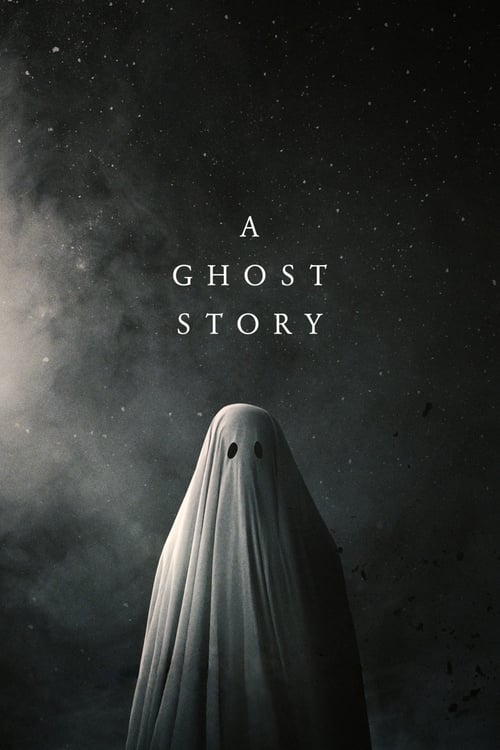
Get Out (2017)
Peele's debut is the other half of the diagnosis, both films about an America that consumes the very people it stands on. That one is surgical, a single target; Us is symphonic, aimed at the whole society at once.
Counter Program
What is the strongest argument against it?
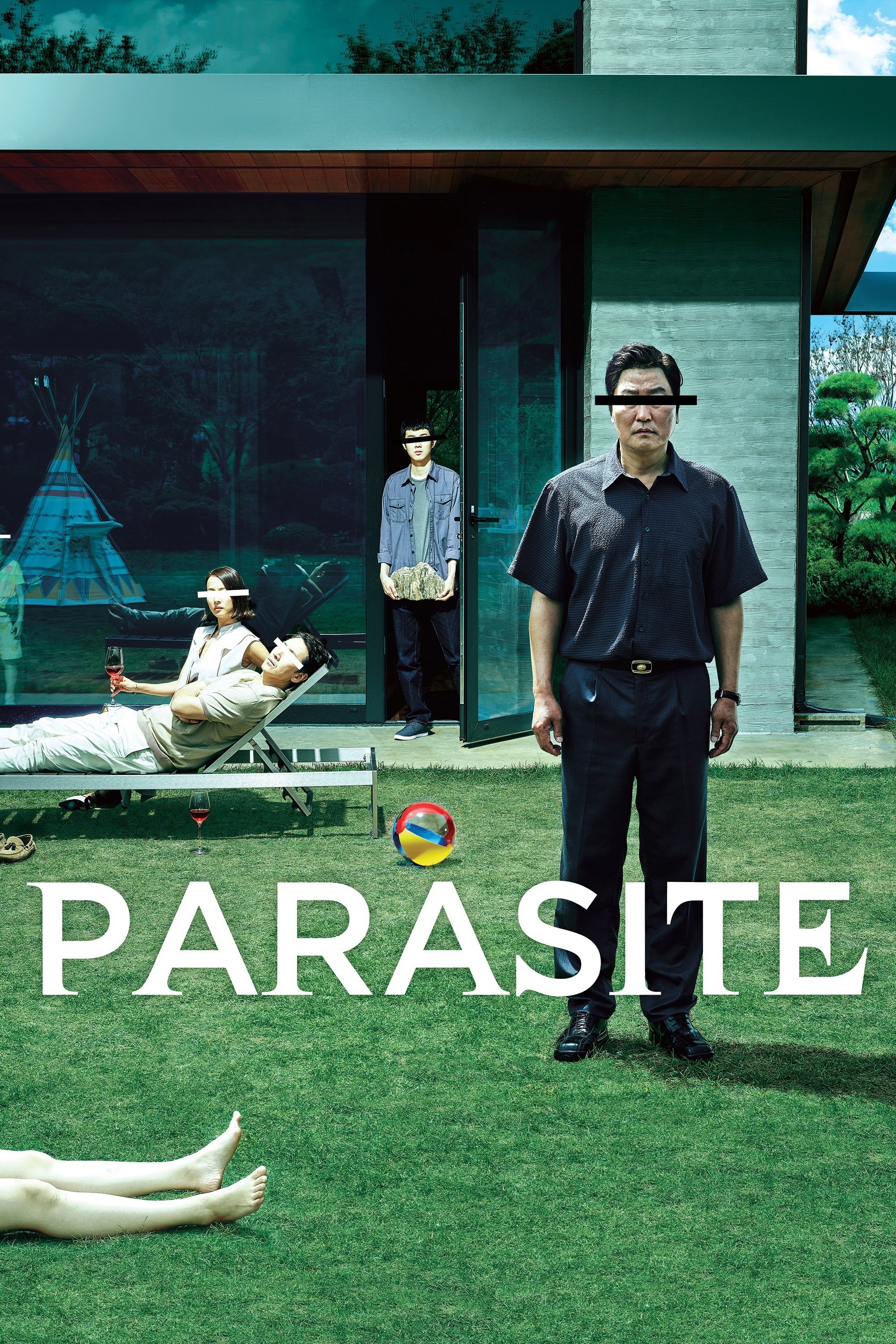
Parasite (2019)
Same year, same staircase, same buried family rising. Bong plays the class war as con-artist comedy and lands somewhere even darker on the question of whether the basement ever actually wins.

Career Context
Where does this sit in the artist's story?
12 Years a Slave (2013)
Nyong'o's first indelible performance. Patsey and Red are separated by a century and a half and joined by the same national arithmetic: what the comfortable life upstairs costs the bodies underneath it.
More Lunara Film Criticism
Further Reading
 ★★★★★
Lunara Film Review
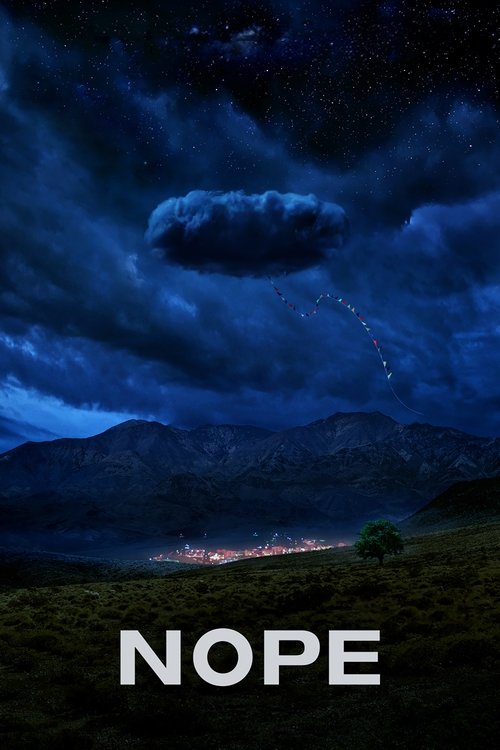
Nope — The Sky Is Watching Back
Jordan Peele builds a summer UFO spectacular about the sin of spectacle, and has the nerve to make looking away the heroic act.
Updated September 23, 2026
 ★★★★½
Lunara Film Review
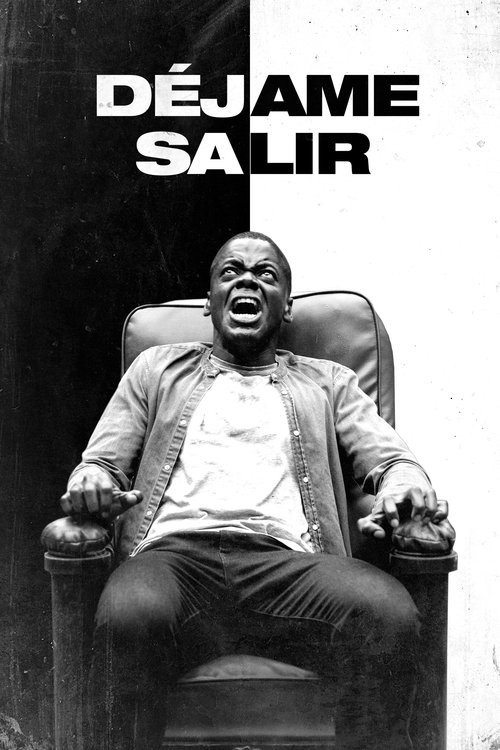
Get Out — The Welcome Is the Trap
Get Out is a horror movie about the terror of being politely consumed -- where the smile is the threat and liberal welcome turns out to be...
Updated September 23, 2026
 ★★★★★
Lunara Film Review
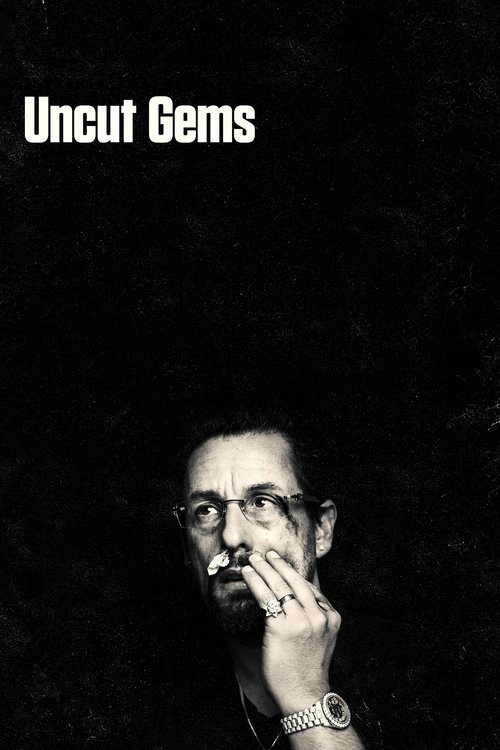
Uncut Gems — The Win That Was Always the Bullet
Adam Sandler plays a man allergic to his own good luck, and the movie gives you his pulse instead of a plot.
Updated September 23, 2026
 ★★★½
Lunara Film Review
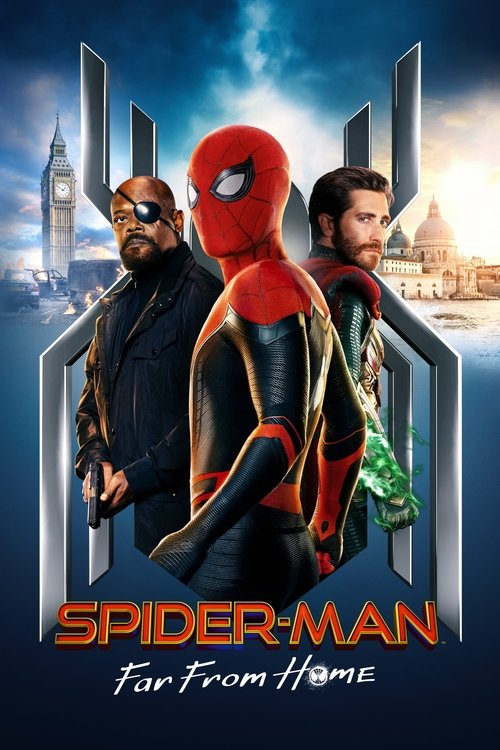
Spider-Man: Far From Home — The Villain Is a Workflow
Marvel finally built a villain out of its own job description, then beat him with the product.
Updated September 23, 2026
 ★★★★★
Lunara Film Review
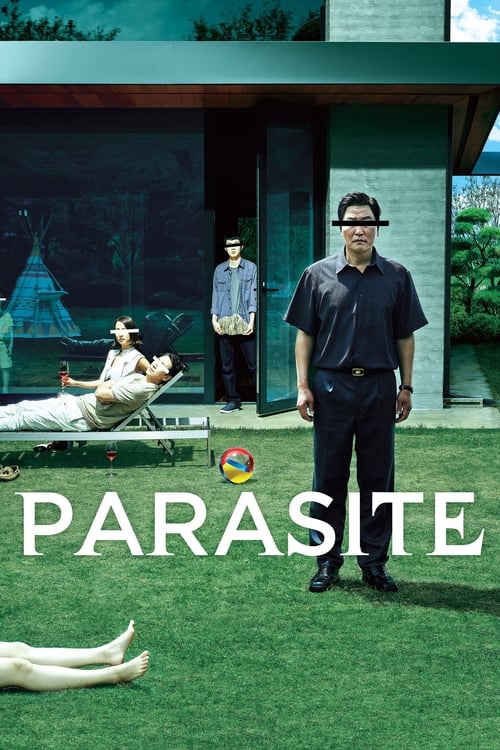
Parasite — The Smell Money Cannot Wash
The rich are not villains here; they are noses.
Updated September 23, 2026