
Lunara Review
Parasite — The Smell Money Cannot Wash
The rich are not villains here; they are noses.

The rich are not villains here; they are noses.
The best sequence Bong Joon-ho has ever cut begins with a doorbell and ends underwater. The Kim family, having conned their way into four jobs in the Park household, are sprawled drunk on the living-room floor of a house that is not theirs when the headlights swing into the driveway. What follows is farce staged as home invasion in reverse: four people scrambling under coffee tables while the owners settle onto the couch above them, and then, when they finally slip out, a walk home that is one continuous descent. Stairs, then more stairs, then tunnels, then stairs again, the camera dropping with them through the strata of Seoul until they wade into their own neighborhood, where the sewers have come up to meet them and their semi-basement apartment is filling with water the color of everything the city flushes down. Mr. Kim saves nothing but a fake rock. His daughter sits on the erupting toilet to smoke. Nobody says the word “class.” The staircases have said it all night.
Parasite won everything in sight, and the danger of that much consensus is forgetting how mean the film actually is. This is not a fable about noble poor and wicked rich. The Kims are gifted, funny, and genuinely fraudulent; they get their jobs by forging credentials and get the housekeeper fired by weaponizing her peach allergy into fake tuberculosis. The Parks are polite, generous by their own accounting, and never commit a single act of deliberate cruelty. Bong’s cruelty is structural instead. He builds two households that need each other, stacks them vertically, and lets gravity do the plotting. Hong Kyung-pyo shoots the Park house as horizontal glass and lawn, sunlight entering like a subscription service; the Kim apartment gets one window at ankle height, positioned to catch a urinating drunk. When the film wants to tell you where someone stands, it does not write dialogue. It puts them on a staircase and points the camera up or down.
What no one can plan for, and what the film is secretly about, is smell. Mr. Park likes his driver, he says, because the man never crosses the line. But the smell crosses it: the basement smell, the boiled-radish smell, the smell of people who dry their socks indoors, and Bong plants it as a running joke, the Parks’ little boy sniffing each new employee and announcing they smell the same, before detonating it as tragedy. Song Kang-ho gives the performance of a career largely through his reaction shots to being smelled. Watch his face in the back half of the film each time Mr. Park’s nose wrinkles: something patient and paternal drains out of it a degree at a time, and when the killing finally comes, at a child’s birthday party, it is triggered not by the chaos and not by the blood but by Park holding his nose as he reaches under a dying man for his car keys. The knife is an answer to a nostril. That is the most precise class violence ever put in a mainstream film, and it is precise because it is involuntary on both sides. Park cannot help the flinch. Kim cannot survive it.
The fair complaint about Parasite is that its engineering shows. Every setup pays off with trained-dog obedience, the scholar’s rock, the Morse-code lights, the peach fuzz, and the Parks themselves are permitted no interior that might complicate the diagram; Yeon-kyo in particular is a single sustained note of moneyed gullibility, “simple,” as the film’s own dialogue brands her. Bong is running a demonstration, and there are moments, especially in the bunker reveal’s aftermath, when you can feel the film’s confidence in its own blueprint edge toward smugness. The demonstration is worth the cost. But warmth is the one thing this masterpiece rations.
The ending refunds it, brutally. Ki-woo, skull healed, reads the Morse code flashing from the house where his father is now hiding in the bunker, having replaced the man he helped destroy, and writes back a letter he cannot send: a promise to earn money, buy the house, and free him. Bong shows the fantasy in full warm light, the family reunited on the lawn, and then cuts to the truth, the son in the same ankle-window basement where the film began, writing a plan that is arithmetic away from impossible. Wages being what they are, the internet did the math; it comes out to centuries. The film’s last image is not the fantasy but the boy’s face above the letter, and that is the real inheritance passed from father to son: not poverty, which could theoretically be escaped, but the dream of escaping it, renewed every generation, keeping everyone politely in place. The parasite of the title was never one family or the other. It is the plan.
LUNARA DEBRIEF
- Score: 5 / 5
- Year: 2019
- Where to Watch: Streaming (Max, Hulu) | Criterion Collection 4K
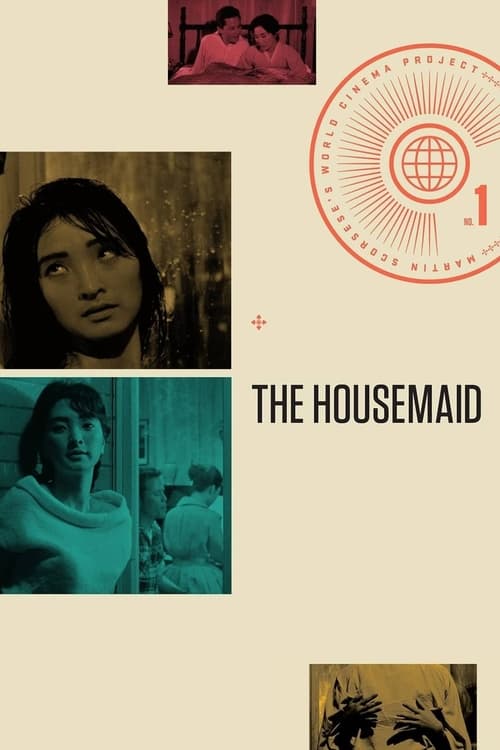
- Theme Echo: The Housemaid (1960) tt0054144. Kim Ki-young’s staircase melodrama is the film Bong has cited as ancestor: an outsider enters a middle-class house and the house itself becomes the battlefield. Sixty years apart, the two films agree that in Korean cinema, class war is fought room to room.
- Counter-Program: Home Alone (1990) tt0099785. The same premise, a house defended against infiltrators, played as pure wish fulfillment. The comparison sounds like a joke until you notice both films believe a floor plan is destiny; one just lets the child win.
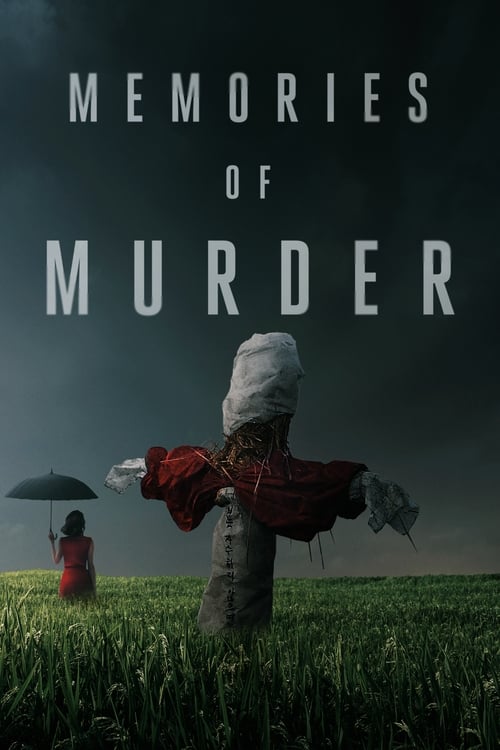
- Career Context: Memories of Murder (2003) tt0353969. Bong’s procedural masterpiece, where institutional failure rather than inequality is the invisible antagonist. The tonal signature, comedy and horror arriving in the same shot, was perfected here first.
LUNARA DEBRIEF
- Score:★★★★★
- Oscar Ledger6 nominations • 4 wins
- Year:2019
- Where to Watch:StreamingMaxAvailabilityCriterion Collection 4K
Pair It With
Three films in conversation with this one.
Theme Echo
The Housemaid (1960)
Kim Ki-young's staircase melodrama is the film Bong has cited as ancestor: an outsider enters a middle-class house and the house itself becomes the battlefield. Sixty years apart, the two films agree that in Korean cinema, class war is fought room to room.

Counter-Program
Home Alone (1990)
The same premise, a house defended against infiltrators, played as pure wish fulfillment. The comparison sounds like a joke until you notice both films believe a floor plan is destiny; one just lets the child win.
Career Context
Memories of Murder (2003)
Bong's procedural masterpiece, where institutional failure rather than inequality is the invisible antagonist. The tonal signature, comedy and horror arriving in the same shot, was perfected here first.
Further Reading
More Lunara Criticism
 ★★★★½
★★★★½
Lunara Review
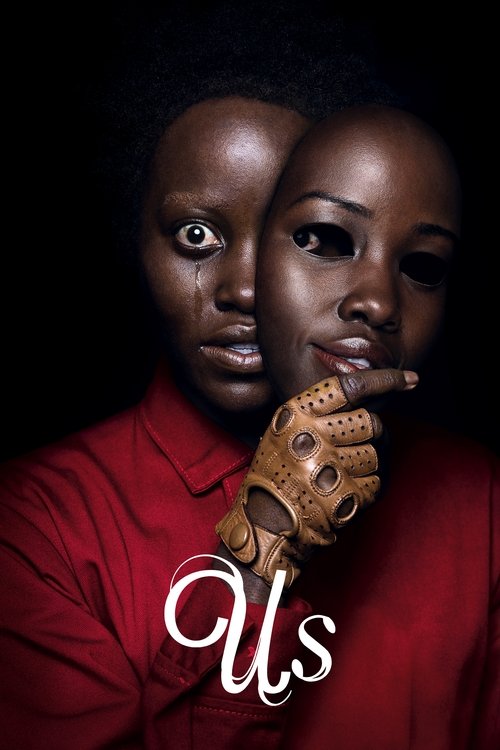
Us — The Violence of Forgetting
The home invasion is a repossession; the family in the driveway has come to collect.
Updated July 25, 2026
 ★★★★★
★★★★★
Lunara Review
Uncut Gems — The Win That Was Always the Bullet
Adam Sandler plays a man allergic to his own good luck, and the movie gives you his pulse instead of a plot.
Updated July 25, 2026
 ★★★½
★★★½
Lunara Review
Spider-Man: Far From Home — The Villain Is a Workflow
Marvel finally built a villain out of its own job description, then beat him with the product.
Updated July 25, 2026
 ★★★★★
★★★★★
Lunara Review
Midsommar — Grief in Broad Daylight
The scariest thing in the brightest horror film of its decade is a boyfriend saying "that sucks."
Updated July 25, 2026
 ★★★★★
★★★★★
Lunara Review
Marriage Story — The System That Bills by the Wound
Two people agree to divorce gently, and Noah Baumbach films what the law does with that agreement.
Updated July 25, 2026