

Uncut Gems, 2019
Uncut Gems — The Win That Was Always the Bullet
Movie Review
Adam Sandler plays a man allergic to his own good luck, and the Safdies film his ruin like a planetarium show.
Fair warning before anything else: this piece walks all the way to the final frame, ending included, because the ending is the argument. If you have not seen Uncut Gems yet, go see it, then come back. It earns the trip twice.
The movie opens inside a wound. An Ethiopian mine, a worker’s leg shattered, a riot boiling at the pit, and two men slipping off in the chaos to pry a black opal out of the rock. Then the camera does something no establishing shot has any business doing. It pushes into the stone itself, into a galaxy of color with no visible floor, drifts through all that light, and comes out the other side inside the colon of Howard Ratner, mid-colonoscopy, New York, two years later. One continuous move. The treasure and the tumor are the same footage. It is the crudest establishing shot of its decade and the most honest, because the Safdie brothers have just told you everything the film believes before a single line of dialogue: whatever Howard wants is already inside him, and it is eating him alive.
Howard is a Diamond District jeweler. His wife has finished loving him and is simply waiting out the calendar. His girlfriend is on the payroll. He owes six figures to a loan shark who happens to be his brother-in-law, which means even his debt is family. The opal is his way out. Auction it, clear the books, breathe. Then Kevin Garnett walks into the showroom, picks up the stone, feels something cosmic pass through his hand, and asks to borrow it for one night. And Howard, holding the most valuable object of his life, hands it over in exchange for Garnett’s championship ring, which he immediately pawns, to place a six-way parlay, on Garnett.
Read that sentence again. That sentence is the whole man. Every catastrophe that follows is the same sentence running again at higher stakes, because Howard’s sickness is not losing. Losing would stop him. Losing would be mercy. Howard’s sickness is the win that has to be instantly converted into a bigger bet, profit rolled forward forever, the payout never touched, until the only chip left on the table is his own life.
This is the performance Adam Sandler’s entire career was secretly rehearsing. Everything his comedies spent for laughs, the fast talk, the wheedling charm, the little-boy grin stretched over grown-man rage, the Safdies spend for dread, and the parts are identical. Only the lighting changed. Sandler gives Howard zero self-pity and, more remarkably, zero irony. The man is having a wonderful time. Watch him lie. He lies the way other people breathe, in rhythm, for maintenance, and Sandler lets you see that every lie genuinely feels like a solution while it is still in his mouth. That is the tenderness in the performance, and it is what makes the film hurt: Howard believes himself, every single time.
Darius Khondji shoots that mouth and everything around it in neon and showroom halogen, close enough to count pores, and lets the district’s real texture do the production design. Buzzing security doors. Gold chains on velvet trays. Goods worth more than the lives carrying them, passing hand to hand all day long. Over it all, Daniel Lopatin lays a score of cosmic synthesizer awe, music far too beautiful for what is happening on screen, and the gap between the sound and the sight is where the movie lives. The dialogue overlaps until scenes turn into auctions, everyone bidding at once, and for two hours and fifteen minutes the film simply declines to release the tension it keeps winding tighter. That is not pacing. That is a nervous system.
Honestly measured, the relentlessness collects a toll. The film has one gear by design, and through the middle stretch, that chain of handoffs and pawnings and re-pawnings circling the auction, the escalation loop repeats until panic flattens into procedure. And Howard’s home front is thinner than the movie needs it to be. Idina Menzel is acid perfection in her handful of scenes, but the marriage exists mostly as a set of slamming doors, so the family Howard is gambling away never weighs quite enough on the scale. The Safdies bet everything on tempo, and tempo pays, but it pays out in adrenaline rather than grief.
Then comes the last night, and you understand what all that tempo was for. Howard traps his creditors in the security vestibule between his showroom’s double doors, a glass box with buzzing locks, grown men pounding on the walls like wasps in a jar, and rides Garnett’s Game 7 with everything he has ever wanted sitting on the line. The parlay hits. Every leg. Howard weeps with joy in front of a television. His girlfriend is at the casino holding the winnings. The debt is mathematically dead. And Arno’s enforcer shoots him through the face before the celebration has finished leaving his body.
There is no irony in the staging, and no punishment either. The Safdies shoot it as fulfillment. The camera enters the bullet wound the way it once entered the opal, finds the same nebula of color waiting inside him, and drifts back to Ethiopia, closing the loop it opened in the first minute. Howard died at the exact summit of his life, the one moment when everything hit at once, and that is the only place a man like Howard could ever have agreed to stop. Earlier in the film he says it plainly: this is how I win. The movie’s genius is that it never once contradicts him. It just shows you the full price of being right.
Lunara Film Debrief
- Score:★★★★★
- Year:2019
- Where to Watch:StreamingNetflixAvailabilityCriterion Collection disc

Theme Echo
What is this film really about — and who else has said it?
The Gambler (1974)
James Caan's literature professor speaks the theology Howard only lives: the gambler is not trying to win, he is trying to reach the edge. Karel Reisz's film explains Uncut Gems; the Safdies' film makes you feel why explanation is useless.
Counter Program
What is the strongest argument against it?
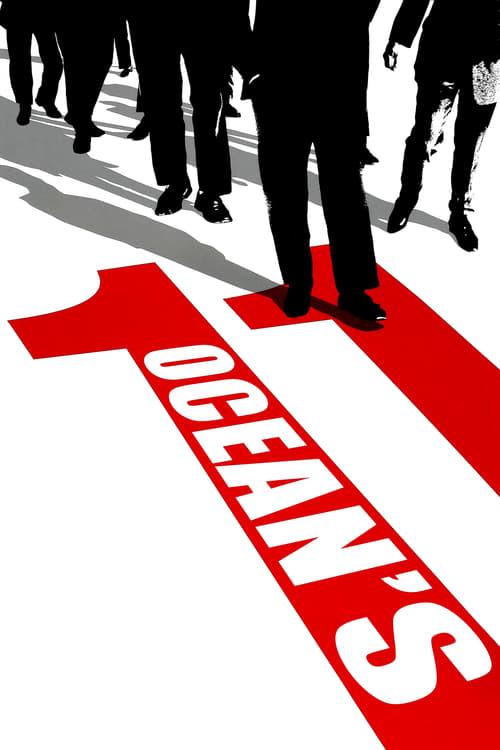
Ocean's Eleven (2001)
Risk as pure pleasure, consequence permanently deferred, every bet a joke with a payoff. Soderbergh's velvet fantasy is what gambling looks like from the outside; the Safdies show you the inside of the same casino, where the house is your bloodstream.
Career Context
Where does this sit in the artist's story?
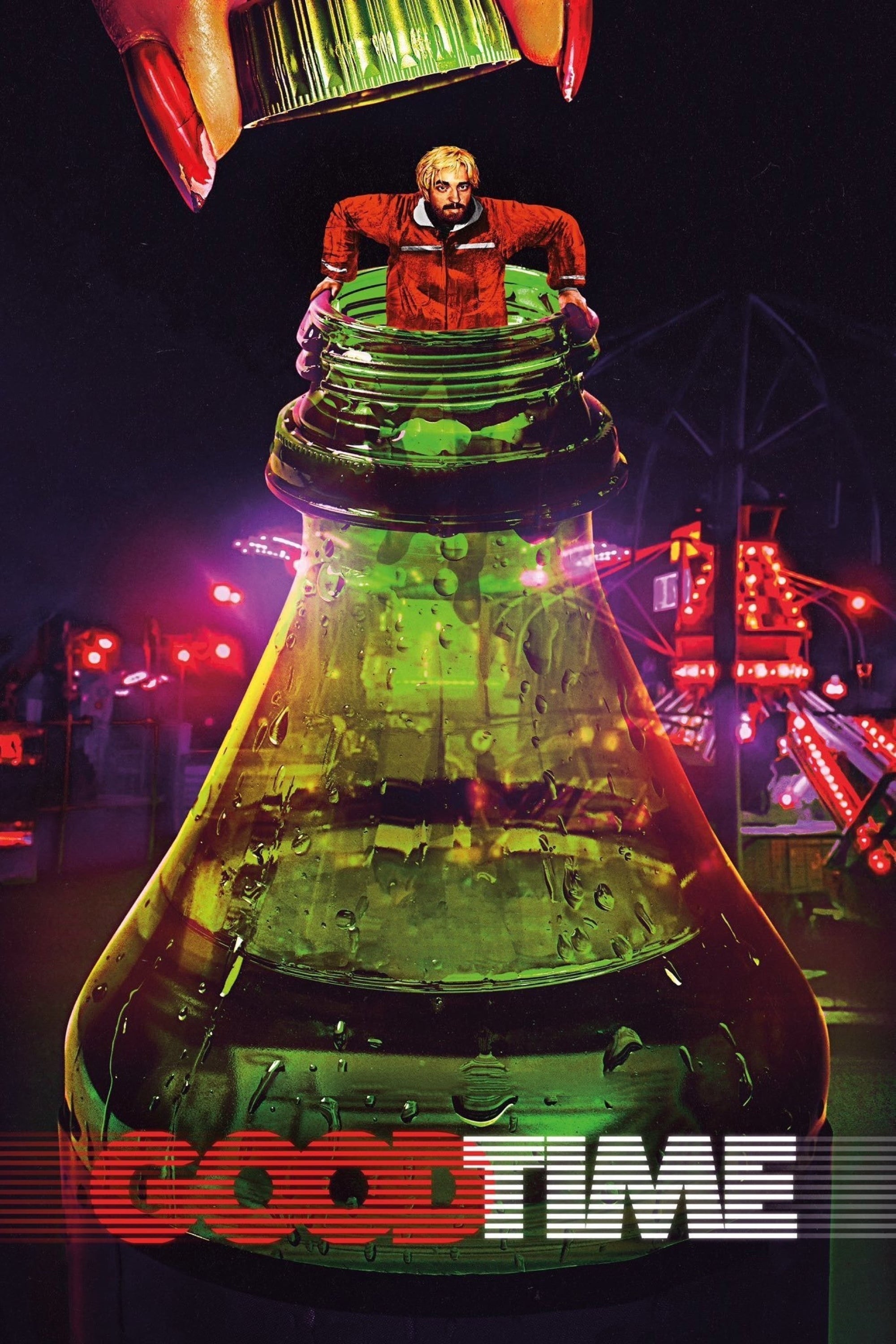
Good Time (2017)
The Safdies' previous all-night spiral, same nervous-system filmmaking, same neon, same unwillingness to slow down for sympathy. Connie Nikas is Howard without the showroom: proof the brothers' true subject was always the self-saboteur who mistakes momentum for hope.
More Lunara Film Criticism
Further Reading
 ★★★★
Lunara Film Review
Good Time — The Rescue Is the Wreck
One night, one brother trying to save the other, and every rescue leaves a bigger hole than the emergency it answered.
Updated September 23, 2026
 ★★★★½
Lunara Film Review
Us — The Violence of Forgetting
The home invasion is a repossession; the family in the driveway has come to collect.
Updated September 23, 2026
 ★★★½
Lunara Film Review
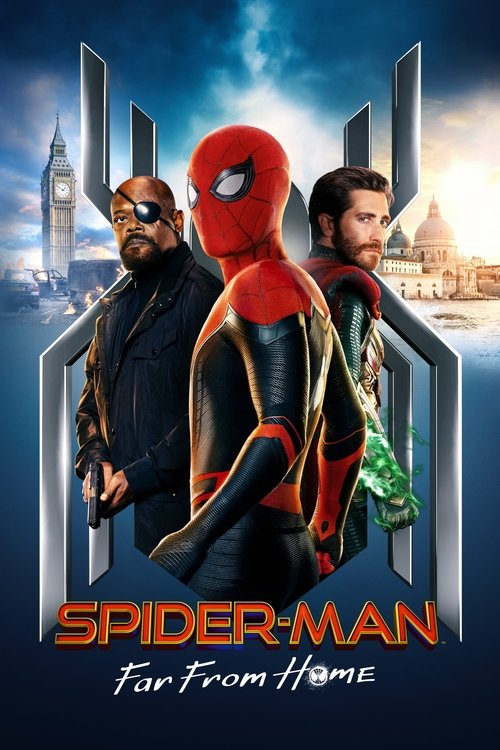
Spider-Man: Far From Home — The Villain Is a Workflow
Marvel finally built a villain out of its own job description, then beat him with the product.
Updated September 23, 2026
 ★★★★★
Lunara Film Review
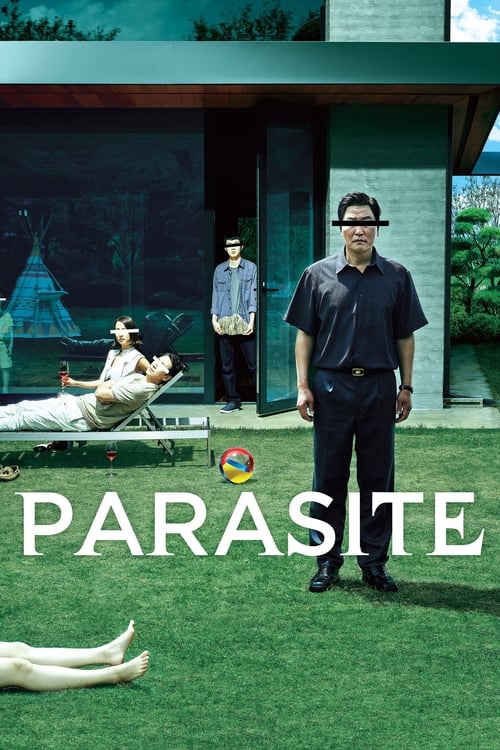
Parasite — The Smell Money Cannot Wash
The rich are not villains here; they are noses.
Updated September 23, 2026
 ★★★★★
Lunara Film Review
Midsommar — Grief in Broad Daylight
The scariest thing in the brightest horror film of its decade is a boyfriend saying "that sucks."
Updated September 23, 2026