
Lunara Review
Nope — The Sky Is Watching Back
Jordan Peele builds a summer UFO spectacular about the sin of spectacle, and has the nerve to make looking away the heroic act.

Jordan Peele builds a summer UFO spectacular about the sin of spectacle, and has the nerve to make looking away the heroic act.
The film opens with a horse and a technicality. In 1878, Eadweard Muybridge photographed a galloping horse in sequential frames and produced the ancestor of every movie ever made, and Nope’s Haywood siblings claim the unnamed Black jockey riding that horse as their great-great-great-grandfather. The claim is the movie. Cinema’s first performer is a man history kept the horse’s name instead of, and his descendants now run a struggling ranch renting horses to productions that treat them, animal and handler alike, as replaceable inputs. Jordan Peele plants this grievance quietly in the opening minutes and then builds a flying monster out of it, because Nope’s alien is not an invader in any traditional sense. It is a predator with the ecology of an audience: it eats what looks at it, it performs before it feeds, and it hides in plain sight by resembling the thing every camera in California is pointed at anyway. The sky.
Daniel Kaluuya’s OJ Haywood is the film’s moral instrument, and Peele tunes him with astonishing restraint. A man of maybe two hundred words across the whole picture, OJ is the one character whose relationship to animals is professional rather than extractive: he reads the horses, respects their sightlines, knows that you do not stare down a predator, and Kaluuya plays the discovery of the creature’s rules, it eats what beholds it, with the low-key satisfaction of a trainer recognizing a temperament. His sister Emerald, Keke Palmer in the year’s most kinetic comic performance, wants the opposite of his invisibility: she wants the shot, the Oprah shot, the undeniable frame that will convert the family’s erased history into fame and money. The film loves them both and knows only one of them is right, and its slow conversion of Emerald’s hustle into OJ’s discipline, climaxing with her operating a hand-cranked camera, film advanced one deliberate frame at a time, the Muybridge machine reclaimed by the bloodline it erased, is the most elegant thematic payoff in any studio picture of its year.
And then there is Gordy. The film’s stealth centerpiece has no aliens in it at all: a sitcom chimpanzee, spooked by a popping balloon on a taping day in 1998, beats the cast nearly to death on a dressed living-room set while the studio audience flees, and a hiding boy, child star Ricky Park, watches through a tablecloth as the exhausted animal, fists bloody, notices him and offers the fist-bump from their show. The sequence is staged as pure horror, party shoes standing upright, a convulsing shape under stage lights, and it functions as the film in miniature: a living creature converted into entertainment until the conversion fails catastrophically, and a witness who draws the exact wrong lesson. Steven Yeun’s adult Ricky, now running a western theme park beside the Haywood ranch, has decided his survival made him chosen rather than lucky, and his Star Lasso Experience, feeding the flying thing a steady diet of horses in front of paying crowds, is the delusion at commercial scale. The film’s honest limit lives here too, and it is worth stating plainly: Ricky is Nope’s richest idea and its most rationed character, the trauma-into-merchandise psychology sketched in one flashback and one display case when it deserved a second act of its own, and the film hurries past the massacre of his audience, the starkest image of its thesis, with an almost nervous speed. Peele’s ideas outrun his running time; it is the rare blockbuster with too much on its mind, which is a strange complaint and a real one.
What is not rationed is craft. Hoyte van Hoytema shoots the desert nights with an infrared rig that renders darkness as vast silver visibility, so the film can stage its dread in open country under a sky that behaves like open water; the Jaws comparison is structural, a territorial predator, a crew of three, escalating set pieces, but Peele tilts the geometry vertical, and the shark is the weather. Michael Abels’ score keeps swelling into western registers, because the film is finally a western: a ranch family defending a homestead, except the claim being defended is authorship itself, the right of the watched to own the watching. When the creature unfurls into its final form, a billowing white immensity like a camera shutter crossed with a cathedral, the film achieves something genuinely rare, a monster that is beautiful precisely in proportion to how dangerous looking at it is. Which is the whole sermon. Nope is a spectacle that indicts spectacle and pays the contradiction honestly: it gives you the miracle, prices the miracle, and puts the survival skill in the title. Sometimes the bravest available act, in a culture that monetizes every eyeball, is the flat refusal to give a thing your gaze. OJ, hood up, eyes down, lives because he learned what Hollywood never does: not everything that happens to you is content, and some things looking at you are not looking back in friendship.
LUNARA DEBRIEF
- Score: 5 / 5
- Year: 2022
- Where to Watch: Streaming (Peacock) | VOD (major platforms) | 4K UHD
- Theme Echo: Jaws (1975) tt0073195. The structural parent: a territorial eating machine, a beach that will not close, three insufficient people in a boat. Peele rotates Spielberg’s geometry ninety degrees and swaps the beach economy for the attention economy, and both films know the monster is only half the problem; the crowd that will not stop coming is the other half.
- Counter-Program: Close Encounters of the Third Kind (1977) tt0075860. The sky as invitation instead of appetite: Spielberg’s watchers are rewarded with communion for exactly the upturned gaze that gets Peele’s watchers digested. Run together, the two films are a fifty-year argument about whether wonder is a door or a lure.
- Career Context: Get Out (2017) tt5052448. Peele’s debut located horror in the appropriation of Black bodies; Nope relocates it to the appropriation of the Black image, all the way back to the first strip of film. The auction scene and the erased jockey are the same crime at different frame rates.
LUNARA DEBRIEF
- Score:★★★★★
- Year:2022
- Where to Watch:
Pair It With
Three films in conversation with this one.

Theme Echo
Jaws (1975)
The structural parent: a territorial eating machine, a beach that will not close, three insufficient people in a boat. Peele rotates Spielberg's geometry ninety degrees and swaps the beach economy for the attention economy, and both films know the monster is only half the problem; the crowd that will not stop coming is the other half.

Counter-Program
Close Encounters of the Third Kind (1977)
The sky as invitation instead of appetite: Spielberg's watchers are rewarded with communion for exactly the upturned gaze that gets Peele's watchers digested. Run together, the two films are a fifty-year argument about whether wonder is a door or a lure.

Career Context
Get Out (2017)
Peele's debut located horror in the appropriation of Black bodies; Nope relocates it to the appropriation of the Black image, all the way back to the first strip of film. The auction scene and the erased jockey are the same crime at different frame rates.
Further Reading
More Lunara Criticism
 ★★★★½
★★★★½
Lunara Review
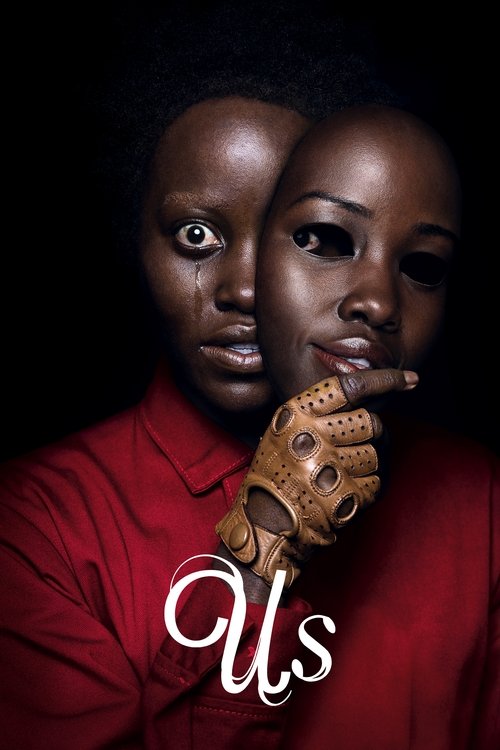
Us — The Violence of Forgetting
The home invasion is a repossession; the family in the driveway has come to collect.
Updated July 25, 2026
 ★★★★½
★★★★½
Lunara Review
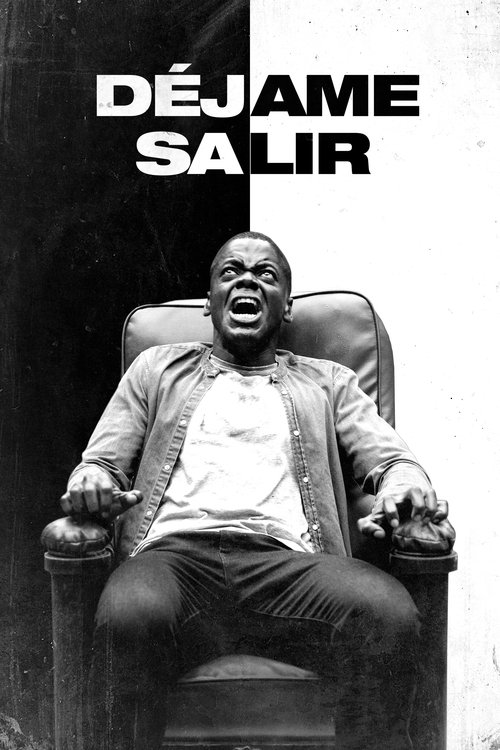
Get Out — The Welcome Is the Trap
Get Out is a horror movie about the terror of being politely consumed -- where the smile is the threat and liberal welcome turns out to be...
Updated July 18, 2026
 ★★★★★
★★★★★
Lunara Review
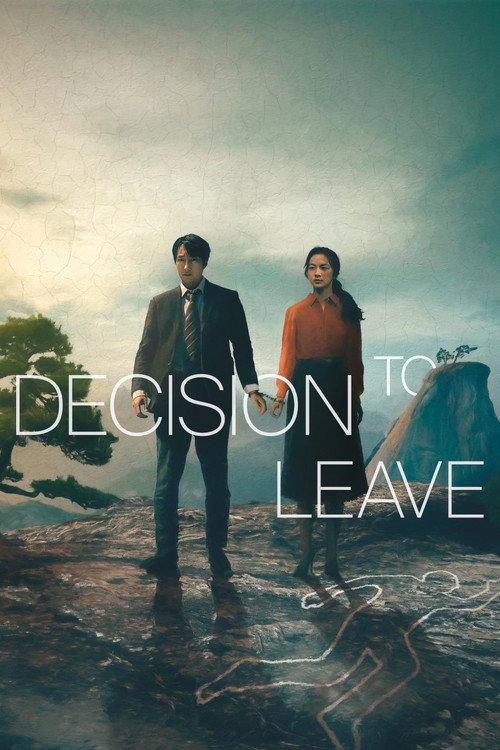
Decision to Leave — Surveillance Is the Love Language
Park Chan-wook's detective romance understands the terrible secret of both professions: to investigate someone and to love someone are the same activity.
Updated July 25, 2026
 ★★★½
★★★½
Lunara Review
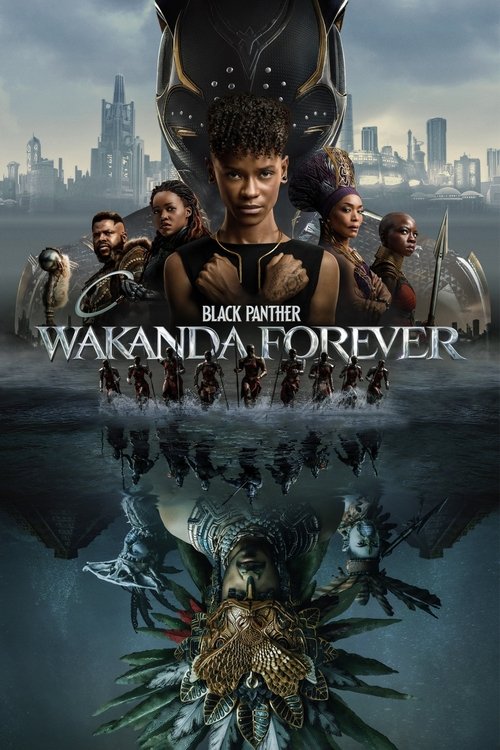
Black Panther: Wakanda Forever — Stronger as Eulogy Than Entertainment
The first franchise film that had to bury its star before it was allowed to tell a story.
Updated July 25, 2026
 ★★★★★
★★★★★
Lunara Review
Babylon — The Movies Were Never Respectable
Three hours of vomit, jazz, and dying stars, all of it in defense of one heretical idea: the sacred thing was built by the vulgar people.
Updated July 25, 2026