
Lunara Review
Get Out — The Welcome Is the Trap
Get Out is a horror movie about the terror of being politely consumed -- where the smile is the threat and liberal welcome turns out to be a second locked door. Years on, it has only gotten scarier, because the room it diagnoses never emptied out.

Get Out is a horror movie about the terror of being politely consumed — where the smile is the threat and liberal welcome turns out to be a second locked door. Years on, it has only gotten scarier, because the room it diagnoses never emptied out.
The scariest thing in Get Out is not a knife or a monster. It is a spoon, circling a teacup. Missy Armitage stirs her tea and the small domestic sound turns legislative — she needs no basement and no mask, just a chair, a soft voice, and the lifelong confidence of someone who has never once doubted the room belongs to her. That is the whole movie in a single sound. Jordan Peele understood, before almost anyone else making studio horror, that the most frightening version of menace is the kind that arrives disguised as hospitality and waits for you to thank it.
Chris Washington goes home with his white girlfriend to meet her parents, and the horror never announces itself — it keeps showing up dressed as warmth. The father mentions he’d have voted for Obama a third time. A party guest appraises Chris’s build like equipment at auction. Everyone is so welcoming, and the welcome is the trap. Peele builds the Armitage house as a social ambush before he ever reveals it as a physical one: the place is expensive, tasteful, spiritually airless, and every kindness in it has teeth. The film knows racism doesn’t always enter a room shouting. Sometimes it asks a polite question, smiles, and waits.
The craft is all pointed at one thing — making courtesy unbearable. Peele keeps the camera close on Daniel Kaluuya’s face so every small wrong note becomes a survival calculation: correct it, laugh it off, file it away, or run. The pause before Chris answers is where the dread lives. The cuts let a pleasantry finish, then drop the temperature a degree before comfort can settle. Michael Abels’ score doesn’t just signal danger; it gives the danger a ritual shape, voices that sound older than the house and seem to know what’s coming. And then there’s the Sunken Place — Chris paralyzed, awake, watching his own life shrink to a screen far above him while he screams unheard. Peele has said the image is about marginalization, the experience of being silenced by a system you can see operating. It lands because it isn’t only a metaphor. It is literal cinema: a man fully conscious and totally powerless, which is the most frightening thing a horror movie can put on screen.
Kaluuya gives a performance built on restraint, but the active kind. Chris is not slow to understand what’s happening to him — he understands too much, too early, and has been trained by a lifetime to survive by not making everyone else uncomfortable with how much he sees. Watch his shoulders when the father starts performing racial ease: the face stays polite while the body has already found the exit. That is the engine of his quiet — not passivity, but the exhausting discipline of containment. Around him, the Armitages are smart enough never to play villains. Allison Williams keeps Rose’s warmth usefully blank. Bradley Whitford and Catherine Keener play hosts — gracious, attentive — and the graciousness is the horror. Nobody here is a monster. They’re worse. They’re nice.
If there’s a knock, it’s the oldest trade-off in the genre. The first hour is so razor-sharp about social ambiguity — the dread that lives in not being sure — that once the film explains its machinery and shifts into full thriller mechanics, the fear gets cleaner and a little less mysterious. The escape, when it comes, is pulp-clever and morally exact, and I won’t spoil the instrument of it except to say it turns the very history the movie is about into the means of getting free. But the back half trades unease for momentum, and unease was the sharper weapon. It’s a small complaint about a film that mostly knows precisely what it’s doing, and it’s closer to a preference than a flaw: I just wanted the not-knowing to last even longer than it does.
What lifts Get Out past clever genre inversion is its refusal of the comforting idea that seeing the trap is the same as escaping it. Chris reads the room perfectly. He knows when the smile is wrong, when the compliment is bait. And the nightmare is that knowing doesn’t save him — that clarity and safety are not the same thing. Years on, that’s the part that has aged like a blade. The movie diagnosed a specific American room, the one where cruelty wears the costume of welcome and calls itself progress, and the room never emptied out. Peele built a horror movie confident that the monster is scariest when it doesn’t think of itself as one, then handed it the manners to prove it. It’s angry, funny, precise, and it does the thing only the best horror manages: it makes you feel watched on the way out of the theater.
LUNARA DEBRIEF
- Score: 4.5 / 5
- Year: 2017
- Where to Watch: Digital rental / purchase; streaming availability varies
- Theme Echo: The Invitation (2015) tt2400463. Another dinner-party nightmare where hospitality is the containment strategy — Kusama turns grief into cult logic where Peele turns politeness into possession.
- Counter-Program: Guess Who’s Coming to Dinner (1967) tt0061735. The liberal-approval stress test Get Out answers by asking what happens when approval is just another form of appetite.
- Career Context: Key & Peele (2012) tt1981558. Peele’s sketch work trained his timing for social discomfort — setup, recognition, reversal — and Get Out keeps the rhythm while removing the escape hatch.
LUNARA DEBRIEF
- Score:★★★★½
- Oscar Ledger4 nominations • 1 wins
- Year:2017
- Where to Watch:
Pair It With
Three films in conversation with this one.
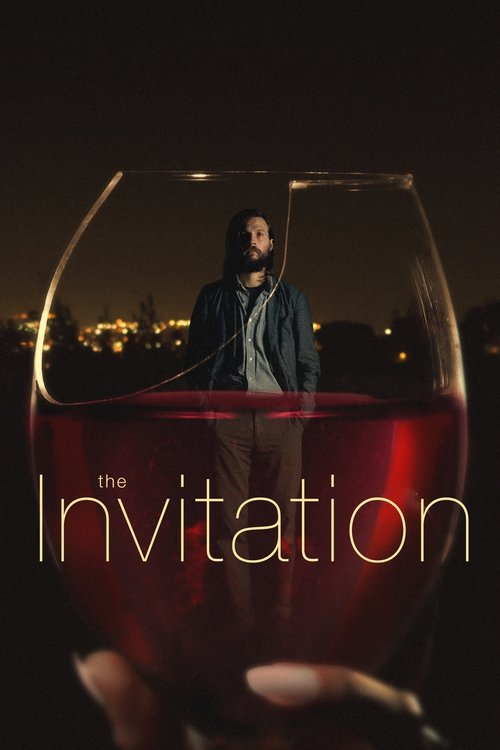
Theme Echo
The Invitation (2015)
Another dinner-party nightmare where hospitality is the containment strategy -- Kusama turns grief into cult logic where Peele turns politeness into possession.

Counter-Program
Guess Who's Coming to Dinner (1967)
The liberal-approval stress test Get Out answers by asking what happens when approval is just another form of appetite.
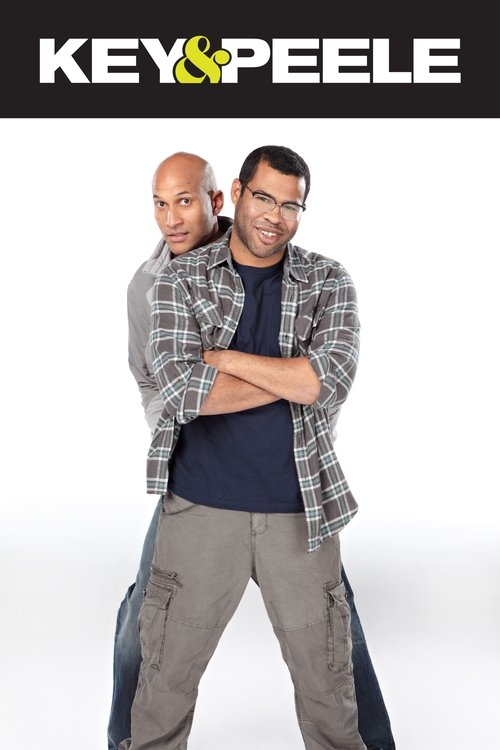
Career Context
Key & Peele (2012)
Peele's sketch work trained his timing for social discomfort -- setup, recognition, reversal -- and Get Out keeps the rhythm while removing the escape hatch.
Further Reading
More Lunara Criticism
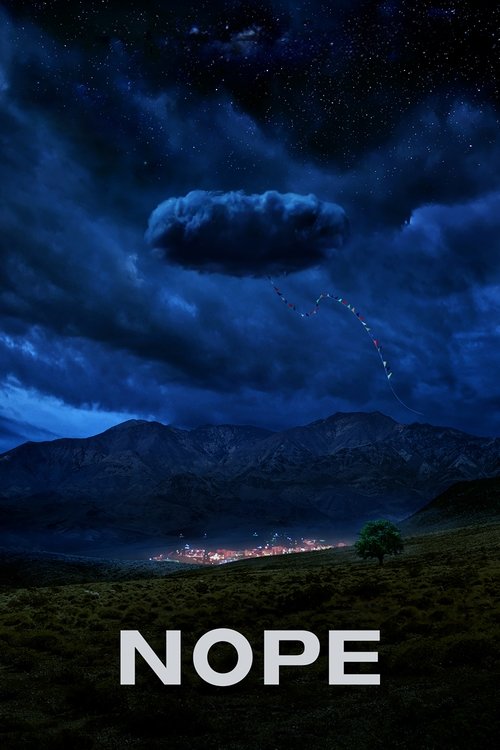 ★★★★★
★★★★★
Lunara Review
Nope — The Sky Is Watching Back
Jordan Peele builds a summer UFO spectacular about the sin of spectacle, and has the nerve to make looking away the heroic act.
Updated July 25, 2026
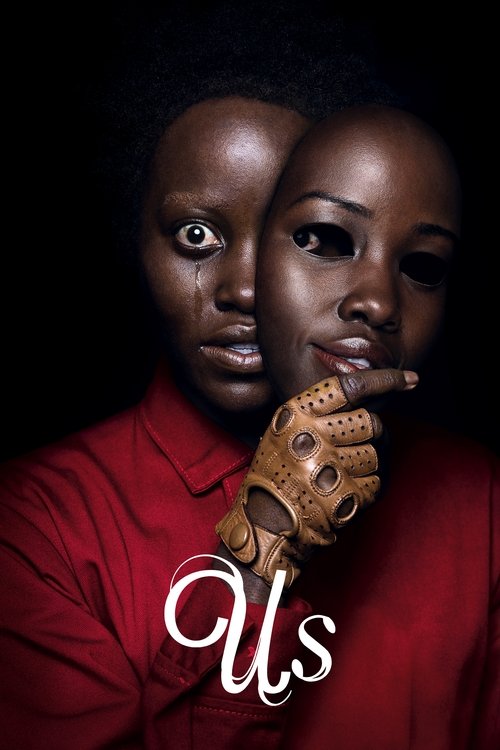 ★★★★½
★★★★½
Lunara Review
Us — The Violence of Forgetting
The home invasion is a repossession; the family in the driveway has come to collect.
Updated July 25, 2026
 ★★★
★★★
Lunara Review
Thor: Ragnarok — Laughing a Beat Too Long
Waititi rescues the franchise's dullest god by burning his world down, then laughs a beat too long at the flames.
Updated July 25, 2026
 ★★★★★
★★★★★
Lunara Review
The Florida Project — Summer Is a Feral God
A sunburn of a movie, beautiful and stinging, set in the pastel shadow of the promise machine.
Updated July 25, 2026
 ★★★½
★★★½
Lunara Review
Spider-Man: Homecoming — Smallness Is the Point
The most dangerous scene Marvel ever staged is a dad driving two kids to a school dance.
Updated July 25, 2026