

Once Upon a Time in Hollywood, 2019. Sony
Once Upon a Time in Hollywood — The Last Golden Hour
Movie Review
Three hours of driving around 1969 Los Angeles, and the nothing is the point: this is a fairy tale for people who know better and need one anyway.
There is a moment late in an afternoon in this movie, and in most of its afternoons, when the light hits the stucco a certain way. Amber, low, already leaving. Quentin Tarantino built a three-hour film around that light, and around two men who can feel it going: a fading TV Western star and his stunt double, cruising 1969 Los Angeles, doing not much of anything. The trick is that the not much of anything is everything. What Rick Dalton and Cliff Booth are actually doing, mile after mile, is existing in the last golden hour of an industry, the final days before the dream curdled, the moment when the people who built Hollywood found out Hollywood did not need them anymore and maybe never had. Once Upon a Time in Hollywood is a hangout movie that is secretly an elegy, and it wrecked me in the gentlest possible way.
Here is the situation, plainly. Rick’s moment has passed. The lead roles have dried up, the guest-villain parts are stacking up, and the offer to go make spaghetti Westerns in Italy sits in front of him like a signed confession of defeat. Cliff is his stunt double, his driver, his handyman, and his only real friend, a man whose own career cratered under rumors that he killed his wife, and who now lives in a trailer behind a drive-in with a pit bull named Brandy. Next door to Rick, meanwhile, Sharon Tate and Roman Polanski have moved in, young and shining and headed toward a date every person watching already knows. Tarantino paces all of this like a Los Angeles afternoon, drift instead of drive, and lets the plot arrive only when history insists on it. If you need your movies to hurry, this one will test you. Stay anyway.
Leonardo DiCaprio gives the performance of his career here, and I do not say that lightly about this career. Rick is a man in free fall who has not noticed he is falling; his self-image is still up on the billboard while his bookings tell another story. Watch what DiCaprio does with the small stuff: the quick scan for recognition when Rick walks into a restaurant, the lines rehearsed alone in the trailer, the confidence worn like wardrobe, ready to collapse into self-loathing between takes. When Rick blows a take on his villain role and then tears into himself in the mirror, calling himself worse than a has-been, DiCaprio strips the vanity all the way down to the terror underneath, the terror that lives behind every aging actor’s smile. And then, this is the part that got me, the film gives Rick his talent back. When he finally nails his scene opposite the child actress, when he becomes the character and the whole set feels it, you see exactly why this man was a star and exactly what he can still do when he gets out of his own way. The heartbreak is that it no longer matters. The industry has no room left for what Rick does well. Talent was never the problem. The culture moved, and nobody sent word. That is a specifically American fear, the fear that your best work is already behind you and no one noticed the day it happened, and DiCaprio carries it in his shoulders for three hours.
Brad Pitt’s Cliff is the opposite pole and the perfect complement: calm where Rick is anxious, competent where Rick is fragile, at home in his own skin as Rick will never be. Pitt plays that ease as something bordering on dangerous, a man fully capable of violence and fully unbothered by the fact. The rumor about his wife hangs over every scene, and Pitt never once plays it directly; he just lets Cliff walk around with a moral code that answers to nobody, including us. When Cliff drives Rick home, fixes his antenna, runs the dog to the vet, Pitt makes the servitude read as choice. These two men need each other equally. Each is the only person alive who sees the other clearly, and the movie knows that is its real love story.
Then there is Sharon. Give Margot Robbie this few lines and some people will call the part thin. That is the wrong reading. Sharon exists in this film as pure life, as joy, as the very thing history is about to try to extinguish, and Robbie plays her that way without a single false note. The scene where Sharon slips into a theater to watch herself in a movie, feet up on the seat in front of her, delighted by the audience laughing at her scenes, fully present inside her own happiness, is one of the kindest things Tarantino has ever filmed. She does not need dialogue because her presence is the point: she is what Hollywood can produce at its best. Robbie makes her real without making her tragic. We meet her as alive, not as victim, and that choice is the film’s quiet moral act.
Robert Richardson shoots the city as paradise about to fall, on 35mm with period lenses, so the images could pass for outtakes from the pictures Rick and Cliff might have made. Golden hour bathes everything; neon glows against dusk; the detail is so loving you can practically smell the smog and the jasmine. The driving sequences, and there are many, play as meditation rather than montage, the camera riding along past landmarks that still stand and landmarks that do not, the city as much a character as any person in it. And when the film finally tightens, it tightens hard. The Spahn Ranch sequence is the best stretch of pure tension Tarantino has ever staged. Cliff drives a hitchhiking Manson girl called Pussycat back to the ranch where the Family lives, and something is wrong in the air that he can feel and you can feel and nobody names. The dread accumulates piece by piece: the hippies watching from porches, the trash everywhere, a place gone rancid. Cliff insists on checking in on George Spahn, the blind old man who owns the land, and the walk to that house, Manson girls trailing him through the compound, becomes unbearable without one act of violence occurring. That nothing terrible happens, yet, makes it worse. Tarantino holds the sequence long past comfort and trusts your knowledge of history to do work no score or cut could do.
What stays with you afterward is that amber light on stucco walls, beautiful and already going, and the knowledge that the sun is setting on everyone in the frame with nothing to be done about it except drive around one more time and try to remember how it felt. This is a film that mourns an era without embalming it, loves its characters without excusing them, and rewrites history not as denial but as gift. It is Tarantino’s most mature movie, his saddest, his most generous. It is a fairy tale told to people who know fairy tales are not true, by a man who understands that sometimes, at the end of the day, that is exactly when you need one.
Lunara Film Debrief
- Oscar Ledger10 nominations • 2 wins
- Year:2019
- Where to Watch:AvailabilityIt's streaming everywhere

Theme Echo
What is this film really about — and who else has said it?
Sunset Boulevard (1950)
Wilder's portrait of Hollywood discarding its own; both films about what the industry does to the people who built it.
Counter Program
What is the strongest argument against it?
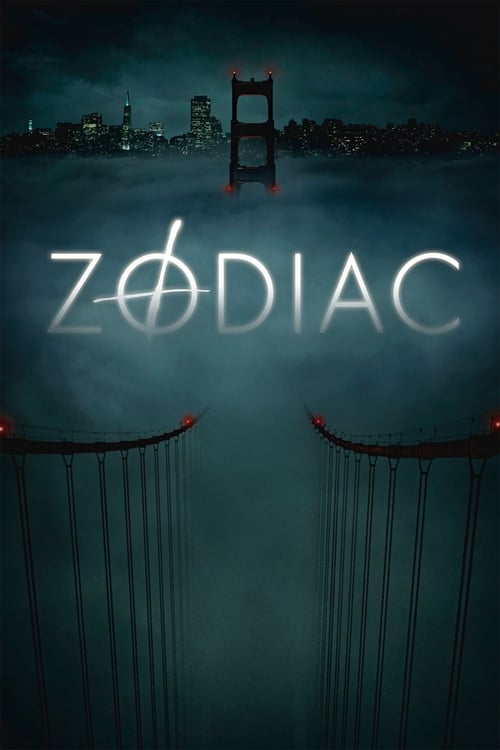
Zodiac (2007)
Fincher's meticulous reconstruction of the same era's darkness; where Tarantino offers escape through revisionism, Fincher offers no exit from fact.

Career Context
Where does this sit in the artist's story?
Inglourious Basterds (2009)
Tarantino's first historical revisionism, where cinema literally rewrites history; Once Upon a Time refines that impulse from revenge fantasy into protective fairy tale.
More Lunara Film Criticism
Further Reading
 ★★★★½
Lunara Film Review
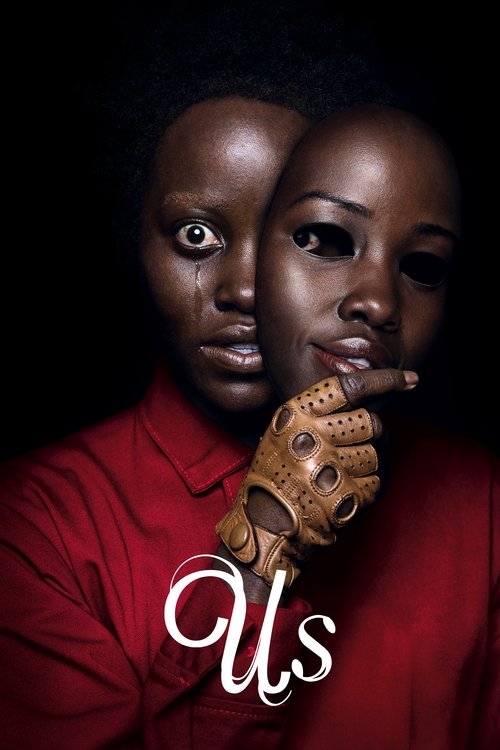
Us — The Violence of Forgetting
The home invasion is a repossession; the family in the driveway has come to collect.
Updated September 23, 2026
 ★★★★★
Lunara Film Review
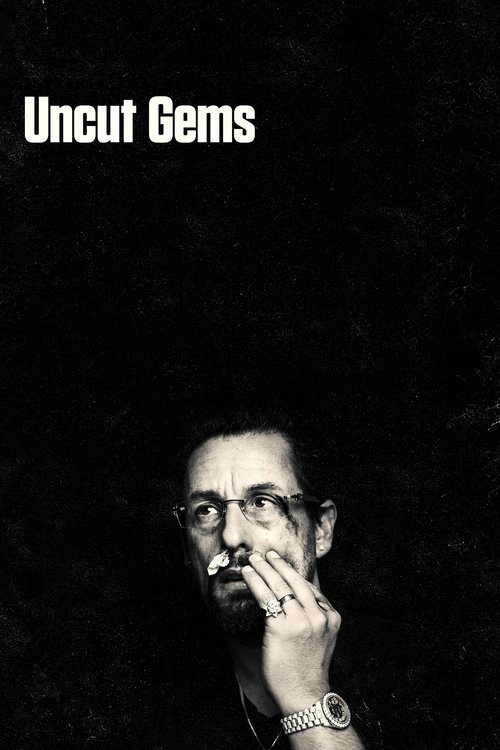
Uncut Gems — The Win That Was Always the Bullet
Adam Sandler plays a man allergic to his own good luck, and the movie gives you his pulse instead of a plot.
Updated September 23, 2026
 ★★★½
Lunara Film Review
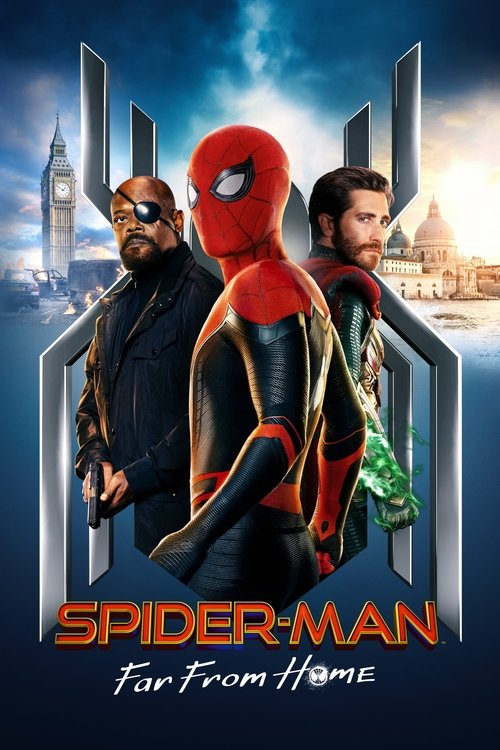
Spider-Man: Far From Home — The Villain Is a Workflow
Marvel finally built a villain out of its own job description, then beat him with the product.
Updated September 23, 2026
 ★★★★★
Lunara Film Review
Parasite — The Smell Money Cannot Wash
The rich are not villains here; they are noses.
Updated September 23, 2026
 ★★★★★
Lunara Film Review
Midsommar — Grief in Broad Daylight
The scariest thing in the brightest horror film of its decade is a boyfriend saying "that sucks."
Updated September 23, 2026