

Argylle, 2024
Argylle — All Tuxedo, No Motion
Movie Review
It shows up in a tux and forgets to dance.
There is one real idea in Argylle, and it happens on a train. Elly Conway, a spy novelist with a Scottish Fold riding in her backpack, is minding her own business when a scruffy stranger starts throwing punches to protect her, and because Elly narrates her own life in the grammar of her paperbacks, the fight keeps flickering between two men: Sam Rockwell throws the punch, Henry Cavill lands it, Rockwell takes the return fire, Cavill absorbs the fall. For about ninety seconds I sat up. That is a true notion about what fantasy does for us, how it launders danger into comfort, how the imagined hero steps in front of the real one because the real one is too frightening to look at. Then the movie spends two more hours telling the same joke louder, and you can feel the exact moment a notion curdles into a slogan. Matthew Vaughn used to make kinetic mischief with a reason to exist; X-Men: First Class had purpose humming under its polish. Argylle has only the polish, and it holds the polish up to the light and insists, very hard, that polish is purpose.
The production values are immaculate, and I mean that the way a doctor means it. Everything on screen has been airbrushed to the last pore. Costumes glint. Locations look like the envy shots in a travel agency window. The camera adores its actors so completely that it forgets to give them anything to do. Cavill is fine, clinical in his charm, but the movie wants a silhouette, not a person, a flat-top haircut with a jawline attached, and he obliges because that is the whole job on offer. Bryce Dallas Howard gets to shimmer for a while and then disappears into her own plot mechanics. Rockwell chews whatever scenery is in reach with the polite desperation of a man who got a script in a gift bag and discovered, mid-scene, that the bag is empty. Bryan Cranston and Catherine O’Hara walk in carrying real comic hardware and get handed functions instead of characters, and watching that happen twice in one movie is its own small heartbreak. The set pieces are there to remind you that a money machine is running somewhere behind the screen. They are not there to make you care, and you can hear the difference the way you can hear a piano that has never been tuned.
What kills the picture is its posture. Argylle is addicted to the idea of surprise. It believes a jolt is a thought. So it stacks twist on twist, each reveal reshuffling who Elly is, who Aidan is, who has been running whom, until the whole contraption stalls on its own cleverness. Nothing in this movie unfolds. Everything gets announced, with a theatrical little cough, and then stands there waiting for applause. The deeper Vaughn and screenwriter Jason Fuchs wade into the meta, the more the film folds into self-parenthesis: ironic, reflexive, hollow. We know we are being clever, the movie keeps telling you, and then it asks you to admire the knowing itself. Awareness cannot earn that. Awareness is the one currency that only spends when you stop counting it.
The tone pinballs just as badly. Cheeky, then gravely serious, then nihilist farce, then suddenly tender, often inside a single scene, and none of it reads as daring. It reads as a movie that never decided what it wanted you to feel. Comedy cues misfire against suspense beats. A scene sets up a genuine moral choice and then flinches, ducking behind another iris wipe, another needle drop, another gadget. When a thriller trades on attitude instead of stakes, you get motion without consequence: two hours of feeling busy, zero minutes of feeling right. Rapid cutting can fake propulsion. It cannot fake weight.
Fairness demands the concessions, so here they are. Every so often, for a pinprick of a moment, you can see the movie Vaughn still has in him: an on-the-nose gag landed with pitch-perfect timing, a tracking shot that actually earns its reveal, and the sheer commitment of a finale that stages a gunfight as a dance across an oil slick in colored smoke, which is silly, yes, but it is silliness that chose itself. The bones are not bad. There is a capable editor in the building, a production designer who can make whole sequences pop, and a cast with talent to burn. Even the cat is honestly cast: Alfie is played by Chip, Claudia Schiffer’s actual Scottish Fold, which makes him the one performer on screen whose relationship to the director’s household is fully sincere. The problem was never resources. The problem is taste, a gracelessness that mistakes being clever for being alive, plus marketing that promised an espionage puzzle with emotional ballast and delivered neither. What you get is the clothes of a thriller with no muscle inside them.
The fix is not exotic. Fewer self-satisfied winks, more stakes. Cut half the twists and let the survivors cost somebody something. Let one joke land into a truth instead of ricocheting toward the next gag. Ask Cavill to fail, once, on camera, and mean it. Stop treating surprise as an operating system. Surprise is a spice, and a movie that seasons nothing is just a cabinet of jars.
In the end Argylle is a party that keeps checking its own reflection and cannot figure out why nobody stayed. It wants to be adored the way its hero is adored inside Elly’s novels: effortlessly, by design, without ever risking a scene that could go wrong. But charm is risk. The dance floor only counts if you can stumble on it. There is craft here, real money and real skill arranged in attractive rows, and craft without appetite is decoration. That is what this is. A tuxedo on a hanger: pressed, gleaming, going nowhere.
Lunara Film Debrief
- Score:★½
- Year:2024
- Where to Watch:
Theme Echo
What is this film really about — and who else has said it?
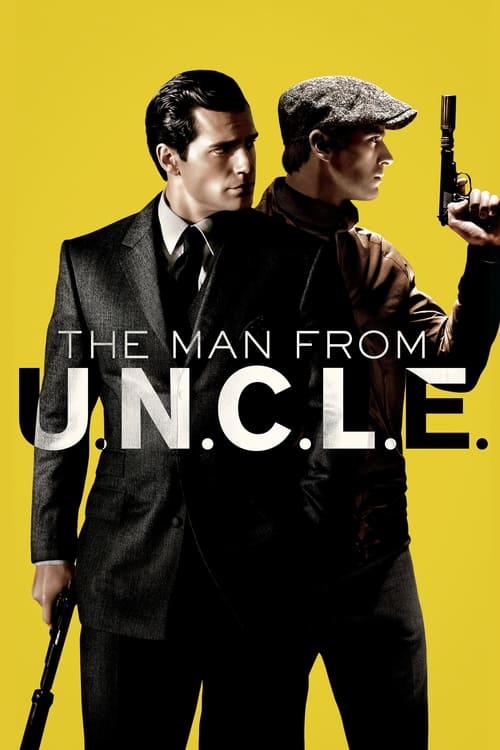
The Man from U.N.C.L.E. (2015)
The glossy spy pastiche done right. Ritchie's style carries actual stakes, and the banter lands because the people trading it can be hurt. Watch it to feel exactly what Argylle's gloss is missing.

Counter Program
What is the strongest argument against it?
Tinker Tailor Soldier Spy (2011)
The spy picture as pure thought, where every reveal is paid for in advance and every silence carries load. The productive opposite of twist-as-spectacle, and proof that the genre's deepest pleasure is earned surprise, not announced surprise.
Career Context
Where does this sit in the artist's story?
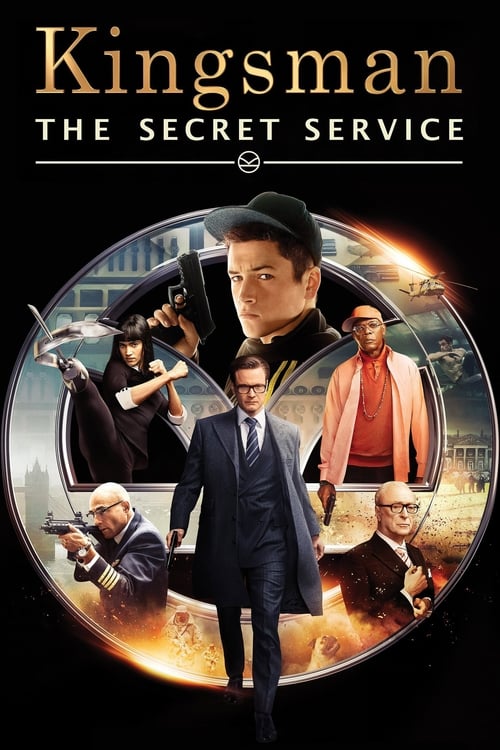
Kingsman: The Secret Service (2014)
Vaughn at his zipper-snapping best, when the mischief had purpose and the vulgarity had a target. The distance between that film's church brawl and this film's smoke ballet measures everything that went slack in a decade.
More Lunara Film Criticism
Further Reading
 ★★★★½
Lunara Film Review
Inside Out 2 — Anxiety Is Middle Management
Pixar's sequel knows the scariest thing in a thirteen-year-old's head is the employee who never sleeps.
Updated September 23, 2026
 ★★★★
Lunara Film Review
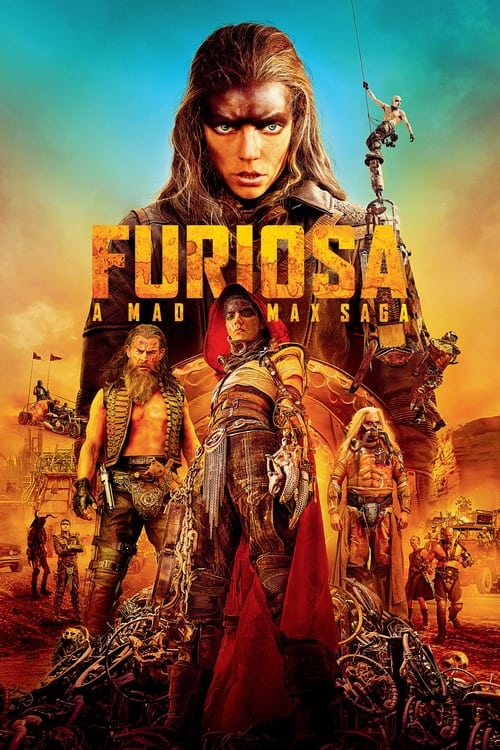
Furiosa — Revenge Keeps the Books
George Miller trades velocity for weight, and revenge becomes a calendar kept for fifteen years.
Updated September 23, 2026
 ★★★★★
Lunara Film Review
Flow — Survival Is a Team Sport
The world ends, the water rises, and a cat learns the only lesson that matters: share the boat.
Updated September 23, 2026
 ★★★
Lunara Film Review
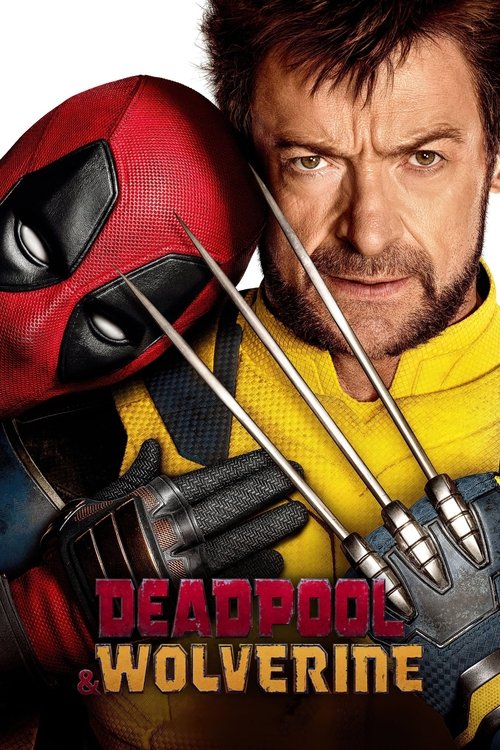
Deadpool & Wolverine — A Eulogy in the Gift Shop
Two movie stars crack jokes at a funeral for twenty-five years of X-Men pictures, and the strange part is that the grief underneath is real.
Updated September 23, 2026
 ★★★½
Lunara Film Review
A Quiet Place: Day One — One Last Errand
The apocalypse arrives and finds a dying woman unimpressed; she still wants the pizza.
Updated September 23, 2026