

Inside Out 2, 2024
Inside Out 2 — Anxiety Is Middle Management
Movie Review
The scariest thing in a thirteen-year-old’s head is not a monster. It is the employee who never clocks out.
Here is the image I cannot shake from Inside Out 2. It is the middle of the night. Riley is asleep, and her mind is not. At the console stands Anxiety, orange, saucer-eyed, running on caffeine and mission, and behind her sits a whole bullpen of artists she has hired to draw the future. Storyboard after storyboard of tomorrow going wrong. Teammates laughing behind their hands. A coach frowning at a clipboard. Friendships ending in slow motion, frame by careful frame. And here is the thing that makes the scene land: nobody in it is evil. Everybody is just working. That is the joke, and it is also the truest thing an American family film has said about the anxious mind in years. Worry is not a beast in the basement. Worry is middle management. Worry is a project lead in a blazer who has confused vigilance with love, keeping the whole department at their desks after hours, sprinting toward a catastrophe that exists nowhere except in the deliverables.
The setup treats puberty as a corporate restructuring, and the metaphor holds better than it has any right to. Riley is thirteen now, hockey-mad, headed to a weekend skills camp with her two best friends and carrying the fresh, awful knowledge that both of them are bound for a different high school. Overnight a demolition crew literally widens headquarters, and the new hires walk in the door. Envy, tiny and starving for what other girls have. Embarrassment, a blushing mountain in a hoodie. Ennui, poured across the couch like spilled velvet, steering Riley from her phone because standing up would mean caring. And Anxiety, hauling luggage for all of them. The first film handed children a vocabulary for their feelings, and that alone was a gift. This one goes after something harder to draw: the story a person tells about herself. The film pictures it as a glowing root system, memories feeding down into beliefs, beliefs humming little sentences back up. I am kind. I am brave. I am a good friend. Pull the right strands and the sentences change. Adolescence, the movie says without flinching, is the first time somebody gets down in there and starts pulling.
What keeps the movie honest instead of merely clever is a distinction most films never bother to make: Anxiety is right about the stakes and wrong about everything else. Kelsey Mann does not direct her takeover as villainy. He directs it as a change in management philosophy. Joy ran Riley on trust. Anxiety runs her on forecasting. She banishes the old feelings, bottles up the old sense of self, and installs a regime of pure preparation: conversations rehearsed at 3 a.m. that may never happen, strategy sessions about which lunch table to want, a friendly kid redesigned overnight to match the older girls on the team. Maya Hawke’s voice work is the best thing in the picture. She plays helpfulness right up to the edge of menace, a customer-service brightness fraying one octave at a time, and the writing understands exactly what that brightness is for. Anxious control is grief paid in advance. If every loss can be forecast, the logic goes, then no loss can ever arrive unrehearsed. The film’s answer is gentle and stern in the same breath. Pain cannot be outsourced to planning. And a self built entirely out of defenses has nobody left inside it worth defending.
The craft takes the psychology further than the script does. Andrea Datzman’s score ties musical figures to states of mind, and her centerpiece turns repetition itself into the subject, a phrase that circles and circles and will not resolve because the body it is scoring cannot resolve. That centerpiece is the panic attack, and it is the bravest sequence Pixar has built in a decade. Riley sits in the penalty box. Her breath shortens. The sound of the rink falls away. Inside, the console seizes while Anxiety whirls at the center of a cyclone of her own making, no longer steering anything, just spinning. Mann stages it as an event before he lets it be a lesson. Image first, sound first, moral later. It works because the body gets to tell the truth ahead of the dialogue. And when Joy finally fights her way to the center, the answer is not a counterpunch. It is release. Stop gripping. Let the roots drink everything, the shameful memories along with the flattering ones. The self that grows back hums in contradictions, kind and selfish, brave and scared, good and not good enough, and the film has the spine to call that dissonance health.
Two habits hold it a half-step below the first film’s summit. The script keeps narrating what it has just dramatized, trusting the audience one beat less than the filmmaking does; a voice explains the panic attack that the animation already put in your sternum. And the plot’s hunger for a capital-A antagonist stretches Anxiety toward cartoon menace for about an act longer than the psychology can support, flirting with the exact caricature its best scenes were built to dismantle, before the movie corrects course and hands her the compassion that was the point all along. Small tolls. Honestly paid. This is a family picture doing load-bearing emotional work at a scale almost nobody attempts, and it earns some slack on the freight.
The ending is government, not coronation, and I love it for that. Joy does not retake the throne, because there is no throne anymore. The feelings run Riley as a wary coalition, Anxiety included, assigned a desk, a schedule, and, in the warmest grace note the film allows itself, permission to sit down. Identity walks out of this movie as an edit suite instead of a monument, revised daily, never finished. Anyone who has ever rehearsed a conversation at three in the morning will recognize the regime being described here, and will feel the mercy in what the film offers instead of a cure. Not the defeat of the worried mind. A workplace where the worrier no longer works alone.
Lunara Film Debrief
- Score:★★★★½
- Oscar Ledger1 nominations • 0 wins
- Year:2024
- Where to Watch:
Theme Echo
What is this film really about — and who else has said it?
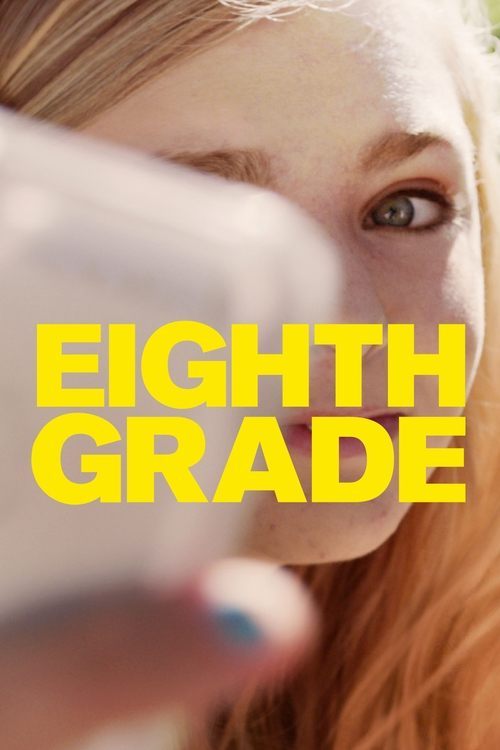
Eighth Grade (2018)
The live-action edition of the same nervous mind. Burnham's pool-party sequence is this film's panic attack with no console room to cut away to, and the two movies confirm each other scene for scene.

Counter Program
What is the strongest argument against it?
Turning Red (2022)
Pixar's other puberty picture makes the change a body that erupts; this one makes it a staff that plans. Fur versus paperwork, id versus middle management, and both of them are telling the truth.

Career Context
Where does this sit in the artist's story?
Inside Out (2015)
The founding metaphor, back when five feelings were enough. Childhood ran on a console; adolescence, the sequel understands, needs a government.
More Lunara Film Criticism
Further Reading
 ★★★★
Lunara Film Review
Furiosa — Revenge Keeps the Books
George Miller trades velocity for weight, and revenge becomes a calendar kept for fifteen years.
Updated September 23, 2026
 ★★★★★
Lunara Film Review
Flow — Survival Is a Team Sport
The world ends, the water rises, and a cat learns the only lesson that matters: share the boat.
Updated September 23, 2026
 ★★★
Lunara Film Review
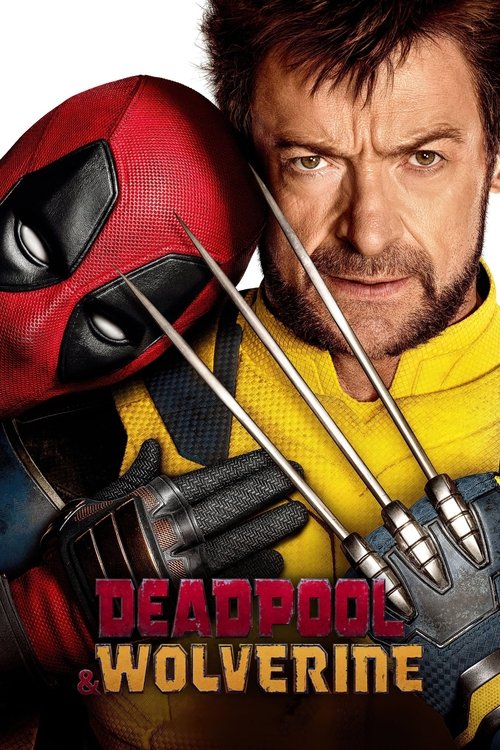
Deadpool & Wolverine — A Eulogy in the Gift Shop
Two movie stars crack jokes at a funeral for twenty-five years of X-Men pictures, and the strange part is that the grief underneath is real.
Updated September 23, 2026
 ★½
Lunara Film Review
Argylle — All Tuxedo, No Motion
It shows up in a tux and forgets to dance.
Updated September 23, 2026
 ★★★½
Lunara Film Review
A Quiet Place: Day One — One Last Errand
The apocalypse arrives and finds a dying woman unimpressed; she still wants the pizza.
Updated September 23, 2026