

Furiosa, 2024
Furiosa — Revenge Keeps the Books
Movie Review
George Miller slows the chase down to count what it costs, and revenge turns out to be a ledger kept faithfully for fifteen years.
There is a moment early in Furiosa: A Mad Max Saga that I keep returning to, and it happens before the girl has a scar, a mechanical arm, or a legend. She has just been stolen from the peach trees of the Green Place, slung across the back of a raider’s bike, her mother chasing behind. At full speed, mid-flight, the child bends to the machine under her, finds the fuel line with her teeth, and chews through it, bleeding the tank drop by drop until her captors have no choice but to stop. George Miller does not shoot it like an action beat. He shoots it like desperation doing arithmetic at eighty miles an hour. Out here you are always one drop from stopping. Stopping is death. And the prisoner is a child who has already done the math. Fury Road spent two hours proving that speed could be a state of grace. Its prequel opens by putting a price on the gasoline.
You should walk in knowing that this is the trade the whole picture makes. Fury Road packed its story into three days of unbroken motion. Furiosa spreads fifteen years across five chapters: the abduction from the Green Place, that Eden shrinking in a rearview mirror, then captivity, disguise, apprenticeship, and finally the hour when the grown woman stands in front of the man who burned her childhood down. Velocity becomes accrual. Momentum becomes weight. The film plays less like a chase than like the history of one, the Old Testament of a faith whose sacrament is horsepower, and the revenge at its center never runs a fever. It is a calendar. She keeps it quietly, for a decade and a half, and she lets the debt gather interest.
Chris Hemsworth’s Dementus is the loudest thing on the horizon and also the emptiest, and the emptiness is the point of him. He rules through a microphone and a cape, hauling a teddy bear and a chariot of shrieking bikes, the apocalypse’s populist idiot king: no infrastructure, no plan, just attention harvested at gunpoint. Hemsworth leads with the crooked glee, then lets you glimpse, in flashes, the hole the glee is guarding, a man who narrates himself without pause because there is nothing inside him worth consulting. Across the map sits Immortan Joe, who does not perform at all. He rations. Water, mother’s milk, bullets, wombs, all of it managed the way a corporation manages a stock price, cruelty run as administration. Furiosa spends her stolen years trafficked between these two flavors of male madness, the spectacle and the system, and the film’s sharpest observation is that the system wins every time. Chaos burns fuel for applause. Bureaucracy owns the pumps. Watching both, she learns the lesson that will carry her to Fury Road: nobody breaks the wheel by shouting at it. You break it by becoming the mechanic.
Miller has always been that rare action director with a sideways gift for civilization, and here his three city-states finally get an economy instead of just a look. The Citadel grows, Gas Town refines, the Bullet Farm arms, and between them run convoys, chits, hand stamps, formalized barter. It is the driest and scariest joke in the picture: the end of the world did not abolish administration. It made administration everyone’s boss. Even the Vuvalini’s Green Place works in memory like an unpaid debt, proof that governance once looked like care. Survival out here is paperwork with knives.
Anya Taylor-Joy inherits not so much Charlize Theron’s part as its silhouette, and what changes is the light behind the eyes. She speaks maybe thirty lines in the whole film, and her Furiosa is not aloof. She is professionally absent, a woman who has filed herself under equipment so the tyrants will stop looking. Twice Miller sets her face into wind that wants to strip everything off it, and twice she gives the wind nothing. That silence is not mystery. It is bookkeeping. Every mile out here has a cost, and she can name each one. Alyla Browne, playing the child, does the astonishing early work; you can watch a skull learn to be a helmet, a kid building armor around one intention and then feeding it for years. By the time Taylor-Joy takes the wheel, the character does more with her pupils than most franchises manage with a monologue.
Every department serves the accounting. Simon Duggan junks Fury Road’s hot blues and oranges for bruise and rust, sand worn down to bone, night as a place where hope squats, so the film looks tired on purpose, the way a tool looks after fifteen years of use. Colin Gibson’s vehicles are not hot rods; they are mobile torture devices that scream as they drive. Tom Holkenborg’s score grinds low, an engine that will not quite turn over, and its silences are where consequence catches up. The centerpiece, the long assault on the War Rig that the film calls Stowaway to the Citadel, is the best action sequence of the year precisely because it is cut for geography rather than adrenaline. Editor Eliot Knapman keeps you oriented to the axle, the chassis, the tanker’s skin, so that when Furiosa goes under the truck at speed you feel the exhaust heat on the back of your own neck. She does not merely drive the rig. She inhabits it. The whole passage is a violent lecture in lanes and weight transfer, and I mean lecture as a compliment: Miller is teaching you, frame by frame, what a body is worth when it can do one thing perfectly on a platform that tilts.
Say the fair thing plainly, because it is fair: this film never lifts you the way its predecessor did. That is Fury Road’s hangover by design, grim satisfaction where the euphoria used to be, but design does not cancel cost. The chapter structure idles between surges, the middle apprenticeship stretch leaves Taylor-Joy a passenger in her own saga for the better part of an hour, and Dementus’s rodeo-clown register, so good at deflating tyranny, cheapens dread once or twice at exactly the moments dread was owed. If you came for the party, this is the morning after, itemizing what the party spent.
What the ending does with revenge is the reason the film will last. When Furiosa finally has Dementus at the end of a gun, fifteen years of interest come due, and Miller lets her discover what we have been dreading on her behalf: the debt is real and the payment is worthless. Revenge heals nobody out here. It just gives you something to do while you rot, and the film’s last gesture, history folding the whole grudge into myth while the work resumes at dawn, treats pain as labor. Not redemptive. Accurate. The wasteland is a meritocracy with knives, and the film loves skill the way Westerns used to love hats, then asks the question that separates it from every imitator: what is craft without an ethic but a better way to hurt? I do not go to this series for speeches. I go to study. How a camera can be a promise. How a cut can be mercy. How a woman on a bike can carry a murdered orchard across a desert to the place where water falls. Richer, stranger, and sadder than Fury Road even where it is less perfect, Furiosa is the work of a director who has not gotten cooler with age. He has gotten clearer. Clearer is rarer.
Lunara Film Debrief
- Score:★★★★
- Year:2024
- Where to Watch:
Theme Echo
What is this film really about — and who else has said it?
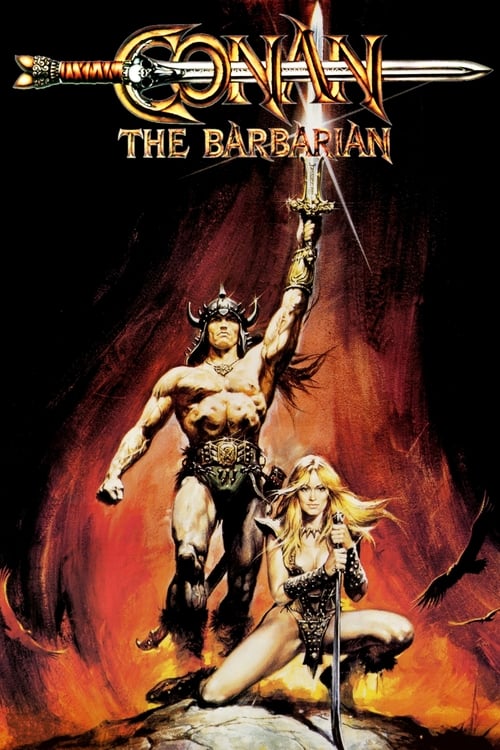
Conan the Barbarian (1982)
Milius's epic of enslavement, wheels of pain, and a childhood vow carried into adulthood is this film's spiritual blueprint: both watch a stolen child forge grief into a single lifelong instrument, and both know the forging costs more than the revenge ever pays back.
Counter Program
What is the strongest argument against it?
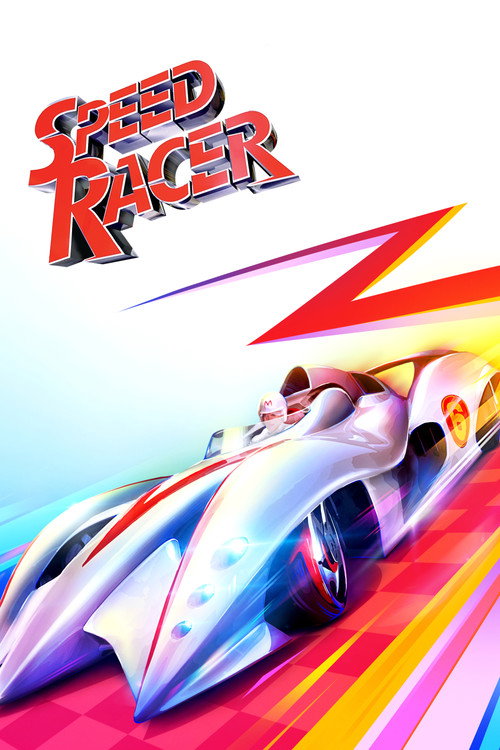
Speed Racer (2008)
The Wachowskis' candy-lacquered racing utopia is the exact inverse of Miller's rust: speed as pure joy, family as pit crew, a world where the checkered flag still means something. Watch them close together and each film exposes what the other chose to believe about machines.

Career Context
Where does this sit in the artist's story?
The Road Warrior (1981)
Where the wasteland grammar was invented out of stunt work and desperation. Forty years later Furiosa runs the same chase with history loaded into the tanker: the early film burns adrenaline, the late one burns memory, and the pair show how a genre grows up without slowing down.
More Lunara Film Criticism
Further Reading
 ★★★★½
Lunara Film Review
Inside Out 2 — Anxiety Is Middle Management
Pixar's sequel knows the scariest thing in a thirteen-year-old's head is the employee who never sleeps.
Updated September 23, 2026
 ★★★★★
Lunara Film Review
Flow — Survival Is a Team Sport
The world ends, the water rises, and a cat learns the only lesson that matters: share the boat.
Updated September 23, 2026
 ★★★
Lunara Film Review
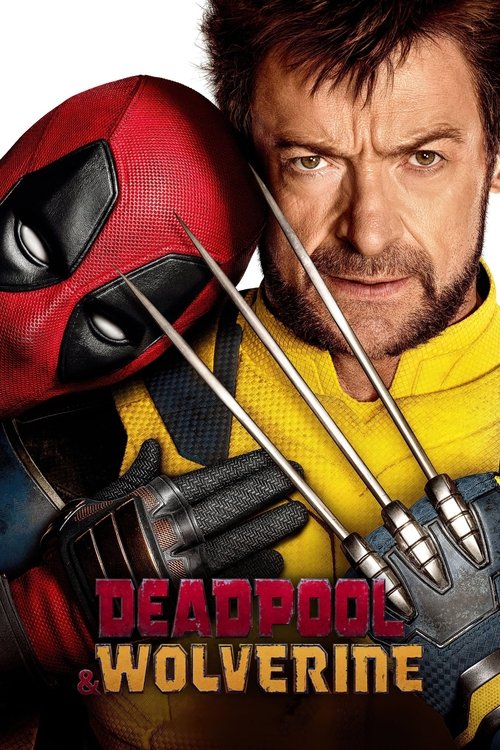
Deadpool & Wolverine — A Eulogy in the Gift Shop
Two movie stars crack jokes at a funeral for twenty-five years of X-Men pictures, and the strange part is that the grief underneath is real.
Updated September 23, 2026
 ★½
Lunara Film Review
Argylle — All Tuxedo, No Motion
It shows up in a tux and forgets to dance.
Updated September 23, 2026
 ★★★½
Lunara Film Review
A Quiet Place: Day One — One Last Errand
The apocalypse arrives and finds a dying woman unimpressed; she still wants the pizza.
Updated September 23, 2026