
Lunara Review
Collateral — Someday Is Tonight
Twelve years of a temporary job meet one night with a man who has no future at all.

Twelve years of a temporary job meet one night with a man who has no future at all.
Before every shift, Max Durocher wipes down his cab like a surgeon gloving up and clips a photograph of an island to the sun visor. The Maldives. White sand, water the color of a promise. He has never been there. He looks at it at red lights the way other men look at rosaries, and when a passenger asks about his plans he lays out Island Limos, the luxury car service he is going to launch any year now, once every detail is perfect. He has been driving a cab, temporarily, for twelve years. Michael Mann opens the film by giving this man one perfect fare at dusk: a federal prosecutor named Annie who bets him her shortcut beats his, loses graciously, and leaves her card on the seat like a door left ajar. Then the next passenger gets in, gray suit, gray stubble, and offers six hundred dollars for five stops before dawn.
The passenger is Vincent, and the first stop settles what kind of night this is: a body comes out of a fourth-floor window and lands on the cab. Max stares at the dead man and asks the sane question. You killed him? The answer is the film in miniature: “No. I shot him. The bullets and the fall killed him.” Precision offered where a conscience should be. A few minutes later comes Vincent’s creed, delivered as consolation: a man died on the MTA here in L.A. and rode the loop for six hours before anybody noticed the corpse beside them. Seventeen million people, and no one is watching any of them. Vincent uses the story the way he uses everything, as permission. Nobody notices anybody, so nothing means anything, so do the job.
Collateral gets remembered as a hitman thriller, and that undersells what Mann actually built: a two-hander about deferral and its counterfeit cure. Vincent looks like decisiveness itself, no attachments, no hesitation, total presence in every moment. But the film keeps letting Max see through the suit, and eventually he says it to Vincent’s face: the standard parts that are supposed to be there in a person, in him, are not. Vincent has not conquered the fear that runs Max’s life; he has amputated the part of himself that could feel it. The island photo and the assassin’s adapt-and-improvise patter are the same disease in opposite bodies. One man postpones living. The other has abolished the self that would do the living. The night locks them in a car and makes each one the other’s verdict.
What makes the film permanent is how the city gets enlisted. Mann shot the nights on early digital cameras because celluloid could not see Los Angeles after dark without flooding it with movie light; the video sensors drank the sodium-vapor ceiling straight, and for the first time the city at night looked on screen the way it actually looks from a windshield: a grainy gray-orange sky with palms inked against it, streets legible for miles, distance everywhere. The effect is the opposite of noir. Noir night is cover, shadows to hide in. This night is exposure. Everything is visible and nothing is seen, which means the look of the film is the MTA story printed on every frame. And then the coyote. Somewhere past midnight a coyote crosses the boulevard through the headlights, unhurried, eyes catching green, guitar moaning low on the soundtrack. Literally: an animal the city displaced, commuting through it. Hold the shot a beat longer, as Mann does, and it becomes a mirror for the two displaced predators watching from the cab, each deciding what he is.
The casting alone tells you what Mann is after. Tom Cruise, the most eager-to-be-liked movie star of his generation, plays a man who deploys likability the way a locksmith deploys a pick, and the gray rinse dresses him in the city’s own colors; he is camouflaged as the light. Watch the alley takedown or the run through the Fever club: efficiency with no adrenaline in it, violence as clerical work. Jamie Foxx answers with velocity in reverse. His best scene has no gunfire in it: forced to impersonate Vincent in front of Felix, the cartel middleman, Max borrows the killer’s posture and cadence and negotiates like a man who has done it forever, and you watch him discover improvisation twelve years late, under a borrowed name, at gunpoint. And in the jazz club, Barry Shabaka Henley’s Daniel tells the story of the night Miles Davis walked into his room in 1964, and the film quietly shows Max the life he keeps deferring: a man who built four walls around one perfect memory and calls it home. Vincent dresses the contract as a jazz quiz, lets the man shine one last time, and completes the job anyway. It is the cruelest scene in the picture because the pleasure Vincent takes in the story is genuine. Appreciation and annihilation wear the same face.
Only the last movement blinks. When the final name on Vincent’s list turns out to be Annie, the chamber piece trades its pressure for a finale other movies could have supplied: a blackout, a stalk through the law library stacks, a sprint to the trains. Mann executes it with total command and it is still the only stretch where Collateral resembles its genre instead of transcending it. The coincidence stings too; a night the film has built on randomness suddenly needs fate to close the loop, first fare and final target the same woman. And Mark Ruffalo’s detective, the one man in the city who reads the night correctly, gets an hour of careful build and is spent with a single bullet the film never pauses to mourn. The complaint is real, and it does not sink the picture, because Mann shoots the ending not as a routine but as a rhyme.
Vincent dies on the MTA. Hit through the door glass between cars of a dawn train, he takes a seat, straightens his jacket, and becomes his own anecdote: a guy gets on the subway and dies, think anybody will notice? The film has spent two hours arranging the answer. One person will, and one person is the entire moral. Max steps onto the platform with Annie into gray morning light having finished, for the first time in twelve years, something he started. Two decades on, every digitally shot city night in movies owes this film its texture, and Max himself has only grown more familiar: an economy now runs on skilled people driving strangers through the dark and calling it temporary. Vincent was wrong about the city, but he was right about the clock. Nobody is coming along to notice you into your life. Dawn on that platform is what it looks like when a man finally notices himself.
LUNARA DEBRIEF
- Score: 5 / 5
- Year: 2004
- Where to Watch: VOD [all major platforms] | 4K UHD disc
- Theme Echo: Taxi Driver (1976) tt0075314. The cab as the city’s confession booth. Travis wants New York to notice him so badly he builds a bomb out of himself; Max has made peace with invisibility, and the passenger who climbs in is the price of that peace. Same seat, opposite sickness.
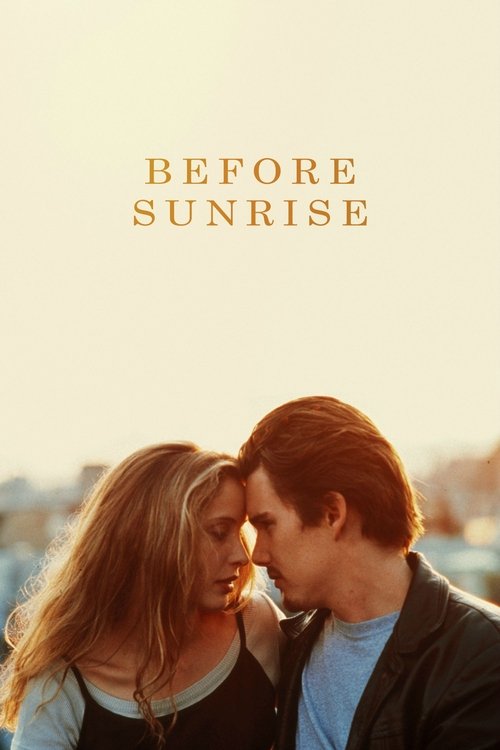
- Counter-Program: Before Sunrise (1995) tt0112471. The identical shape run on opposite faith: two strangers, one night, a city in motion, and talk that keeps opening doors instead of closing files. Linklater bets a single night can begin a life; Mann prices what one costs to save.
- Career Context: Ali (2001) tt0248667. The pre-dawn roadwork scenes were Mann’s first experiments with digital night shooting. Collateral scales the test to a full feature and finds the subject the technology was waiting for: a city that glows for miles and warms no one.
LUNARA DEBRIEF
- Score:★★★★★
- Oscar Ledger2 nominations • 0 wins
- Year:2004
- Where to Watch:DigitalFind Digital OptionsAvailability4K UHD disc
Pair It With
Three films in conversation with this one.

Theme Echo
Taxi Driver (1976)
The cab as the city's confession booth. Travis wants New York to notice him so badly he builds a bomb out of himself; Max has made peace with invisibility, and the passenger who climbs in is the price of that peace. Same seat, opposite sickness.
Counter-Program
Before Sunrise (1995)
The identical shape run on opposite faith: two strangers, one night, a city in motion, and talk that keeps opening doors instead of closing files. Linklater bets a single night can begin a life; Mann prices what one costs to save.

Career Context
Ali (2001)
The pre-dawn roadwork scenes were Mann's first experiments with digital night shooting. Collateral scales the test to a full feature and finds the subject the technology was waiting for: a city that glows for miles and warms no one.
Further Reading
More Lunara Criticism
 ★★★★★
★★★★★
Lunara Review
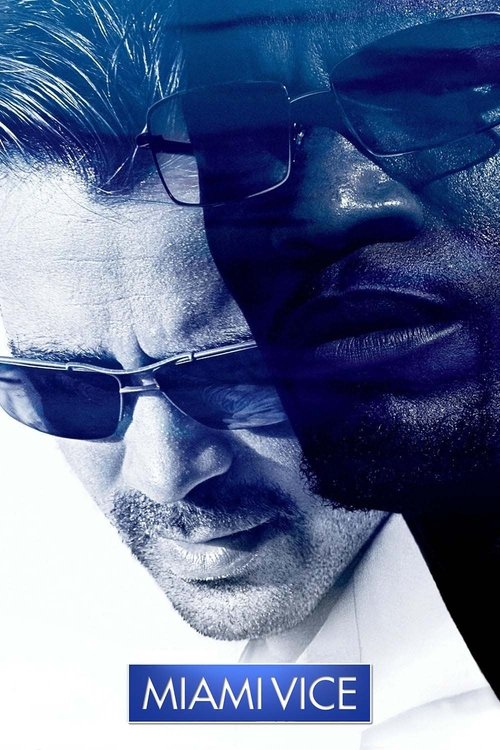
Miami Vice — Time Is Luck
Mann shot the night the way it actually looks and love the way it actually ends: on a clock.
Updated July 25, 2026
 ★★★★½
★★★★½
Lunara Review
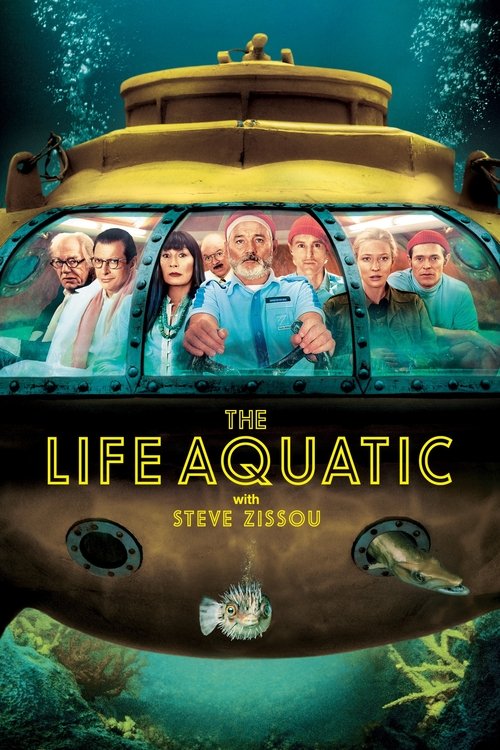
The Life Aquatic — Grief in a Red Beanie
The film everyone called the moment Wes Anderson disappeared into his dollhouse turns out to be the one about drowning in plain sight.
Updated July 25, 2026
 ★★★
★★★
Lunara Review
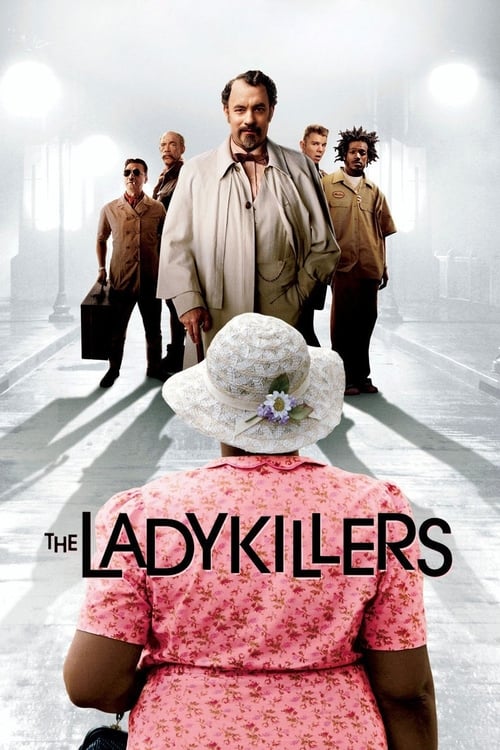
The Ladykillers — The Soundtrack Believes, the Movie Grins
The Coens' Southern remake has a churchful of soul on the soundtrack and a cartoon where its menace should be.
Updated July 25, 2026
 ★★★★★
★★★★★
Lunara Review
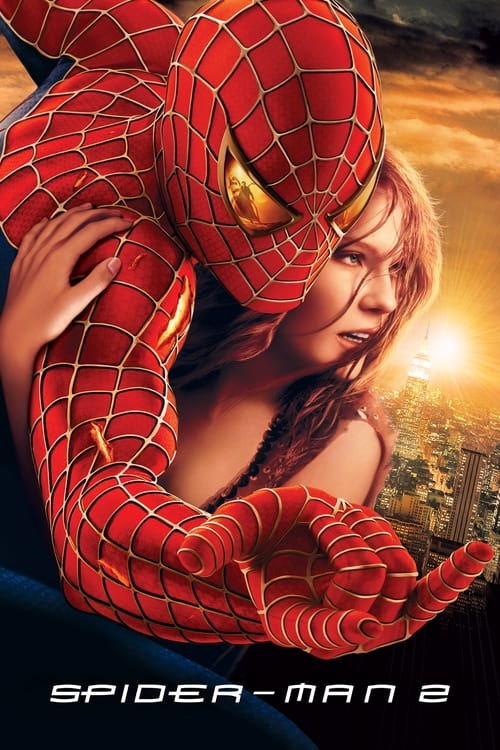
Spider-Man 2 — The Hero Who Tried to Quit
The best superhero film ever made is about a man whose own body files a resignation letter.
Updated July 25, 2026
 ★★★★
★★★★
Lunara Review
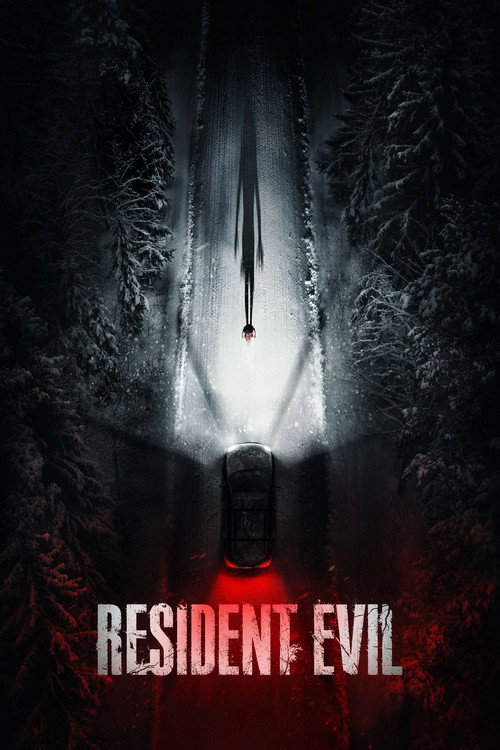
Resident Evil
Resident Evil - Zach Cregger trades dread for velocity, and Austin Abrams gives a video game movie the most believable panic in years. Then it goes...