

Miami Vice, 2006
Miami Vice — Time Is Luck
Movie Review
Everyone called it ugly and cold. It was early, and it was grieving.
There is no title card. The theatrical cut of Miami Vice drops you into a nightclub already at full roar, strobes cutting the dark, dancers everywhere, Crockett and Tubbs working a sting the film never pauses to explain, because the men running it do not need it explained to them. In 2006 you could feel audiences checking their tickets. They had paid for the brand, the pastels and the flamingos and the Ferrari glamour of the television show, and Mann had burned every ounce of it off before the first line of dialogue. The movie treats its own franchise the way its heroes treat their names: a cover identity, good for getting through the door, dropped the second the real work starts. The word that summer was humorless. Murky. A vibe with a plot stapled on. Twenty years later that shrug looks like exactly what it was, the ordinary tax on arriving early. This is one of the great American films of its decade, and the two things it got laughed at for, the way it looks and the way it mourns, are the two things the rest of the world spent those twenty years catching up to.
Start with the look, because everything else grows out of it. Mann shot on early digital cameras, and Dion Beebe aimed them at things film stock has never once managed to hold: dusk skies stacked with cumulus clear to the horizon, lightning standing inside cloud banks miles away, the shimmer of a city at 3 a.m. with the noise still living in the image. Here is the plain truth about a hundred years of movie nights: film needs light, night barely has any, so nearly every night you ever saw on screen was a staged day, lit into legibility, a memory of darkness rather than the thing itself. Video sees into the dark. What it finds there is grainy and anxious and alive, closer to what night actually does to the optic nerve than anything the medium had produced before. People raised on celluloid looked at that and said cheap. It was not cheap. It was new, and newness reads as wrong until it reads as true. Every phone in every pocket now photographs the world in precisely this register, which hands Miami Vice the strangest rehabilitation in modern movies: the image everybody mocked became the default texture of reality, and the film now plays like the first honest photograph of the twenty-first century night.
The story is undercover work carried past the point of return. A federal case needs two Miami detectives to become drug transporters for real, so Crockett and Tubbs build the legend, fly the loads, and work their way inside a cartel run with the seriousness of a multinational. The famous density of the thing is all surface tension, trade talk and load coordinates and counter-surveillance, nobody explaining anything to anybody, and underneath it one quiet question the script states out loud just once, the warning that there is undercover and then there is which way is up. Crockett learns which way is up in the person of Isabella, the cartel’s money manager, Gong Li playing a woman fluent in every currency except safety. What starts as tradecraft, a dance and a drink, turns on the smallest hinge in the film: he asks about mojitos, she says she knows a place, and the place is Cuba. So they go. Two fugitives from their own lives, ninety miles of open water, because the drink is better there. It is the most romantic sequence Mann has ever cut, and the soundtrack has already told you how it ends. The song under the boat run is about being gone one of these mornings, gone before you look. The film scores its love story with the expiration notice and lets you fall anyway. A fabricated man is having feelings nobody fabricated, on time that is not his, and the whole tragic weight of the picture comes to rest in one exchange on a Havana balcony, where luck turns out to be the only word either of them has for time.
The other thing 2006 could not get past was the violence. Cold, people said. It is not cold. It is precise, and the precision is the morality. Keep the trailer-park standoff: a hostage, a dead-man trigger, and a negotiation conducted entirely in ballistics, a man told in a level voice exactly what the round will do to the base of his skull before his finger can close. That sniper call is how these people say what they mean; competence is the only love language left to them. When the last gunfight arrives, in a container yard under sodium light, the score drops away to supersonic cracks slapping off metal, gunfire as fact instead of excitement, men reloading with the drilled boredom of a trade. Mann worked his cast until the weapon handling was pure reflex, and on screen that reads as something close to grace. Nobody here is performing toughness. They are executing procedure, and the procedure is the only self any of them has managed to keep.
The shoot itself was a fight with the weather. Hurricanes shredded the schedule, a gun went off near the set in the Dominican Republic, the ending was rewritten onto home ground in the middle of the crisis, and every bit of it is legible in the finished film, which carries the ragged, present-tense texture of a thing wrestled out of conditions rather than assembled in shelter. That is not damage. Half the film’s authority is that it is visibly happening to the camera.
Some of the mockery landed, and honesty requires saying where. The midsection compresses its tradecraft past first-viewing legibility; the traitor mechanics, and the jealousy driving them, arrive so clipped that most viewers rebuild the sting afterward like witnesses comparing notes. And the film pays for its love story out of its partnership. Tubbs, played by Jamie Foxx with a beautiful stillness, gets demoted scene by scene from co-lead to escort, and Naomie Harris’s Trudy is allowed one scene of real warmth before the plot converts her into stakes. The two-hander the opening promises becomes a one-hander with backup, and the film never fully settles that bill. What rescues the verdict is that the blur is the very condition under examination. This is a movie about identities held on lease, about men who rented themselves to the job so long ago that the return address is gone, and its confusions are the confusions of that state, transmitted honestly. Then it closes perfectly. Isabella is delivered to a safe boat by the man whose real name she learned too late. Crockett walks back up the beach without turning around, the Mogwai track swelling underneath like dawn coming up wrong, and the last thing the film does is follow him through hospital doors, into the corridor where his partner is waiting, back to work, mid-stride, no resolution offered because none exists. The job is what remains. It was always what remained.
Miami Vice was received as a failed adaptation of a TV show. It is the purest statement of its maker’s lifelong subject, the professional self as both fortress and cell, shot on a medium invented five minutes earlier and pointed straight at the sky. The world shrugged, then spent two decades unknowingly adopting its way of seeing. The reappraisal is not charity. It is arithmetic finally done right.
Lunara Film Debrief
- Score:★★★★★
- Year:2006
- Where to Watch:DigitalFind Digital OptionsAvailabilityArrow Video 4K disc

Theme Echo
What is this film really about — and who else has said it?
Notorious (1946)
Undercover as a love problem. Hitchcock sends a woman into a target's arms as an asset and watches feeling contaminate the tradecraft; Mann runs the same experiment from inside the cover story. Both films understand that the job's real danger is the fake life starting to return real feelings.
Counter Program
What is the strongest argument against it?
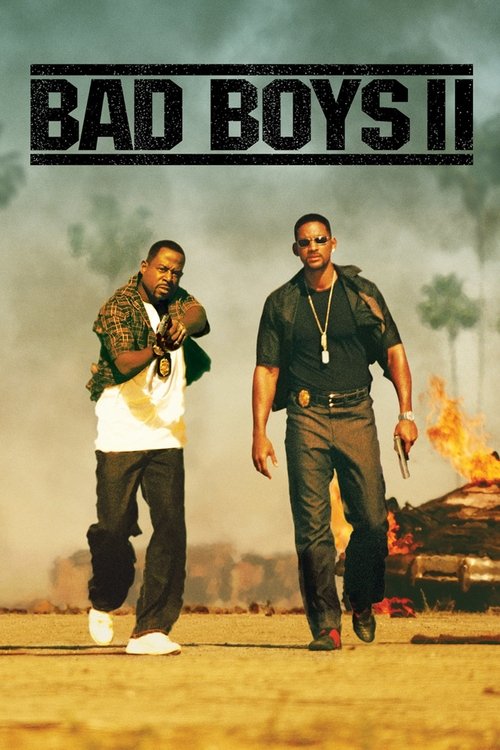
Bad Boys II (2003)
The other Miami cop picture of the decade: daylight, gloss, destruction as punchline. Bay's city is a music video that never ends; Mann's is weather and consequence. Run them back to back and you can see exactly what Vice drained out on purpose.

Career Context
Where does this sit in the artist's story?
Collateral (2004)
Where Mann first took the digital cameras out after dark and found the city they were built to see. The Los Angeles nocturne was the test flight; Vice is the same way of seeing scaled up to open water, weather systems, and heartbreak.
More Lunara Film Criticism
Further Reading
 ★★★★★
Lunara Film Review
Collateral — Someday Is Tonight
Twelve years of a temporary job meet one night with a man who has no future at all.
Updated September 23, 2026
 ★★★½
Lunara Film Review
The Devil Wears Prada — Cerulean Is a Verdict
The most unsettling thing about Miranda Priestly is how often she is completely right.
Updated September 23, 2026
 ★★★★★
Lunara Film Review
Marie Antoinette — Girlhood Under Glass
The film they booed for ignoring the Revolution is exact about the only country its queen was ever allowed to govern.
Updated September 23, 2026
 ★★★★★
Lunara Film Review
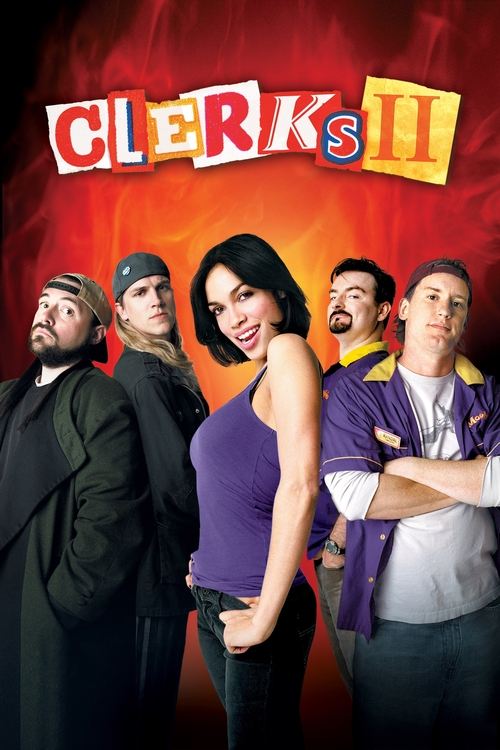
Clerks II — Ownership Is the Happy Ending
The donkey show is the dare; the jailhouse proposal is the movie.
Updated September 23, 2026
 ★★★★★
Lunara Film Review
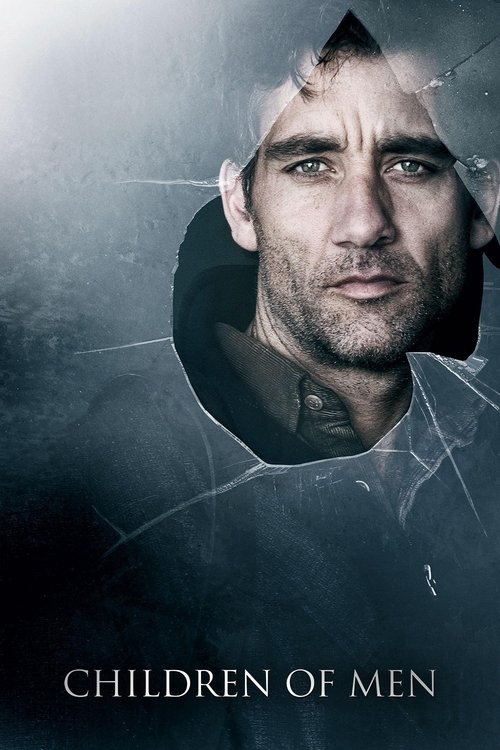
Children of Men — Tomorrow Is a Boat
The long takes made it famous; the margins made it permanent.
Updated September 23, 2026