
Lunara Review
Do Not Expect Too Much From the End of the World — Harm, Rebranded as Story
Radu Jude staples two lying centuries together, points a camera at one workday, and calls it Monday.

Radu Jude staples two lying centuries together, points a camera at one workday, and calls it Monday.
It is dark when Angela’s alarm goes off, and it will be dark again before her workday ends. In between she drives: across Bucharest and back, gate to gate, errand to errand, sixteen hours behind the wheel of a small car for a production company that needs casting done on a workplace-safety video. Her assignment is to interview maimed workers, people crushed, paralyzed, or broken on the job, and tape them auditioning to play themselves. The multinational client will pick a winner the way clients pick anything: whoever tells the truest story that implicates no one. Radu Jude shoots her present tense in grainy black and white that plays less like an art-house gesture than like footage the century forgot to color, and Ilinca Manolache drives through it like a sentence with no punctuation, profane, caffeinated, funnier than her circumstances and later than her next appointment. Do Not Expect Too Much From the End of the World is a comedy. It is also the most exact film anyone has yet made about what work has become.
Jude staples his movie to a second one: Angela Moves On, a real 1981 feature about a woman taxi driver in Ceausescu’s Bucharest, interleaved in color, shot by shot, until the two films start answering each other. The state’s film lied upward, work as socialist dignity; the corporate video Angela is helping to make lies downward, injury as personal carelessness; and Jude cuts between the two Angelas until the question of which image is true collapses into the only question either century really asked, which is which image pays. Then he does something better than parallel. Dorina Lazar, the actress who played the taxi driver four decades ago, appears in the present as the same woman, elderly now, because her son Ovidiu is the paralyzed worker whose testimony the company wants filed down. The rhyme stops being formal and becomes a family. History in this film is not background. It is a mother who has been driving these same streets since the other lie was in charge.
When the day gets too heavy, Angela puts on a phone filter and becomes Bobita, a bald, dead-eyed manosphere troll who borrows his swagger from Andrew Tate and says the unsayable in a voice pitched between parody and poison. The persona is grotesque, and the film declines to apologize for her, because it understands what the alter ego actually is: not a vice but an anesthetic, the last aperture through which an exhausted person can say anything at all. The internet in this movie forgives everything, records everything, and is the exact size of our loneliness. Manolache’s real performance runs underneath the filter, a study in sanctioned abrasiveness: a woman who is mean because the job requires armor, funny because the job requires a reason to live, and cruelest to herself because shame is the one thing left that is privately hers. Watch how little her face moves when people address her like a vending machine. Dignity, in this economy, is a finite resource, and she does not spend it on men with clipboards.
The form is a pile, and the pile is deliberate. Jude loads the frame with signage, dashcams, TikToks, Zoom calls, a cameo from Uwe Boll, on set, cheerfully litigating the time he boxed his own critics, and a marketing chief named Doris Goethe who video-calls from headquarters and confirms, when asked, that yes, the poet was her great-great-great-grandfather, and yes, it helps. Scenes run long enough for reality to contradict itself; cuts land hard enough to make you complicit in forgetting what the previous shot taught you. The camera is patient and panicked at once, which sounds like a contradiction and is actually just honesty about modern time, where a person can be bored and drowning in the same minute. The charge worth taking seriously is that all this becomes a heap rather than a movie, and the charge is not empty: somewhere past the second hour the repetition crosses from enactment into endurance, and a few detours spend attention the finale has to buy back. That is the cost of the method, and it is real. The film’s answer, that your own workday is also an unedited pile of tabs and errands, is true without making the sitting easier. Jude knows the length is a tax. He charges it anyway, and the finale pays it off with interest.
Everything converges on the shoot itself, one fixed camera position held for roughly half an hour while the safety video gets made at the factory gate. Ovidiu, in his wheelchair, says what happened to him: the sixteen-hour shift, the fatigue, the barrier that was not where it should have been. Take by take, politely, with pleases and thank-yous and a lawyer whose diction could split hairs lengthwise, the well-paid adults around him file the testimony down until the shift is gone, the barrier is gone, the company is gone, and what remains is a man agreeing, on camera, that he should have been more careful. Cue cards come out. Rain comes down. His mother objects and is managed. It plays as slapstick right up until the jokes stop landing, and what it documents is a small crowd of professionals collaborating to shorten a man’s story so the company’s liability can outlive him. Nobody sneers, nobody twirls a mustache; everyone is good at their job, which is the horror. When the truth does get said aloud, once, plainly, it lands with the dull thud of a thing that cannot circulate. No one can monetize it, so it belongs only to the people standing there. Jude does not build to an explosion. He builds to a shrug, and the shrug is the indictment: in this economy, justice is a scheduling conflict.
I left tired in a way I have learned to trust, the specific exhaustion of recognizing your own seat in the machine. Jude offers no solutions and flatters nobody, least of all himself; the mirror is simply ground precise enough to be unflattering. If the film has an ethic, it is Angela’s, held under the profanity like a license: tell the truth even when it cannot help, because the help is for you. The world will not apologize. That is not a reason to stop being exact.
LUNARA DEBRIEF
- Score: 4.5 / 5
- Year: 2023
- Where to Watch: Streaming (MUBI) | VOD (major platforms)
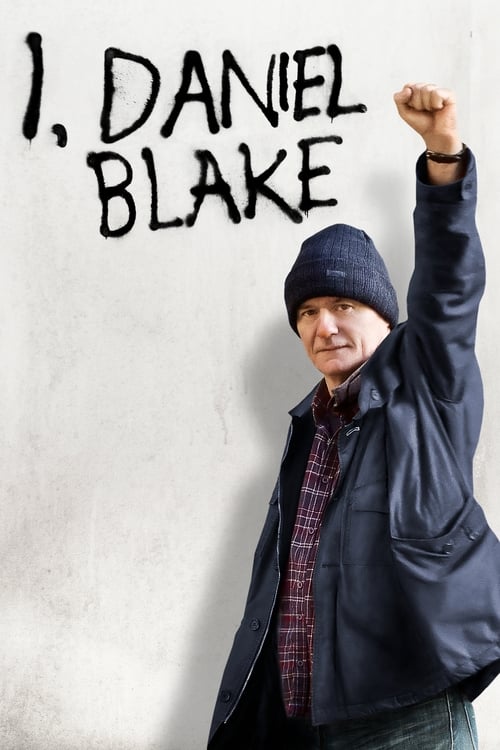
- Theme Echo: I, Daniel Blake (2016) tt5168192. Loach’s carpenter is killed by paperwork the way Jude’s Ovidiu is maimed by it twice, once by the job and once by the testimony. Loach grieves where Jude laughs, and the two tones turn out to be the same verdict delivered at different funerals.
- Counter-Program: Network (1976) tt0074958. Lumet’s newsroom still believes a scream on live television can shake the tower. Jude’s film is the half-century reply: the scream got a filter, a follower count, and a brand strategy. Watched back to back, you can feel rage becoming content.
- Career Context: Bad Luck Banging or Loony Porn (2021) tt13656318. Jude’s previous howl put a schoolteacher in front of a tribunal of hypocrites; this one promotes the tribunal to a multinational and swaps the verdict for a purchase order. Same method, colder target, longer reach.
LUNARA DEBRIEF
- Score:★★★★½
- Year:2023
- Where to Watch:
Pair It With
Three films in conversation with this one.
Theme Echo
I, Daniel Blake (2016)
Loach's carpenter is killed by paperwork the way Jude's Ovidiu is maimed by it twice, once by the job and once by the testimony. Loach grieves where Jude laughs, and the two tones turn out to be the same verdict delivered at different funerals.

Counter-Program
Network (1976)
Lumet's newsroom still believes a scream on live television can shake the tower. Jude's film is the half-century reply: the scream got a filter, a follower count, and a brand strategy. Watched back to back, you can feel rage becoming content.
Career Context
Bad Luck Banging or Loony Porn (2021)
Jude's previous howl put a schoolteacher in front of a tribunal of hypocrites; this one promotes the tribunal to a multinational and swaps the verdict for a purchase order. Same method, colder target, longer reach.
Further Reading
More Lunara Criticism
 ★★★★½
★★★★½
Lunara Review
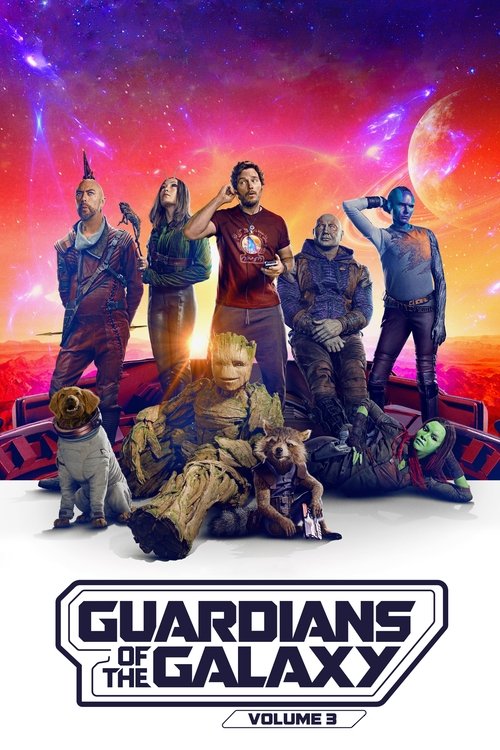
Guardians of the Galaxy Vol. 3 — The Wound Under the Fur
The last MCU film made by somebody who loved the characters more than the franchise, and it is about a raccoon, and it wrecked me.
Updated July 26, 2026
 ★★★★½
★★★★½
Lunara Review
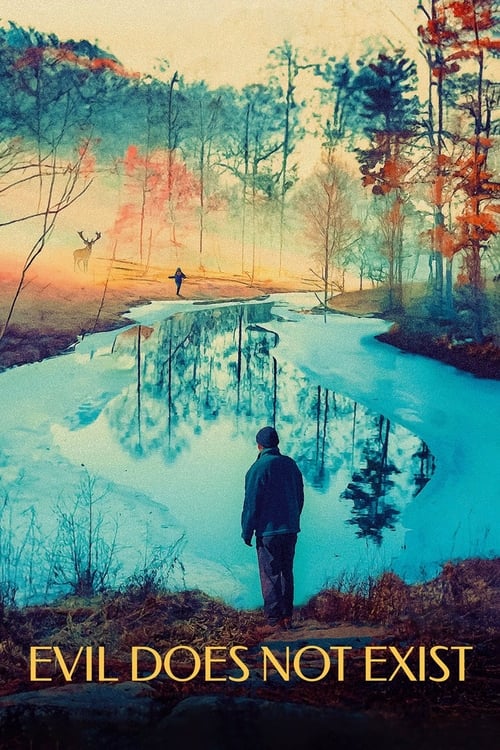
Evil Does Not Exist — The Villain Is a Sentence
The scariest line of the year is "we can mitigate," said politely, by people who will be gone by February.
Updated July 25, 2026
 ★★★★
★★★★
Lunara Review
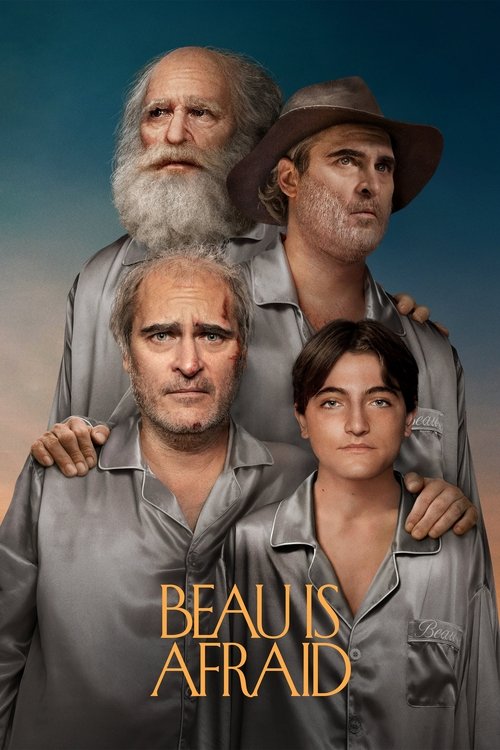
Beau Is Afraid — The Verdict Came First
Three hours inside a guilt that predates its owner; the trial was underway before the birth.
Updated July 25, 2026
 ★★★★½
★★★★½
Lunara Review
Barbie — The Product That Noticed
A corporation paid for a film about the impossibility of being a product, and Greta Gerwig almost got the whole confession on tape.
Updated July 25, 2026
 ★½
★½
Lunara Review
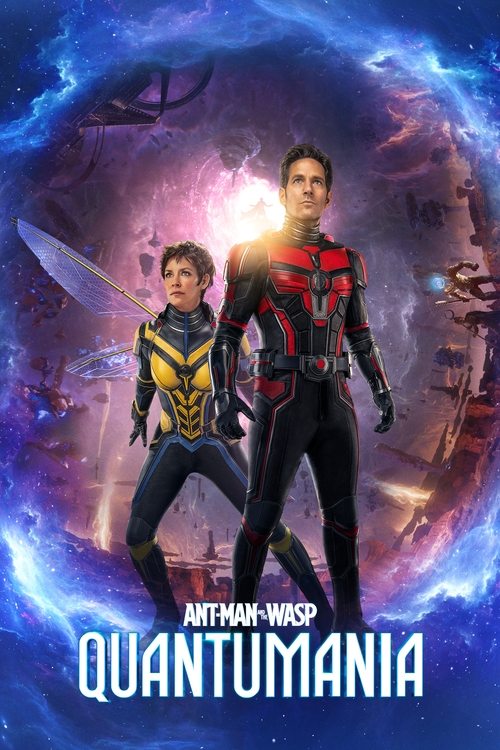
Ant-Man and the Wasp: Quantumania — Big by Accident, on Orders
The franchise's smallest movies got drafted to launch its biggest war, and the draft notice destroyed everything worth saving.
Updated July 25, 2026