

Fantastic Mr. Fox, 2009
Fantastic Mr. Fox — The Itch Under the Corduroy
Movie Review
The best midlife-crisis movie of its decade wears fur, walks on wires, and cannot sit still.
Start in the dark, inside a trap. Two young foxes have just knocked over a squab farm for no better reason than the thrill of it, and now a spring cage has dropped over them and they are standing in the black waiting to learn whether this is where they die. That is the moment Felicity Fox picks to tell her husband two things in one breath: she is pregnant, and if they live through the night she wants him out of this line of work. The cage lifts. The promise holds. Twelve fox-years later, Mr. Fox writes a newspaper column nobody will admit to reading, lives in a hole with his wife and a strange little son, and carries a low hum under his fur that he cannot name at the dinner table. Fantastic Mr. Fox is a talking-animal caper lifted from a Roald Dahl storybook, and it is also, with no contradiction at all, the best midlife-crisis movie of its decade.
Anderson has said Dahl’s novel was the first book he ever owned, and the 2009 film he made from it has a fan’s disobedience running all through it. He and Noah Baumbach gave the fox things Dahl never did: a marriage, a nephew, an ego. Then they recorded the voices outdoors on a working farm, in actual fields and attics and holes, so the soundtrack carries wind and creaking floorboards and actors slightly out of breath. You can hear daylight in these performances, and it changes everything; the movie sounds lived-in before a single puppet moves. And the puppets move the old way, on purpose. Real fur, pushed by human hands, every animator’s fingerprints leaving the pelts seething from frame to frame. For twenty years the industry had treated that shimmer as an error to be sanded off. Anderson kept it as a principle. The boiling fur is not a retro affectation. It is the whole idea of the film made physical: a story about an animal who cannot be groomed into domesticity, told in a medium that will not hold still.
George Clooney voices Fox like a late-night radio host in denial. The baritone sells confidence door to door, the trademark whistle-and-click is a jingle he wrote for himself, and every scheme is the same relapse in a new hat: the tree house he cannot afford, the one last score against Boggis, Bunce and Bean, the master plans run behind his wife’s back with a possum sidekick who mostly stares into the middle distance. Clooney makes him charismatic and insufferable in the same gesture, and the film never blurs the cost. His wife knows. His son knows. He keeps going anyway, because he needs to feel special the way other animals need to eat. That itch is universal, and the corduroy suit does not cure it.
The itch is also hereditary, which is where the movie stops being clever and starts being great. Ash, voiced by Jason Schwartzman at peak sulk, is one of the finest characters Anderson has put on any screen: small, strange, permanently underestimated, trailing a sock cape and a chip the size of the family tree. Then cousin Kristofferson arrives, tall and karate-calm and effortlessly good at whack-bat, and the film wrings huge comedy and real pain out of a boy watching his own father fall for a better son. What keeps it humane is that nobody gets lectured into growing. Ash earns his place during the rescue, in motion, doing the one reckless thing only he would ever try, and the look his father gives him afterward closes a wound the script never had to say out loud. Being okay with who you are, the movie keeps insisting, is hard work even for creatures who can talk.
The truest scene happens at a phosphorescent waterfall, after the farmers’ excavators have ripped the great tree out of the hillside and driven the animal families underground. Felicity walks her husband out of earshot of the children and asks the question the whole picture has been circling: why did you lie to me. His answer, because I’m a wild animal, is the only honest sentence he has produced in twelve fox-years. And she meets it with the hardest line Anderson has ever put in a family film: she loves him, and she should not have married him. Meryl Streep plays it level, no tremor, a wife stating a fact she has been carrying for years. Two puppets. Glowing water. Dead quiet. The scene scalds, and it is over in under two minutes.
That brevity is where my half star went. At eighty-seven minutes the film moves like its hero, and the caper velocity is a real pleasure, but it costs the marriage its third beat. The waterfall opens something the movie never fully sits with again; Felicity’s anger gets folded back into heist logistics by the next sequence, and the amends arrive as a speech over a group toast instead of a scene between the two of them alone. Fair is fair. Dahl’s shape is a bedtime story, the speed is a mercy in an era of bloated animated features, and the film would rather imply a reconciliation than fake one. Still, its deepest cut gets no follow-through, and you feel the absence precisely because the cut was so clean.
Then the wolf. On the ride home from the rescue, on a distant ridge against gray snow, Canis lupus appears: no corduroy, no necktie, no words. Fox has flinched at the mere mention of wolves for the entire film, and now he tries every language he owns on this one and gets nothing back, because the thing he has spent his whole life performing is standing right there, and it does not perform. What the scene literally is: two canids regarding each other across a gully, one dressed and one not, until the dressed one raises a fist, the wild one raises a paw, and they part forever. What it means arrives on its own, unforced. The wild is real, it is beautiful, Fox is crying when he says so, and he is not it. He is a husband and a father with a column due. The film then has the nerve to end in a fluorescent supermarket, the least wild room on earth, with the survivors dancing in the aisles and raising juice boxes to being alive. The answer lands with no sugar on it: maybe ordinary, with family and flaws and a late toast, is the most beautiful thing actually available to an animal. The wolf gets the horizon. Fox gets the aisle, the wife, the strange kid. This is a children’s film that knows the difference between being special and being loved, and knows which one a creature can live in.
Lunara Film Debrief
- Score:★★★★½
- Oscar Ledger2 nominations • 0 wins
- Year:2009
- Where to Watch:StreamingMaxAvailabilityCriterion Collection disc

Theme Echo
What is this film really about — and who else has said it?
The Incredibles (2004)
Another father who cannot stop being exceptional, quietly relapsing into the old work behind his family's back; Bob Parr's insurance cubicle is Fox's newspaper column. One story ends the ache with a family in masks, the other with a family in a supermarket, and the gap between those endings is worth a dinner-table fight.
Counter Program
What is the strongest argument against it?
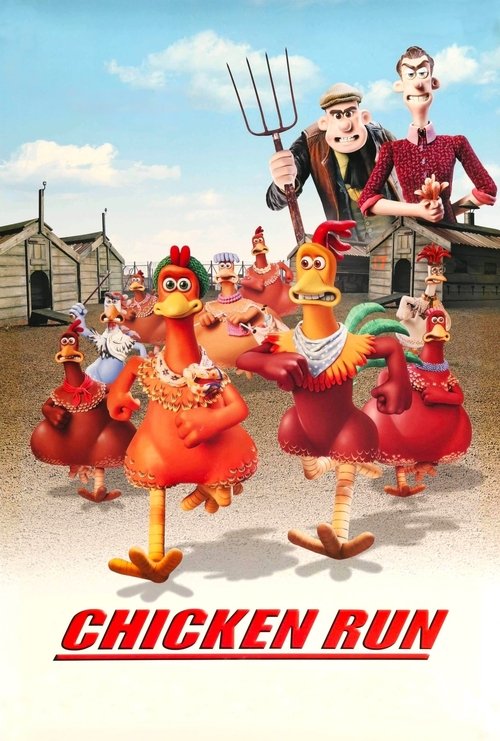
Chicken Run (2000)
Aardman's escape picture is everything this one is not: collective, earnest, the great feat powered by solidarity instead of one animal's need to be somebody. Watch them side by side and Fox's vanity stands out in full relief, which is exactly what Anderson wants seen.
Career Context
Where does this sit in the artist's story?
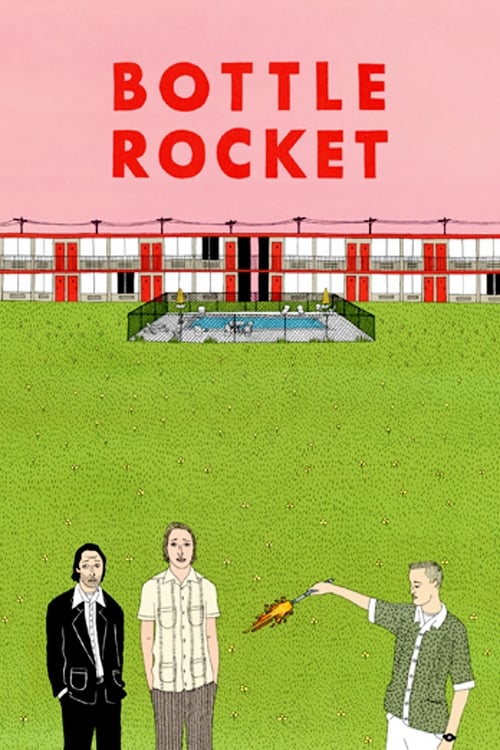
Bottle Rocket (1996)
Dignan in the yellow jumpsuit is the larval form: a small-time thief whose crimes are really auditions for being taken seriously. Mr. Fox is Dignan grown up, married, published, and still casing the farm next door.
More Lunara Film Criticism
Further Reading
 ★★★★★
Lunara Film Review
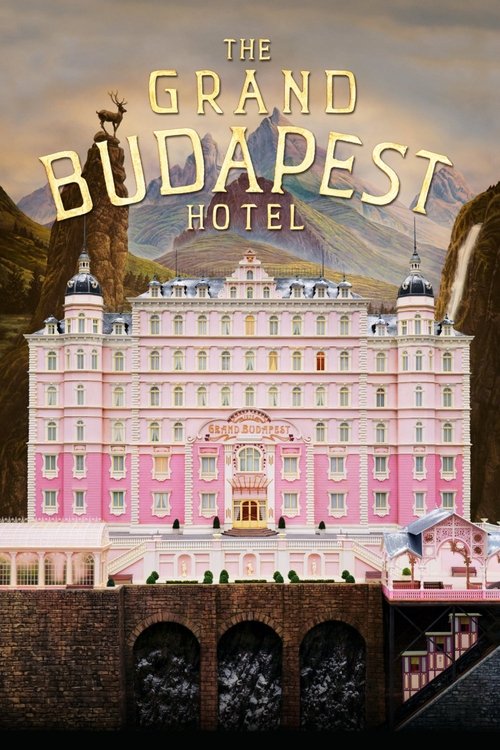
The Grand Budapest Hotel — Ritual in Defiance of Ruin
A pink hotel, a perfumed concierge, and the century that came for them both.
Updated September 23, 2026
 ★★★★½
Lunara Film Review
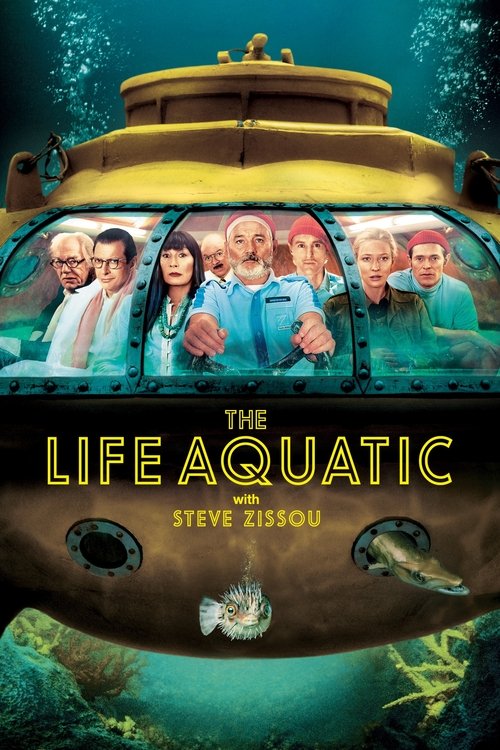
The Life Aquatic — Grief in a Red Beanie
The film everyone called the moment Wes Anderson disappeared into his dollhouse turns out to be the one about drowning in plain sight.
Updated September 23, 2026
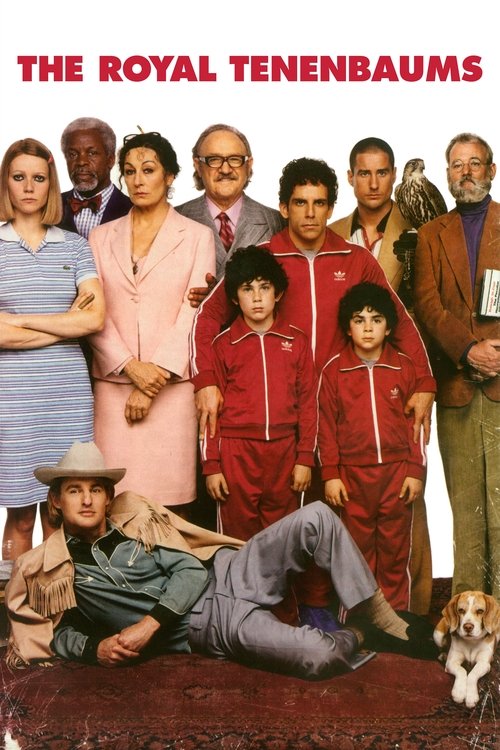 ★★★★★
Lunara Film Review
The Royal Tenenbaums — Failure Is the Family Business
Every frame is composed; nobody inside them is.
Updated September 23, 2026
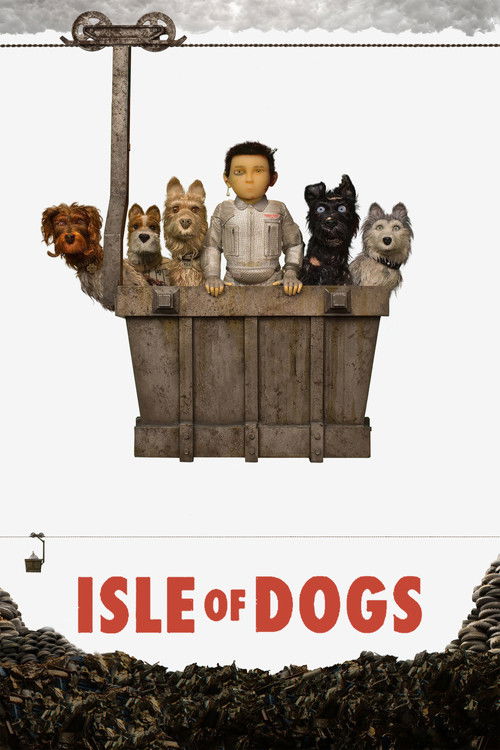 ★★★★
Lunara Film Review
Isle of Dogs — The Bedtime Story Is Angry
The fur is soft because the teeth are real.
Updated September 23, 2026
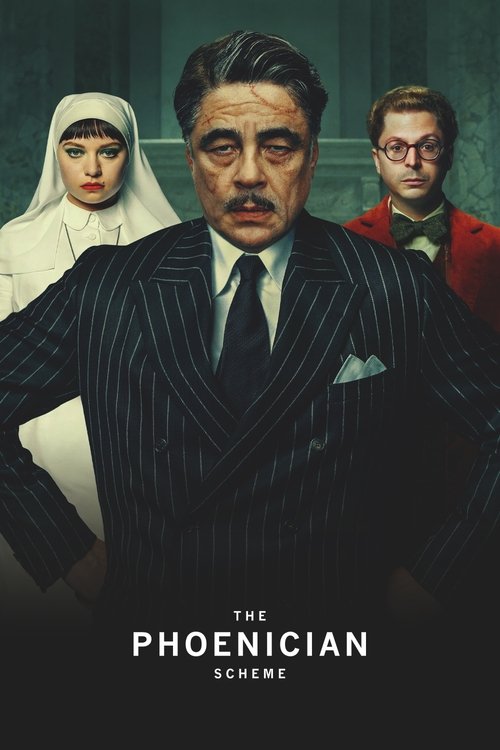 ★★★★
Lunara Film Review
The Phoenician Scheme — The Armor Cracks
The knock on The Phoenician Scheme is the same knock Wes Anderson has taken for a decade: too much style, too little feeling, a beautiful...
Updated September 23, 2026