

Isle of Dogs, 2018
Isle of Dogs — The Bedtime Story Is Angry
Movie Review
The fur is soft because the teeth are real.
Five starving dogs are fighting over a bag of trash, and the movie stops to read you the menu: rotten rinds, fish bones, one questionable rice cake. By the time the scrap ends, an ear has come off. It plays as a sight gag, and it is one, but there is a blade folded into it. These animals were house pets a season ago. Then the society across the water decided they were garbage, and now garbage is what they kill each other over. That is the whole movie in its first two minutes. Isle of Dogs is Wes Anderson’s dystopian fable, dressed in the fur of a boy-and-his-dog adventure and running hotter underneath than anything else he has made. It is about loyalty. It is about trash. It is about what a country does to the ones it has decided it can live without.
The setup has the clean lines of a story told at bedtime, which matters, because that is exactly what it turns out to be. Megasaki City, twenty years from now. Mayor Kobayashi, heir to a dynasty that has sided with cats for centuries, takes dog flu and snout fever and pumps them into a public emergency, then signs a decree deporting every dog in the city to an offshore landfill. For the cameras, he starts with Spots, the bodyguard dog assigned to his own orphaned ward. Then the ward, a twelve-year-old named Atari, steals a small plane and crash-lands it on Trash Island to get his dog back. A rescue serial, on its face. What it becomes is a story about quarantine politics, propaganda, a silenced scientist, and the strange, upright codes animals keep while the humans break every one of theirs. This was Anderson’s second stop-motion feature, and where Fantastic Mr. Fox borrowed animals to talk about ego, this one borrows them to talk about the state.
The choice that makes the picture is announced on a title card before a single frame of story. The humans speak their own languages, unsubtitled, translated only when some device inside the world happens to be standing there: an interpreter, an exchange student, a machine. The dogs, every last bark, arrive in plain English. Now sit inside that for a hundred minutes and feel what it does. Official Megasaki, its rallies and decrees and television, reaches you as pure cadence and crowd roar. Meaning comes to you only through the mouths of the discarded. The film never stages a lecture about exile. It just seats you on the wrong side of the language and lets you live in the not-understanding, which is a colder and truer lesson than any speech. Every hair on this island has been placed by hand, but the most radical thing in the movie is on the soundtrack, and it costs nothing to miss and everything to notice.
The handmade surface goes as deep as you have heard. The dogs are built mangy and patchy and sneezing, their fur nudged by fingers between frames so it never stops rippling, alive the way nothing rendered ever is. A sushi chef gets a full unbroken minute of knife work, preparing a meal designed to kill a man, and the sequence is so beautiful you almost forget to be afraid of it. Alexandre Desplat runs the whole picture on taiko drums, a pulse under the floorboards. The pack talks like a committee in a waiting room at the end of the world: Rex calling a vote on every decision, Duke passing along every rumor he has heard, and Bryan Cranston’s Chief voting no. Chief is the marrow of the thing. He is the one dog on the island with no master to be homesick for, introduced by his own warning label, “I bite,” a stray among former house pets, a skeptic among the nostalgic. His slow turn is the film’s true plot: learning to walk beside a boy, then to fetch, then to put his body between Atari and the state. The bath scene holds the whole movie in one image. Scrubbed clean, the black stray turns out to be white underneath, handed a pedigree he never asked for, and Cranston plays it like a man shown a photograph of the person he was supposed to become.
Under the bedtime-story wrapping, and it is a bedtime story, drum-legend prologue, chapter cards and all, this film is angry in a way Anderson had never permitted himself before. Angry at manufactured emergencies. Angry at dynasties. Angry at how quickly a population can be taught to hate whatever it is handed to hate. A scientist proves the disease was curable and is poisoned for the trouble. A student newspaper pulls the thread while the grown-up press prints the handouts. The deportation decree is signed to applause. Notice that none of this needs a translator. The kindness in this movie comes to you through interpreters and exchange students and machines; the cruelty arrives fully subtitled. And the anger lands harder for the softness around it, because a bedtime story is the shape we give the lessons we want to outlive us.
The bill for that shape comes due at the finish. The long middle builds an occupation with real weight, exile and rumor and old dogs going gray inside the wrecks, and then the movie repeals it at storybook speed: an expose, an election night, a haiku that turns a crowd, a tyrant’s late change of heart, power handed to a twelve-year-old. Fables are entitled to clemency, and I will not pretend the idealism didn’t move me. But the cost is specific and worth saying plainly. The repeal rides in on speeches the patient middle never taught us to believe, and too many of them come from Tracy Walker, the American exchange student who does her liberating from a podium while Atari, the actual heart of the film, spends stretches of his own revolution unconscious. A movie this alert to who gets translated ought to notice who it hands the microphone. Four stars instead of five live in that gap.
What stays with you is the delivery system. The story closes on a campaign, a new order, a boy in charge, dogs back on laps by statute, and if that resolution is gentler than the world it answers, the method underneath it is not gentle at all. Anderson disarms you with charm, waits for you to settle in, then reminds you that history gets written by the cruel and has to be rewritten by the brave. The truest thing in the picture is also its smallest: the schoolboy haiku that keeps coming back, seventeen syllables asking whatever happened to man’s best friend, closing on a falling spring blossom. That is Isle of Dogs, top to bottom. Enormous anger, handed to you tiny, so you will actually carry it home.
Lunara Film Debrief
- Score:★★★★
- Oscar Ledger2 nominations • 0 wins
- Year:2018
- Where to Watch:
Theme Echo
What is this film really about — and who else has said it?
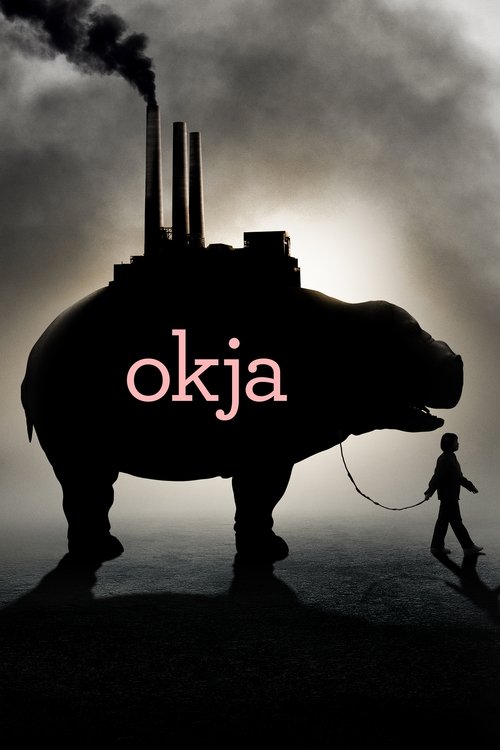
Okja (2017)
A year apart, the same story at two temperatures: a child crossing a world of adult systems to bring back one animal a government has redefined as product. Bong plays it for horror, Anderson for deadpan, and both understand that the animal's name is the entire moral case.
Counter Program
What is the strongest argument against it?
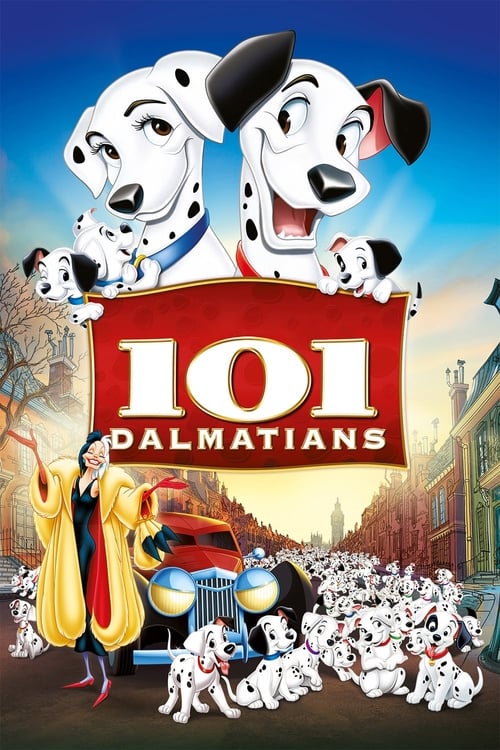
One Hundred and One Dalmatians (1961)
The dog-rescue picture where evil is one glamorous individual instead of a policy. Disney gives you a villainess to hiss at and lets you off the leash. Anderson makes the villain an electorate, which is why his cute movie is the frightening one.

Career Context
Where does this sit in the artist's story?
Fantastic Mr. Fox (2009)
The first time Anderson used fur to say what skin could not. Fox borrows animals for the self and its appetites, Isle borrows them for the state and its appetites, and together they are his id and his civics.
More Lunara Film Criticism
Further Reading
 ★★★★½
Lunara Film Review
Fantastic Mr. Fox — The Itch Under the Corduroy
A storybook caper about the one promise a wild animal cannot keep.
Updated September 23, 2026
 ★★★★★
Lunara Film Review
The Grand Budapest Hotel — Ritual in Defiance of Ruin
A pink hotel, a perfumed concierge, and the century that came for them both.
Updated September 23, 2026
 ★★★★½
Lunara Film Review
The Life Aquatic — Grief in a Red Beanie
The film everyone called the moment Wes Anderson disappeared into his dollhouse turns out to be the one about drowning in plain sight.
Updated September 23, 2026
 ★★★★★
Lunara Film Review
The Royal Tenenbaums — Failure Is the Family Business
Every frame is composed; nobody inside them is.
Updated September 23, 2026
 ★★★★
Lunara Film Review
The Phoenician Scheme — The Armor Cracks
The knock on The Phoenician Scheme is the same knock Wes Anderson has taken for a decade: too much style, too little feeling, a beautiful...
Updated September 23, 2026