

Memento, 2000. Newmarket
Memento — The Movie I Keep Loaded
Movie Review
I keep Memento loaded like a dare: hand it over, then watch the face, not the screen.
There are movies I love and movies I administer. Memento is the second kind. It came to me on DVD, the way most early Nolan did, in that living-room stretch when the discs traveled hand to hand like contraband, and it has spent every year since as the one I press on people. I will say the quiet part out loud: I love watching people watch movies. It is my favorite genre. And no film I own feeds that habit like this one. I put it on for somebody and I stop seeing the screen, because the real show is on the couch: the moment their note-taking face surrenders, the moment the floor moves under them and they feel it move. The movie did that to me once. Now I get to watch it happen to everyone I love, which is either generosity or a control experiment, and this film, of all films, would enjoy not knowing which.
The premise fits in one sentence, which is part of why it travels so well. Leonard Shelby cannot form new memories, the last thing that stuck was his wife’s murder, and so he hunts her killer with facts tattooed across his body and a pocket of Polaroids captioned in his own handwriting, while Christopher Nolan runs the story in reverse, each color scene ending exactly where the one before it began. Call the structure clever and you have undersold it: it hands you Leonard’s condition instead of describing it. You walk into every scene knowing precisely what he knows, which is nothing, and every ten minutes the film reaches back and deletes the ground you were standing on. First time through, you call that vertigo. Later you learn the vertigo’s real name, and the name is grief. The movie takes something from you every few minutes, so you spend two hours mourning without anyone ever saying the word.
The Polaroids get crueler every year I own devices that remember for me. Leonard has moved his memory outside his body, onto paper and skin, and it looks like survival and works like a leak. Every note is only as true as the man who wrote it, and that man is gone the second the ink dries. A memory you can edit is a memory that can lie to you. And here is the cold center of the thing: Leonard is not the victim of that system. He runs it. He decides what gets written down. When the truth would leave him alone in a room with the fact that his wife is gone and vengeance will not return her, he burns the photograph, writes the cleaner caption, and hands tomorrow’s Leonard a purpose instead. He is the author of his own hunt. The backward structure is not a puzzle laid over that wound. It is the wound, drawn to scale.
Guy Pearce plays all of this from the inside out, and it might still be the least-thanked great performance of its decade. Watch him enter a room. The eyes run the inventory first, pocket, wall, wrist, hunting for instructions, and only then does the face commit to an expression. He is a man permanently reading himself for stage directions, jaw set with a widower’s discipline, the panic living nowhere but the eyes. Most actors play memory loss as fog. Pearce plays it as labor. The performance is about maintenance, and maintenance is the saddest work a body can be assigned forever.
Years of administering this movie have taught me something I was saying about the filmography long before I could defend it: Nolan’s movies pay you to come back. All of them. The first viewing is the demo. Memento’s real film only opens on the second pass, when you cannot be fooled anymore, because this is a movie about self-deception that saves its honest face for viewers who have run out of ways to deceive themselves. Once you know everything, you are no longer solving. You are watching a man choose his lie, in slow motion, with full knowledge that he will succeed, because he always does. That is why the puzzle objection, the one that calls this a crossword with a body count, solved once and worthless after, has never survived contact with the movie itself. A finished crossword goes inert because its answer was arbitrary. This thing gets sadder the more of it you hold.
The cost is real and worth naming: the film’s curiosity is a closed loop around one man. Carrie-Anne Moss gives Natalie real teeth, and the scene where she weaponizes Leonard’s condition to his face is the nastiest thing Nolan has ever written, but she exists as a test administered to the protagonist, and Teddy is a delivery system with a grin. When the camera looks at anyone but Leonard, it is only ever gathering evidence for the Leonard file. And the black-and-white motel scenes, Leonard narrating his own operating manual down a phone line, start to lecture around the fifth viewing in a way the color scenes never do. A small tax. I pay it without complaint.
Because the ending of Memento, in my house, has stopped happening on the screen. It happens on the couch: whoever is sitting there going quiet, reaching backward through two hours of film for a fact that is no longer where they left it, doing the exact thing the movie is about, live, in my living room. Twenty-five years of imitators have curdled into gimmick and this has not, and I think the couch is the reason why. The form was never decoration on the feeling. The form is the feeling. You leave every scene robbed. You have been grieving the whole time without a name for it. Then the movie hands you the name on the way out, and takes it back.
Lunara Film Debrief
- Score:★★★★★
- Oscar Ledger2 nominations • 0 wins
- Year:2000
- Where to Watch:

Theme Echo
What is this film really about — and who else has said it?
Eternal Sunshine of the Spotless Mind (2004)
The same wound approached as mercy instead of mission -- erasing as the thing love asks for.

Counter Program
What is the strongest argument against it?
Manchester by the Sea (2016)
Grief with no system to hide inside -- a man who remembers everything and survives nothing.
Career Context
Where does this sit in the artist's story?
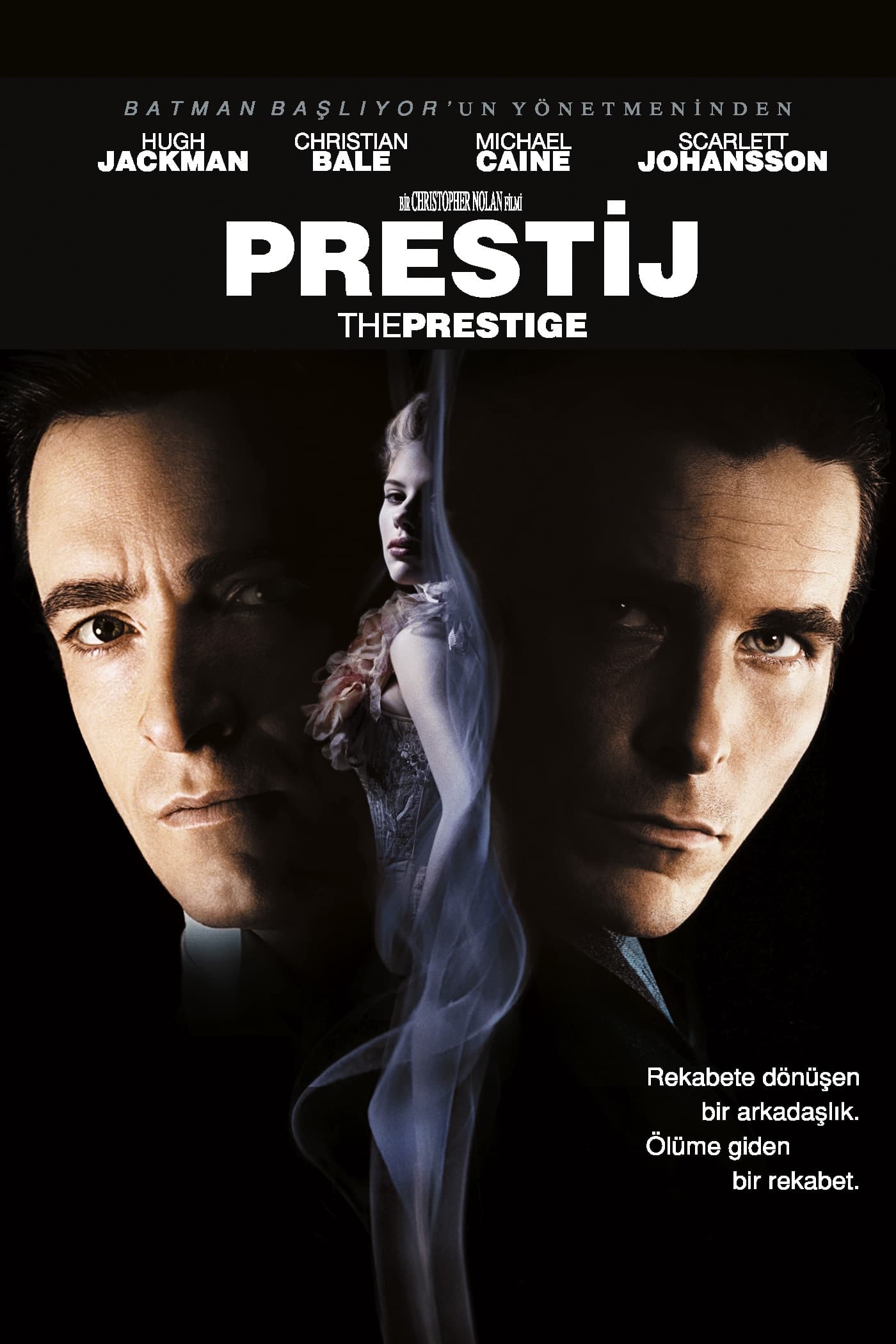
The Prestige (2006)
Nolan answering the magic-trick dissent with a film that says you begged to be fooled.
More Lunara Film Criticism
Further Reading
 ★★★★★
Lunara Film Review
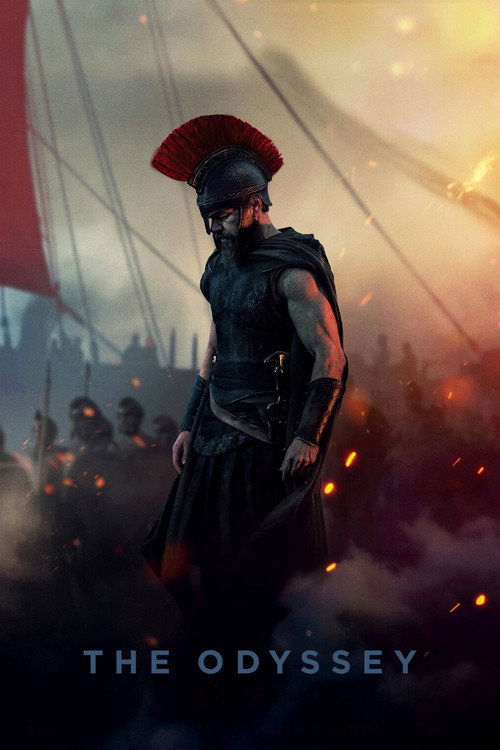
Watch trailerThe Odyssey — I Walked Right Back In
Nolan aimed the biggest camera on earth at the oldest story about going home -- and I walked out of the 70mm IMAX and bought a ticket to...
Updated September 23, 2026
 ★★★★½
Lunara Film Review
Tenet — Don’t Understand It. Feel It.
The Nolan film I have watched the most is the one everybody claims not to understand -- and the film told us all, out loud, in the trailer,...
Updated September 23, 2026
 ★★★★½
Lunara Film Review
Dunkirk — The Clocks Are the Story
A week on the beach, a day on the sea, an hour in the air -- braided into one escalating sensation. Dunkirk is the closest Nolan has come...
Updated September 23, 2026
 ★★★★★
Lunara Film Review
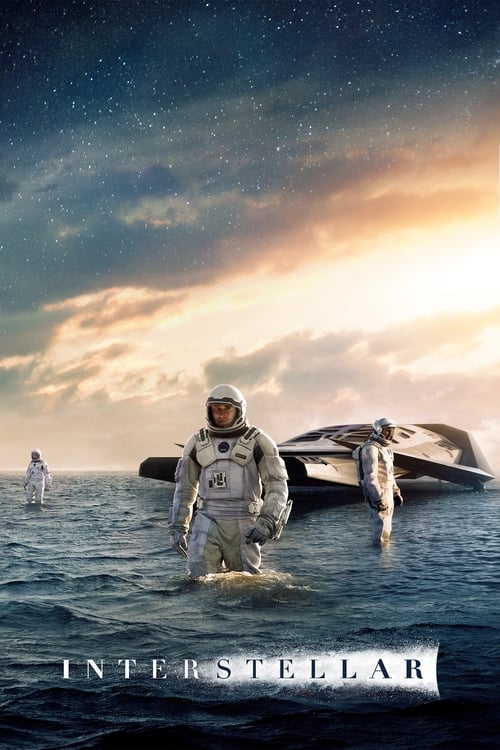
Interstellar — This Generation’s 2001
I will make the claim without a safety net: Interstellar may well be this generation's 2001 -- and the heresy is that it out-feels its...
Updated September 23, 2026
 ★★★½
Lunara Film Review
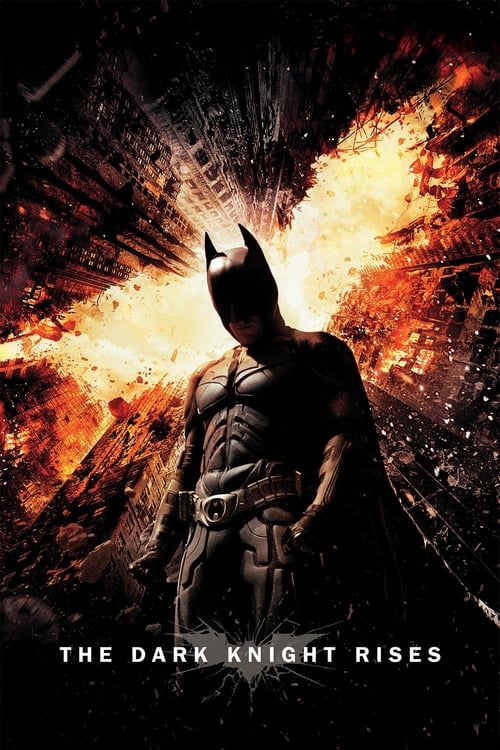
The Dark Knight Rises — Following a Shooting Star
No sequel in modern movies inherited a harder assignment: follow the film that changed everything, without the shooting star who changed...
Updated September 23, 2026