
Lunara Review
Belfast — The Street Only Exists in the Boy Who Left
A childhood remembered in black and white, with the movies, only the movies, in color.
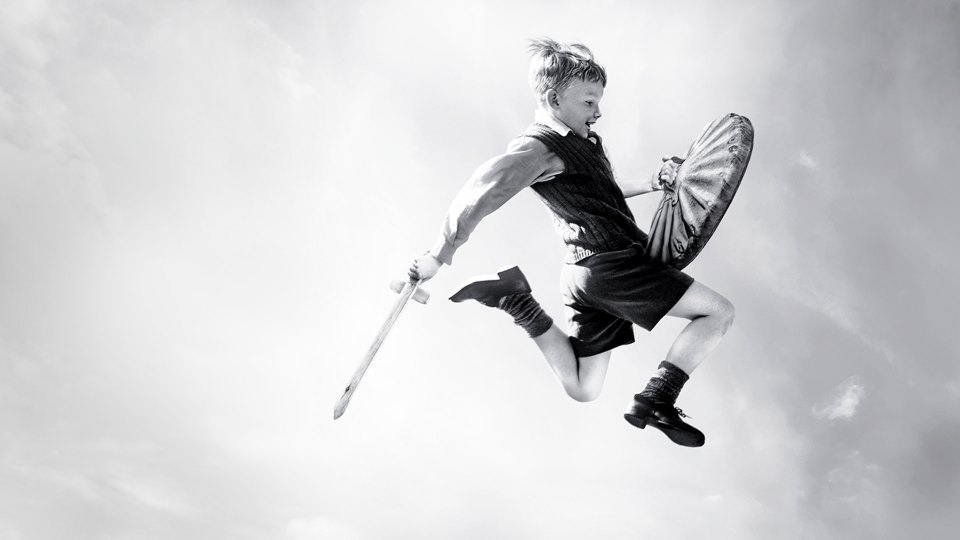
A childhood remembered in black and white, with the movies, only the movies, in color.
The street is humming when the film opens, and it is the hum of ordinary life: kids playing, neighbors calling across doorsteps, a nine-year-old named Buddy heading home for tea with a trash-can lid for a shield and a wooden sword for a dragon. Then the mob comes around the corner. A Molotov cocktail arcs over the pavement, windows start shattering, and Haris Zambarloukos’s camera does the one thing that defines everything after: it stays at Buddy’s height. It circles him in the chaos, never rising above his sightline, so that the adults are shouting things that do not make sense yet and the audience is exactly as lost as he is. Five minutes ago this street was the entire knowable world. Now it is a border. The trash-can lid, a toy on the walk home, is suddenly a tool of survival, and the film’s whole method is in that repurposing: history, experienced by a child, arrives as adventure first and trauma second, and the two never fully separate again.
Belfast is Kenneth Branagh’s memory film, the most personal thing he has ever made, and its honesty begins with admitting what it is not. It is not an account of the Troubles. It is a fifty-years-later recollection of one Protestant working-class street in 1969, where the barricades at the end of the block coexisted with Granny’s kitchen and Saturday matinees, filtered through a man choosing, consciously, to remember the warmth more than the violence. The comparison everyone reaches for is Roma, and it is not unfair, two black-and-white autobiographies of childhood interrupted by history, but the operating distance is opposite. Cuaron watched from a magisterial remove. Branagh works at four feet off the ground, and the film’s power is its specificity: this street, these people, this exact way of being Irish and Protestant and broke while the city tears itself in half over a distinction Buddy cannot even reliably explain.
The cast builds the fortress the plot besieges. Jude Hill carries the picture with the unforced charm of a child who has not yet learned to perform for a camera; his Buddy is stubborn, besotted with the girl three desks over, and certain his da is the most important man alive. Jamie Dornan plays that father as remembered rather than observed, charming, kind, slightly out of focus, the way a parent looks to a child who loved him and did not see him enough. Caitriona Balfe’s Ma is the anchor, fierce and terrified in ways she will not let her children witness, and her defense of staying, delivered to a husband holding two boat tickets, is the film’s one great grown-up scene: a woman arguing for a home that is no longer safe because it is the only place she has ever been someone. And Judi Dench and Ciaran Hinds, as the grandparents, fold an entire marriage into kitchen-table teasing and a slow dance in the front room. Hinds especially devastates by underplaying: a man who knows the neighborhood is ending and that he is too old to end with it.
The film’s most quietly argued idea is chromatic. Zambarloukos shoots the world in crisp, luminous black and white, the texture of memory itself, faces and light and the geometry of narrow streets, and then, when the family goes to the pictures, the screen blooms. Chitty Chitty Bang Bang and One Million Years B.C. arrive in full color, as vivid and overwhelming as they must have felt from a cheap seat in 1969, and the design says what the film is too tactful to state: the movies are where the world expands; the rest of life, however loved, is monochrome. It is Branagh’s autobiography in a single formal choice, the origin story of a man who ran toward color and spent a career there. Van Morrison scores the memory with recordings chosen for feeling rather than period accuracy, which is the film’s relationship to truth in miniature: not documentary but testimony, sworn to the emotion rather than the calendar.
The honest limit is the flip side of the tenderness. By staying at Buddy’s eye level, Belfast buys its warmth with a deliberate shallowness about the Troubles themselves; the sectarian mechanics remain scenery, the local hard man is a stock heavy, and viewers who lived the history’s other side may fairly find the film’s Belfast suspiciously soft-lit. The warmth also tips, more than once, into sentiment that a colder editor would have trimmed. Branagh would answer that this is the point, that a child’s memory is not obligated to be a tribunal, and the film’s closing dedication, for the ones who stayed, the ones who left, and all the ones who were lost, makes the case that he knows exactly what he is not showing. The dedication earns its words. The evasion still leaves a mark.
What remains is the ache the film was built to deliver: Pop and Granny dancing in the living room, a block party where Pa sings Everlasting Love like a man apologizing and proposing at once, a boy watching a flying car in Technicolor while the gray world outside waits to reclaim him. Belfast understands the impossible arithmetic of emigration, that safety elsewhere is priced in belonging here, and declines to solve it, holding the tension instead the way Buddy holds his lid. It is a homecoming to a place that no longer exists, which is to say it is a film about where the street went: into the memory of the boy who left, and now, ninety-seven minutes at a time, into ours.
LUNARA DEBRIEF
- Score: 3.5 / 5
- Year: 2021
- Where to Watch: Streaming [Peacock] | VOD | Blu-ray
- Theme Echo: Roma (2018) tt6155172. The other black-and-white childhood memoir set against national rupture. Cuaron is more rigorous, Branagh more embraceable, and the two films disagree productively about whether memory owes history its distance.
- Counter-Program: ’71 (2014) tt2614684. The Troubles at street level with no nostalgia and no safety net, one soldier, one night, the same city as pure survival. It is the film about everything Belfast keeps outside the frame, and the double bill is the complete picture.
- Career Context: Henry V (1989) tt0097499. Branagh’s debut, a young director borrowing Shakespeare’s war to announce himself. Three decades later he finally films the war he actually lived through, at the height of the boy who watched it, and the two films bracket a career spent working up the courage.
LUNARA DEBRIEF
- Score:★★★½
- Oscar Ledger7 nominations • 1 wins
- Year:2021
- Where to Watch:
Pair It With
Three films in conversation with this one.
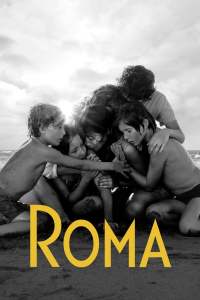
Theme Echo
Roma (2018)
The other black-and-white childhood memoir set against national rupture. Cuaron is more rigorous, Branagh more embraceable, and the two films disagree productively about whether memory owes history its distance.
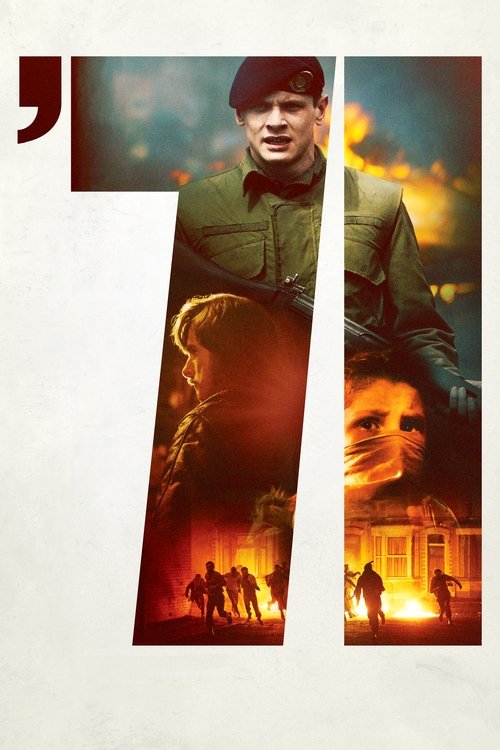
Counter-Program
'71 (2014)
The Troubles at street level with no nostalgia and no safety net, one soldier, one night, the same city as pure survival. It is the film about everything Belfast keeps outside the frame, and the double bill is the complete picture.
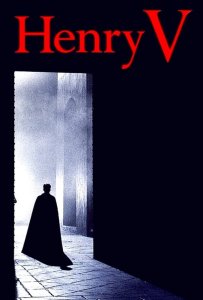
Career Context
Henry V (1989)
Branagh's debut, a young director borrowing Shakespeare's war to announce himself. Three decades later he finally films the war he actually lived through, at the height of the boy who watched it, and the two films bracket a career spent working up the courage.
Further Reading
More Lunara Criticism
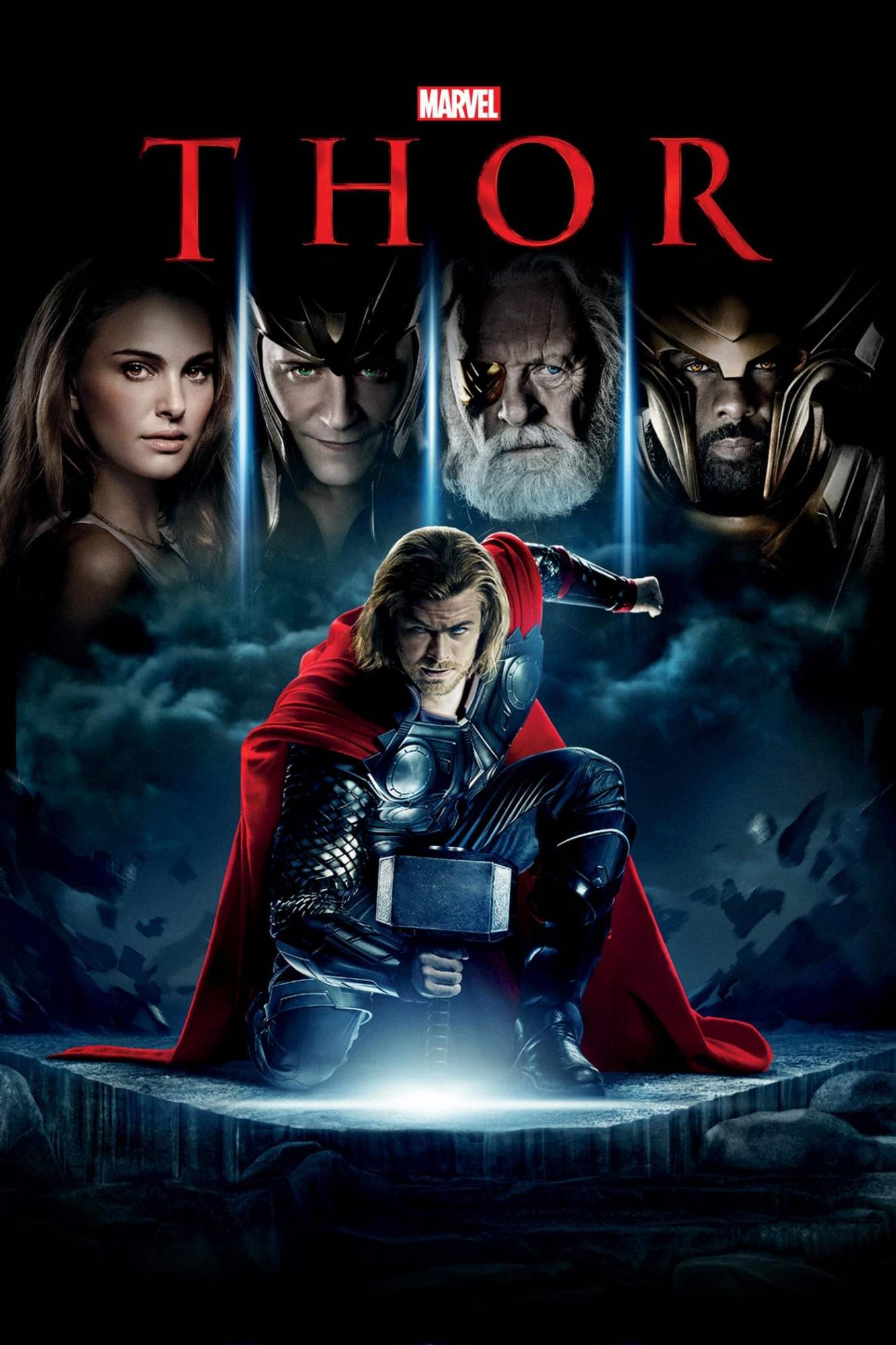 ★★★
★★★
Lunara Review
Thor — Two Movies Stitched at the Seam
Half dynastic tragedy, half pet-store comedy, and the seam between them is the most interesting thing Phase One ever produced.
Updated July 25, 2026
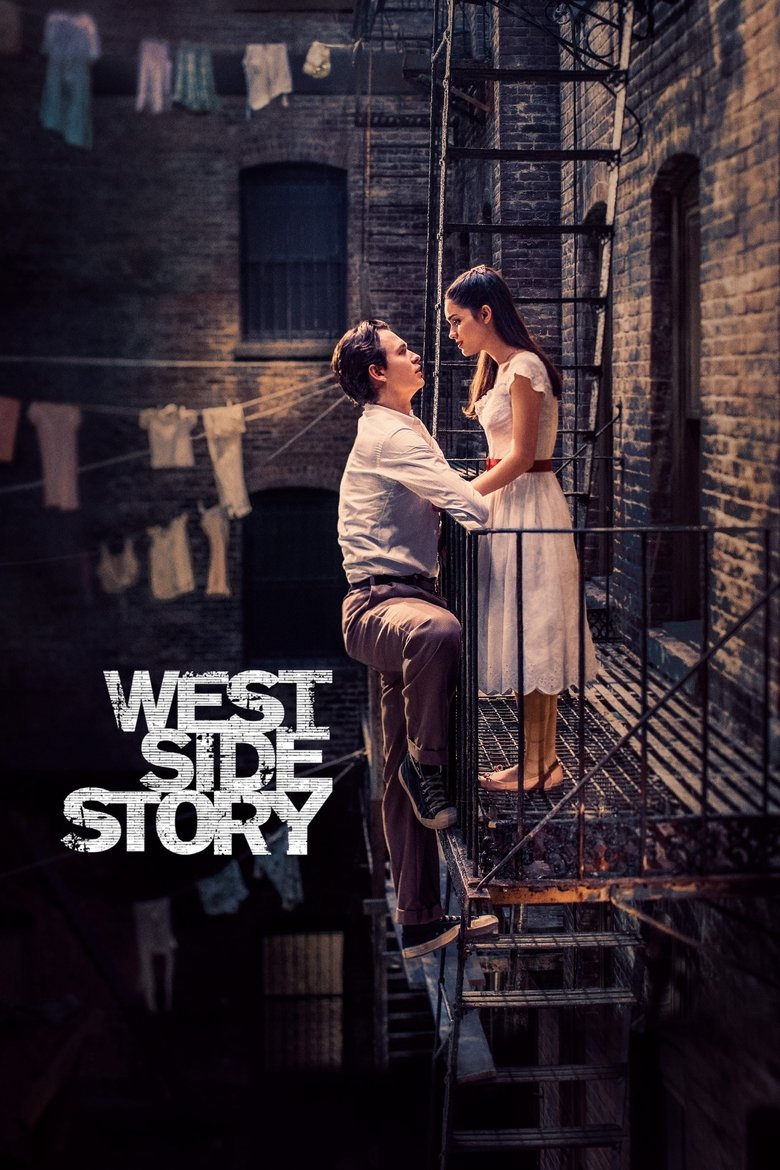 ★★★★
★★★★
Lunara Review
West Side Story — The Camera Finally Dances
Spielberg waited fifty years to move a camera through a song, and the hunger is visible in every frame.
Updated July 25, 2026
 ★★★★★
★★★★★
Lunara Review
Titane — Family Is a Choice Made in the Dark
Julia Ducournau's Palme d'Or winner is sold as the car movie; it is actually the decade's strangest film about adoption.
Updated July 25, 2026
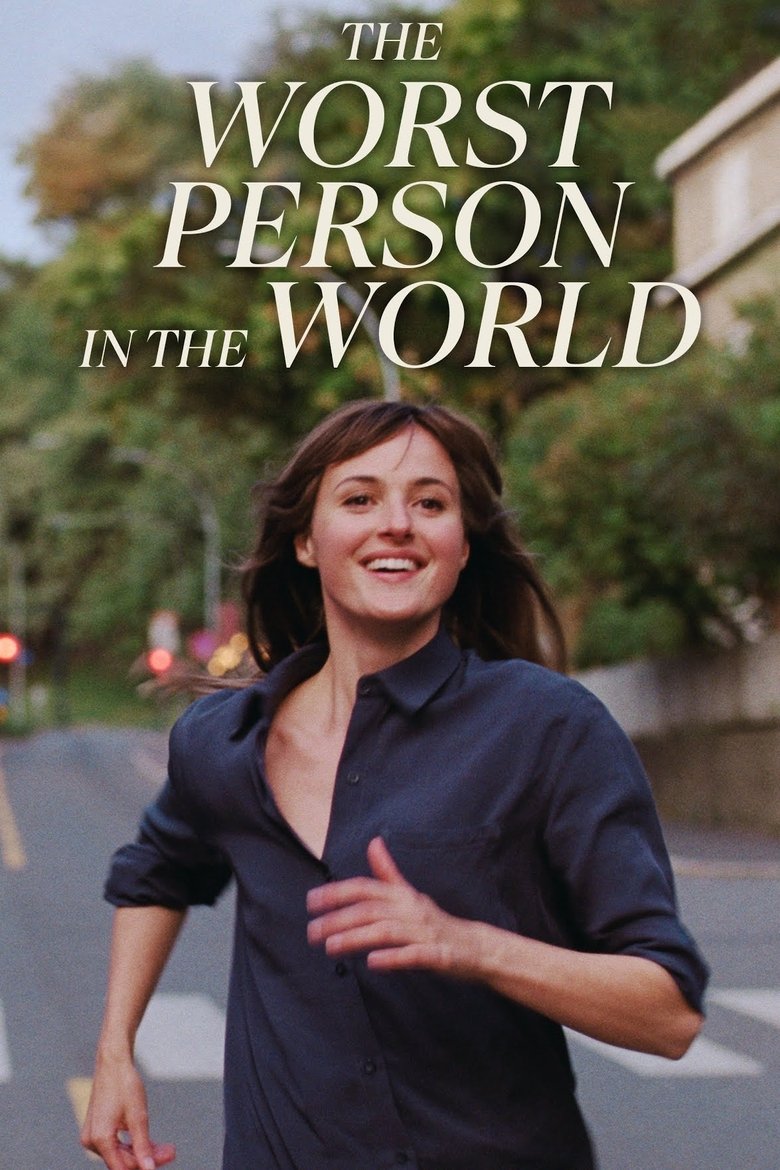 ★★★★½
★★★★½
Lunara Review
The Worst Person in the World — The Luxury of Not Deciding
Joachim Trier freezes all of Oslo so one woman can run through it, and then makes her pay for the privilege.
Updated July 25, 2026
 ★★★★★
★★★★★
Lunara Review
The Power of the Dog — The Quietest Person in the Room
A Western where nobody draws a gun, and the deadliest act in it looks exactly like kindness.
Updated July 25, 2026