

Cache, 2005
Cache — Guilt Has a Fixed Address
Movie Review
The tapes were never the mystery. The man who needed a mystery was.
A street. A house. Parked cars, a passing cyclist, birdsong. The opening credits type themselves over the image like a report being filed, and nothing happens, and nothing keeps happening, until two voices begin discussing the very shot we are looking at and the picture lurches into rewind, scan lines raking the frame. We were not watching a movie begin. We were watching a surveillance tape, watched by the couple it surveils. With one gesture Michael Haneke voids the oldest deal in moviegoing, the assumption that we know which side of the camera we are on, and Cache never gives it back. For the next two hours, every static wide might be the film, or might be the next tape. So you watch the whole picture the way a guard watches a monitor, scanning for the thing that is wrong. That vigilance is the confession. The film spends its runtime quietly collecting it from you.
The tapes land on the doorstep of Georges Laurent, host of a television book program taped on a set walled with fake book spines, which is the film’s first joke about curated intellect and not its last. His wife Anne works in publishing; their apartment is a fortress of shelves and dinner parties, the kind of home where being informed passes for being good. The tapes show only the house, hours of it, and they arrive wrapped in a child’s drawings: a stick figure coughing blood, a rooster with its neck opened. The drawings do what the police will not. They date the crime. The trail runs backward through Georges’ childhood estate to a modest flat on the Avenue Lenine, where an Algerian man named Majid, Georges’ age exactly, looks at him with forty years of an emotion Georges will not let himself name. When the film finally hands over the history, it is precise. October 1961: Paris police drown Algerian demonstrators in the Seine by the score, a massacre the French state then spent four decades not saying out loud. Majid’s parents are among the dead. The Laurents, their employers, move to adopt the orphan, and six-year-old Georges, unwilling to share, lies twice. A story about coughed blood. A beheaded rooster staged as a threat. The boy is shipped to an orphanage instead of a family. A six-year-old’s jealousy, a lifetime’s sentence, and the ugly disproportion is exactly the point. Nobody in this film is a monster. That is what makes it unbearable.
What the tapes attack is not Georges’ safety. It is his innocence, which he maintains the way other men maintain property. Watch what he actually does as the truth closes in: lies to Anne in installments, threatens Majid in the man’s own kitchen, and, the night his son Pierrot stays out, makes one phone call that puts two Algerian men in police cells until morning, the state’s forgetting summoned like room service. Through all of it he never once doubts that he is the victim here, and Daniel Auteuil plays that certainty with a reasonableness that frightened me more than any tape: a decent, cultured, defensible man for whom being wrong at six is simply not a thing that can be permitted to have happened. The thriller is the pretext. The daily labor of staying innocent is the plot.
Haneke’s masterstroke is technical and total. He shot everything, film and tapes alike, on the same high-definition video, so there is no grain shift, no texture cue, no way to tell story from evidence. That choice rewires you scene by scene. Stillness itself turns threatening, because any locked frame might sprout timecode. There is no score anywhere, so events arrive without musical permission slips. And when Georges’ childhood memories surface, they come in the same fixed, distant grammar as the tapes, as if his own conscience had gone over to the other side and started filming. All of it converges on the scene the film is infamous for. Majid calls Georges back to the flat and tells him, with the courtesy of a man scheduling a delivery, that he wanted him to be present. Then he opens his throat with a razor. One motion, staged in the safest shot the film owns, the static wide where nothing ever happens, and the camera does not flinch, because it never learned how. The wall holds the spray. The room holds the body. Georges ducks into a cinema until dark. Days later, after Majid’s grown son corners him in an office lobby wanting nothing but to study his face, Georges goes home in the middle of the afternoon, swallows two sleeping pills, and draws the curtains. The most damning image in twenty-first century cinema is a man taking a nap.
Twenty years have dissolved the whodunit and left the film stronger for the loss. The sender puzzle has no answer because the camera positions are impossible: mid-street, eye level, unmissable, never seen. The only camera that can stand where no one can stand is the one making the film. The return address is the movie itself, which is to say the past, which is to say us, and every viewer who keeps demanding the sender’s name is doing a Georges, wanting a culprit so the history can go back in its drawer. Meanwhile the world caught up on both fronts. France finally began, decades late, to say the words about October 1961 in public, and the film’s premise stopped reading as paranoid fantasy, because every house on every street now sits on somebody’s camera by default. Cache did not predict the cameras. It predicted that being watched would feel like being accused, and that for the comfortable, the accusation would land true.
One debt is real, and it has to be paid. This film about a silenced Algerian gives the Algerian almost no life beyond his wound. Majid gets one scene of private weeping, itself harvested by the unseen camera, and one death; his son is a question mark by design; the man exists chiefly as the instrument of a white man’s reckoning. Some of that is diagnosis, erasure staged where the viewer can catch it happening. Not all of it. A film this deliberate does not get to shrug off the cost of its own design, and there are stretches where Haneke’s rigging feels like a moralist grading papers he assigned. What answers the charge, partly and honestly, is the final shot. The school steps, static and wide, a minute of milling students, and in the far corner of the frame, missable and missed by half the audiences that ever saw it, Majid’s son and Pierrot, talking. About what, the film will never say. Accusation, apology, introduction: all three futures fit in that corner. It is the one camera in the picture pointed at the next generation instead of the last one, and it is the one act of mercy Haneke allows. He lets the sons talk, and he does not bug the conversation.
Lunara Film Debrief
- Score:★★★★★
- Year:2005
- Where to Watch:DigitalFind Digital OptionsAvailabilityKino Lorber disc

Theme Echo
What is this film really about — and who else has said it?
The Conversation (1974)
Harry Caul ends on the floor of a stripped apartment hunting a microphone that may not exist; Georges ends in a darkened bedroom hiding from a camera that cannot exist. Both films know the bug was installed in the listener all along.

Counter Program
What is the strongest argument against it?
Rear Window (1954)
Watching with the guilt removed. Hitchcock makes spectatorship a pleasure and then forgives it with a rescue; Haneke runs the same lens in reverse and mails the viewer the bill. See them close together and neither one ever plays innocent again.

Career Context
Where does this sit in the artist's story?
Funny Games (1997)
The rewind as a weapon: a killer with a remote control undoing the audience's one victory. In Cache the same gesture has matured from prank to method, the rewind now belonging to the guilty, replaying what they would rather not have seen. The provocation grew up into a conscience.
More Lunara Film Criticism
Further Reading
 ★★★★★
Lunara Film Review
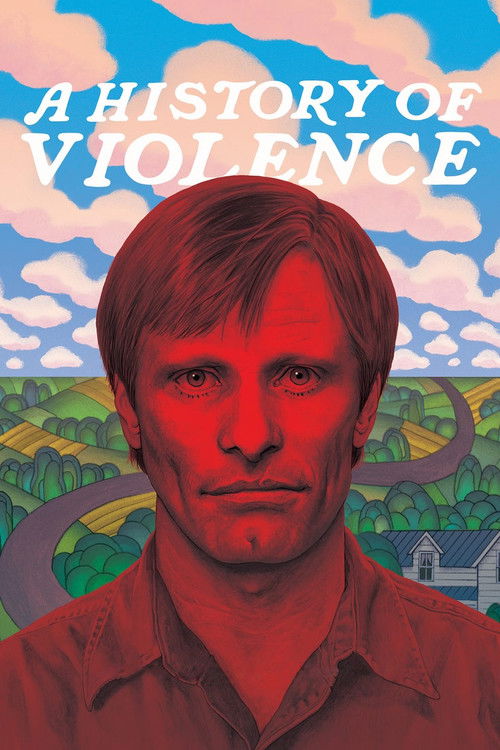
A History of Violence — The Mask Grows In
Cronenberg's American postcard, with the blood already in the frame.
Updated September 23, 2026
 ★★★★★
Lunara Film Review
Capote — The Ending Needed Them Dead
A film about a masterpiece whose bill was paid mostly by other people.
Updated September 23, 2026
 ★★★★½
Lunara Film Review
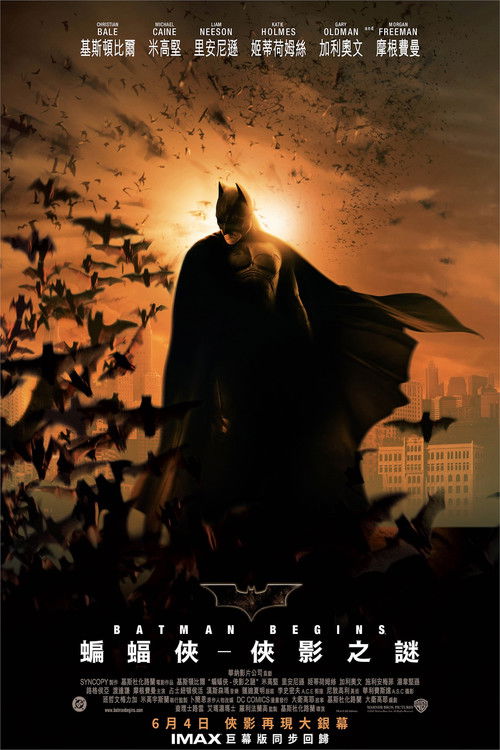
Batman Begins — My Batman
Everyone has their Batman. Mine showed up on opening night in 2005, sitting between my grandparents, when a filmmaker finally took a man...
Updated September 23, 2026
 ★★★★
Lunara Film Review
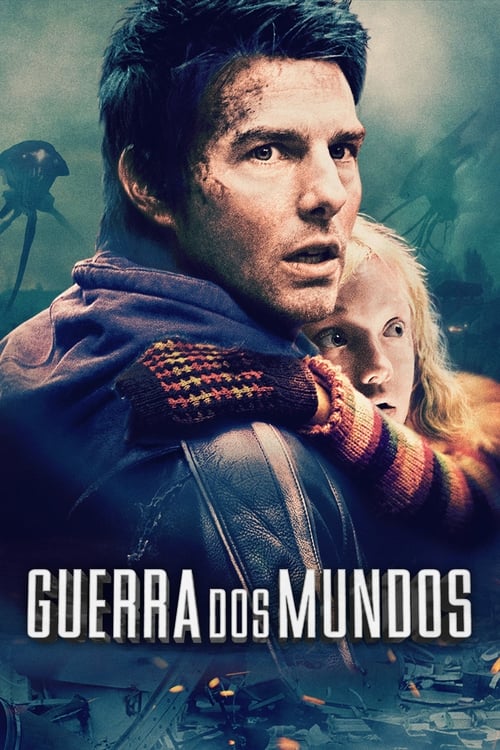
War of the Worlds — His Most Pitiless Film
Steven Spielberg likes to say he never made a horror movie. He is wrong, and this is it. War of the Worlds arrived in the summer of 2005...
Updated September 23, 2026
 ★★★
Lunara Film Review
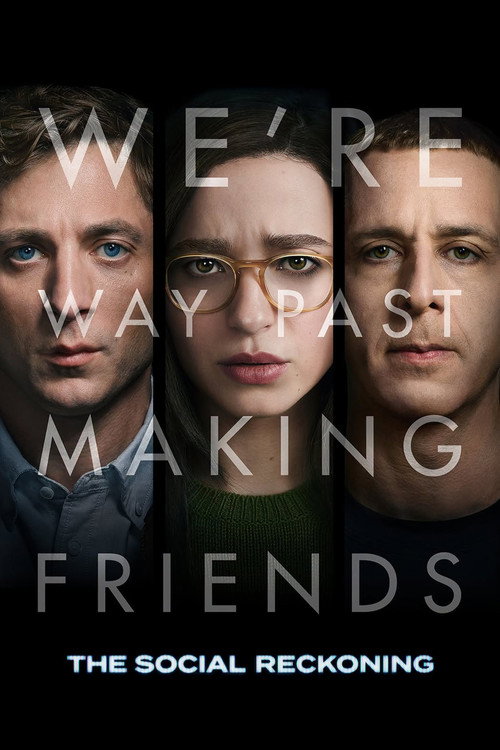
The Social Reckoning – A Procedural Without a Pulse
Aaron Sorkin's The Social Reckoning trades Fincher's kinetic tragedy for a dry, well-acted Facebook procedural that informs rather than shatters.