
Lunara Review
Doctor Strange — The Decoration Without the Dread
The images promise a movie Marvel had never made; the script delivers the one it always makes.

The images promise a movie Marvel had never made; the script delivers the one it always makes.
The first thing this film loves about Stephen Strange is his hands. It introduces them before it bothers with his face: fingers snapping a watchband closed, choosing a case by prestige over need, drumming the wheel of a Lamborghini in the rain while their owner glances at brain scans on a passenger-seat screen, because these hands can do two impossible things at once. Then the road bends and the movie renders, with a horror director’s patience, exactly what a hillside does to fingers. When Strange wakes up there are eleven stainless-steel pins holding his instrument together, and the camera studies the hardware the way he does: as a verdict. The opening act is the best origin material Marvel had produced to that point, because it is not about acquiring power. It is about a man watching the only self he ever built get towed out of the water.
What follows is stranger and safer at the same time, and that doubleness is the whole picture. Doctor Strange is the most visually inventive film of the franchise’s first fifteen entries wrapped around the most recycled story it owns, the arrogant genius humbled into service, running unchanged since a man built a suit in a cave. Scott Derrickson came up through horror, and Sinister proved he knows how dread accumulates; here he delivers reality-bending sequences that belong to a more adventurous movie, and the gap between what the images promise and what the screenplay is willing to do with them is visible in nearly every scene. The eye is trusted completely. The audience’s patience is not.
Benedict Cumberbatch keeps the familiar arc watchable by playing the vanity as load-bearing. His Strange enters every room having already ranked its occupants and seated himself at the top; the clipped consonants and the dismissive glance are a fortress, and Cumberbatch lets you see what the fortress protects: a man who has equated his worth with his capability so completely that the tremor in his hands reads to him as erasure. He cannot stop looking at them. The performance runs on those hands the whole way through, from operating-room control to the humiliating rattle of a rehab session to the fluency of spellcasting, and the transformation is legible without a line of dialogue. It is a portrait of terror wearing arrogance as a coat.
Tilda Swinton’s Ancient One is the film’s most complicated inheritance, and the honest way to hold it is to hold both facts at once. The casting took an Asian role and gave it to a white actress, and no amount of screen quality retires that decision. And Swinton is quietly extraordinary in it, playing a teacher who preaches the surrender of ego while running her order with absolute control, a mortal drawing life from the same forbidden well she polices. Her death scene is the film’s one passage of real philosophy: her astral form stepping out onto a balcony to watch snow fall, stretching a single second of lightning into a goodbye, telling Strange that it is not about him. She is excellent in a role that should not have been hers, and the two truths do not cancel. They just sit there, permanently.
The mirror-dimension chase through New York is the film’s genuine contribution, and its power is a craft decision that is easy to miss under the spectacle. Buildings fold into themselves, streets loop, gravity rotates on multiple axes, the city becomes a kaleidoscope chewing its own reflection, and through all of it Derrickson keeps the geography readable. You always know where Strange is, even when “where” has stopped meaning anything. Plenty of blockbusters buy chaos; this one builds impossibility with coherent rules, which is why it produces wonder instead of noise.
The waste in the picture is the people. Chiwetel Ejiofor gives Mordo the coiled discipline of a true believer, a warrior whose faith in the natural order is the structure holding down something violent underneath, and when he discovers his teacher has been breaking the laws she taught him to revere, the betrayal lands because Ejiofor built the faith stone by stone. The film hands that collapse a post-credits tease. Mads Mikkelsen gets roughly three scenes of actual dialogue as Kaecilius, a zealot with a coherent case against death itself, before the movie reduces him to smoky eye makeup and thrown projectiles. Both actors deserved the film the images kept promising.
The climax is where Derrickson finally smuggles himself in whole. Strange cannot outfight Dormammu, so he traps the entity in a time loop and offers the only currency he has, which is his own suffering: he dies, and returns, and dies, hundreds of deaths delivered with conversational composure, until a being of pure hunger surrenders out of boredom. It is the film’s thesis performed as action. His heroism is not power acquired but pain accepted, the surgeon’s ego finally spent on something other than itself, and the dark comedy of the bargain is the one moment where the horror sensibility Marvel hired actually gets to drive.
The limit of the film is its container, and it should be named fairly. A movie about a man learning to surrender control never surrenders any itself; every destabilizing image arrives chaperoned by the safest story outline in the studio’s drawer, beat for beat, mentor death and training montage and reluctant acceptance on schedule. The fair reading is that the formula was the visa that got this much strangeness through the border, and the film knows it. The cost is that nothing here destabilizes you the way the fold says it should. Derrickson understood that bending reality ought to cost the viewer their footing. The franchise took the lesson it always takes, kept the decoration, and left the dread at the door.
LUNARA DEBRIEF
- Score: 3 / 5
- Year: 2016
- Where to Watch: Streaming (Disney+) | VOD (major platforms)
- Theme Echo: Inception (2010) tt1375666. Nolan folds the city and then builds the entire story out of the fold’s rules; Strange folds the city as scenery for a story that would play the same in a parking lot. Watching them back to back measures the exact distance between an image and an idea.
- Counter-Program: The Neon Demon (2016) tt1974419. Psychedelic image-making from the same year with no obligation to reassure anyone. It shows what this visual vocabulary does when the audience is not guaranteed a safe landing, which is precisely the guarantee that caps Doctor Strange.
- Career Context: Sinister (2012) tt1922777. The dread Marvel hired and then rationed. Derrickson’s best horror film runs on patience and accumulating wrongness, and the Dormammu loop is the one scene here where that director gets his hands back on the wheel.
LUNARA DEBRIEF
- Score:★★★
- Oscar Ledger1 nominations • 0 wins
- Year:2016
- Where to Watch:
Pair It With
Three films in conversation with this one.
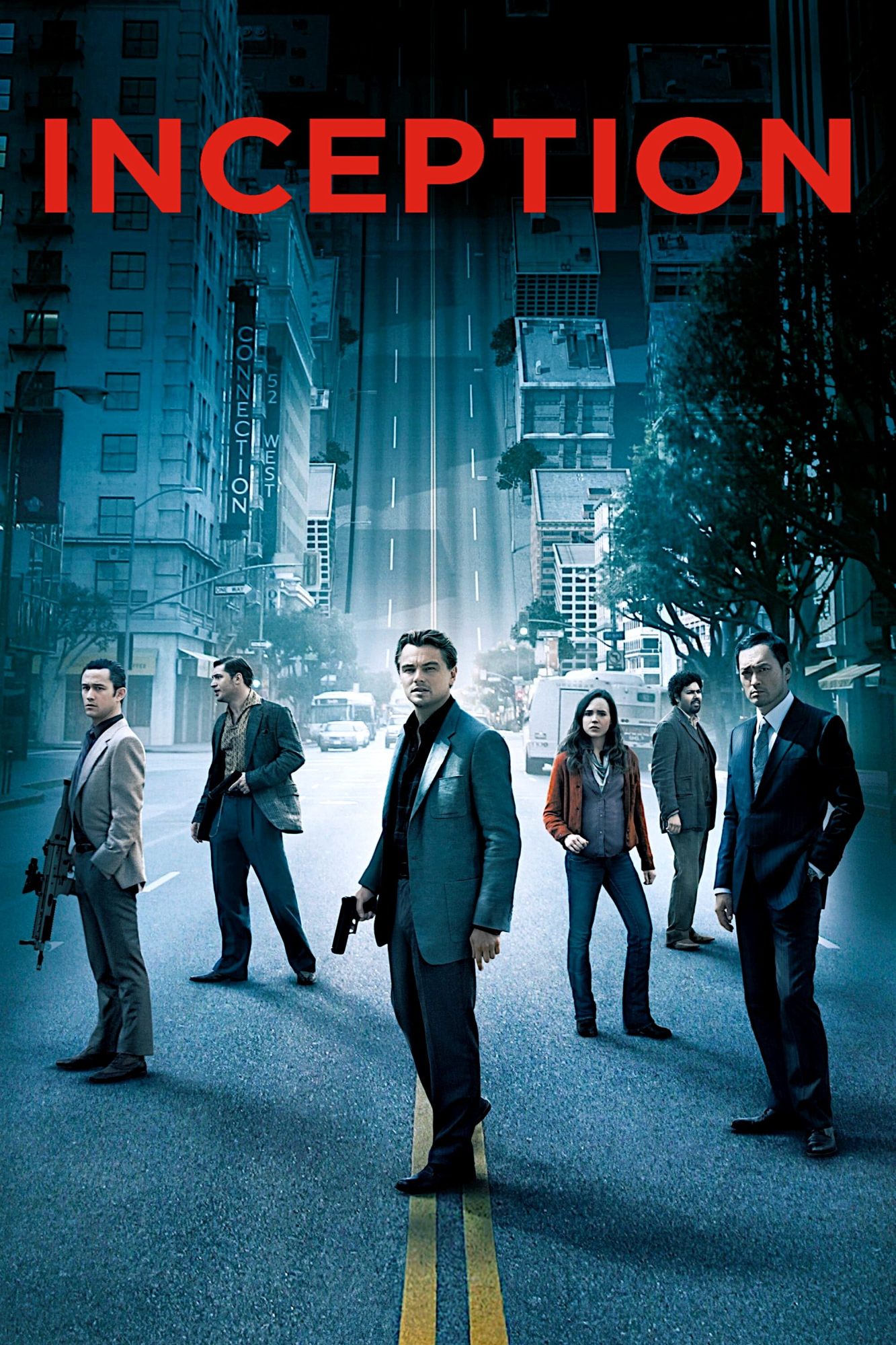
Theme Echo
Inception (2010)
Nolan folds the city and then builds the entire story out of the fold's rules; Strange folds the city as scenery for a story that would play the same in a parking lot. Watching them back to back measures the exact distance between an image and an idea.
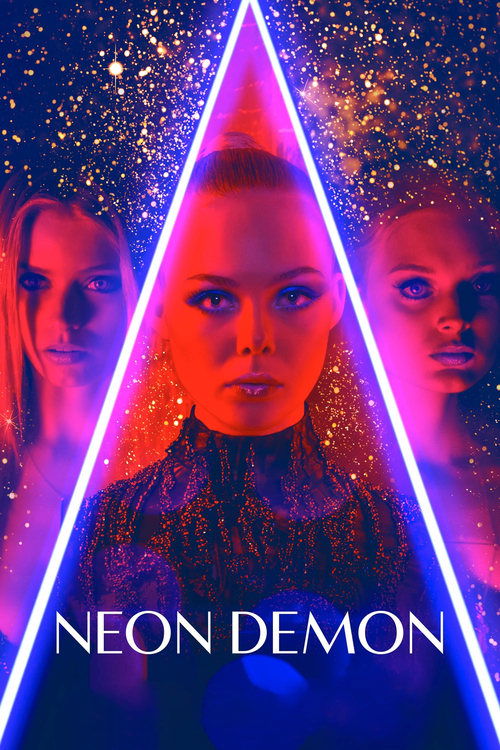
Counter-Program
The Neon Demon (2016)
Psychedelic image-making from the same year with no obligation to reassure anyone. It shows what this visual vocabulary does when the audience is not guaranteed a safe landing, which is precisely the guarantee that caps Doctor Strange.
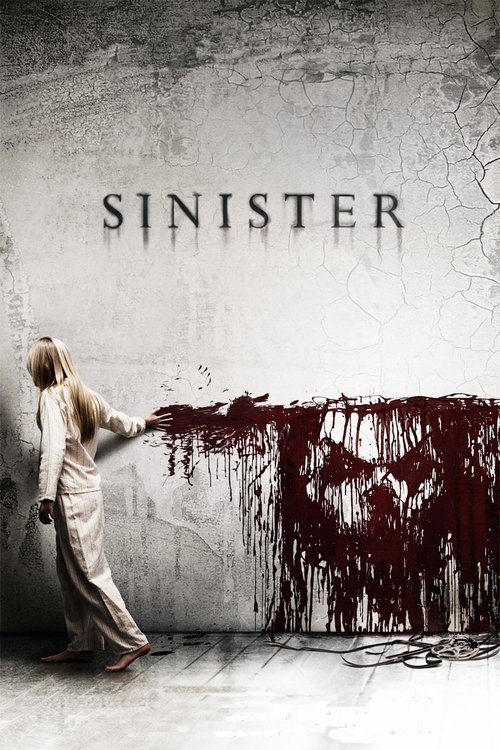
Career Context
Sinister (2012)
The dread Marvel hired and then rationed. Derrickson's best horror film runs on patience and accumulating wrongness, and the Dormammu loop is the one scene here where that director gets his hands back on the wheel.
Further Reading
More Lunara Criticism
 ★★½
★★½
Lunara Review
The Gorge — The Distance Was the Movie
Scott Derrickson's two-hander has one of the best premises of the year and the saddest relationship to it -- a film that treats the very...
Updated July 14, 2026
 ★★★★
★★★★
Lunara Review
Hail, Caesar! — Faith in the Fake
A studio fixer spends twenty-seven hours protecting lies he believes in, and the Coens mean the believing.
Updated July 25, 2026
 ★★★★
★★★★
Lunara Review
Captain America: Civil War — The Bill Comes Due
The fight everyone paid for happens at an airport; the fight the film is about happens in a bunker, between three men and a television.
Updated July 25, 2026
 ★★★★★
★★★★★
Lunara Review
Silence — The God Who Will Not Answer
Scorsese spent his whole life arguing with God; Silence is the film where he finally stops arguing and listens to the quiet on the other...
Updated July 19, 2026
 ★★★★★
★★★★★
Lunara Review
Watch trailerA.I. Artificial Intelligence
A.I. Artificial Intelligence is a fairy tale about a machine engineered to love a mother who can return that love only on her species' terms, and…
Updated August 12, 2026