

The Gorge, 2025. Apple Original Films / Skydance
The Gorge — The Distance Was the Movie
Movie Review
The distance was the love story, and the film treated it like a locked door.
A woman writes a message in grease pencil and presses it to the glass of her watchtower, and a man a mile away reads it through a rifle scope. That is the image Scott Derrickson’s The Gorge runs on, and for about an hour it is enough to power the whole picture. Two elite snipers, posted by shadowy authorities on opposite rims of a vast, fog-choked gorge, are there to guard against whatever lives at the bottom and must never be allowed out. They are forbidden to make contact. So they make contact in the only way the rules leave open: months of held breath, of gestures, of grease-pencil messages pressed to glass. And across that void, they fall in love.
Say the good part plainly, because it deserves it: that is one of the best premises of the year. Longing with a floor plan. A romance whose entire pull comes from the fact that the gap cannot be crossed, and Miles Teller and Anya Taylor-Joy are exactly the actors to carry it. Two faces built for the long lens. Two performers who can make wordless watching across a distance feel like the most charged thing a movie can show you. For roughly an hour, The Gorge is genuinely something.
Then it does the one thing it should never do. It lets them cross.
I want to be exact about why that is fatal, because it is not a small miscalculation. It is the miscalculation, the structural sin everything else follows from. The distance is not an obstacle to the love story. The distance is the love story. The rule that cannot be broken, the two people learning each other through glass and gesture, trust building slowly over an abyss: that is everything the film has, the source of all its tension and all its ache. And the film treats it as a problem to be solved. It hustles its lovers down into the gorge as fast as it can, as if the chasm were a locked door instead of the whole house, and the moment their boots hit bottom the movie has nothing left. The mystery it was withholding turns out to be ordinary. The thing in the fog turns out to be a creature feature. A singular, aching two-hander about connection under impossible conditions becomes a generic shooter: two people with rifles backing through a dark warren while digitally rendered monsters lunge out of the murk.
The climb down costs the film everything at once. Above the gorge — the towers, the forest, the fog — Dan Laustsen shoots a world with real weathered texture, the kind of physical, practically built atmosphere that makes a place feel like it has weight, and his camera clearly loves it up there. Below is fog machines and colored gels and creatures that read as conspicuously unreal no matter what they cost, a video-game basement underneath a tactile movie. Derrickson has talked about preferring practical effects and distrusting virtual environments, and there is a cruel irony waiting for him at the bottom: the most digital-looking thing in his film is the menace its entire second half exists to deliver. The Trent Reznor and Atticus Ross score keeps working, keeps reaching for a dread the images have stopped earning. Teller and Taylor-Joy keep trying. But the film has spent its premium and bought generic with the change.
What makes it hurt is how good the leads stay while the floor gives out under them. Taylor-Joy keeps finding the wounded, watchful stillness the early scenes promised: a soldier who has organized her whole life around discipline and distance, undone against every instinct by a face across a canyon. Teller matches her, looser and warmer, the romantic counterweight. Their chemistry is the one thing audiences will walk out talking about, and they will be right to talk about it, because it is the film’s only renewable resource. And the script keeps dragging them away from the thing they are extraordinary at together, which is yearning, into the thing any two actors could do, which is running from monsters.
Then the lore arrives, the explanations and the conspiracy and the what-is-really-down-here, and you can feel the movie mistaking information for revelation. Every answer it hands over makes the gorge smaller. The mystery was the point, and the mystery was the first thing it threw away.
You can see the better film flickering inside the first act. The version that keeps them apart for the whole runtime. The version that treats the chasm as inviolable and makes the entire picture about two people falling for each other across a gap neither can close, and the slow unbearable pressure of that, a film with the discipline never to let them touch. That film would have known something this genre almost never admits: that distance can be its own kind of intimacy, that the thing keeping you apart can be the thing binding you together. This is not that film. This is a film that looked at its own best idea and read it as a problem, kicked open the one door it should have kept locked, and walked everybody down into an ordinary dark.
So the disappointment here has a specific flavor, and it is sharper than the flavor of a movie that was simply bad. This is the disappointment of watching a genuinely great film exist for an hour and then get buried by the lesser one hiding inside it. It should have been awesome, and I mean that as a measurement, not a shrug, because the great version was visibly within reach. Two charismatic leads. A premise with endless tension. A score doing real work. A director who knows how to build dread. Every ingredient was on the table, and the film looked at the one that made it special, the gap, the longing, the beautiful unbearable distance, and decided it was in the way. It was never in the way. It was the way. The Gorge climbed down into its own ending and left the best version of itself standing alone in a tower, signaling across the void to no one.
Lunara Film Debrief
- Score:★★½
- Year:2025
- Where to Watch:

Theme Echo
What is this film really about — and who else has said it?
Annihilation (2018)
The descent into a beautiful, inexplicable zone done with discipline -- a film that protects its mystery all the way down where The Gorge spends its own the moment the lovers cross.
Counter Program
What is the strongest argument against it?
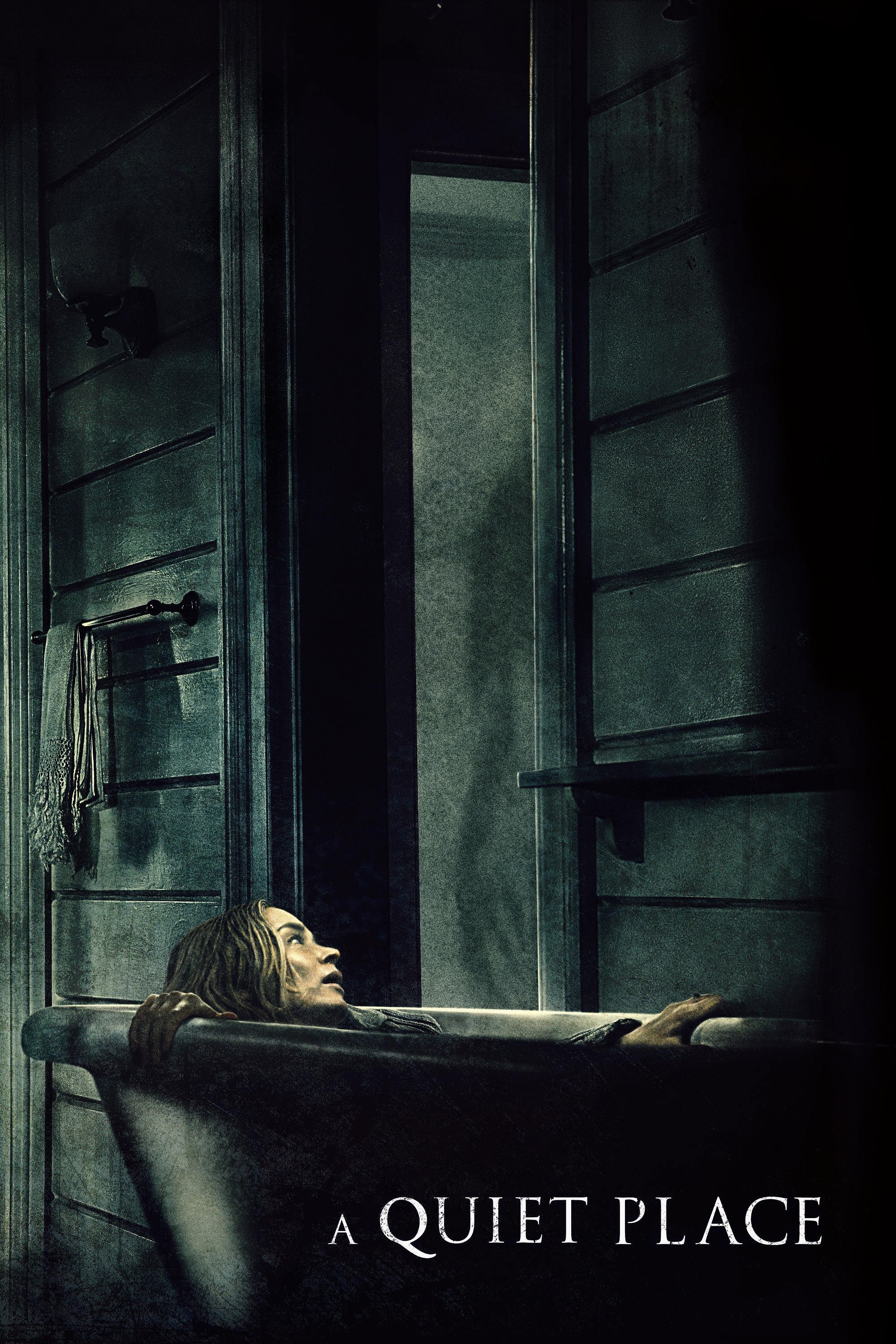
A Quiet Place (2018)
The high-concept genre film as a closed system that never once breaks its own rules; the opposite of The Gorge's impatience to abandon the premise that makes it singular.
Career Context
Where does this sit in the artist's story?
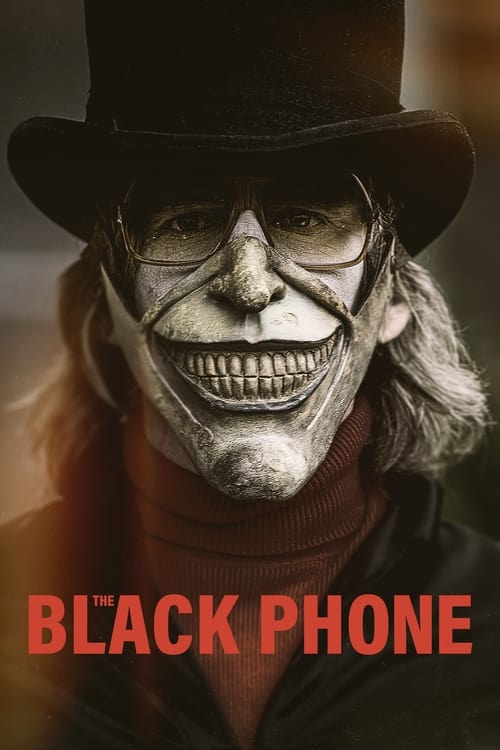
The Black Phone (2021)
Derrickson at his most controlled -- a tight, rule-bound genre machine that trusts its single idea; the discipline The Gorge has and then throws down the hole.
More Lunara Film Criticism
Further Reading
 ★★★
Lunara Film Review
Doctor Strange — The Decoration Without the Dread
The images promise a movie Marvel had never made; the script delivers the one it always makes.
Updated September 23, 2026
 ★★★½
Lunara Film Review
Den of Thieves 2: Pantera — Burn the Blueprints
The first one wanted to be Heat; this one would rather be drunk, and it turns out drunk is the more honest condition.
Updated September 23, 2026
 ★★½
Lunara Film Review
Out of Order! — The Reunion the Movie Doesn’t Know It Has
Superman and Jimmy Olsen share frames again after nineteen years, a Broadway scene-stealer plays the farce all by herself, and the screenplay never shows up to...
Updated September 23, 2026
 ★★★
Lunara Film Review
The Monkey — Laughing at the Funeral
Osgood Perkins follows the dread of Longlegs with something that looks like its opposite -- a gleeful splatter comedy about a cursed toy...
Updated September 23, 2026
 ★★★★
Lunara Film Review
In the Lost Lands — Nobody Is Doing It Like This
Paul W.S. Anderson's dark-fantasy Western is being dismissed this week as cheap-looking digital slop. It is not slop. It is a deliberately...
Updated September 23, 2026