

Den of Thieves 2: Pantera, 2025
Den of Thieves 2: Pantera — Burn the Blueprints
Movie Review
The first one wanted to be Heat; this one would rather be drunk, and drunk turns out to be the more honest condition.
The scene that tells you what Den of Thieves 2: Pantera actually is has no gunfire in it. Big Nick, wrecked and sweating, wanders into an outdoor disco on the Cote d’Azur, bathed in neon haze, half cop and half tourist, gawking like a man who has just glimpsed another planet. Christian Gudegast holds the shot long enough that you see the planet too: a world where loyalty, crime, and pleasure pour into the same glass, where the underworld feels more like home than the badge ever did. For Nick it is damnation. For the movie it is a mission statement, and I mean that as a compliment.
Here is the shape of the thing. The 2018 original was a meathead remake of Heat, and this sequel is a meathead remake of Miami Vice, and that sentence is the whole truth of the film. The first picture was all process: schematics, tactics, scuzzy Los Angeles concrete, men explaining angles of fire to other men who nodded gravely. Pantera burns the blueprints, downs a double shot, and stumbles into the club. Gudegast hauls the entire franchise to the French Riviera and lets a story about procedure be reborn as a story about intoxication. On paper that reads like a downgrade. On screen it is the most interesting decision anybody has made with this material.
He shoots the Riviera like a mirage. Glistening shorelines. Sterile clubs pulsing with electronica. Criminals in mirrored sunglasses watching other criminals through mirrored sunglasses, so that every wide shot hums with the promise of betrayal. And the cutting trims exposition down to almost nothing. You catch fragments of the preparation and never the full plan, and that opacity, the exact thing that sinks most heist movies, becomes this one’s heartbeat. The editing does not clarify. It intoxicates. Scenes crash into one another like shots lined up along a bar, and the result is incoherence, but pleasurable incoherence, the feeling of being lost on foreign streets after last call and not entirely wanting to be found. You do not track this heist. You drift inside it, a passenger strapped to somebody else’s bad decisions.
Nobody alive is better cast as that somebody than Gerard Butler. He has always been our most begrimed leading man, half swagger and half ruin, and in Pantera he gives himself over to the ruin completely. Big Nick lands in Europe fresh off a divorce, hollowed out by obsession, chasing Donnie into the orbit of the Panthers, a Balkan crew closing in on a diamond exchange. The gang is lifted from the real world, the actual Pink Panther network of Balkan jewel thieves whose true scores already read like screenplays, and the film wears that lineage casually, the way it wears everything. Butler makes decay magnetic. He guzzles liquor. He falls off a scooter with battered grace. And he eats, constantly: steak, shawarma, an ice cream cone that looks comically small in his fist, a man trying to swallow an entire new life whole. The image is simple and it lands, because Big Nick is not investigating this world. He is ingesting it. His bloodshot eyes go wide with boyish awe at rooftop parties and slivovitz toasts, and somewhere in the slurred bravado you start to suspect that manliness and brokenness are the same state wearing different jackets. This is the loosest, most alive Butler has been in years, precisely because the man he is playing is coming apart.
O’Shea Jackson Jr. holds the floor steady underneath him. His Donnie plays the long game with a sly, unhurried charm while Nick threatens to combust, and their late-night conversations, greasy food in hand, hash smoke curling, voices loosening over Balkan liquor, sound like boilerplate in summary and feel lived-in on screen: two origin stories, one badge and one crowbar, traded by men too tired to posture. The franchise’s smartest pivot is putting this friendship at the center of the picture instead of the diamonds. The score you half forget. The friendship you keep.
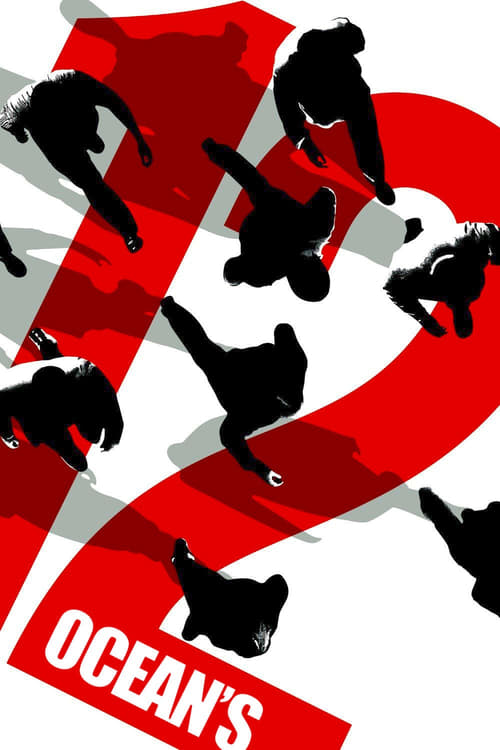
Pantera belongs to a particular family of sequels, the ones that abandon fidelity to formula in favor of vibe. Ocean’s Twelve. 2 Fast 2 Furious. Mission: Impossible 2. Films written off as indulgent on arrival and rediscovered later as fascinating detours. Like those, this one trades clarity for mood and tension for immersion, and it knows exactly which audience it is willing to lose in the bargain.
That trade is real, and it costs. Anyone who came for the first film’s fetish of process will call this a betrayal, and on the schematic level they are right: the double-crosses blur, the timeline wobbles, and at least one reversal plays less like a reveal than like the movie shrugging. There are stretches in the middle where the opacity stops feeling like a method and starts feeling like a first assembly, and the spell thins exactly there. You walk out without a story you could repeat at a bar. You walk out with a hangover instead, and the film’s bet, mostly won, is that a hangover is the truer currency for a franchise about men who mistake adrenaline for a personality. Mostly won is not entirely won. But it is won where it matters.
Because by the end, Pantera is not really about robbers and detectives. It is about the allure of losing yourself, in a scheme, in a city, in one drink too many, and about a lawman who discovers that the thing he spent his whole career hunting was a door he wanted to walk through. Sometimes collapse tells you more than control ever could. This movie orders another round and proves it.
Lunara Film Debrief
- Score:★★★½
- Year:2025
- Where to Watch:

Theme Echo
What is this film really about — and who else has said it?
Miami Vice (2006)
Mann's humid, nocturnal ode to undercover dissolution is the dream-logic blueprint Pantera borrows: a crime thriller that melts into mood and doomed intimacy, until going under and going home stop being different directions.
Counter Program
What is the strongest argument against it?
Ocean's Twelve (2004)
The same wager at the opposite temperature: Soderbergh abandons plot for play and pours champagne where Gudegast pours slivovitz. One suppresses menace, the other suppresses wit. Run them together and each film's hidden ingredient shows.
Career Context
Where does this sit in the artist's story?
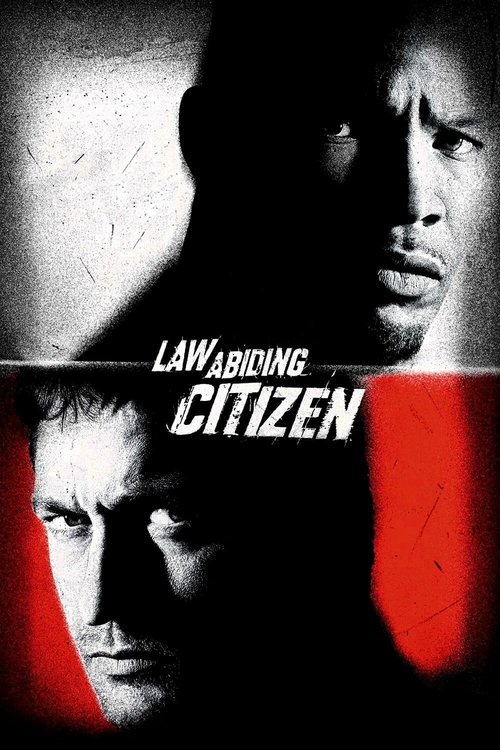
Law Abiding Citizen (2009)
The earlier Gerard Butler descent into moral chaos, less glamorous and more nihilistic, but fueled by the same conviction that ruin is riveting. Pantera is what that conviction looks like after it learns to enjoy itself.
More Lunara Film Criticism
Further Reading
 ★★½
Lunara Film Review
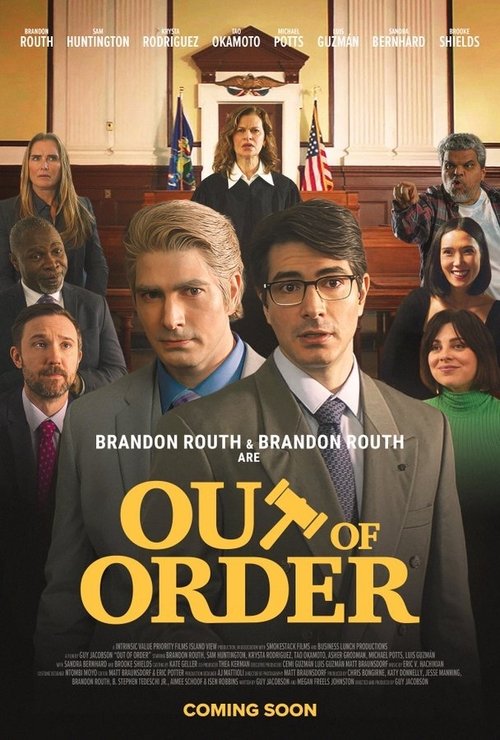
Out of Order! — The Reunion the Movie Doesn’t Know It Has
Superman and Jimmy Olsen share frames again after nineteen years, a Broadway scene-stealer plays the farce all by herself, and the screenplay never shows up to...
Updated September 23, 2026
 ★★½
Lunara Film Review
The Gorge — The Distance Was the Movie
Scott Derrickson's two-hander has one of the best premises of the year and the saddest relationship to it -- a film that treats the very...
Updated September 23, 2026
 ★★★
Lunara Film Review
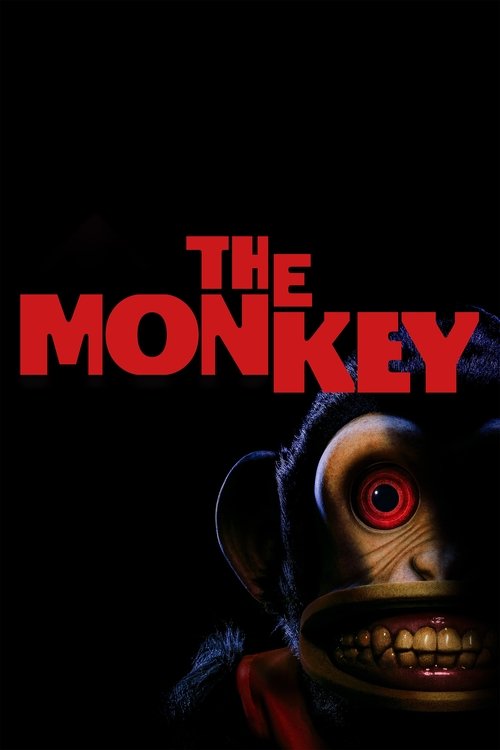
The Monkey — Laughing at the Funeral
Osgood Perkins follows the dread of Longlegs with something that looks like its opposite -- a gleeful splatter comedy about a cursed toy...
Updated September 23, 2026
 ★★★★
Lunara Film Review
Eephus — The Pitch Is the Form
Carson Lund's debut spends one long afternoon watching a meaningless recreational baseball game on a field that is about to be demolished...
Updated September 23, 2026
 ★★★★
Lunara Film Review
In the Lost Lands — Nobody Is Doing It Like This
Paul W.S. Anderson's dark-fantasy Western is being dismissed this week as cheap-looking digital slop. It is not slop. It is a deliberately...
Updated September 23, 2026