
Lunara Review
In the Lost Lands — Nobody Is Doing It Like This
Paul W.S. Anderson's dark-fantasy Western is being dismissed as cheap digital slop. It is not slop. It is a deliberately artificial, painterly, hand-built dream of a world -- and the gap between what the consensus sees and what is on the screen is the whole argument.

Paul W.S. Anderson’s dark-fantasy Western is being dismissed this week as cheap-looking digital slop. It is not slop. It is a deliberately artificial, painterly, hand-built dream of a world — and the gap between what the consensus sees and what is actually on the screen is the whole argument.
Here is the thing the pans are missing, and they are missing it because they have decided in advance what they are looking at. In the Lost Lands looks unreal. The skies are too saturated, the ruined cities too perfectly composed, the light too soft and hazy and golden, the whole world tipped a few degrees out of photographic reality and into something closer to an illustration. And the critical consensus has taken one look at that artificiality and filed it under cheapness — bad green screen, lazy CGI, a budget failing to stretch. That reading is not just uncharitable. It is wrong about what the movie is doing, and it mistakes a choice for an accident. Paul W.S. Anderson did not fail to make this world look real. He succeeded, completely, in making it look like a painting, and the difference between those two sentences is the difference between dismissing this film and seeing it.
Adapting a George R.R. Martin short story, Anderson sends a sorceress named Gray Alys (Milla Jovovich) into a cursed wilderness to retrieve a shapeshifting werewolf power for a queen, accompanied by a laconic gunslinging hunter named Boyce (Dave Bautista). That is the engine: a witch and a Western drifter crossing a blasted, beautiful, post-apocalyptic frontier where fantasy and the spaghetti Western have been melted together into a single strange alloy. It is pulp, openly and proudly. It moves like pulp, talks like pulp, and resolves like pulp. What elevates it — what makes it, to my eye, one of the most distinctive-looking studio-scale films of the moment — is that Anderson has poured all of his considerable craft into a visual register almost no one else working at this budget would dare, because almost no one else trusts artifice the way he does.
Anderson has been candid about the lineage, and once you hear it the film snaps into focus. He has called it the graphic novel that Hieronymus Bosch never wrote. He has named the Frank Frazetta paperback covers and the airbrushed apocalypses of Heavy Metal magazine as his visual scripture. This is a film built by a man who grew up worshipping a specific kind of lurid, hand-painted, hyper-saturated fantasy art and who has spent his career figuring out how to make a camera produce it. The worlds were built before the actors arrived, rendered and lit and composed as deliberate compositions, and then the performances were dropped into them. That is not the workflow of a director cutting corners. That is the workflow of a director who thinks of every frame as a panel. The artifice is the authorship. To complain that it does not look real is to complain that a painting is not a photograph.
And here is where the consensus exposes its own double standard. We have celebrated this exact aesthetic before — the comic-book-page-brought-to-literal-life, the world that announces its own unreality as style — when a more fashionable director did it in stark monochrome and called it cool. The same critics who would praise that approach as bold formalism look at Anderson’s saturated, painterly version and call it ugly, and the only difference I can locate is reputation. Anderson does not get the benefit of the auteurist doubt, because he is the genre-movie lifer, the maker of video-game adaptations, the man it is socially safe to dismiss. So the same gesture that reads as vision from a sanctioned artist reads as incompetence from him. That is not criticism. That is a caste system.
Jovovich is the reason the film has a soul under its surfaces, and the reason runs deeper than the role. She and Anderson have been making films together for more than two decades, married collaborators who have built an entire shared cinematic language across six features, and you can feel that history pressing on Gray Alys. Anderson shoots Jovovich the way you photograph someone you have looked at for twenty years and never gotten tired of — with patience, with reverence, with total trust that her face can carry a scene that the dialogue only sketches. The bond that develops between Alys and Boyce, two scarred solitary people recognizing something durable in each other across a dead world, plays as more than a plot beat once you know that the director and his leading lady are themselves a long partnership that outlasted the industry’s predictions. The movie is, among other things, a love letter shot in werewolf country. Bautista, for his part, keeps doing the thing that has quietly made him one of the more reliable presences in genre film — using his enormous physicality as a frame for an unexpected gentleness, a big man playing tired and kind.
I am not going to pretend it is flawless. The pulp dialogue clanks in places, the plotting is more functional than inspired, and the film asks you to meet it more than halfway on its own deliberately heightened terms. If you cannot get on the wavelength of its artifice — if the unreality reads to you as a barrier rather than an invitation — there is nothing here that will convert you, and the movie will simply look like the thing the consensus says it is. That gap is real, and I am not going to insult anyone who falls on the other side of it. But I fell on this side, hard, because what Anderson is offering is so rare and so committed: a fully realized, hand-built, unapologetically artificial fantasy world made by someone who loves this stuff in his bones and refuses to be embarrassed by it.
Anderson has said, with the weary good humor of a man who has been here before, that he is used to his films being dismissed on release and then quietly reclaimed a decade later, and that this time he would really rather you just watch it now. So let me do my small part and say it now, this week, while the verdict is still hardening against him: nobody is doing it like Paul W.S. Anderson. Nobody is building worlds this strange and this sincere at this scale, this defiantly out of step with what a 2025 fantasy movie is supposed to look like. In the Lost Lands is a singular, beautiful, willfully artificial thing, and a decade from now, when the reappraisal arrives on schedule, the people writing it will wonder how the rest of us looked at a painting and saw only a budget. I am not waiting ten years. The vision is on the screen right now. You just have to be willing to see a frame as a canvas.
LUNARA DEBRIEF
- Score:★★★★
- Year:2025
- Where to Watch:
Pair It With
Three films in conversation with this one.
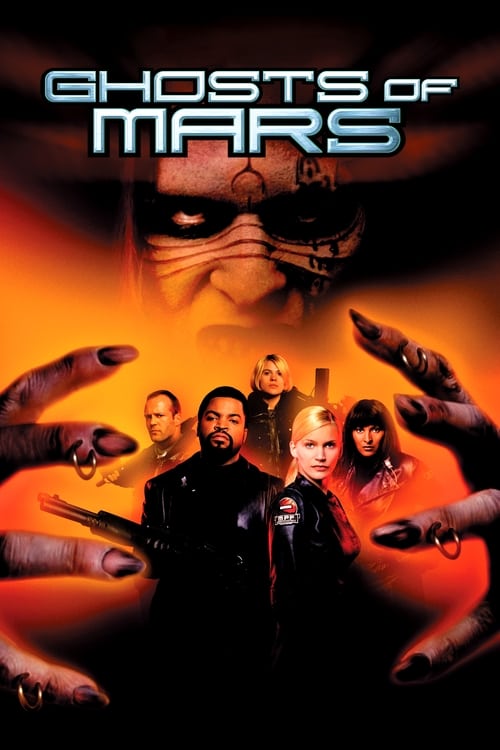
Theme Echo
Ghosts of Mars (2001)
Carpenter's late-career genre-amalgam -- Western and horror and pulp melted together, dismissed on arrival and reclaimed since; the clearest cousin to what Anderson is doing, and a reminder that this kind of unfashionable conviction tends to age into vision.
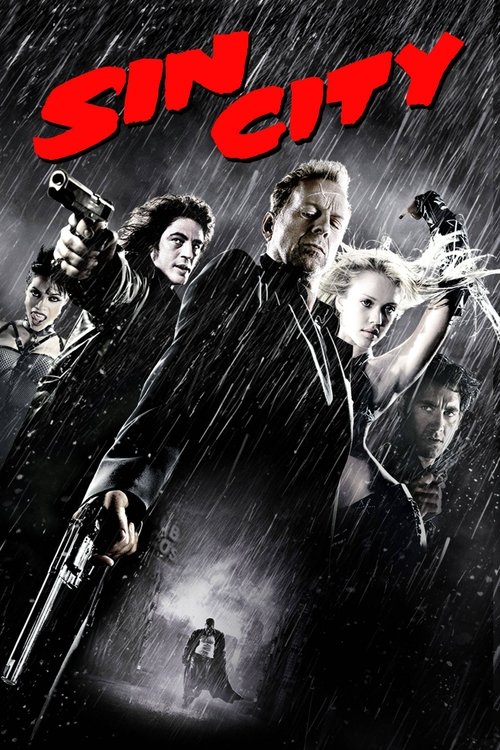
Counter-Program
Sin City (2005)
The comic-panel-brought-to-literal-life aesthetic critics embraced as bold formalism -- the exact gesture In the Lost Lands gets panned for; pair them and the double standard becomes the argument: the same artifice, opposite verdicts, sorted by reputation.

Career Context
Resident Evil (2002)
The origin of the Jovovich/Anderson partnership -- the married collaborators whose shared language now stretches across two decades; the Alys/Boyce bond is the latest, most autobiographical chapter of it.
Further Reading
More Lunara Criticism
 ★★★½
★★★½
Lunara Review
Den of Thieves 2: Pantera — Burn the Blueprints
The first one wanted to be Heat; this one would rather be drunk, and it turns out drunk is the more honest condition.
Updated July 25, 2026
 ★★½
★★½
Lunara Review
Out of Order! — The Reunion the Movie Doesn’t Know It Has
Superman and Jimmy Olsen share frames again after nineteen years, a Broadway scene-stealer plays the farce all by herself, and the screenplay never shows up to...
Updated July 25, 2026
 ★★½
★★½
Lunara Review
The Gorge — The Distance Was the Movie
Scott Derrickson's two-hander has one of the best premises of the year and the saddest relationship to it -- a film that treats the very...
Updated July 14, 2026
 ★★★
★★★
Lunara Review
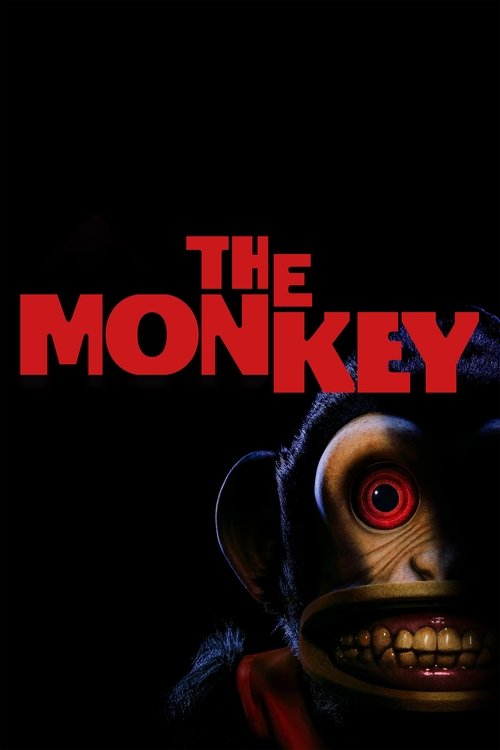
The Monkey — Laughing at the Funeral
Osgood Perkins follows the dread of Longlegs with something that looks like its opposite -- a gleeful splatter comedy about a cursed toy...
Updated August 12, 2026
 ★★★★
★★★★
Lunara Review
Eephus — The Pitch Is the Form
Carson Lund's debut spends one long afternoon watching a meaningless recreational baseball game on a field that is about to be demolished...
Updated July 14, 2026