
Lunara Review
Judas and the Black Messiah — The State Buys a Seat at the Table
Shaka King films an assassination the way the government conducted it: as paperwork.

Shaka King films an assassination the way the government conducted it: as paperwork.
The scariest scenes in Judas and the Black Messiah happen in nice restaurants. White tablecloth, good steak, a courteous FBI man named Roy Mitchell explaining to the young car thief across from him that the Panthers and the Klan are two sides of the same coin, and sliding an envelope over the linen. Jesse Plemons plays Mitchell with the mild, reasonable warmth of a mortgage officer, and that is the film’s sharpest insight: the operation that killed Fred Hampton did not look like violence for most of its operation. It looked like dinner. It looked like a friendship with expenses paid. William O’Neal took the envelope to stay out of prison, kept taking it, and eighteen months later drew the floor plan of the apartment where Chicago police, guided by that map, fired more than ninety rounds into a home and shot a drugged, sleeping twenty-one-year-old twice in the head at point-blank range. Shaka King’s film is the account of how a state converts a man into a floor plan, and its horror is administrative from first frame to last.
Daniel Kaluuya won every award in reach for his Hampton, and the performance earns them from two directions at once. On stage, he is fire scaled like weather: the voice dropping into that preacher’s cadence, I am a revolutionary shouted call-and-response until the hall becomes one organism, Sean Bobbitt’s camera low-angled beneath him so the man seems built out of the crowd’s own upturned faces. But the film’s real argument for Hampton lives in the quiet register Kaluuya plays between speeches: the shy, deliberate young man reciting poetry to Deborah Johnson, brokering peace between rival gangs with patient logic, building free breakfast programs and a Rainbow Coalition across race lines. King’s point is precise. It was the second Hampton, the builder, the coalition-maker, that the Bureau’s memos flagged as the threat; Hoover’s stated nightmare was not violence but a messiah who could unify. The film keeps receipts: the breakfast programs, the clinic plans, the alliance-building are all on screen, so that when the state calls this man a threat to national security, the audience has already seen exactly what kind of threat he was. The kind that feeds children.
LaKeith Stanfield has the harder role and gives the film its rotting center. His O’Neal is a man of no politics whatsoever, a hustler whose genius is reading rooms, and Stanfield plays the informant years as a slow suffocation of the face: the laugh a half-second late, the eyes doing inventory of exits, the physical misery of a man eating steak with the people planning his friends’ deaths and going home to the friends. The film’s tensest scenes are not action; they are proximity, O’Neal holding the security-captain post that lets him stand beside the man he is selling. King and Bobbitt shoot the Panther offices in warm, crowded amber and the Bureau’s spaces in cold institutional planes, and O’Neal shuttles between the palettes like a man crossing a border twice a day with contraband in his chest.
The honest limit is the one the film’s own structure creates. Caught between its messiah and its Judas, the movie gives O’Neal’s exterior everything and his interior almost nothing: past the initial leverage, the film never quite dramatizes why he stays, fear, money, self-deception, some ruined loyalty, and at the exact moments the Judas story needs a soul to weigh, it offers behavior instead. Stanfield fills the silence with craft, but the script keeps the character at documentary distance. The result is a film that understands its martyr completely and its traitor only from the outside, which is the difference between this and the very greatest betrayal narratives.
The assassination sequence closes the case on King’s method. No shootout grammar, no score swelling toward tragedy: the raid is staged as procedure, flashlights and rifle fire through drywall, and then the overhead shot, the camera looking straight down through the apartment like a reader checking O’Neal’s diagram against results. Deborah Johnson, nine months pregnant, is walked out past the bed. Two officers confer over the wounded Hampton; two more shots; a voice says he’s good and dead now. The film then hands its ending to the record: the real O’Neal, in his 1989 interview footage, defending himself with a shrug about being part of the struggle, and the title cards, the two dollars a jury valued Hampton’s life at, the decades before any accountability. King made a period film that never once feels safely period, because its subject is not 1969. Its subject is the procedure, and the procedure outlived everyone at the table.
LUNARA DEBRIEF
- Score: 5 / 5
- Year: 2021
- Where to Watch: Streaming (Max) | VOD (major platforms)
- Theme Echo: The Assassination of Jesse James by the Coward Robert Ford (2007) tt0443680. The other great American film about the man standing next to the legend, killing him, and spending the rest of his life as a footnote to the corpse. Both films know the Judas story is a celebrity story: proximity curdling into erasure.
- Counter-Program: The Trial of the Chicago 7 (2020) tt1070874. The same city, the same years, the same Hampton, rendered as courtroom uplift with the horror cropped out. Sorkin’s film believes the system’s conscience can be argued awake; King’s film shows the system sleeping soundly through ninety rounds. Watching both is a lesson in what a frame excludes.
- Career Context: Widows (2018) tt4218572. Sean Bobbitt shooting Chicago’s power structure from another angle, politics, policing, and money laundered through respectable rooms. The visual grammar King borrows, institutional spaces as quiet menace, was sharpened here.
LUNARA DEBRIEF
- Score:★★★★★
- Oscar Ledger6 nominations • 2 wins
- Year:2021
- Where to Watch:
Pair It With
Three films in conversation with this one.

Theme Echo
The Assassination of Jesse James by the Coward Robert Ford (2007)
The other great American film about the man standing next to the legend, killing him, and spending the rest of his life as a footnote to the corpse. Both films know the Judas story is a celebrity story: proximity curdling into erasure.

Counter-Program
The Trial of the Chicago 7 (2020)
The same city, the same years, the same Hampton, rendered as courtroom uplift with the horror cropped out. Sorkin's film believes the system's conscience can be argued awake; King's film shows the system sleeping soundly through ninety rounds. Watching both is a lesson in what a frame excludes.
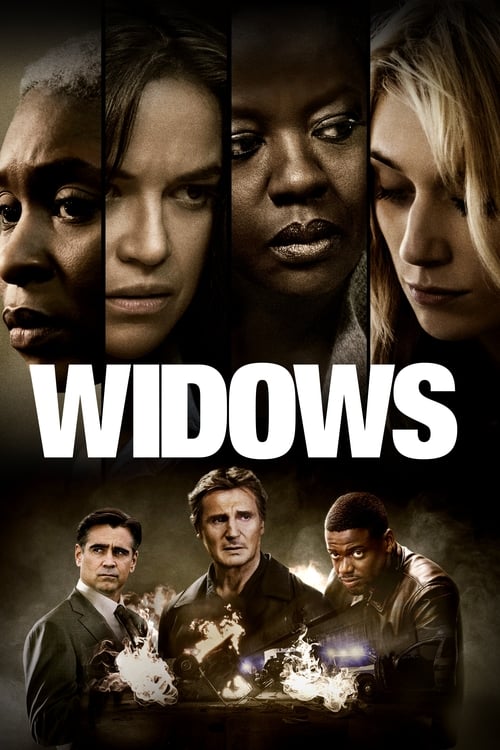
Career Context
Widows (2018)
Sean Bobbitt shooting Chicago's power structure from another angle, politics, policing, and money laundered through respectable rooms. The visual grammar King borrows, institutional spaces as quiet menace, was sharpened here.
Further Reading
More Lunara Criticism
 ★★★★
★★★★
Lunara Review
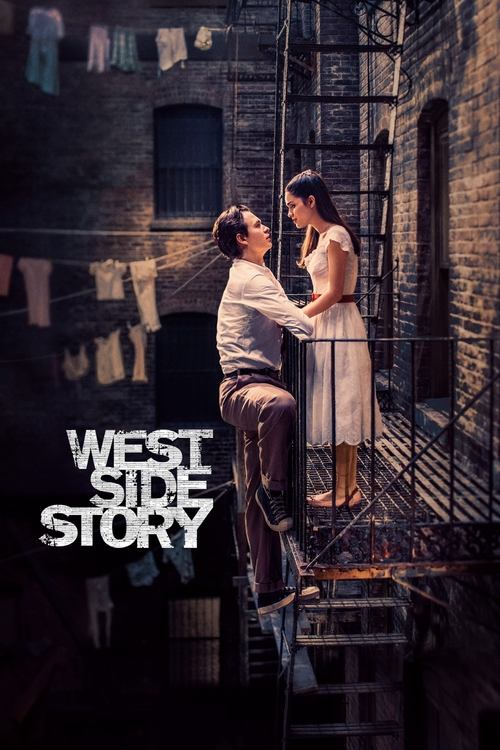
West Side Story — The Camera Finally Dances
Spielberg waited fifty years to move a camera through a song, and the hunger is visible in every frame.
Updated July 25, 2026
 ★★★★★
★★★★★
Lunara Review
Titane — Family Is a Choice Made in the Dark
Julia Ducournau's Palme d'Or winner is sold as the car movie; it is actually the decade's strangest film about adoption.
Updated July 25, 2026
 ★★★★½
★★★★½
Lunara Review
The Worst Person in the World — The Luxury of Not Deciding
Joachim Trier freezes all of Oslo so one woman can run through it, and then makes her pay for the privilege.
Updated July 25, 2026
 ★★★★★
★★★★★
Lunara Review
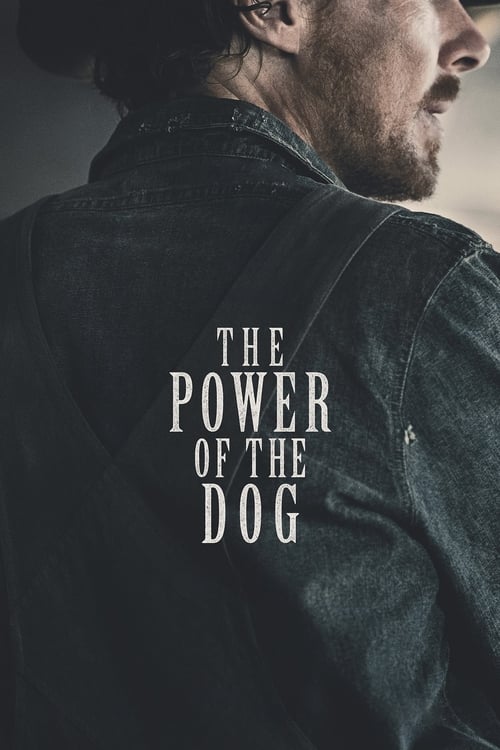
The Power of the Dog — The Quietest Person in the Room
A Western where nobody draws a gun, and the deadliest act in it looks exactly like kindness.
Updated July 25, 2026
 ★★★★★
★★★★★
Lunara Review
The Green Knight — Honor Is What You Do With No One Watching
David Lowery films the old poem as an ordeal: a man rides for a year toward an axe he agreed to.
Updated July 25, 2026