

The Green Knight, 2021
The Green Knight — Honor Is What You Do With No One Watching
Movie Review
Honor is not what the court applauds. It is what you do at the chapel, alone, when the blade starts to fall.
It begins with a game that only sounds like a riddle. Christmas Day at Camelot, and a stranger made of wood and vine rides into the hall with an offer: any knight may land one free blow, so long as he rides to the Green Chapel in a year and takes the same blow back. The hall goes quiet, and you understand the silence, because everyone in that room can do the arithmetic. Then Gawain steps forward. The king’s nephew. A young man with noble blood and nothing to show for it, who woke up that morning in a brothel. He takes the creature’s head off in one swing, and the Green Knight picks the head up off the floor, laughs with it, and rides out with two words that will eat the rest of the movie: one year.
Here is what breaks my heart about that scene. Gawain wanted a story of his own. What he got was an appointment. David Lowery’s The Green Knight spends two hours letting a man discover the difference, and the discovery is terrible, because there is no version of it that does not cost him. Keep your word and die. Break it and live, forever, inside whatever is left of you afterward. The film weighs those two terrors against each other and never once pretends the scale is easy to read.
Dev Patel builds the whole performance out of what is missing. There is no steel under that handsome face. Watch him fumble with his own armor. Watch how uneasily he sits a horse. He takes the challenge not out of courage but out of panic, a young man lunging at significance because the shame of insignificance has finally become unbearable, and Patel lets you see the lunge for what it is. Then the road to the chapel starts taking things away from him. Barry Keoghan turns up as a scavenger in a corpse-strewn field, all darting friendliness, and in a single scene relieves Gawain of horse, axe, and sword; Lowery holds the shot of the trussed “knight” wriggling in the mud until the word knight starts to sound like a joke told at his expense. Alicia Vikander plays two women, Essel, the lover whose tenderness Gawain cannot bring himself to dignify with a promise, and the Lady of the castle, whose seduction is an essay question he flunks. The doubling is the film quietly telling you something true: every temptation on this road is the same temptation. Comfort, in exchange for the quest itself.
And all the while the green sash rides on his waist. His mother’s charm against the killing blow, and the real villain of the piece. A strip of cloth that whispers he can keep his honor and his head both, when the entire year has been arranged to make him choose.
Lowery shoots the journey like liturgy. Andrew Droz Palermo photographs medieval Britain the way a painting looks after it has been left out in the rain: light strained through fog and moss, greens so saturated they seem to be watching you, every castle and hovel in the frame already half swallowed by the land around it. The camera moves at the pace of a procession, not a chase. Daniel Hart’s score hums underneath like something buried, old instruments processed down into drones, and when Ralph Ineson’s Knight finally speaks, the voice does not sound like a man talking. It sounds like a mountain deciding to. The film’s whole sensory case is simple and cold: the natural world does not care about Gawain’s quest, or his code, or his name. Chivalry is the noise men invented to shout over that silence, and the movie photographs the silence patiently until you feel it too.
The center of the film has no dialogue at all, and I will not soften it, though I will keep the edges vague for anyone still unspoiled. At the chapel, with the blade coming down, Gawain flinches and runs, and Lowery simply lets him go. What follows is an entire coward’s lifetime compressed into minutes of sickly, draining montage: home, crown, a stolen son, a purchased queen, a besieged hall, every scene resting on that first compromise the way floors rest on a cracked foundation. This is not a warning. It is a diagnosis, cowardice spreading through a biography, and when the film snaps back to the kneeling present and Gawain pulls the sash from his waist, the small gesture carries the weight of a whole discarded life. Well done, my brave knight, the creature says, lowering a hand to the boy’s cheek. Now, off with your head. Cut to black. The outcome was never the point. The decision was. A story about integrity can only end honestly in one place, the instant before consequence, because that instant is where integrity actually lives.
The price of all this should be stated plainly. This is myth as incantation, not adventure, and if you come to it wanting narrative hand-holding, its riddles will land as obscurity for its own sake. That is a fair charge against a film that trusts image over explanation at every single fork, and it split audiences clean down the middle and always will. But if you are one of the people it splits toward, you get one of the decade’s great objects of contemplation: a movie that treats myth the way myth deserves to be treated, as a mirror that shows you not the hero you wish you were but the frightened person you are, trying to find the courage to hold still. Greatness, the film says, is not the absence of fear. It is the decision that arrives after fear has had its full say.
Lunara Film Debrief
- Score:★★★★★
- Year:2021
- Where to Watch:DigitalFind Digital OptionsAvailabilityA24 4K UHD (Palermo's shadows demand the bitrate)

Theme Echo
What is this film really about — and who else has said it?
Excalibur (1981)
Boorman's Arthurian opera, armor glowing green, the legend played at full pageant volume, is exactly the vision Lowery is taking apart with mud and moss. The finest Arthurian film before this one, and its temperamental opposite; watch them together and you have the two ends of what the story can be.

Counter Program
What is the strongest argument against it?
Monty Python and the Holy Grail (1975)
The same discovery, that knights are frightened men in borrowed identities, reached through absurdity instead of dread. Both films are right about Camelot, which is the joke in one and the tragedy in the other.

Career Context
Where does this sit in the artist's story?
A Ghost Story (2017)
Lowery's earlier meditation on time and insignificance, with the same patience and the same faith that a held shot becomes a different shot if you decline to cut. The sheeted ghost and the sashed knight are siblings: both waiting out the centuries to learn what they were.
More Lunara Film Criticism
Further Reading
 ★★★★
Lunara Film Review
West Side Story — The Camera Finally Dances
Spielberg waited fifty years to move a camera through a song, and the hunger is visible in every frame.
Updated September 23, 2026
 ★★★★★
Lunara Film Review
Titane — Family Is a Choice Made in the Dark
Julia Ducournau's Palme d'Or winner is sold as the car movie; it is actually the decade's strangest film about adoption.
Updated September 23, 2026
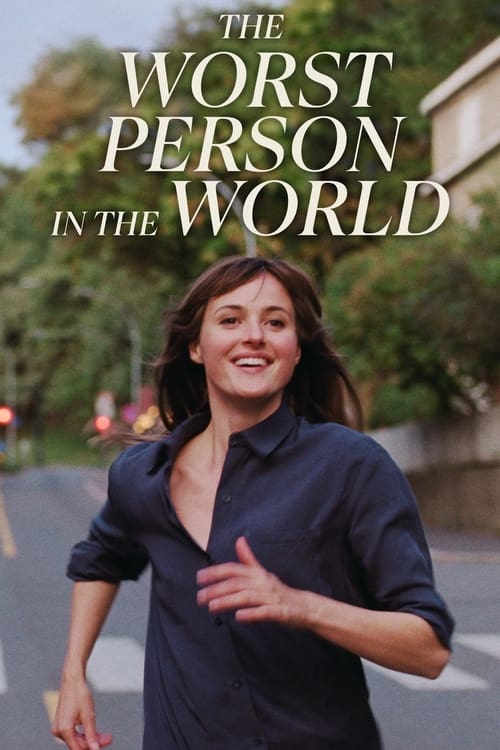 ★★★★½
Lunara Film Review
The Worst Person in the World — The Luxury of Not Deciding
Joachim Trier freezes all of Oslo so one woman can run through it, and then makes her pay for the privilege.
Updated September 23, 2026
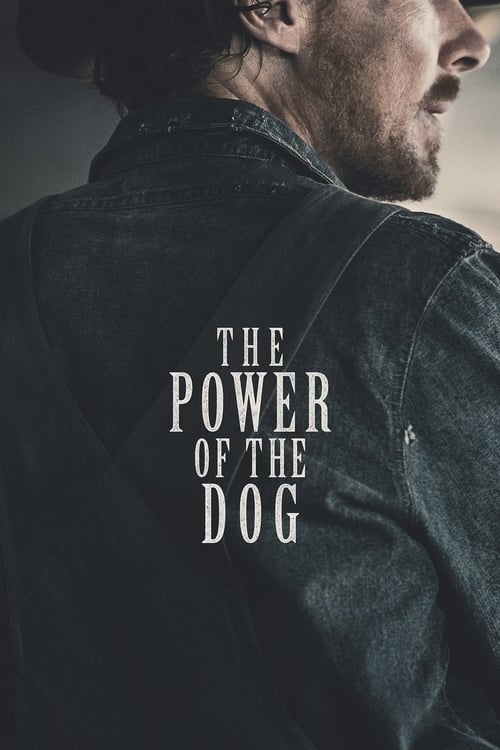 ★★★★★
Lunara Film Review
The Power of the Dog — The Quietest Person in the Room
A Western where nobody draws a gun, and the deadliest act in it looks exactly like kindness.
Updated September 23, 2026
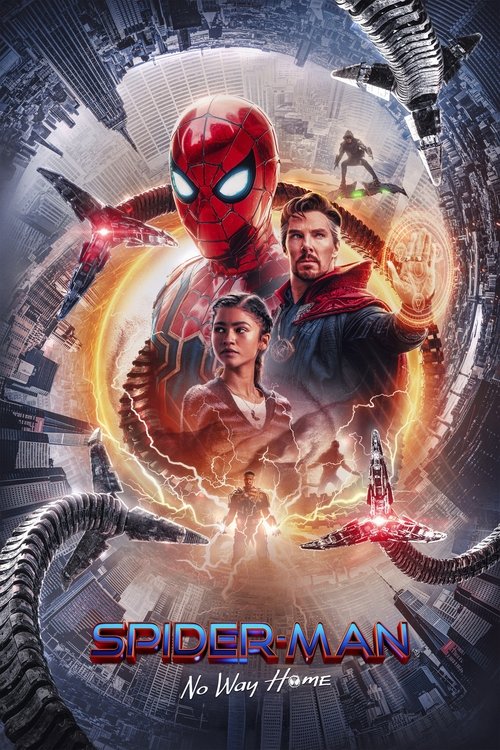 ★★★★
Lunara Film Review
Spider-Man: No Way Home — The Machine Has a Heart
The most cynical business plan in franchise history somehow produced a real movie about grief; the tears are genuine even if the till is open.
Updated September 23, 2026