

Maestro, 2023
Maestro — The Costume Fits, the Man Is Missing
Movie Review
Bradley Cooper trained six years to conduct six minutes, and those six minutes are the only time his film ever meets its subject.
Ely Cathedral, 1973. Leonard Bernstein stands before the London Symphony Orchestra with the finale of Mahler’s Resurrection Symphony bearing down on him, and for six unbroken minutes Maestro becomes the film it has spent two hours trying to be. Cooper trained for six years so he could conduct this sequence himself in a single sustained take, and inside it he vanishes. Sweat sheets off him. The body stops directing the music and starts being carried by it. The camera drifts across choir and strings and keeps returning to a face that has finally stopped auditioning. The sound design opens up until Mahler fills the theater, the distance between you and the man on the podium collapses, and something real walks in at last. The prosthetics stop mattering. The imitation stops mattering. A person is present, completely and without self-consciousness, inside the one thing that ever made him present. It is one of the great individual sequences of the decade. It is also the film’s entire case for itself, because nothing on either side of it gets anywhere close to the man conducting.
That gap is the movie. Cooper’s second feature as director is a technical wonder and an emotional frustration at the same time, a biopic that masters every surface of Bernstein’s life while holding the camera at exactly the distance where you can see the costume and never the man inside it. The gestures are right. The vocal cadences are right. The cigarettes are right, and Kazu Hiro’s old-age prosthetics are genuinely startling, the rare movie makeup that reads as flesh instead of latex. Cooper and co-writer Josh Singer build the film as a love story rather than a music story, running from Bernstein’s overnight 1943 Philharmonic debut through his marriage to Felicia Montealegre and his closeted affairs, with the music demoted to weather, the thing filling every room he enters and every silence he leaves behind. That is a defensible idea. On screen it keeps skating, because forty-five years is too much life for two hours of film, and what gets cut is the connective tissue. The movie moves as a chain of expertly staged episodes about a man it never sits still long enough to know. You keep waiting for the scene where somebody just stays in the room. It never comes.
The revelation, and the film’s true center of gravity, is Carey Mulligan. Her Felicia is elegant, furious, and heartbroken in registers the screenplay barely makes room for, and Mulligan fills every hole the writing leaves as though hole-filling were the job she was hired to do. She is not doing an impression of Felicia Montealegre. She is playing a woman being slowly erased by her husband’s public myth, and she plays the erosion in real time, in the way her stillness hardens across the years. The Thanksgiving argument is the film’s dramatic summit: one sustained take, Felicia finally saying what years of discretion have swallowed while a giant Snoopy balloon drifts past the window behind them, absurdity and devastation sharing a single frame. The precision of her work in that scene makes Cooper’s elaborately built Bernstein look effortful beside her. And her accusation lands like the movie reviewing itself. Lenny has become his own audience, she tells him. So, too often, has the film about him.
The most eloquent storytelling here is optical. Matthew Libatique shoots the 1940s and 50s in high-contrast black and white at the boxy Academy ratio, pure studio-era glamour, Mulligan stepping off a night bus like a frame lifted from a prestige picture of the period. Color arrives with the 60s while the frame stays boxed in. By the 1980s the image has stretched to full widescreen, the frame growing roomier exactly as Bernstein’s world empties out, loss given more and more space to echo in. It is the finest cinematography of the year, and Libatique carries the conceit with total confidence. But it serves a screenplay that keeps pointing at its own question without ever answering it: whether the public genius and the private torment could be pried apart at all, whether the performance of being Leonard Bernstein finally ate whatever was underneath. The film about a performance never locates the person, and that failure is structural, not a stumble. Every scene is a performance. Only the cathedral is a life.
Which turns out to be the truth the film tells by accident. What stays with you after the credits is the silence after Ely, the walk back down into domestic wreckage after transcendence, and the recognition that Bernstein’s tragedy was not choosing music over love. It was that music gave him something love never could: complete, unguarded presence. Cooper’s first film understood performance as self-destruction from the inside. This one builds a beautiful container with something missing at the center, and the missing thing is the reason biopics exist at all. There is plenty to admire, and I mean that without irony: Mulligan, who deserves the Oscar for this; Libatique’s images; six minutes at Ely worth the ticket on their own. But the whole comes out smaller than the sum of its extraordinary parts, and the man at the podium leaves the film the way he entered it, magnificently dressed and never quite met.
Lunara Film Debrief
- Score:★★★½
- Oscar Ledger7 nominations • 0 wins
- Year:2023
- Where to Watch:
Theme Echo
What is this film really about — and who else has said it?
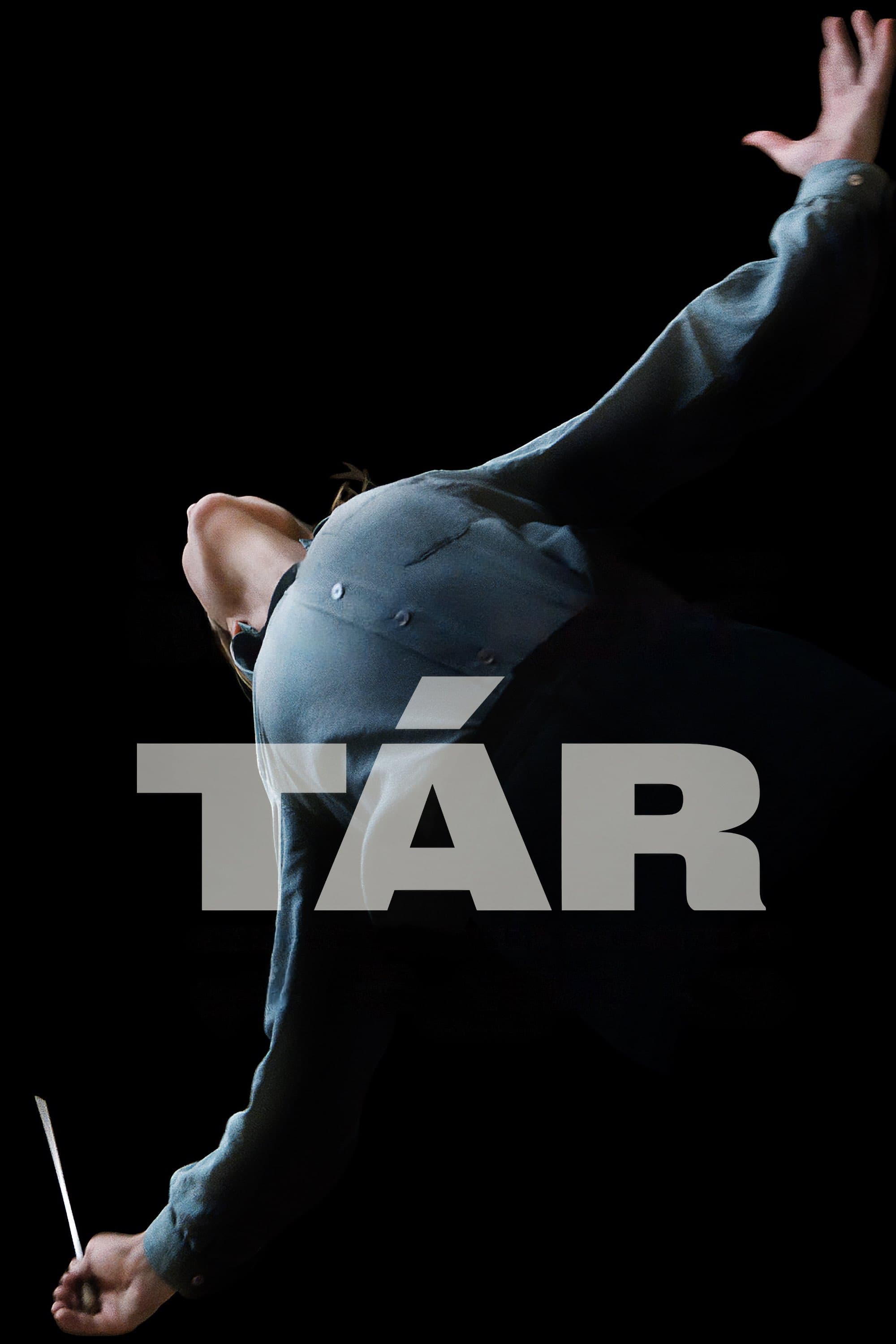
Tar (2022)
The other conductor picture of the era and its dark twin. Field burrows into the mythology and shows you the rot from inside; Cooper photographs the mask from the outside and calls it portraiture. Watch them back to back and you get the clearest measure of what Maestro declines to attempt.

Counter Program
What is the strongest argument against it?
Amadeus (1984)
Forman cracked the genius-biopic problem by handing the story to a rival, letting an outsider's jealousy become the audience's way in. It is the structural key Maestro needed and never found.

Career Context
Where does this sit in the artist's story?
A Star Is Born (2018)
Cooper's debut, where performance-as-self-erasure landed with the direct emotional force that Maestro's formal ambition holds at arm's length. The first film feels; the second one frames. The distance between them is this film's review.
More Lunara Film Criticism
Further Reading
 ★★★★½
Lunara Film Review
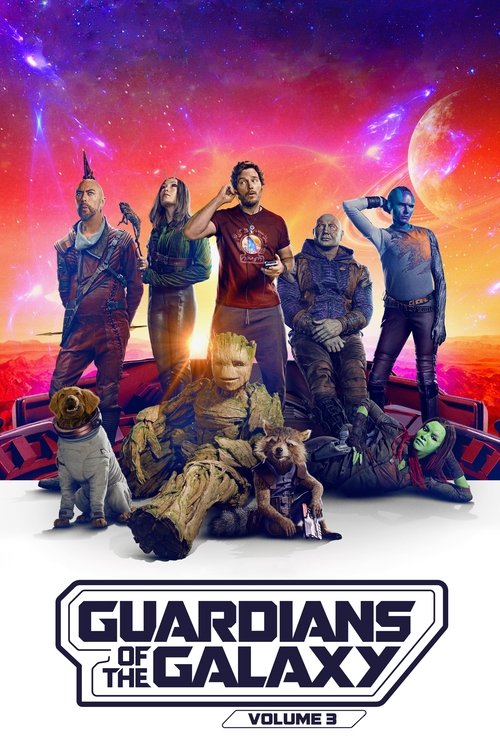
Guardians of the Galaxy Vol. 3 — The Wound Under the Fur
The last MCU film made by somebody who loved the characters more than the franchise, and it is about a raccoon, and it wrecked me.
Updated September 23, 2026
 ★★★★½
Lunara Film Review
Evil Does Not Exist — The Villain Is a Sentence
The scariest line of the year is "we can mitigate," said politely, by people who will be gone by February.
Updated September 23, 2026
 ★★★★½
Lunara Film Review
Do Not Expect Too Much From the End of the World — Harm, Rebranded as Story
Radu Jude staples two lying centuries together, points a camera at one workday, and calls it Monday.
Updated September 23, 2026
 ★★★★
Lunara Film Review
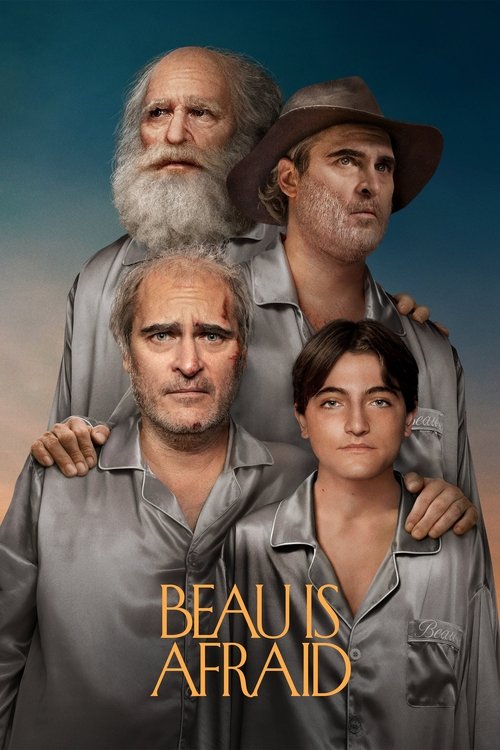
Beau Is Afraid — The Verdict Came First
Three hours inside a guilt that predates its owner; the trial was underway before the birth.
Updated September 23, 2026
 ★★★★½
Lunara Film Review
Barbie — The Product That Noticed
A corporation paid for a film about the impossibility of being a product, and Greta Gerwig almost got the whole confession on tape.
Updated September 23, 2026