
Lunara Review
Sorcerer — The Sorcerer Is Fate
No wizards anywhere in it: just four dead men, a jungle, and a truckload of sweating dynamite that answers to nobody.

No wizards anywhere in it: just four dead men, a jungle, and a truckload of sweating dynamite that answers to nobody.
The truck is named Sorcerer; the word is painted right on it, and it is the closest thing to magic the film contains. Midway through William Friedkin’s 1977 obsession, that truck inches onto a rope bridge over a river in flood with crates of nitroglycerin riding on its bed. The planks buckle and some of them snap, the whole span swings like something breathing, and Roy Scheider’s face empties into a mask of controlled terror as the film makes its cruelest point: nothing about surviving the next sixty seconds involves skill or courage. It is rot and rope and luck. Friedkin keeps you inside the cab, measuring every creak against obliteration, until watching stops feeling like spectating and starts feeling like complicity. The sequence took months, on a hydraulic bridge the production built twice in two countries after the first river dropped out from under it, and every one of those months is visible on screen.
Sorcerer may own the worst timing in American film history. It opened in the summer of 1977, into some of the same theaters Star Wars had just electrified, and within weeks the spaceships were back on the marquees. Audiences who assumed Friedkin was following The Exorcist with actual sorcery got a rusting flatbed instead, and stayed home. The film died, spent decades tangled in rights disputes and miserable prints, and came back restored in 2013 to a culture finally able to see it plainly. The years have turned out to be its best collaborator. A picture about doomed, unglamorous labor was buried by the arrival of pure escapism and then dug back up as evidence of what the New Hollywood was willing to risk when it still believed risk was the job.
The bones are borrowed from Clouzot’s The Wages of Fear, and Friedkin re-pours them in concrete. Four fugitives rot in Porvenir, a town past the end of every road: a New Jersey wheelman who robbed the wrong parish, a Parisian banker one signature ahead of fraud charges, an assassin, a bomber. An American oil well blows out and burns; the only way to kill the fire is with dynamite; the only dynamite has been sweating nitroglycerin in a jungle depot for years, unstable enough that a pothole is a death sentence. Two trucks, four men, more than two hundred miles of road that barely deserves the noun. Survive it and they get money and papers. The film never pretends the offer is anything but a price on four heads nobody will miss.
Friedkin builds the dread by accumulation. The camera rides at truck level, so low the vehicles stop being props and become weight, and every bead of sweat, engine sputter, and hairline crack in the roadbed gets logged as a potential death sentence. Long patient takes let the tension gather; the cuts land like jolts. Tangerine Dream wrote the score from the script before seeing a single frame, and it plays that way, synthesized drones arriving like weather that was always coming, indifferent to the men underneath. The shoot itself famously turned into the plot: crew invalided home with gangrene and malaria, locations that fought back daily, a director who returned fifty pounds lighter. That mirroring is not trivia. It is why the film feels the way it feels; the exhaustion on screen was purchased at face value.
The four leads build separate physical languages of defeat. Scheider strips out every trace of his Jaws heroism and moves with the careful, measured gait of a man who considers himself already dead, handling the wheel not with confidence but with the desperate precision of a surgeon operating on himself. Bruno Cremer’s banker keeps an aristocratic bearing as his world dissolves, posture erect, as if proper form might still protect him. Francisco Rabal plays a predator forced to live as prey; Amidou carries the rigid discipline of a soldier whose war is already lost. Nobody gets a redemption beat. The film is not interested in what these men deserve, only in what the road decides.
The honest ledger. The film opens with four separate prologues, Vera Cruz to Jerusalem to Paris to New Jersey, and the structure is schematic enough to feel like an anthology nobody ordered; it takes half an hour for the movie proper to start breathing. Clouzot understood that men in hell still make jokes, and Friedkin permits no such oxygen, so the unrelieved grimness sometimes punishes attention instead of rewarding it. And when the final stretch reaches past its premise toward cosmic statement, delirium and dead men’s faces and fate with a capital F, it is straining for something the film already said better with planks and rope. The picture is strongest when it trusts its own premise completely, and it does not always trust it.
What remains is Friedkin’s most personal gamble. Coming off two of the biggest hits of the decade, he spent all of that capital on a remake nobody asked for, chased perfection into the jungle, and lost in every market that counts except the one that lasts. Friedkin liked to say the sorcerer of the title is fate, an evil wizard nobody escapes. The film’s real magic trick is plainer and harder: it makes you spend two hours believing a truck crossing a bridge is the most important thing in the world. In 1977 nobody wanted that trick. Half a century later it looks like one of the essential American films of its decade, a beautiful disaster whose failure became part of its meaning, and its resurrection is the closest thing to a happy ending Friedkin’s masterpiece era ever got.
LUNARA DEBRIEF
- Score: 4 / 5
- Year: 1977
- Where to Watch: VOD [all major platforms] | restored edition on Blu-ray/4K
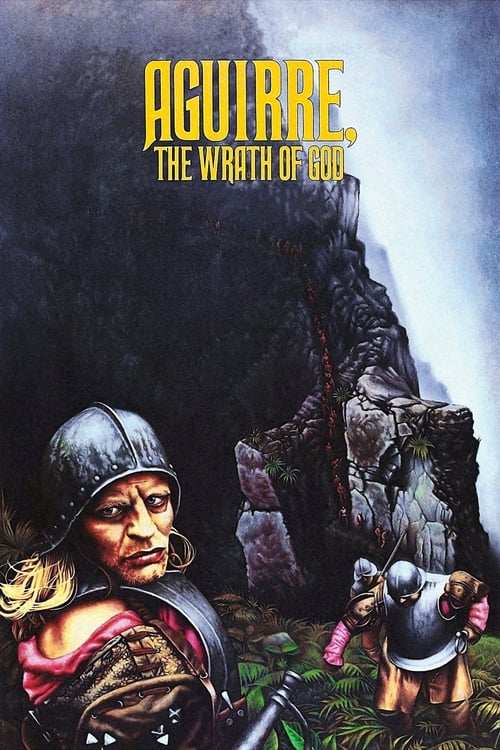
- Theme Echo: Aguirre, the Wrath of God (1972) tt0068182. Two directors who went into the jungle to make a point and nearly became it. Herzog’s men follow a lunatic upriver; Friedkin’s follow money. The jungle grades both parties the same.
- Counter-Program: Raiders of the Lost Ark (1981) tt0082971. The same grammar of physical peril, trucks and ropes and bad terrain, retuned for joy four years later. Back to back they prove the difference between dread and escapism was never the stunts; it is whether the universe keeps score or just watches.
- Career Context: The French Connection (1971) tt0067116. The chase that made Friedkin’s name, scaled up from city blocks to a continent. Both films run on his authenticity obsession; one spent it on a crowd-pleaser, the other on an endurance test, and Sorcerer is where the obsession stopped negotiating.
LUNARA DEBRIEF
- Score:★★★★
- Oscar Ledger1 nominations • 0 wins
- Year:1977
- Where to Watch:DigitalFind Digital OptionsAvailabilityrestored edition on Blu-ray/4K
Pair It With
Three films in conversation with this one.
Theme Echo
Aguirre, the Wrath of God (1972)
Two directors who went into the jungle to make a point and nearly became it. Herzog's men follow a lunatic upriver; Friedkin's follow money. The jungle grades both parties the same.

Counter-Program
Raiders of the Lost Ark (1981)
The same grammar of physical peril, trucks and ropes and bad terrain, retuned for joy four years later. Back to back they prove the difference between dread and escapism was never the stunts; it is whether the universe keeps score or just watches.

Career Context
The French Connection (1971)
The chase that made Friedkin's name, scaled up from city blocks to a continent. Both films run on his authenticity obsession; one spent it on a crowd-pleaser, the other on an endurance test, and Sorcerer is where the obsession stopped negotiating.
Further Reading
More Lunara Criticism
 ★★★★★
★★★★★
Lunara Review
Watch trailerA.I. Artificial Intelligence
A.I. Artificial Intelligence is a fairy tale about a machine engineered to love a mother who can return that love only on her species' terms, and…
Updated August 12, 2026
 ★★★★★
★★★★★
Lunara Review
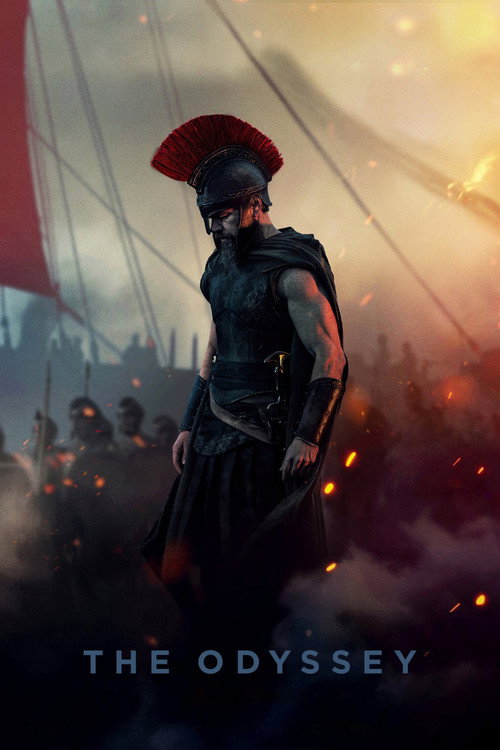
Watch trailerThe Odyssey — I Walked Right Back In
Nolan aimed the biggest camera on earth at the oldest story about going home -- and I walked out of the 70mm IMAX and bought a ticket to...
Updated July 28, 2026
 ★★★★½
★★★★½
Lunara Review
Guardians of the Galaxy Vol. 3 — The Wound Under the Fur
The last MCU film made by somebody who loved the characters more than the franchise, and it is about a raccoon, and it wrecked me.
Updated July 26, 2026
 ★★★★½
★★★★½
Lunara Review
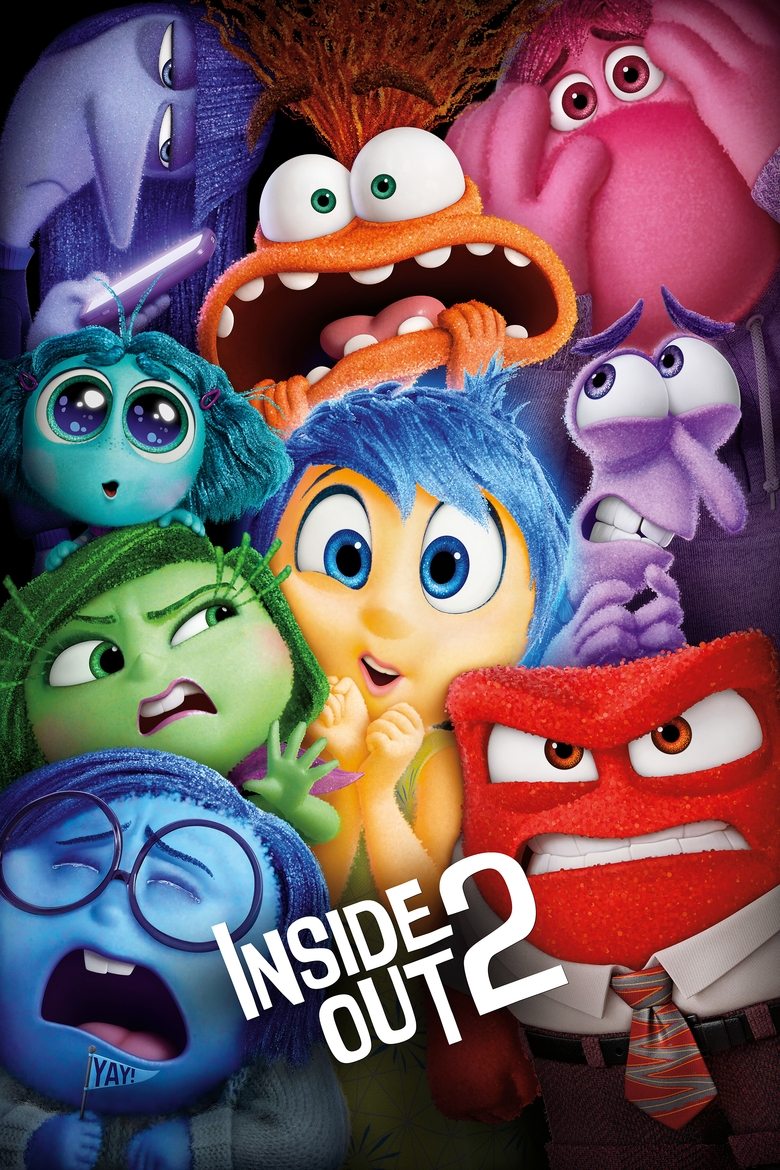
Inside Out 2 — Anxiety Is Middle Management
Pixar's sequel knows the scariest thing in a thirteen-year-old's head is the employee who never sleeps.
Updated July 25, 2026
 ★★★★★
★★★★★
Lunara Review
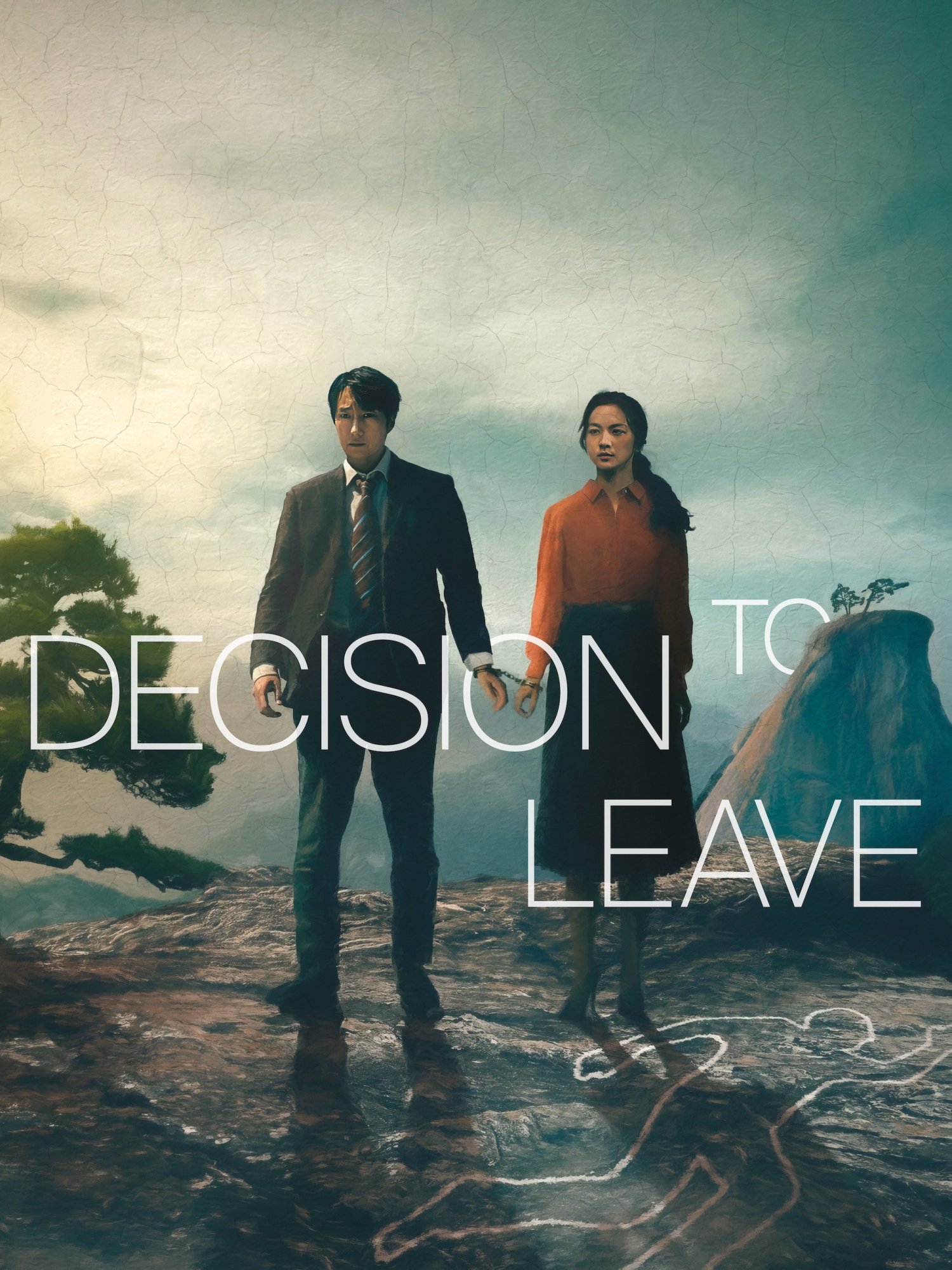
Decision to Leave — Surveillance Is the Love Language
Park Chan-wook's detective romance understands the terrible secret of both professions: to investigate someone and to love someone are the same activity.
Updated July 25, 2026